
-

-


Follow Us
-

 On Facebook
 On Flipboard
 On Twitter
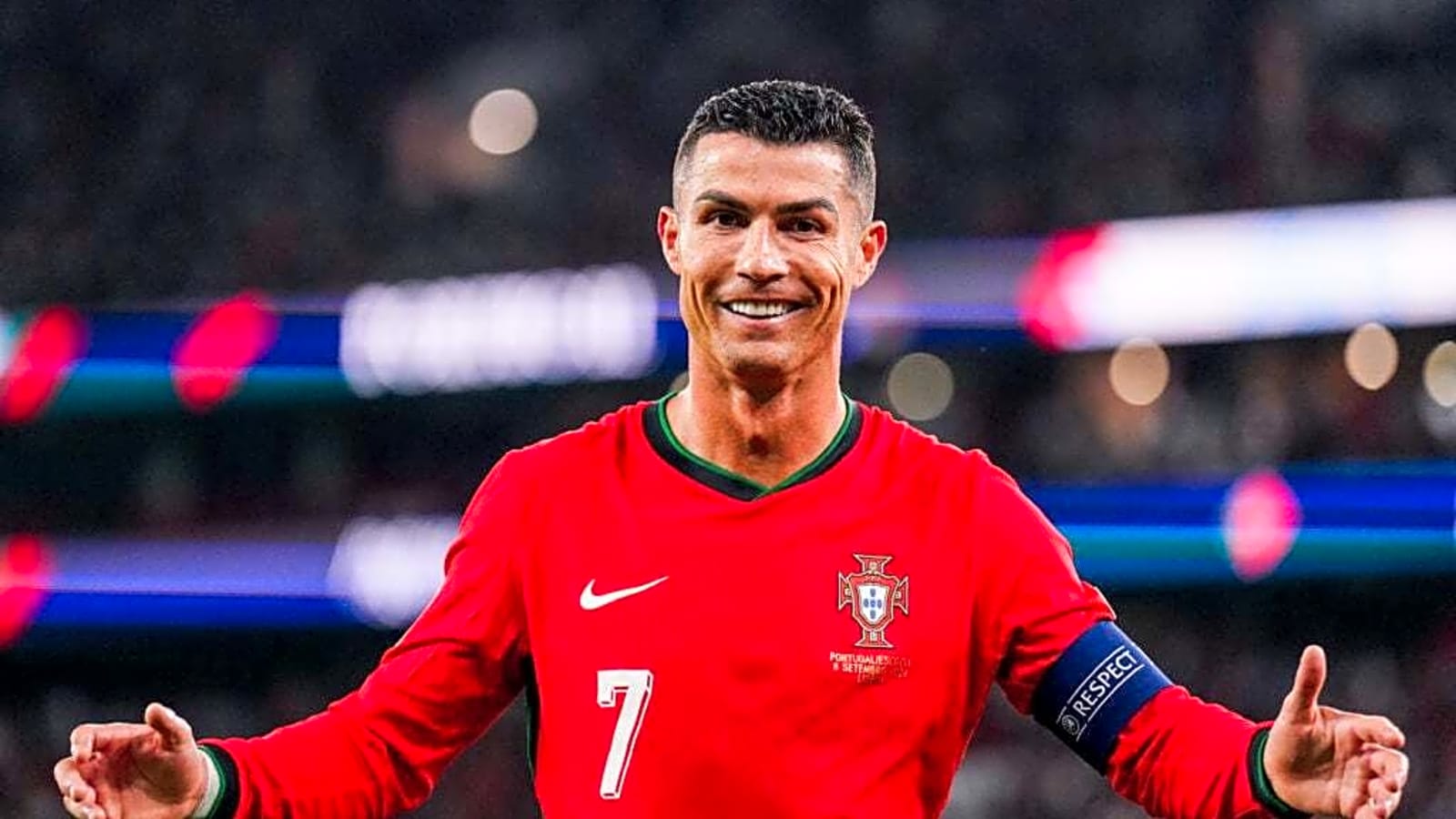
Cristiano Ronaldo’s confirmation that the 2026 World Cup will be his final major tournament comes with an edge, one rooted in how his Manchester United exit still shapes his outlook heading into the last chapter of his career.
His recent remarks about Ruben Amorim’s challenge at Old Trafford weren’t just offhand comments. When Ronaldo suggested that miracles are only in Fatima and questioned whether the squad has the right mentality, it wasn’t just an outsider’s view, it was a reflection of how unfinished business from his United days still drives him. This World Cup isn’t just an opportunity to complete his trophy collection; it’s also a stage to prove Erik ten Hag wrong.
The timing of these comments matters. Ronaldo chose to air his views about United’s shortcomings just days after confirming his international retirement plans, connecting two narratives that seem separate but aren’t. His frustration with how things ended at Old Trafford bleeds into how he’s framing this final tournament run, and it shapes the expectations he’s placing on himself heading into what could be his last meaningful football on the global stage.

At 40 years old, with 953 career goals and his sights set on reaching 1,000, Ronaldo isn’t approaching this World Cup with the acceptance that usually comes with a farewell tour. Instead, there’s an edge to his comments, a defensiveness about his capabilities that stems directly from being phased out at United.
He extended his Al-Nassr contract through 2027, ensuring he’ll have competitive football right up until the tournament, but the question remains whether that competitive environment prepares him for the intensity he’ll face or simply reinforces habits that won’t translate when the stakes are highest.
The tactical decision that still lingers

Ten Hag’s choice to move on from Ronaldo wasn’t personal, it was tactical. United needed players who could press from the front, and by then, Ronaldo’s game was built more around conserving energy for moments in the box. Their mutual contract termination came soon after his explosive interview with Piers Morgan, where his frustration was less about personality clashes and more about being squeezed out of a system that no longer fit him.
That’s the part that stings, not the fallout, but the feeling of being left behind by the game’s tactical evolution. Now, Roberto Martinez faces a similar dilemma for Portugal: does he shape the side around a 41-year-old whose movement doesn’t suit a pressing game, or does he put the team’s needs first? Ronaldo’s comments about United players not having the mind, what is Manchester United hinted at his own fear, that he could be phased out again, this time on the biggest stage of all.
How this shapes Roberto Martinez’s decision

Ronaldo’s motivation has always been his edge, and it’s fuelled a career that’s produced nearly 1,000 goals. His belief that he still feels quick and sharp is genuine, and history suggests players with a point to prove can be dangerous. But Martinez has to decide if that belief will help Portugal in a tournament setting, or if it could become a distraction.
Portugal’s qualifying campaign didn’t require major tactical compromises, but World Cup football is a different test. The risk is that, in trying to give Ronaldo the send-off he craves, the team loses some of the balance that got them there in the first place, a balance United felt they had to restore without him.
The story Cristiano Ronaldo is trying to change
There’s no getting away from it, his European career didn’t end on his terms. The Saudi Pro League offers goals and security, but it doesn’t offer the kind of redemption arc he’s after. The World Cup is his last shot at changing how people remember his final years, to show his decline was more about club chaos than any loss of ability.
But there’s a risk in overreaching. The Saudi league doesn’t prepare him for the defensive structure and pace he’ll face in North America. Feeling sharp there isn’t the same as being ready for elite international football, and Martinez will have to gauge whether Ronaldo’s confidence matches the reality of the challenge.
What it means for Portugal
Martinez isn’t just managing a veteran forward; he’s managing a player carrying the weight of a story he’s desperate to change. That can blur the line between sentiment and strategy. If Portugal builds their attack around giving Ronaldo his moments, they could lose the fluidity that has become their strength under Martinez.
The bigger question isn’t whether Ronaldo can still score goals, it’s whether his presence pulls the team away from what’s made them successful. And for Martinez, the challenge isn’t just tactical; it’s managing the legacy of a player still fighting to rewrite how his career ended, even as the game itself may have already moved on.
More must-reads:
- Turkiye seals World Cup berth, sets up group-stage date with USMNT
- Tiger Woods stepping away from golf to 'seek treatment' in wake of DUI arrest
- The 'Active 30-point NBA games leaders' quiz
Breaking News
Trending News







Customize Your Newsletter
 +
+




Get the latest news and rumors, customized to your favorite sports and teams. Emailed daily. Always free!
PRIVACY POLICY COOKIE POLICY CONTACT US
ABOUT YARDBARKER TERMS OF SERVICE


By using this site, you agree to our Terms of Service and Privacy Policy.
This site is for entertainment purposes only.
There is no gambling offered on this site.
Gambling Problem? Call 1-800-Gambler.
