
-

-


Follow Us
-

 On Facebook
 On Flipboard

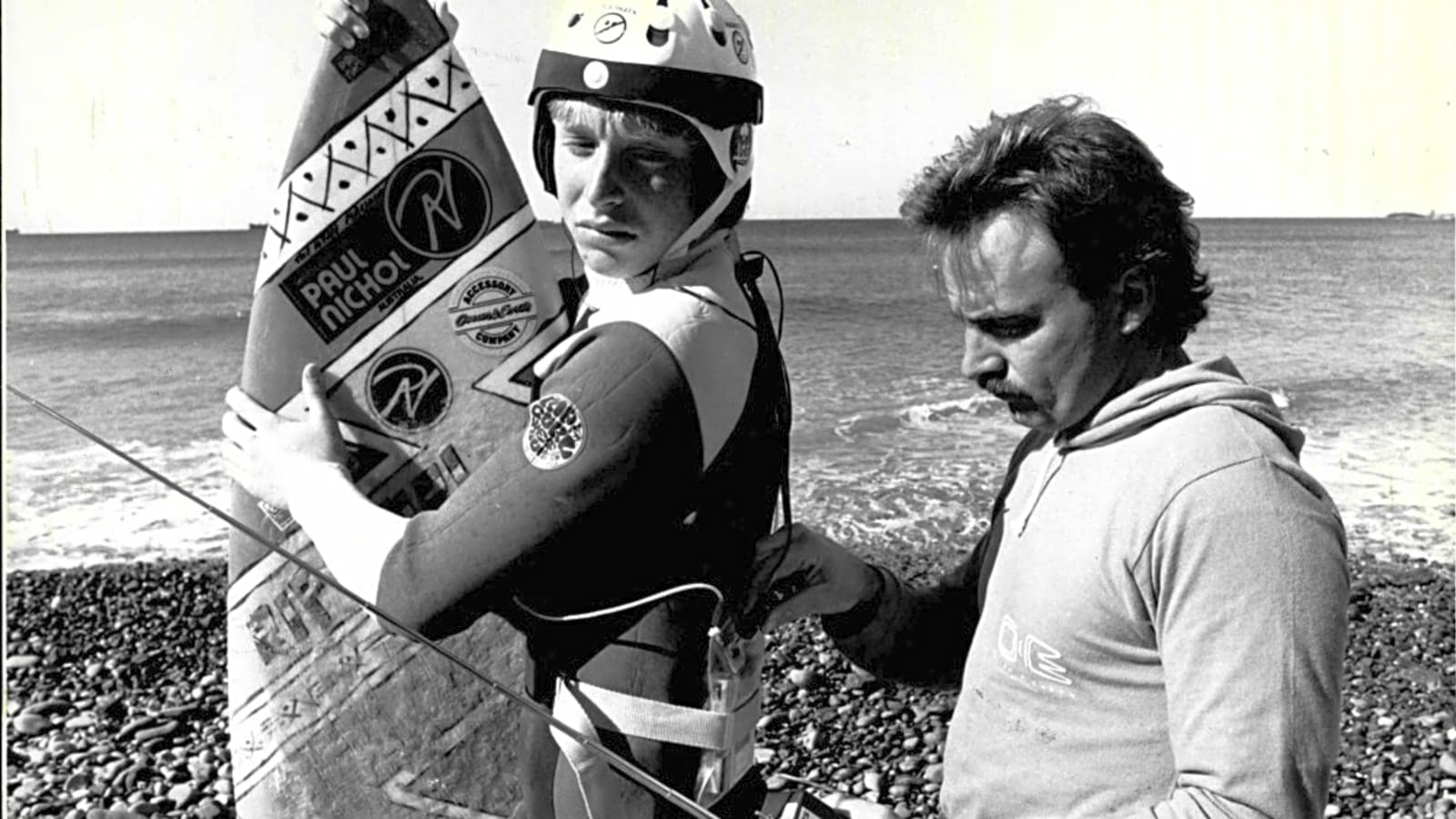
“The surf helmet space has been pretty stagnant for 20 years. It was refreshing as an engineer to dive headfirst into a project that had the pure intention of making something better with no guardrails,” said Oakley Senior Design Engineer Bryan Norvell, when the brand introduced its new WRT Helmet to the market last year. We covered its launch here.
It was a statement that some of the other brain bucket manufacturers may have taken issue with. I'd argue there has been a raft of both legacy and new brands that have introduced new tech, as the helmet has lost its stigma and gained in popularity amongst surfers.
The increased focus on the extent of concussion in surfing has also helped the progression. Surfing has had a hidden headache for decades. It’s only recently that high-profile cases like Owen Wright, Albee Layer, Billy Kemper, Kai Lenny, Sterling Spencer, and Ross Williams (to name just a fraction of the professional athletes who have suffered brain trauma) have helped shine a light on what is a serious, deep, and ongoing problem.
“I’d say half of the best dudes now wear a helmet at Pipeline, and 95% of the girls,” said Liam McNamara, the former Pipe Masters Champion and one of the first pro surfers to don the bucket (with visor). “In the 1980s and 1990s, I was in the one per cent, and received plenty of abuse for it, but I’m stoked that helmets are now starting to go mainstream. There is no debate; they save lives.”
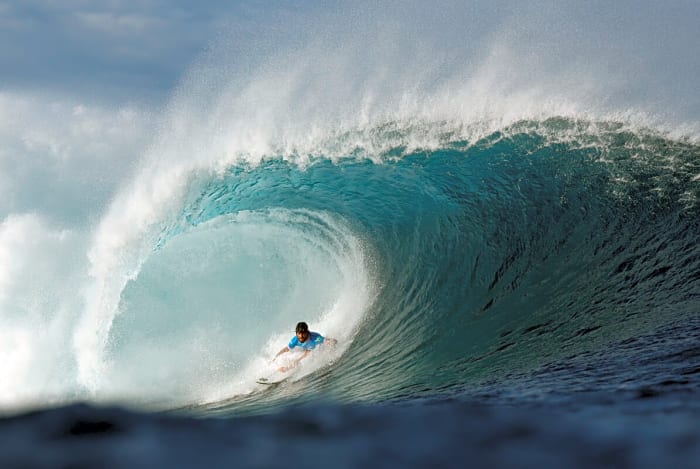
Liam wore a Gath helmet back in the day, and the Western Australian-made helmets, first designed by Rick Gath, are still an industry standard. Kauli Vaast wore one when he claimed his Olympic Gold Medal at home in Tahiti. They have a range of models, including Gedi, SFC EVA, and Neo, priced from $140 to $180.
A newer entrant in the market is Simba, with its Sentinel 1 model. You’ve no doubt seen Garrett McNamara and Koa Smith sporting a design that can also double as fancy dress if you want to go to a party as a Roman Centurion. Distinctive, but also an aerodynamic design that protects the lower forehead, jawline, and temples, which, for $210, are worth protecting.
A lot of the surf helmets borrow from other watersports that have had a less antagonistic relationship with head protection. Dutch-based Mystic has a kite, wake, and windsurfing background, and their softer shell helmets fit like a neoprene hood, but have a high-impact ABS outer shell that absorbs heavy hits. Its top-of-the-line Legacy model retails for around $180 and comes in three sizes and three colors.
In fact, it’s in this more “fashiony” space that new brands are sprouting up, offering protective surf hats for learners and intermediates. Many surfers don’t want to make a statement that wearing a Gath or Simba whilst surfing three-footers might entail. Most come in the popular bucket hat design that, for whatever reason, you can blame LL Cool J, Liam Gallagher, Fisher or the OG Gilligan (ask your parents', kids), is popular right now.
A good example is Surf Skull, a Santa Cruz start-up whose hard hats are “designed to blend in, not stand out.” Launched in 2023, the designs have an ABS/EVA "Bump-cap" insert and a chin strap to keep it in place during any wipeout. And you could, just about, wear it at the bar after a good session.
Bang Proof is another brand that likes to do what it says on the tin (lid). Their Bucket model has passed the same safety standard required for white water sports, and comes with their Impact Absorption Technology. There are also trucker cap fits for those who aren't yet on the bucket hat bandwagon.
The point is, there is no real excuse not to have a helmet as part of your all-around surf kit. There are all types, from high-end protection being tested by the best big wave surfers, to soft headgear and newer buckets where no one will ever know you're wearing one. It’s literally a no-brainer.
More must-reads:
- John Harbaugh and the Giants just got a big boost of confidence
- AFC North schedule breakdown: The toughest four-game stretches in 2026
- The 'Last 30-point NBA Finals game' quiz
Breaking News
Trending News


Customize Your Newsletter
 +
+




Get the latest news and rumors, customized to your favorite sports and teams. Emailed daily. Always free!
PRIVACY POLICY COOKIE POLICY CONTACT US
ABOUT YARDBARKER TERMS OF SERVICE


By using this site, you agree to our Terms of Service and Privacy Policy.
This site is for entertainment purposes only.
There is no gambling offered on this site.
Gambling Problem? Call 1-800-Gambler.
