
-

-


Follow Us
-

 On Facebook
 On Flipboard
 On Twitter
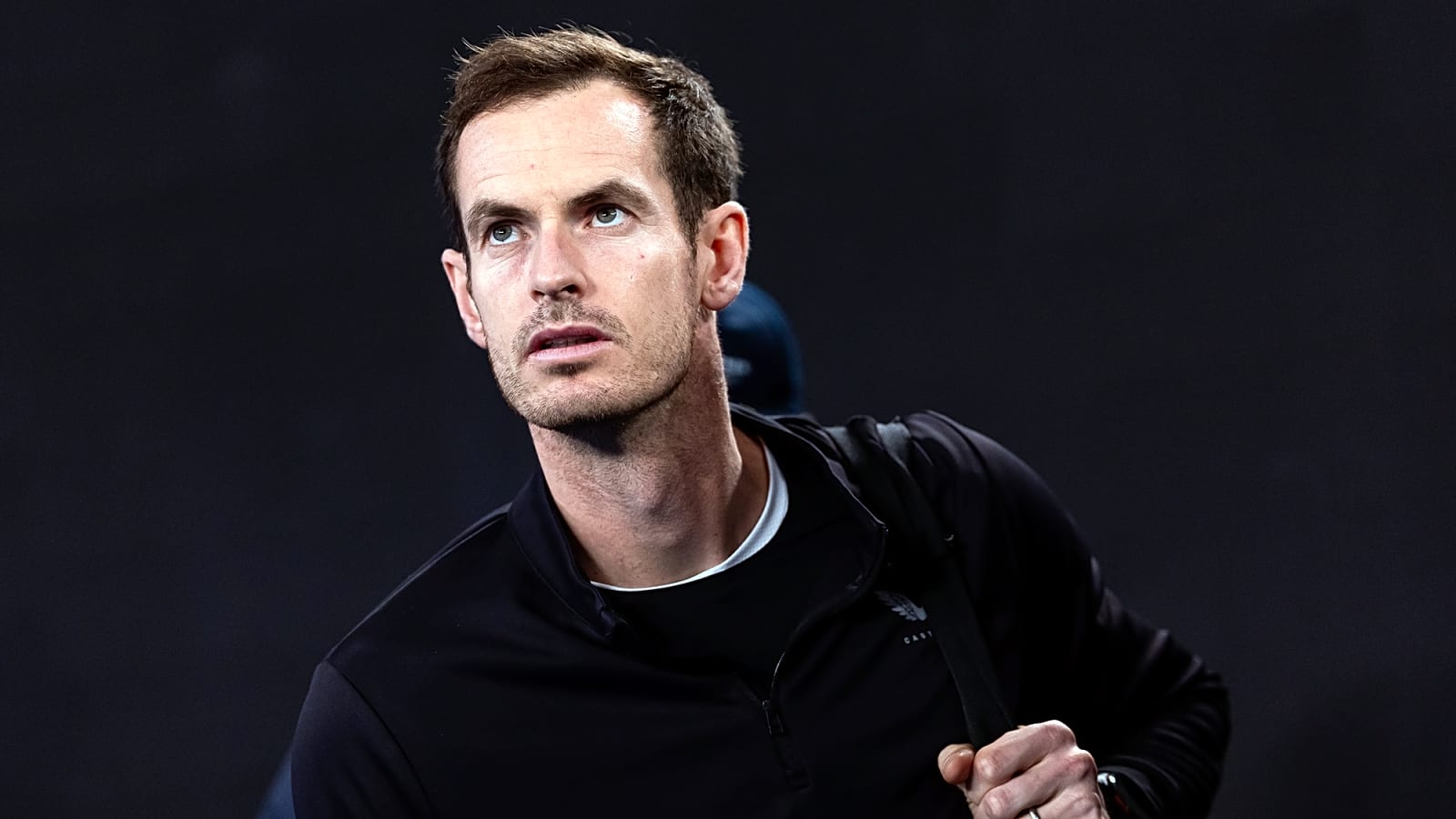
Andy Murray, one of Britain’s most celebrated tennis players, continues to be a central figure in discussions about how Wimbledon is presented to audiences. As one of the sport’s most accomplished homegrown champions, Murray’s career and insights have shaped public interest in tennis, and organisers are exploring ways to integrate former champions’ perspectives to enrich broadcast coverage.
Murray’s achievements, including two Wimbledon singles titles, made him a defining figure for British tennis in the 2010s. His victories ended a long drought for the nation and brought global attention to the sport in the UK. Even in retirement from full-time professional competition, his influence persists, both in the public’s imagination and in conversations about the game’s future.
One focus has been how tennis broadcasts can connect modern audiences to the sport’s rich history while highlighting the contributions of past champions. Murray’s experiences competing against legendary figures such as Roger Federer and Rafael Nadal provide a bridge between eras, offering unique insight into some of the most memorable rivalries in tennis history. His perspective as a player who has faced the very best allows viewers to understand the strategic nuances, psychological battles, and pressures that shape top-level matches.
The evolution of sports coverage is driven by changes in audience behaviour. Fans increasingly engage with tennis across multiple platforms, seeking highlights, expert analysis, and behind-the-scenes context. Broadcasters are exploring ways to incorporate voices of former players, who can explain tactics, share experiences, and add personal narrative to events, enhancing the viewer’s connection to the sport.
Murray’s role in this context is particularly significant in Britain, where his achievements resonate widely. Millions of fans remember his iconic matches on Centre Court, and his presence in any capacity — whether providing insight, commentary, or public appearances — generates interest. This enduring popularity makes him a natural figure to help modern broadcasts balance historical perspective with contemporary appeal.
Public reaction to Murray’s involvement has been largely positive. At a recent tennis viewing event, a fan expressed excitement about the idea of seeing Murray contribute to Wimbledon coverage: “Andy’s been through it all on the court. Hearing what he thinks about matches would make watching Wimbledon even more exciting,” they said. Comments like these reflect the broader sentiment among fans, who value his experience, clarity, and connection to the game.
Murray’s career also overlapped with some of the greatest players in history, which adds depth to his potential role in broadcasts. His matches against Federer, Nadal, and Djokovic were defining moments of his generation, providing storylines that continue to captivate fans. Understanding these encounters from someone who experienced them firsthand can bring a new layer of insight to viewers, enhancing appreciation for both strategy and athletic skill.
Beyond analysis, Murray’s name carries symbolic weight for British tennis. His success inspired a generation of players and helped sustain public interest in the sport. Any role he takes in Wimbledon coverage not only adds expert insight but also reinforces a narrative of continuity — linking past glories with current competition and future prospects.
The discussion around integrating former champions into broadcasts reflects broader trends in sports media. Audiences increasingly value context and storytelling as much as the raw action on the court. Former players like Murray can highlight tactical subtleties, explain strategic adjustments, and provide first-hand accounts that deepen understanding of the game. This approach enhances engagement while maintaining respect for the sport’s history.
Murray’s perspective is particularly valuable because he competed at the highest level for over a decade, winning major titles and consistently challenging the best players in the world. His insights can illuminate the pressures of elite competition, the mental fortitude required for victory, and the technical decisions that define matches. These elements resonate with both casual fans and those with deeper knowledge of the game.
Looking ahead, the potential involvement of Murray in Wimbledon coverage could serve multiple purposes. It can educate new audiences, provide veteran perspective on current matches, and celebrate the legacy of one of Britain’s most accomplished athletes. By combining analysis, storytelling, and personal experience, broadcasts can appeal to a wide spectrum of viewers, from first-time tennis watchers to long-time enthusiasts.
Murray’s influence extends beyond the court. His public presence and charitable work have made him a respected figure in the UK and internationally. Integrating him into tournament coverage strengthens the link between the sport and its wider cultural impact, demonstrating how athletes can shape both competition and public perception.
The focus on Murray also highlights the importance of connecting modern broadcasting with history. Wimbledon is renowned not just for its matches but for the stories that unfold around them — rivalries, triumphs, setbacks, and moments of brilliance. Murray embodies many of these elements, making him uniquely qualified to enrich the viewer experience.
Organisers, broadcasters, and fans alike recognise that maintaining interest in tennis requires innovation while respecting tradition. Murray’s involvement offers a pathway to achieve this balance, providing both authoritative insight and a relatable connection for audiences. His contributions can contextualise contemporary competition within a broader historical narrative, helping fans appreciate the evolution of the game.
In the coming years, Murray’s presence — whether through commentary, analysis, or special features — may become a staple of Wimbledon coverage. His experience, credibility, and popularity make him an ideal ambassador for the sport, capable of connecting with multiple generations of viewers while celebrating tennis’s rich heritage.
Ultimately, the discussion around Murray underscores a broader principle in sports broadcasting: engaging audiences requires more than live action. Stories, context, and insight from those who have lived the sport add depth, excitement, and continuity. Murray, with his remarkable career and enduring public appeal, is well-positioned to play a leading role in shaping how Wimbledon is experienced in the modern era.
About the Author
Kiran Rai is a British political and sports journalist and former Daily Express reporter who has covered 65 major sporting events worldwide. His work has appeared in Forbes, GQ, Sports Illustrated, and TIME, and he is a regular contributor to Yahoo News, Yahoo Sport, and Yahoo Entertainment.
More must-reads:
- Jalen Duren achieves Pistons history with nearly perfect performance
- Alvaro Folgueiras and Iowa Hawkeyes make historic run to Elite Eight
- The 'Youngest MLB 30/30 seasons' quiz
Breaking News
Trending News








Customize Your Newsletter
 +
+




Get the latest news and rumors, customized to your favorite sports and teams. Emailed daily. Always free!
PRIVACY POLICY COOKIE POLICY CONTACT US
ABOUT YARDBARKER TERMS OF SERVICE


By using this site, you agree to our Terms of Service and Privacy Policy.
This site is for entertainment purposes only.
There is no gambling offered on this site.
Gambling Problem? Call 1-800-Gambler.
