
-

-


Follow Us
-

 On Facebook
 On Flipboard
 On Twitter
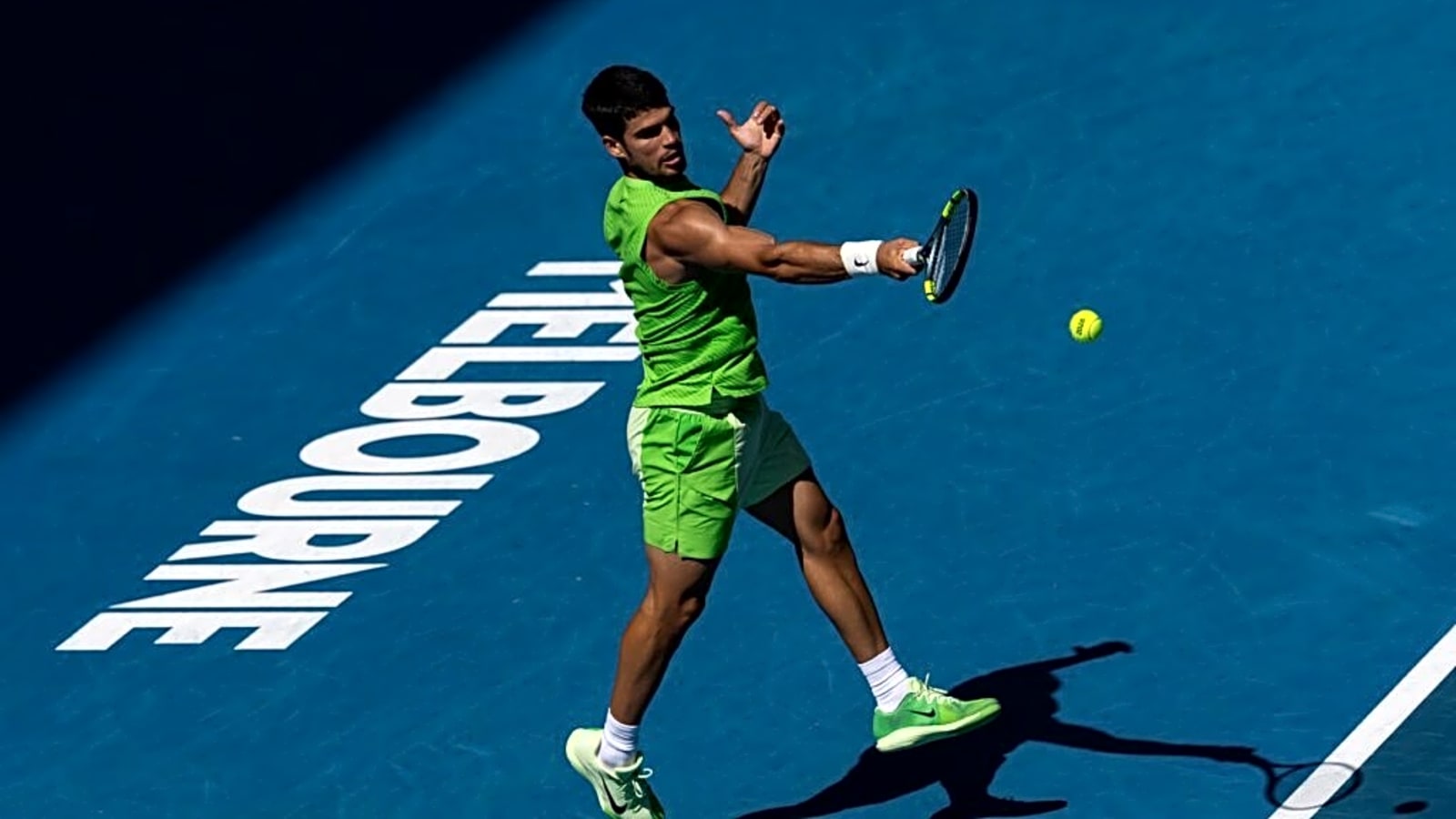
The Australian Open has concluded, and the tennis world looks different now. Carlos Alcaraz is a Melbourne champion for the first time in his career after lifting the only Grand Slam trophy that had eluded him. The Spaniard proved he deserves his number one ranking by completing the set in the most convincing fashion possible. But the tennis world extends well beyond one player. Here is how the landscape has shifted heading into February.
- Carlos Alcaraz
Alcaraz belongs at the top, and it isn’t particularly debatable. He’s not only number one in the official rankings, a position that feels even more secure after this tournament, but he’s genuinely been the best player in the world for some time now. Ever since the US Open, nobody has come close to dethroning him. Djokovic tried and simply couldn’t. Sinner hasn’t managed it either. Alcaraz has occupied a tier of his own for months, and Melbourne only reinforced that reality. He is the undisputed number one heading into February, and nothing about that changes anytime soon.
- Novak Djokovic
Beating Sinner the way he did is enough to seal this spot. It was a mesmerizing performance, the kind that continues to defy every known law about longevity in professional sports. Djokovic simply keeps going. He keeps defeating players a decade younger than himself, and even against Alcaraz, the best player on the planet, he didn’t look out of place. There comes a point where respecting what this man does becomes less about rankings and more about witnessing something that shouldn’t be physically possible. That performance earned him number two without question.
- Jannik Sinner
The famous saying goes that this is an Alcaraz and Sinner world, but the Italian didn’t look like himself in Melbourne. It was a strange and somewhat unsettling thing to witness after the clinical dominance he’d displayed over the past few years. Something felt off, and it showed in ways that were difficult to ignore. Number three is where he slots in right now after that disappointment, and whether he can bounce back quickly or whether this represents a genuine step back remains to be seen. The expectation is that he rebounds. The recent evidence, however, suggests caution.
- Alexander Zverev
Zverev did a tremendous amount right at this year’s Australian Open, and by a considerable margin he’s the closest player to the top three outside of them. Nobody else in the field comes close to bridging that gap the way he did. It took a massive late surge from Alcaraz to deny him yet another final, and everything Zverev showed throughout the tournament suggests he’s trending in the right direction. There’s a lot to like heading into the next stretch of the season as he continues chasing his dream of becoming world number one. He’s number four on this list for now, but the margins separating him from the players above are slimmer than they’ve been in a long time.
- Lorenzo Musetti
There are persistent question marks surrounding Musetti, and they exist for good reason. His body remains somewhat unreliable, and it has a habit of betraying him precisely when he appears on the verge of something significant. Oddly enough, that pattern shows up with particular frequency against Djokovic. In any case, the level he brought in Melbourne, outplaying Djokovic shot for shot, is enough to warrant number five. Nobody outside the top three or four is playing on that kind of level right now, and Musetti is the closest of all of them to reaching it consistently.
- Alex de Minaur
Much like Musetti, de Minaur will achieve a career high ranking after this event, and number six is precisely where he lands on our power rankings as well. The consistency and level are genuinely there, and that has to be acknowledged. Sure, he can’t beat the biggest names yet, but that’s hardly a revelation for him or really any player currently sitting in the top ten. What de Minaur brings is a reliably high standard across most tournaments, and right now that’s more than enough to earn his place here.
- Alexander Bublik
Bublik is a fascinating player to follow at this stage of his career. The Kazakhstani seems to improve with every event, and now that he’s finally broken into the top ten, the trajectory feels like it has genuine momentum behind it. The devastating shot-making he brings to the court will serve him particularly well during the upcoming February indoor circuit, and that same quality should translate effectively into North America as well. Number seven feels right for where he stands today, with the expectation that he could climb further as the season progresses.
- Ben Shelton
Shelton once again produced a solid tournament, showing plenty of encouraging qualities throughout. But once again, he didn’t have quite enough to break through in a meaningful way when it truly mattered. Sinner proved to be the wall he couldn’t get past this time, and that’s hardly surprising given the gap that still exists. Shelton still lacks the elite baseline game required for a genuine breakthrough at the highest level, but what he does bring remains good enough to justify number eight on this list.
- Taylor Fritz
Fritz remains a player who hasn’t quite fulfilled the potential many expected from him. He brings quality on a regular basis but seemingly can’t sustain it long enough or at a high enough level to leave a lasting impression. That’s why he’s slid down these rankings. Until we see something different from him, there are simply other players operating at a more convincing level right now. The tools are there. The consistency isn’t. And in a field this competitive, that distinction matters.
- Learner Tien
A lot of people might be surprised to find Learner Tien at number ten, but the logic behind it is straightforward. He showed a remarkably high level in Melbourne, one that suggested he’s closer to the top ten than many realized. He possesses the tools. He possesses the confidence. And if he can maintain even close to the level he displayed in Australia, a top ten ranking in the official standings won’t be far behind. For now, the potential alone earns him this spot.
More must-reads:
- Cowboys have a dangerous plan for George Pickens' contract
- Konnor Griffin megadeal would be franchise-shifting moment for Pirates
- The 'Active 2K-point NBA seasons' quiz
Breaking News
Trending News





Customize Your Newsletter
 +
+




Get the latest news and rumors, customized to your favorite sports and teams. Emailed daily. Always free!
PRIVACY POLICY COOKIE POLICY CONTACT US
ABOUT YARDBARKER TERMS OF SERVICE


By using this site, you agree to our Terms of Service and Privacy Policy.
This site is for entertainment purposes only.
There is no gambling offered on this site.
Gambling Problem? Call 1-800-Gambler.
