
-

-


Follow Us
-

 On Facebook
 On Flipboard
 On Twitter
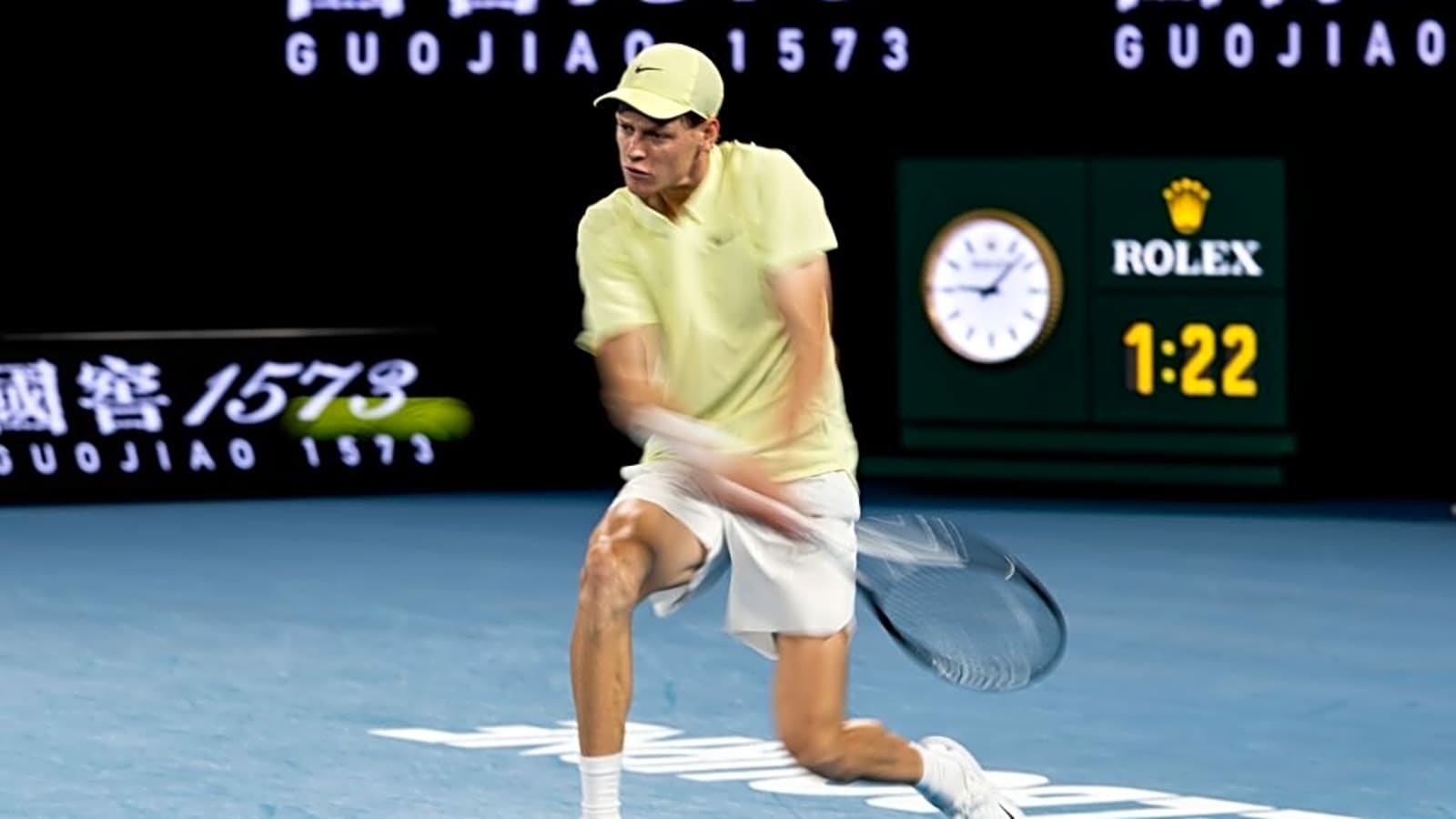
As has been the way of tennis since its inception as a sport that has continued to grow and capture attention across the globe, there have been countries which have looked to dominate at certain points or have enjoyed a golden era. One can look back at Australia in the 1950s-1970s with players such as Rod Laver, Ken Rosewall, and Margaret Court leading the charge; or at the U.S. in the 1970s-1990s roared on by a host of players, including–but not limited to–Jimmy Connors, Pete Sampras, Andre Agassi, and Billie Jean King.
Now it seems the Italians are quietly building something of their own with Jannik Sinner, the obvious flag-bearer, setting the pace. While their history shows a handful of good players like Nicola Pietrangeli, Adriano Panatta, Francesca Schiavone, Sara Errani, Roberta Vinci, Flavia Pennetta, and, more recently, Fabio Fognini, these were more of individual flashes. It feels like Italian tennis has been in a period of coming of age over the past few years. The first signs, however, probably started when Matteo Berrettini reached the final of Wimbledon in 2021, marking the first time an Italian had reached the finals of tennis’s most prestigious event. While the big Italian has suffered a downward spiral since then, blighted with injuries, his compatriots have soared. Jannik Sinner, once considered a talent with huge prospects by a few, has certainly surprised most in the past few years. He has gone on to win four Slams in the past two seasons and dominate matches in a way rarely seen before.
He has not been unaccompanied; other Italians have keyed in. Lorenzo Musetti has become a Top 10 player, has already reached two Grand Slam finals, and was well on his way to a third before being forced by injury to retire against Novak Djokovic while two sets up. Flavio Cobolli looks like a top talent, a fierce competitor with a massive forehand, ranked just outside the Top 20. Luciano Darderi, ranked 25th, made a brilliant run to the 4th round in Melbourne before losing to countryman Sinner, whom he pushed hard. Matteo Arnaldi, a player with elite movement, has shown some good signs over the last couple of years, previously ranking as high as #30. The WTA hasn’t been as impressive, but there’s been encouragement with Jasmine Paolini cementing herself as a Top 10 player, who reached two Major finals last year.
While the influence of someone like Sinner will play a part in this newfound belief and upsurge in Italian tennis, the Italian federation has also made important moves in recent years, such as the launch of the “fast court project,” increasing hard courts fourfold, which allowed players to develop a more aggressive, modern game suitable for most of the ATP/WTA season, increased tournament hosting, with the country hosting a high number of Challenger and ATP events (including the ATP Finals in Turin), allowing local players to gain experience and ranking points at home, as well as support for private coaching. It is a clear example of quantity breeding quality.
The next and most crucial step now is to translate what has been a very promising few years into a period of sustained and obvious dominance. Jannik Sinner will inevitably lead this charge, but Italians will hope more players can join him and remain at the top table of tennis. At the moment, the signs certainly look promising, and other countries might be looking to borrow a leaf from the Italians’ playbook.
More must-reads:
- Five NFL Draft prospects who improved their stock with strong pro days
- Cowboys have a dangerous plan for George Pickens' contract
- The 'Active 2K-point NBA seasons' quiz
Breaking News
Trending News








Customize Your Newsletter
 +
+




Get the latest news and rumors, customized to your favorite sports and teams. Emailed daily. Always free!
PRIVACY POLICY COOKIE POLICY CONTACT US
ABOUT YARDBARKER TERMS OF SERVICE


By using this site, you agree to our Terms of Service and Privacy Policy.
This site is for entertainment purposes only.
There is no gambling offered on this site.
Gambling Problem? Call 1-800-Gambler.
