
-

-


Follow Us
-

 On Facebook
 On Flipboard

Anthem is preparing for its final shutdown with one last, perfectly on-brand disappointment for its remaining players. BioWare is scheduled to have the online game’s servers permanently switched off, rendering the title completely unplayable. In a fitting twist for its troubled legacy, installing the game for a farewell tour has been a challenge. Is this really the final slap in the face from a game notorious for delivering them?
The Chilling Message of Server Shutdowns
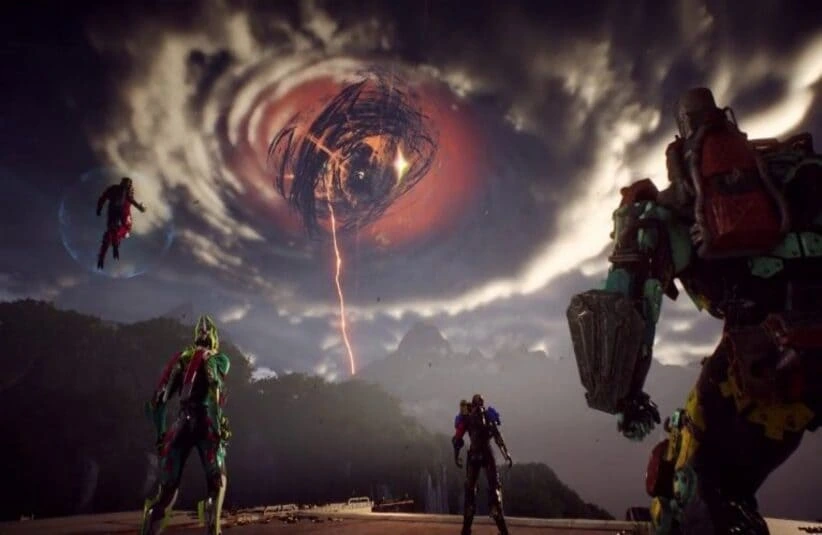
According to reports, the EA app is erroneously blocking installations. Not only that, but players are basically being told they don’t own a game they absolutely purchased. This preemptive glitch means Anthem is effectively dead a week early for a significant portion of its audience. They may see this shutdown as a cruel joke in its infamous lifetime. That said, the entire situation serves as a bleakly humorous epitaph for a project that never lived up to its soaring potential.
Following this debacle, a clear, chilling message was sent throughout the entertainment industry. It seems that the inherent risk of purchasing always-online, live-service gamesis that it can be taken away long even after money changes hands. For fans, it means growing consumer pressure for enforceable digital ownership rights or mandatory offline modes for games that are being sunsetted. Additionally, the relationship between players and publishers is also damaged due to this fumble. As a result, players are likely to be more hesitant to invest in future titles from studios with a history of abandoning products.
A Permanent Case Study in Mismanagement
Consequently, games designed with eventual preservation in mind may see a stronger push within the industry, even if they launch as live services. Furthermore, it acts as a permanent case study for mismanagement, cited whenever a new ambitious online game is announced. While the ghost of Anthem haunts every boardroom discussion, greenlighting a massive, online-only game becomes more of a risk.
The journey of Anthem has been a masterclass in squandered opportunity, as it launched with a brilliant core flight mechanic. Players would feel even more powerful, that is, if it weren’t affected by repetitive missions and a skeletal story. For the few dedicated players who remain committed to the game, the promised overhaul, dubbed Anthem 2.0, was cancelled, dashing the last bit of hope they had.
How does a game with such a solid foundational idea fail so spectacularly? Its troubled development and a fundamental mismatch between BioWare’s narrative strengths and the demands of a live-service looter provide the answer. Years later, the memory of Anthem has been more about its cascade of failures and less about its gameplay. With this final installation error, the long list of letdowns associated with Anthem only gets bigger.
Anthem’s Final Act of Disappearing
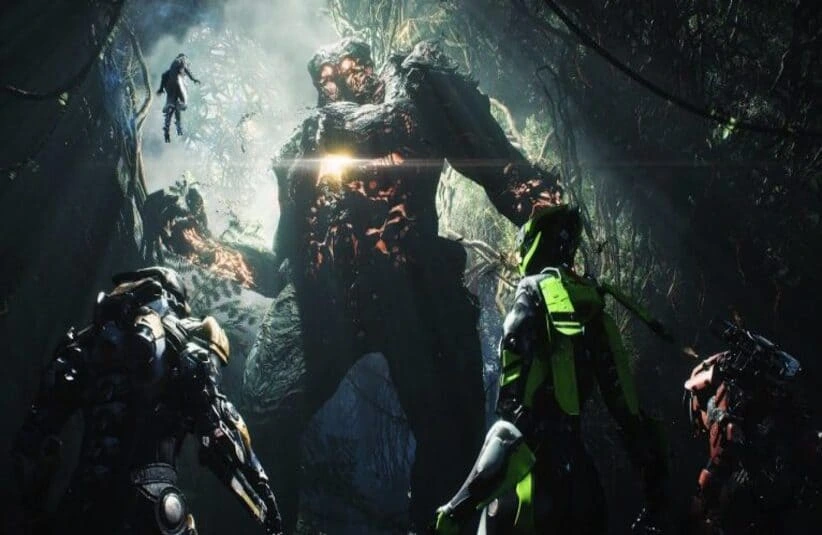
Following the one-two punch of Mass Effect: Andromeda and the collapse of Anthem, BioWare’s reputation has never truly recovered. The studio, once an RPG titan, now operates with a diminished profile and a much more cautious roadmap. So, what can players learn from the legacy of Anthem? A cautionary tale about the perils of chasing trends without a clear creative vision. When it comes to single-player-focused studios, the game’s failure contributed to industry-wide skepticism about live-service models.
Players will remember the game for its spectacular crash landing rather than its flying Iron Man suits. Anthem’s final act was to ultimately disappear before its official death, a strangely poetic end for a game that was never really all there to begin with. Unfortunately, BioWare has already started the final two-week countdown for its sci-fi action RPG. On January 12, 2026, the game’s servers will permanently shut down and become completely unplayable.
More must-reads:
- Commanders to retire number of franchise legend
- Yankees' Brian Cashman gives worrisome Aaron Judge injury update
- The '60-point NBA games' quiz
Breaking News
Trending News






Customize Your Newsletter
 +
+




Get the latest news and rumors, customized to your favorite sports and teams. Emailed daily. Always free!
PRIVACY POLICY COOKIE POLICY CONTACT US
ABOUT YARDBARKER TERMS OF SERVICE


By using this site, you agree to our Terms of Service and Privacy Policy.
This site is for entertainment purposes only.
There is no gambling offered on this site.
Gambling Problem? Call 1-800-Gambler.
