
-

-


Follow Us
-

 On Facebook
 On Flipboard
 On Twitter
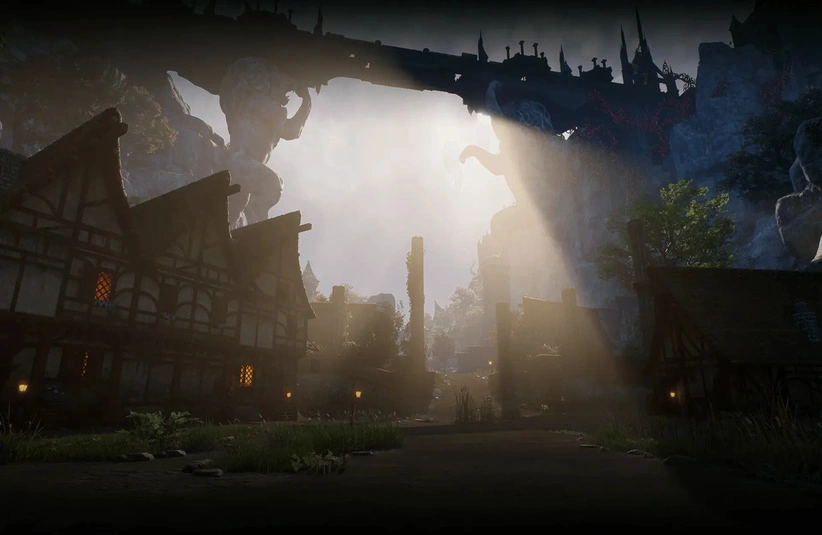
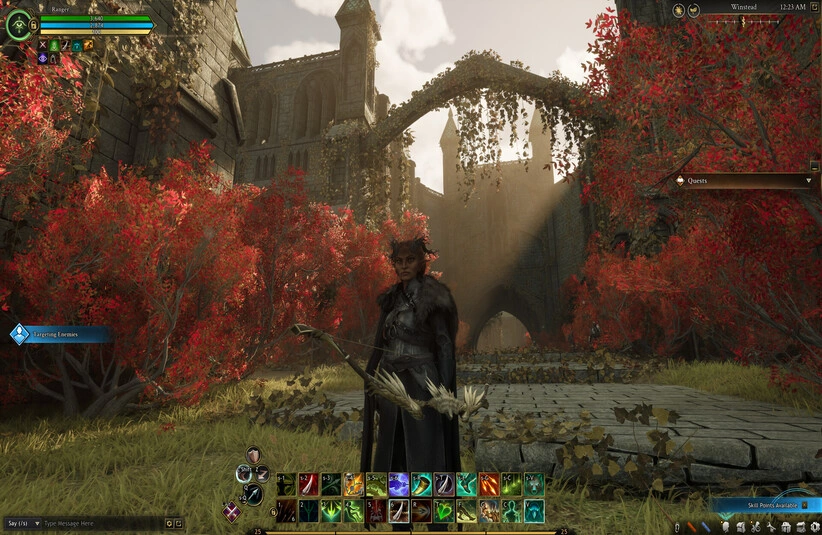
The collapse of Ashes of Creation was already a bitter pill for MMO fans — a nine‑year promise evaporating overnight. But the deeper we get into the fallout, the more the whole saga stops looking like a failed game and starts reading like the kind of corporate crime thriller Netflix will absolutely greenlight for a three‑part documentary.
What began as a Kickstarter darling has now become a labyrinth of accusations, missing millions, investor infighting, and a studio implosion so dramatic it almost feels fictional.
A Kickstarter Success Story That Aged Like Milk
Let’s rewind. In 2017, Ashes of Creation hit Kickstarter and absolutely detonated, pulling in $3.2 million and becoming one of the platform’s biggest gaming success stories. It was pitched as the anti‑publisher MMO — a passion project funded by fans, led by a charismatic creative director, and supposedly backed by his own personal fortune.
Fast‑forward to late January 2026:
Creative director Steven Sharif resigns, senior leadership follows, and the studio is gutted by mass layoffs. Sharif frames his exit as a moral stand, claiming the board was pushing actions he “could not ethically agree with or carry out.”
In hindsight, that statement feels less like transparency and more like pre‑emptive narrative armor.
Because what came next was… a lot.
Investor Allegations: Missing Millions, A Mansion, and a $60 Million Deal Gone Nuclear
Last week, YouTuber NefasQS dropped a series of videos after speaking directly with investor Jason Caramanis — and the allegations are explosive.
According to Caramanis:
- He loaned Sharif $1 million, which was allegedly paid straight to Sharif’s mother
- A $60 million iDreamSky deal collapsed, leaving Sharif scrambling to pay developers
- A mansion was allegedly purchased using company funds
- Steam launch revenue was allegedly diverted to pay off that property instead of payroll
Based on documents Caramanis provided and NefasQS’s own calculations, the studio may have been sitting on $100–$140 million in debt for a game that never actually shipped.
Caramanis didn’t hold back either, calling Sharif and his husband “insane pathological narcissists” who pretended to be wealthy while allegedly contributing “not one penny” to the company.
It’s the kind of quote that would feel over‑the‑top in a screenplay, yet here we are.
But Let’s Be Clear: Caramanis Isn’t a Clean Protagonist
Before anyone casts Caramanis as the righteous whistleblower, it’s important to note:
- He made much of his wealth through Jeunesse Global, a multi‑level‑marketing company
- He held the title “Imperial Diamond Director”
- He was still promoting the brand as recently as 2023
NefasQS acknowledges this, noting Caramanis has since branched into other ventures — but the MLM background is a massive asterisk on his credibility.
This is not a story with heroes. It’s a story with competing narratives, conflicting motives, and a lot of money that seems to have evaporated into thin air.
The Lawsuit, the Missing Records, and the Nine‑Year Black Box
According to NefasQS’s reporting:
- Sharif allegedly refused to release financial books or tax records for nine years
- No board meetings were ever called
- Caramanis was promised a board seat in 2019 that never materialized
- Sharif and CFO John Moore (also his partner) allegedly took home $500K salaries
- Other investors include Tom Alkazin ($2M) and Robert Dawson (allegedly $80M)
Caramanis eventually filed a lawsuit just to access company records — and only received QuickBooks files thanks to Dawson’s accountant.
That alone is a red flag the size of a raid boss.
The Final Days: Layoffs, A Failed Rescue Plan, and an Alleged “Act of Sabotage”
The board’s proposed rescue plan, according to Caramanis, was:
- Each investor reinject 25% of their original investment
- Lay off 60–70% of staff to keep a skeleton crew
- Keep Sharif as creative director, but tie his compensation to performance
Sharif allegedly demanded ownership equity instead. When that was denied, he resigned.
And then comes the most incendiary allegation:
Caramanis claims Sharif sent a letter from Commerce Bank to Valve to redirect $3.7 million from the Early Access launch — money intended for February 1st payroll — to pay off the loan on his house.
If true, this would explain why laid‑off employees were never paid.
It’s a staggering accusation, and one that will almost certainly be tested in court.
Who Owns Ashes of Creation Now?
According to Caramanis, the Ashes of Creation IP and assets now belong to investor Robert Dawson, who is reportedly exploring options for the game’s future.
Whether that means a revival, a sale, or a quiet burial remains to be seen.
Legal Experts Say This Could Get Very Real, Very Fast
Corporate attorney Legal Mindset (Andrew Esquire) weighed in, saying there’s a “very high likelihood of piercing the corporate veil,” which is legal speak for:
If the allegations hold, Sharif could be personally liable.
Potential claims include:
- Fraudulent inducement
- Breach of implied contract
- Unjust enrichment
And yes — Kickstarter backers may have grounds to pursue action.
For thousands of people who backed this project in good faith, that’s the most devastating part. They didn’t just lose a game. They may have been funding a financial black hole.
What This Means for Ashes of Creation Backers and the MMO Community
Ashes of Creation, for lack of a better term, detonated, in the negative meaning this time!
What should have been a triumphant indie MMO story has instead become a cautionary tale about unchecked leadership, opaque finances, and the dangers of mixing Kickstarter dreams with corporate reality.
Nothing is proven in court yet. But the allegations alone paint a picture of a studio spiraling long before the public ever saw the cracks.
And for the fans who waited nearly a decade, the developers who lost their jobs, and the investors who poured millions into a vision that never materialized — this saga deserved a far better ending than the one we’re watching unfold.
More must-reads:
- UConn's Geno Auriemma melts down as South Carolina ends Huskies' perfect season
- Steelers' QB plans revealed if Aaron Rodgers doesn't return
- The 'NBA two's leaders by season' quiz
Breaking News
Trending News








Customize Your Newsletter
 +
+




Get the latest news and rumors, customized to your favorite sports and teams. Emailed daily. Always free!
PRIVACY POLICY COOKIE POLICY CONTACT US
ABOUT YARDBARKER TERMS OF SERVICE


By using this site, you agree to our Terms of Service and Privacy Policy.
This site is for entertainment purposes only.
There is no gambling offered on this site.
Gambling Problem? Call 1-800-Gambler.
