
-

-


Follow Us
-

 On Facebook
 On Flipboard
x

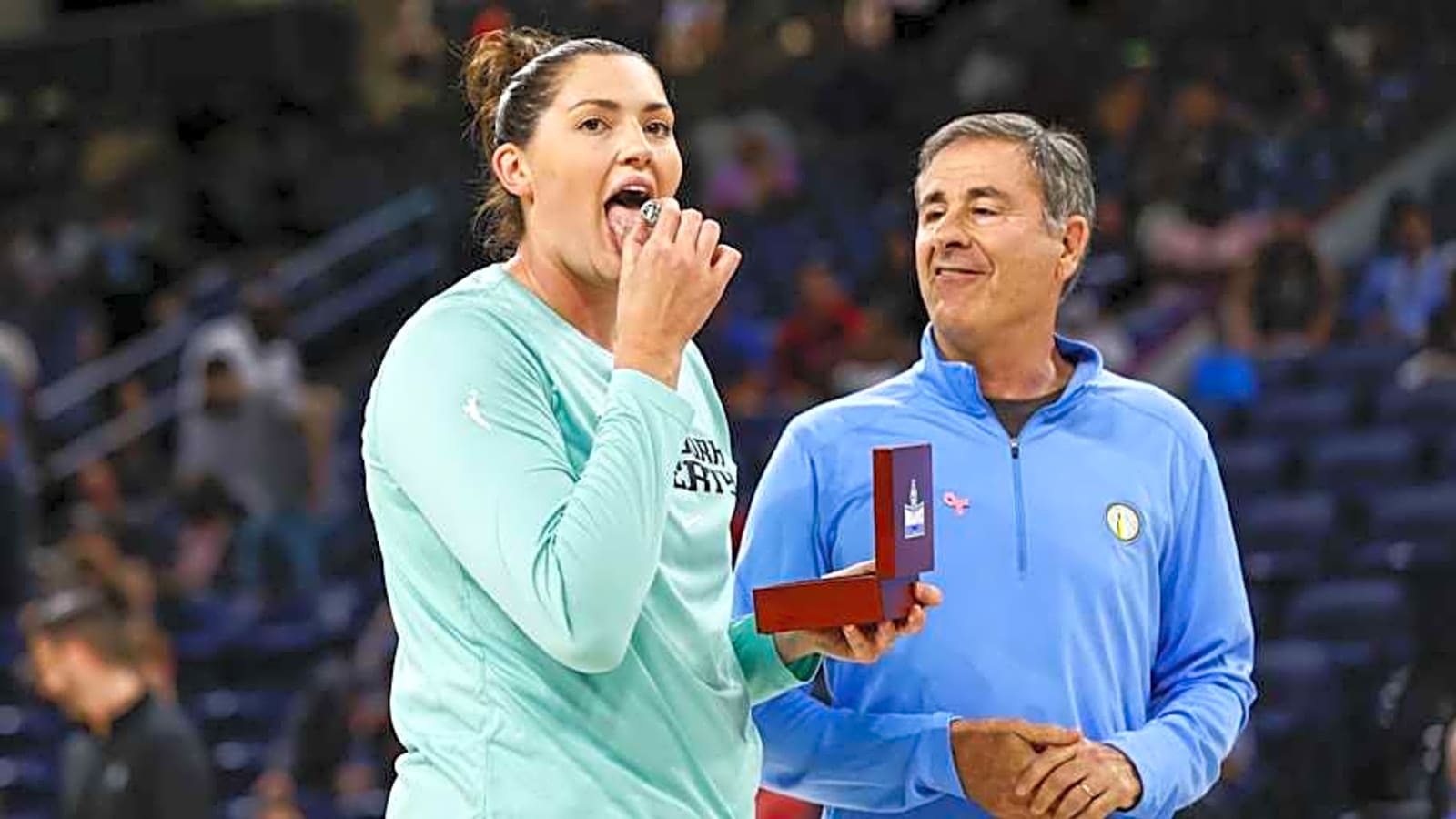
Jul 29, 2022; Chicago, Illinois, USA; New York Liberty center Stefanie Dolson (L) reacts as she receives 2021 WNBA Championship Ring from Chicago Sky owner Michael Alter (R) before the WNBA game between the Chicago Sky and New York Liberty at Wintrust Arena. Mandatory Credit: Kamil Krzaczynski-Imagn Images
Kamil Krzaczynski-Imagn Images
A lawsuit filed in Cook County has placed the ownership structure of the Chicago Sky under renewed scrutiny, raising questions about governance, transparency and fiduciary responsibility at a moment when franchise valuation across the WNBA is rapidly rising. The complaint, first reported by Law360, was filed in the Circuit Court of Cook County by Steven Rogers against Michael Alter, the team's majority principal owner. According to the Chicago Tribune, Rogers — identified as a minority owner — alleges that Alter improperly took control of the team's finances in a way that increased his own payout while denying minority owners their proportional share of the franchise's growth. The Tribune also reported that the lawsuit claims "Alter's actions breached his fiduciary duty to the minority investors...and unfairly deprived them of the value of their investments." The Tribune noted that the lawsuit alleges Alter told minority investors that their stakes had "dropped in nominal value, even as the team value had in
More must-reads:
- Caitlin Clark addresses controversy regarding Alyssa Thomas, officiating
- Five worst signings of NBA free agency
- The 'NBA Playoff-3's leaders' quiz
Breaking News
Trending News






Customize Your Newsletter
 +
+




Get the latest news and rumors, customized to your favorite sports and teams. Emailed daily. Always free!
MY ACCOUNT
SUBSCRIBE
ADVERTISE
JOBS
FAQ
PRIVACY POLICY COOKIE POLICY CONTACT US
ABOUT YARDBARKER TERMS OF SERVICE


PRIVACY POLICY COOKIE POLICY CONTACT US
ABOUT YARDBARKER TERMS OF SERVICE
Copyright 2026 YB Media, LLC. All rights reserved.
By using this site, you agree to our Terms of Service and Privacy Policy.
This site is for entertainment purposes only.
There is no gambling offered on this site.
Gambling Problem? Call 1-800-Gambler.

By using this site, you agree to our Terms of Service and Privacy Policy.
This site is for entertainment purposes only.
There is no gambling offered on this site.
Gambling Problem? Call 1-800-Gambler.