
-

-


Follow Us
-

 On Facebook
 On Flipboard
 On Twitter

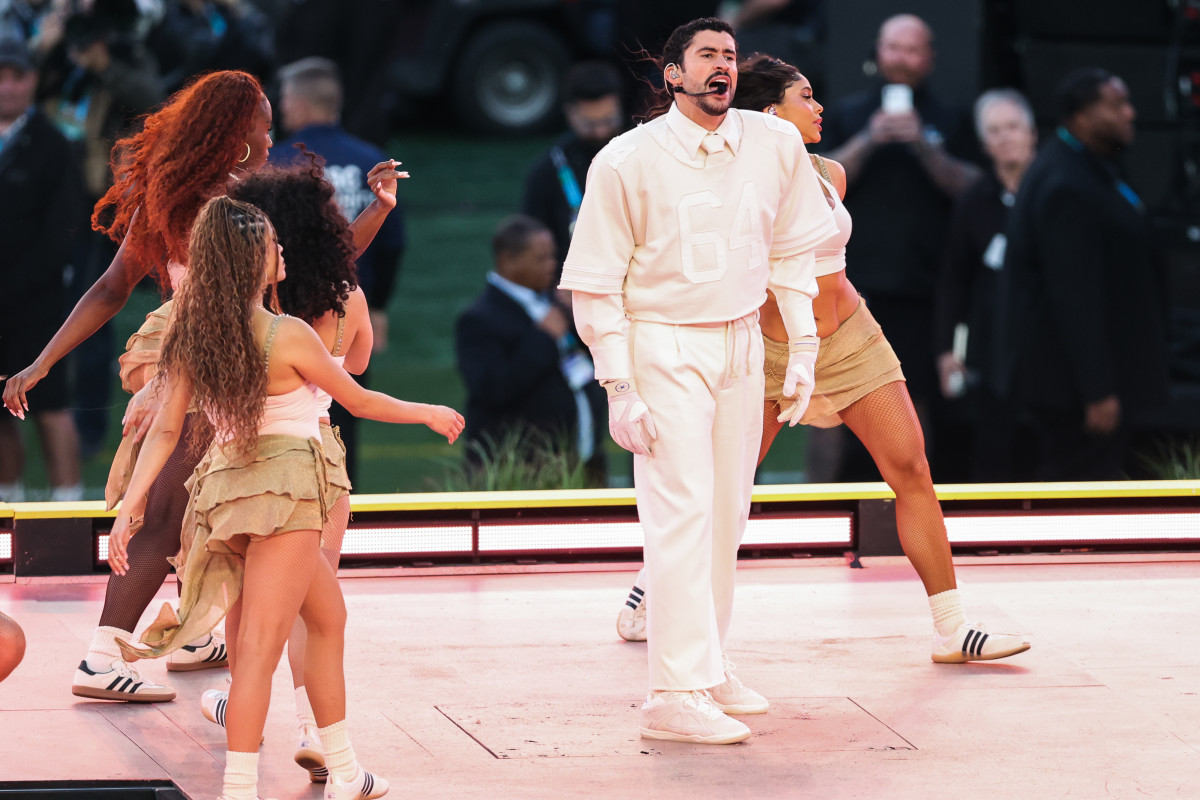
As reaction unfolded in real time throughout Super Bowl weekend, the conversation quickly shifted away from the field and toward what was being said off it. While the Super Bowl delivered very little drama on the field, the same could not be said for everything surrounding it. Away from the game itself, controversy erupted around the halftime show, and once again, Jake Paul found himself squarely in the middle of it.
Never one to shy away from controversy, Paul jumped in knee-deep when it came to Bad Bunny’s Super Bowl halftime performance. In a series of posts, Paul called on viewers to actively disengage from the show, framing it as a form of protest against corporate decision-making and cultural messaging.
“Purposefully turning off the halftime show,” Paul wrote. “Let’s rally together and show big corporations they can’t just do whatever they want without consequences (which equals viewership for them). You are their benefit. Realize you have power.”
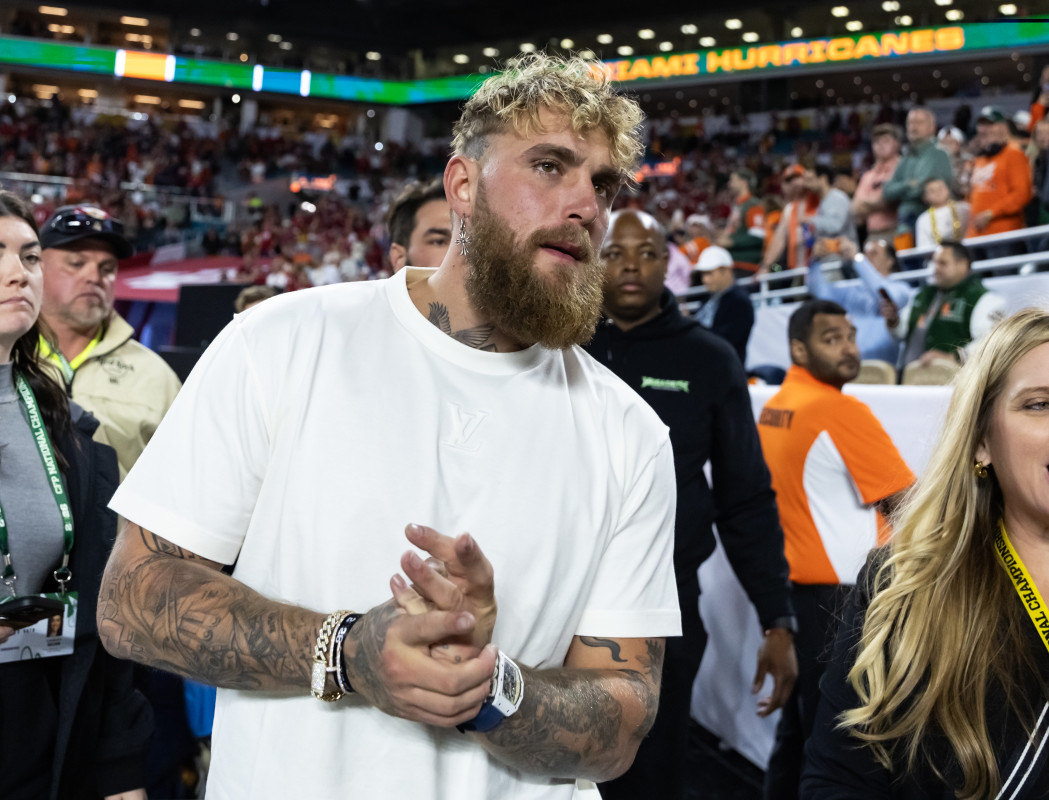
The message escalated quickly.
Purposefully turning off the halftime show
— Jake Paul (@jakepaul) February 8, 2026
Let’s rally together and show big corporations they can’t just do whatever they want without consequences
(which equals viewership for them)
You are their benefit. Realize you have power.
Turn off this halftime. A fake American…
“Turn off this halftime. A fake American citizen performing who publicly hates America. I cannot support that.”
The language sparked immediate backlash, with critics taking issue not only with the characterization of Bad Bunny, but with the broader implications tied to Puerto Rican identity. The strongest and most personal response came from a champion competing under Paul’s own promotional banner.
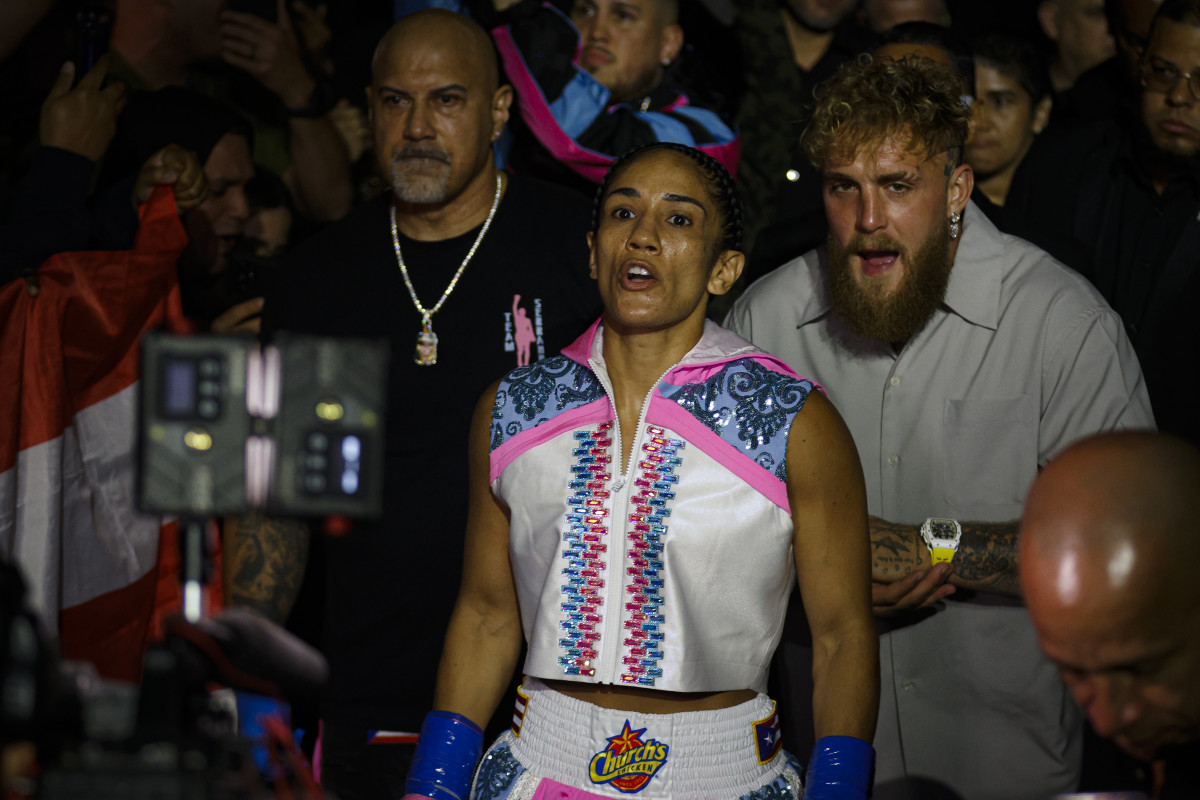
Amanda Serrano addressed the situation directly, grounding her response in identity, pride, and clarity. She emphasized her connection to Puerto Rico and the significance of Bad Bunny’s performance, calling it a moment of representation rather than division.
“Tonight I am here where I’m supposed to be in my beautiful island with my people celebrating and watching with awe how well Benito represented us and our culture,” Serrano said.
She made her position unmistakable.
Tonight I am here where I’m supposed to be in my beautiful Island with my people celebrating and watching with awe how well Benito represented us and our culture
— Amanda Serrano (@Serranosisters) February 9, 2026
I am proud to be Puerto Rican, and I am proud to be an American citizen. Puerto Ricans are not “fake Americans.” We…
“I am proud to be Puerto Rican, and I am proud to be an American citizen. Puerto Ricans are not ‘fake Americans.’ We are citizens who have contributed to this country in every field… and our identity and citizenship deserve respect.”
Serrano also acknowledged the role Paul and Most Valuable Promotions played in her career, while firmly rejecting any framing that questions Puerto Rican legitimacy.
“I do not agree with statements that question the legitimacy or identity of Puerto Rican people, and I cannot support that characterization. It is wrong.”
Paul later responded, attempting to clarify his intent while holding his original position.
“To clarify: I wasn’t calling anyone a ‘fake citizen’ because they’re from Puerto Rico,” Paul wrote. “I live in Puerto Rico, and I love Puerto Rico.”
He reframed his comments as values-based rather than identity-based.
“If you benefit from a country and the platform it gives you, but publicly disrespect it at the same time, that’s what I mean by being a fake citizen.”
To clarify: I wasn’t calling anyone a “fake citizen” because they’re from Puerto Rico. I live in Puerto Rico, and I love Puerto Rico. I have used my platform to support Puerto Rico time and time again and will always do so.
— Jake Paul (@jakepaul) February 9, 2026
But if you’re publicly criticizing ICE who are doing…
Paul added that the issue stemmed from wording rather than intent, saying the word “fake” had been misinterpreted, while reiterating that his criticism was tied to values and public criticism of America—not nationality.
What began as a halftime protest ultimately became a broader conversation about language, identity, and the line between political criticism and cultural respect. And long after the final whistle, that off-field debate proved to be one of Super Bowl weekend’s most lasting storylines.
More must-reads:
- UConn's Geno Auriemma melts down as South Carolina ends Huskies' perfect season
- Steelers' QB plans revealed if Aaron Rodgers doesn't return
- The 'NBA two's leaders by season' quiz
Breaking News
Trending News




Customize Your Newsletter
 +
+




Get the latest news and rumors, customized to your favorite sports and teams. Emailed daily. Always free!
PRIVACY POLICY COOKIE POLICY CONTACT US
ABOUT YARDBARKER TERMS OF SERVICE


By using this site, you agree to our Terms of Service and Privacy Policy.
This site is for entertainment purposes only.
There is no gambling offered on this site.
Gambling Problem? Call 1-800-Gambler.
