
-

-


Follow Us
-

 On Facebook
 On Flipboard


Defense often separates good teams from average ones in this era of college basketball. If North Carolina wants to take the next step for the upcoming season, improvement on the defensive side of the ball will be paramount to the Tar Heels' success.
While Michael Malone and the Heels have assembled a talented roster capable of scoring points on the offensive side of the ball, tightening up defensively, and forcing turnovers could ultimately determine how deep they'll go in the postseason.
Defending the Three
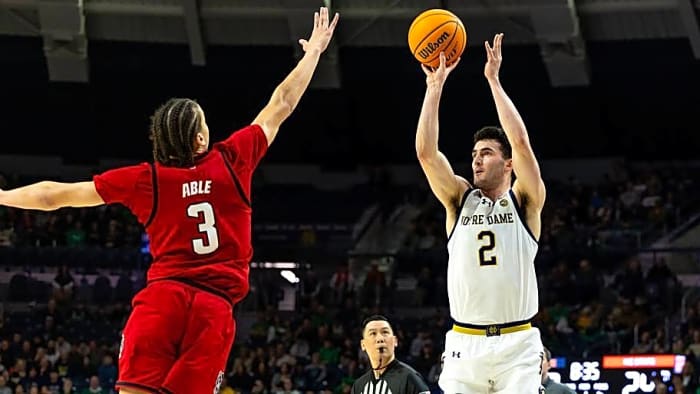
The first area that deserves the most attention is the three-point defense. Modern college basketball is built around the three-point line, as more teams are taking more threes than ever before. Shooting the ball well from deep has been such a priority for many teams, and failure to defend it is essentially a death sentence.
North Carolina was on the higher side in terms of how often they let their opponent shoot the ball from behind the arc, and how many their opponent made in regard to that rate.

Overall, they allowed opponents to shoot too respectable a percentage from the field. Therefore, limiting quality three-point opportunities and forcing tougher shots overall must become a priority for next year.
Winning The Turnover Battle
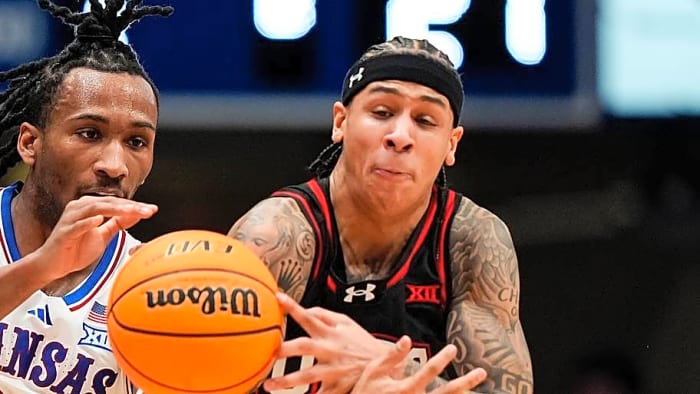
Another statistic that needs attention is forcing turnovers. The Tar Heels averaged only about 5.4 steals per game last season, while opponents averaged slightly more steals against North Carolina.
Creating turnovers not only disrupts the momentum of the opponent, but also allows North Carolina more opportunity to score more points. The more aggressive teams in college basketball create more scoring opportunities without relying only on half-court execution.
Protecting the Rim

Finally, the last statistic that needs attention is blocks. For the amount of height that North Carolina had last season, between Henry Veesaar and Caleb Wilson, they really didn't have all that many blocks as a team, averaging just under 3.5 a game.
That landed the Tar Heels on the below-average side in comparison to other D1 teams in the nation. Increasing rim protection would allow perimeter defenders to defend more aggressively, knowing the help that is behind them.’

The encouraging part for North Carolina when looking at these needed improvements is that many of these stats can be increased based on just effort and communication alone.
For a team with high expectations in this upcoming season, improving these stats can be the difference between another first-round exit and a legitimate run in the postseason.
More must-reads:
- Thunder rookie center Aday Mara has brutal Summer League debut
- Deebo Samuel might finally sign with a contender
- The 'Women's Wimbledon champions' quiz
Breaking News
Trending News



Customize Your Newsletter
 +
+




Get the latest news and rumors, customized to your favorite sports and teams. Emailed daily. Always free!
PRIVACY POLICY COOKIE POLICY CONTACT US
ABOUT YARDBARKER TERMS OF SERVICE


By using this site, you agree to our Terms of Service and Privacy Policy.
This site is for entertainment purposes only.
There is no gambling offered on this site.
Gambling Problem? Call 1-800-Gambler.
