
-

-


Follow Us
-

 On Facebook
 On Flipboard


Throughout the offseason, it has become clear that UCLA is building something very special for the coming years.
With the departures of Tyler Bilodeau, Donovan Dent, and Skyy Clark, UCLA was forced to shift its focus toward the future. Most college basketball programs either reload or rebuild — UCLA has managed to do both.
What UCLA Is Working With
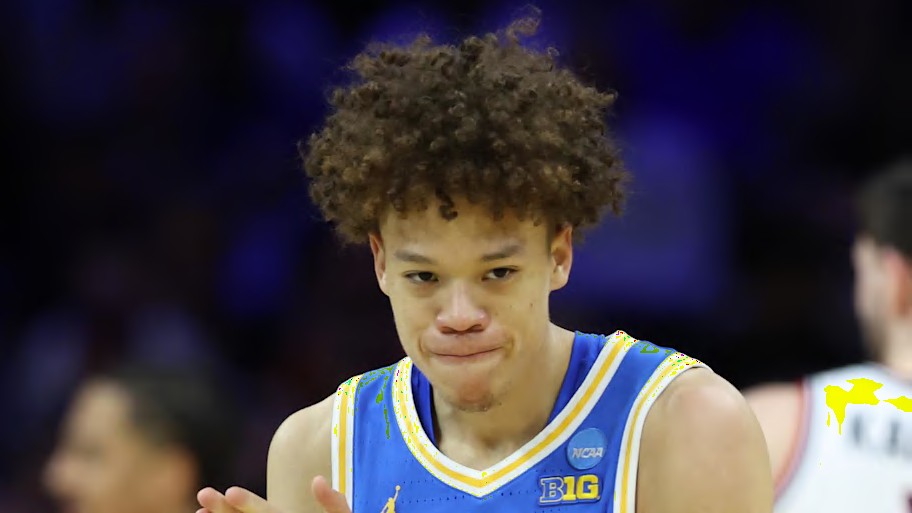
Looking at the roster, only Eric Dailey Jr. and Xavier Booker project as key players who will not be part of the program long-term. While their eventual departures will be significant, UCLA already appears to have pieces in place to fill those voids.
Sergej Macura, Brandon Williams, and Trent Perry will all be juniors next season. That gives UCLA a strong core of experienced players to rely on over the next two years. If Perry reaches expectations, he could develop into a true star by his senior season. Mecura is a junior who can develop into a very dominant frontcourt piece.
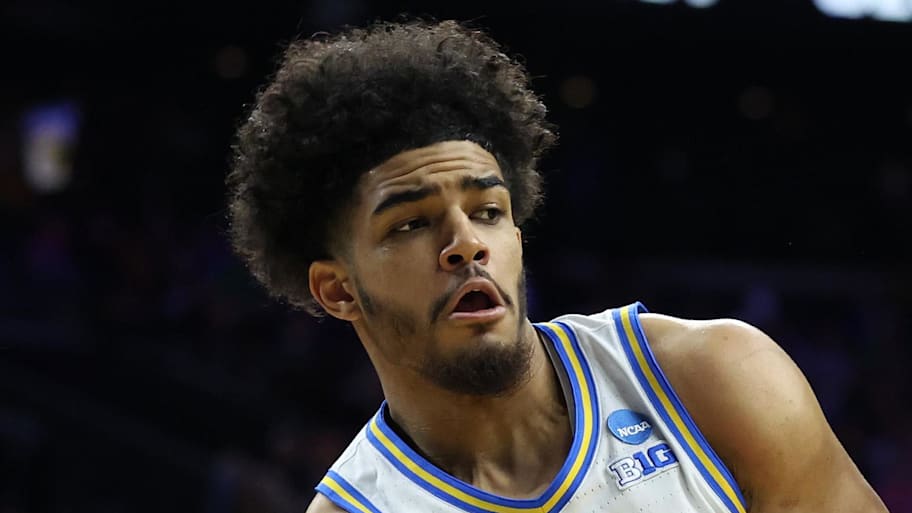
At the sophomore level, players like Markell Alston, Jaylen Petty, Eric Freeny, and Filip Jovic will play a major role. Petty, Freeny, and Jovic have already shown flashes as rotation players and should see expanded roles. Alston, meanwhile, will likely continue developing in a reserve role.
Incoming freshmen Joe Philon and Javonte Floyd add even more upside. While their immediate impact is uncertain, both project as potential future starters if they develop as expected. Next season, both players need to find minutes to fast-track their development.
Concerns
When evaluating UCLA’s roster as a whole, there is not much to question. The Bruins have strong depth in the frontcourt, and the guard room is steadily improving. On paper, UCLA has all the pieces needed for sustained success in the Big Ten.
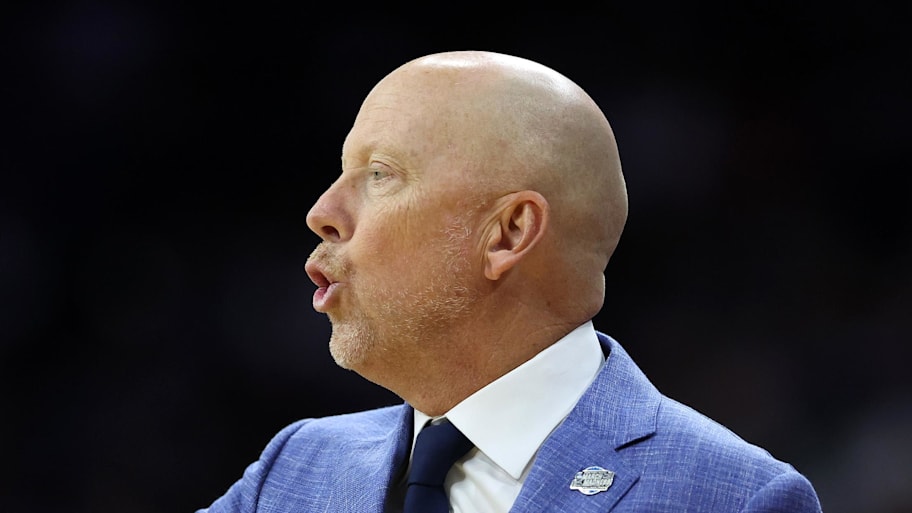
The biggest variable, however, remains the transfer portal. If UCLA is unable to translate roster building into wins, it could impact both player retention and future recruiting — while also increasing pressure on Mick Cronin.
Looking ahead, UCLA’s championship window may be widest in two years. By then, players like Petty, Jovic, and Perry should be nearing their peak, and the program will have had additional time to add talent through future recruiting and portal cycles.
The bottom line is that UCLA must find a way to sustain success. The college basketball landscape is evolving quickly, and without results on the court, building — and maintaining — a strong roster becomes much more difficult.
More must-reads:
- One must-watch player from each NHL team in the Stanley Cup playoffs
- Browns urged to make Jeremiyah Love blockbuster draft move after Andrew Berry comments
- The 'Multiple 200 three-pointer seasons' quiz
Breaking News
Trending News



Customize Your Newsletter
 +
+




Get the latest news and rumors, customized to your favorite sports and teams. Emailed daily. Always free!
PRIVACY POLICY COOKIE POLICY CONTACT US
ABOUT YARDBARKER TERMS OF SERVICE


By using this site, you agree to our Terms of Service and Privacy Policy.
This site is for entertainment purposes only.
There is no gambling offered on this site.
Gambling Problem? Call 1-800-Gambler.
