
-

-


Follow Us
-

 On Facebook
 On Flipboard
 On Twitter
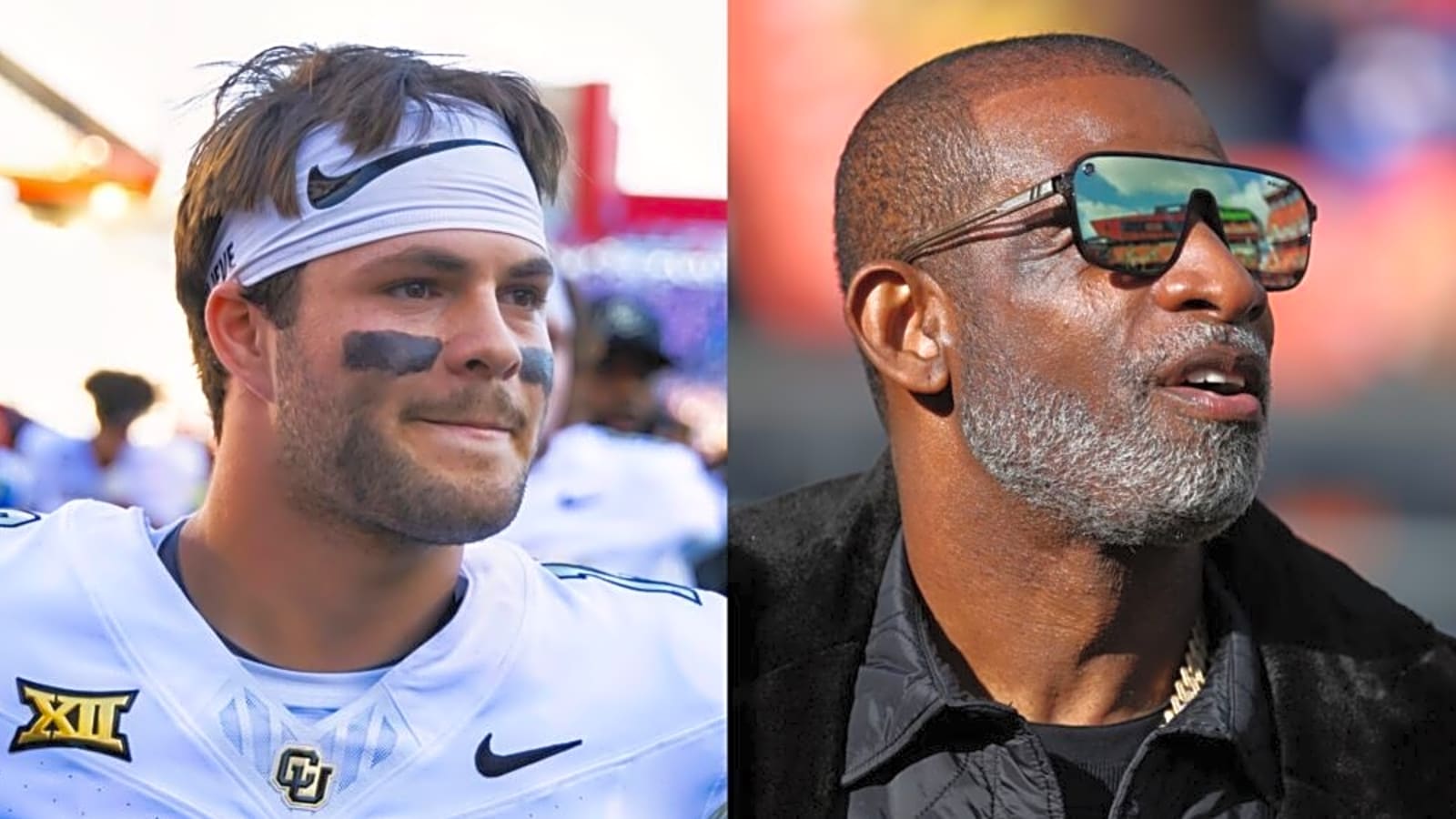
Deion Sanders is one of those figures you either love or criticize—but ignoring him is nearly impossible. That constant spotlight is exactly why Colorado continues to dominate media attention.
On paper, the Buffs’ roster often looks loaded with talent. But when the season begins, that promise hasn’t consistently translated into on-field results. As a result, Sanders frequently finds himself under scrutiny—not just from analysts, but even from former players.
Recently, ex-Colorado quarterback Ryan Staub took an indirect shot by praising the culture at Tennessee Volunteers football under Josh Heupel. His remarks hinted at what Tennessee offers that Colorado might be lacking, subtly questioning Sanders’ system.
However, such comments rarely go unanswered within the Buffs circle. The pushback finally arrived when Nate Oats stepped in, forcefully defending the program and challenging the narrative.
“When I was in Dallas Cowboys, the one thing I can tell you that we did more than any other team ever did is we made it a point to spend time, off-the-field, out of the building, getting to know each other. Now, coaches, we can’t do that. That involves players understanding that they want to achieve something elite.”
Whether or not Oats directly intended to target Ryan Staub, his response clearly served as a strong counter to the narrative. While the former Colorado Buffaloes football player openly praised the culture at Tennessee Volunteers football under Josh Heupel, Oats’ remarks reinforced the idea that Sanders has built a coaching staff capable of establishing its own identity and culture.
Did Ryan Staub Lose Out or Level Up by Leaving Deion Sanders?

It’s often said that the NIL era has reduced player loyalty, but that narrative is oversimplified. Players switch programs not just for money, but for opportunity, development, and long-term fit. In the case of Ryan Staub, the move likely reflects a decision centered on his future rather than just financial gain.
That naturally raises the debate—did Staub make the right call? And is Josh Heupel a better option than Deion Sanders?
From a team success standpoint, Tennessee under Heupel may appear ahead. However, that same strength creates a challenge—competition. The depth in Tennessee’s quarterback room creates a challenging path for Staub to secure consistent opportunities.
On the other hand, at Colorado, Sanders has built a reputation for giving players real opportunities. He’s often prioritized player exposure and development—even at the cost of short-term results. That approach can be risky, but it also opens doors for athletes who might otherwise remain on the bench.
So while Tennessee may offer structure and success, Colorado offered opportunity and visibility. Staub’s move might give him access to a stronger program environment, but it could also limit his chances on the field—something Coach Prime may have been more willing to provide.
More must-reads:
- Trump's executive order could have big impact on current college sports landscape
- Lakers' Austin Reaves out for remainder of season
- The 'NCAA men's basketball champions' quiz
Breaking News
Trending News







Customize Your Newsletter
 +
+




Get the latest news and rumors, customized to your favorite sports and teams. Emailed daily. Always free!
PRIVACY POLICY COOKIE POLICY CONTACT US
ABOUT YARDBARKER TERMS OF SERVICE


By using this site, you agree to our Terms of Service and Privacy Policy.
This site is for entertainment purposes only.
There is no gambling offered on this site.
Gambling Problem? Call 1-800-Gambler.
