
-

-


Follow Us
-

 On Facebook
 On Flipboard

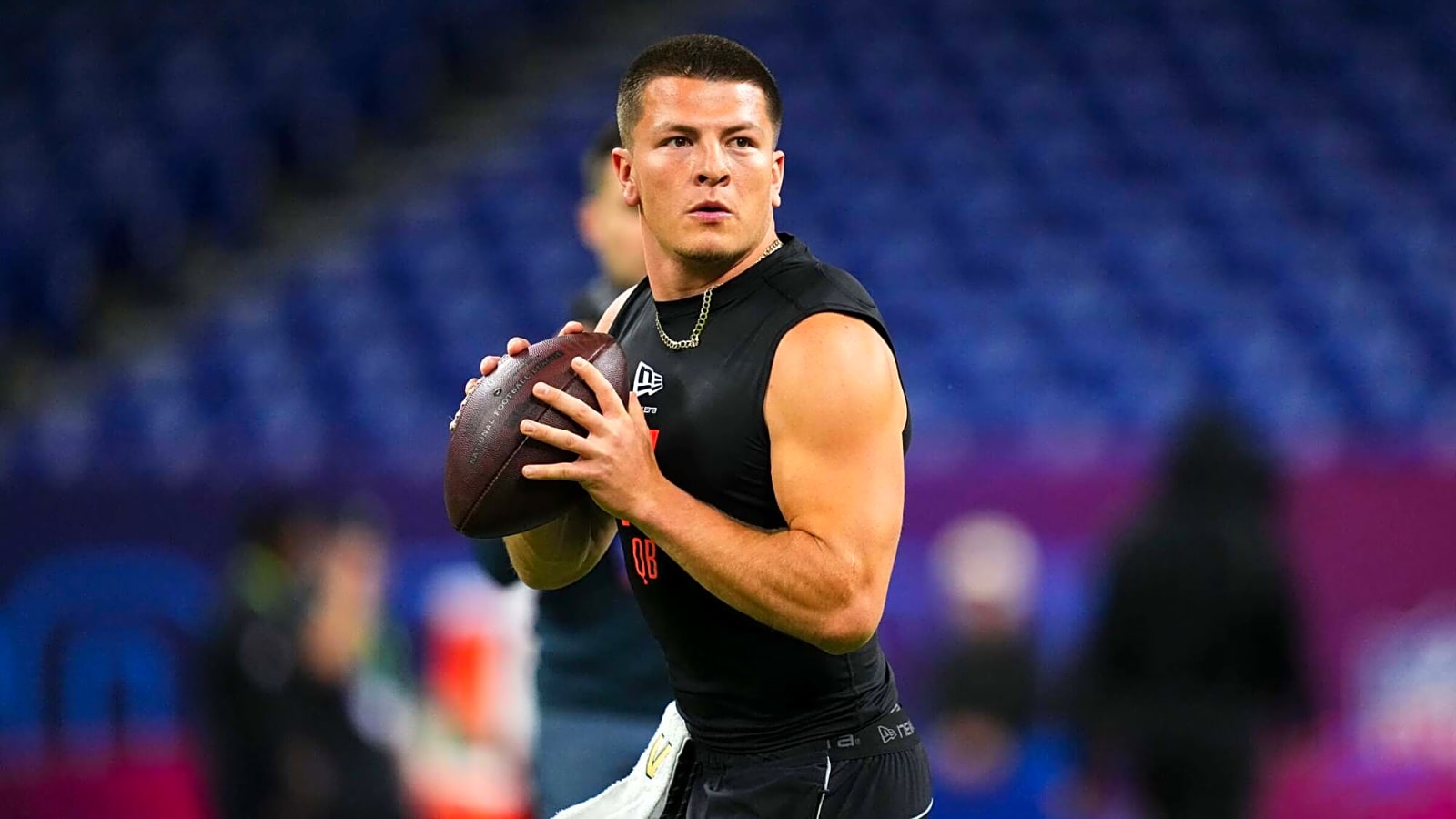
Diego Pavia did not need a normal quarterback room. He needed one with a locked-in superstar, a movement-based offense, and enough organizational security to treat his confidence as fuel. The Baltimore Ravens give him that. Pavia still faces a narrow roster path, but this is the NFL landing spot that makes his strange post-draft story feel logical.
Baltimore changed the meaning of Pavia’s opportunity
The Ravens did more than hand Pavia a rookie minicamp look. They signed him to a three-year undrafted free agent deal before that tryout process played out, which at least puts him inside the building with a real offseason chance.
That does not make him safe. Pavia is fighting for a developmental role, a QB3 job, or a practice squad spot. The important part is that Baltimore had enough interest to secure him before another team could turn the tryout into something more.
That matters because his draft weekend was strange. He finished second in Heisman voting, produced like one of the most accomplished quarterbacks in the country, then watched seven rounds pass without hearing his name.
The NFL told Pavia what it thought of his size, profile, and backup quarterback projection. Baltimore told him there was still enough football there to explore.
The production deserved an NFL building
Pavia’s 2025 season at Vanderbilt should have carried more weight than it did. He threw for 3,539 yards, totaled 39 touchdowns, and helped push Vanderbilt into a season the program had rarely looked capable of producing.
That is the part that gets lost when the conversation turns into height, attitude, and whether he looks like a backup quarterback. Pavia won at New Mexico State. He won at Vanderbilt. He dragged difficult jobs into relevance.
There are fair concerns. He measured just over 5-foot-10. His pro day 40 time sat in the 4.76 to 4.83 range. His arm is not special by NFL standards, and his pocket vision will be challenged by bigger, faster defensive fronts.
Those concerns explain why he fell. They do not explain why the league almost let him sit completely outside the process.
The backup question made his market harder
The real issue was always going to be role acceptance. Tom Pelissero’s draft-weekend explanation on Pavia’s team interviews framed the concern clearly. Teams wanted to know how he would handle entering the league as a backup. Pavia’s answer came across as a player arriving to take somebody’s job.
That answer sounds great from a college starter. It sounds complicated from an undrafted rookie trying to enter an NFL quarterback room.
Backup quarterbacks live in a different world. Teams want preparation, competitiveness, and calm. They want someone who can push the starter during the week without turning every practice rep into a headline.
That is why Baltimore is different. Lamar Jackson’s job is not vulnerable. Pavia can compete as hard as he wants, and no serious person will pretend that an undrafted rookie is creating pressure on Jackson.
The Ravens can use his confidence properly
Pavia’s edge would feel more complicated in a shaky quarterback room. In Baltimore, it can become useful. The Ravens already build around movement, quarterback run stress, and off-script creation. That gives Pavia a better schematic starting point than he would have in a static pocket offense.
The room also has structure. Jackson is the franchise. Tyler Huntley gives Baltimore a veteran backup who understands the system. Joe Fagnano, another undrafted rookie, gives Pavia direct competition for developmental reps after signing his own deal with the Ravens.
That setup gives Baltimore options. Pavia can be evaluated as a scout-team problem, a practice squad project, and a developmental competitor without the team needing him to become something immediately.
That is the right environment for a quarterback like this. He needs pressure, but not chaos. He needs competition, but not a fake controversy. He needs a staff willing to measure what he does well instead of only grading what he lacks.
Pavia still has to adjust
The path is still thin. He has to show he can operate like a professional backup, take coaching, protect the ball, and make his competitiveness useful inside a team structure.
That is the growth point. Pavia cannot win an NFL job on college résumé alone. He has to prove that his confidence comes with preparation, humility, and enough accuracy to function when the easy plays disappear.
Still, Baltimore was the right swing. The Ravens did not need to sell him a fantasy. They gave him a real chance in a room secure enough to handle his personality and creative enough to test his skill set.
Pavia went undrafted because the league saw too many complications. The Ravens signed him because the complications are easier to manage in Baltimore. That is why this opportunity fits better than it probably should.
More must-reads:
- Sabres continue historic season with first playoff series win in 19 years
- Russell Wilson may reject Jets via career-altering decision
- The 'Playoff scoring record by team' quiz
Breaking News
Trending News




Customize Your Newsletter
 +
+




Get the latest news and rumors, customized to your favorite sports and teams. Emailed daily. Always free!
PRIVACY POLICY COOKIE POLICY CONTACT US
ABOUT YARDBARKER TERMS OF SERVICE


By using this site, you agree to our Terms of Service and Privacy Policy.
This site is for entertainment purposes only.
There is no gambling offered on this site.
Gambling Problem? Call 1-800-Gambler.
