
-

-


Follow Us
-

 On Facebook
 On Flipboard
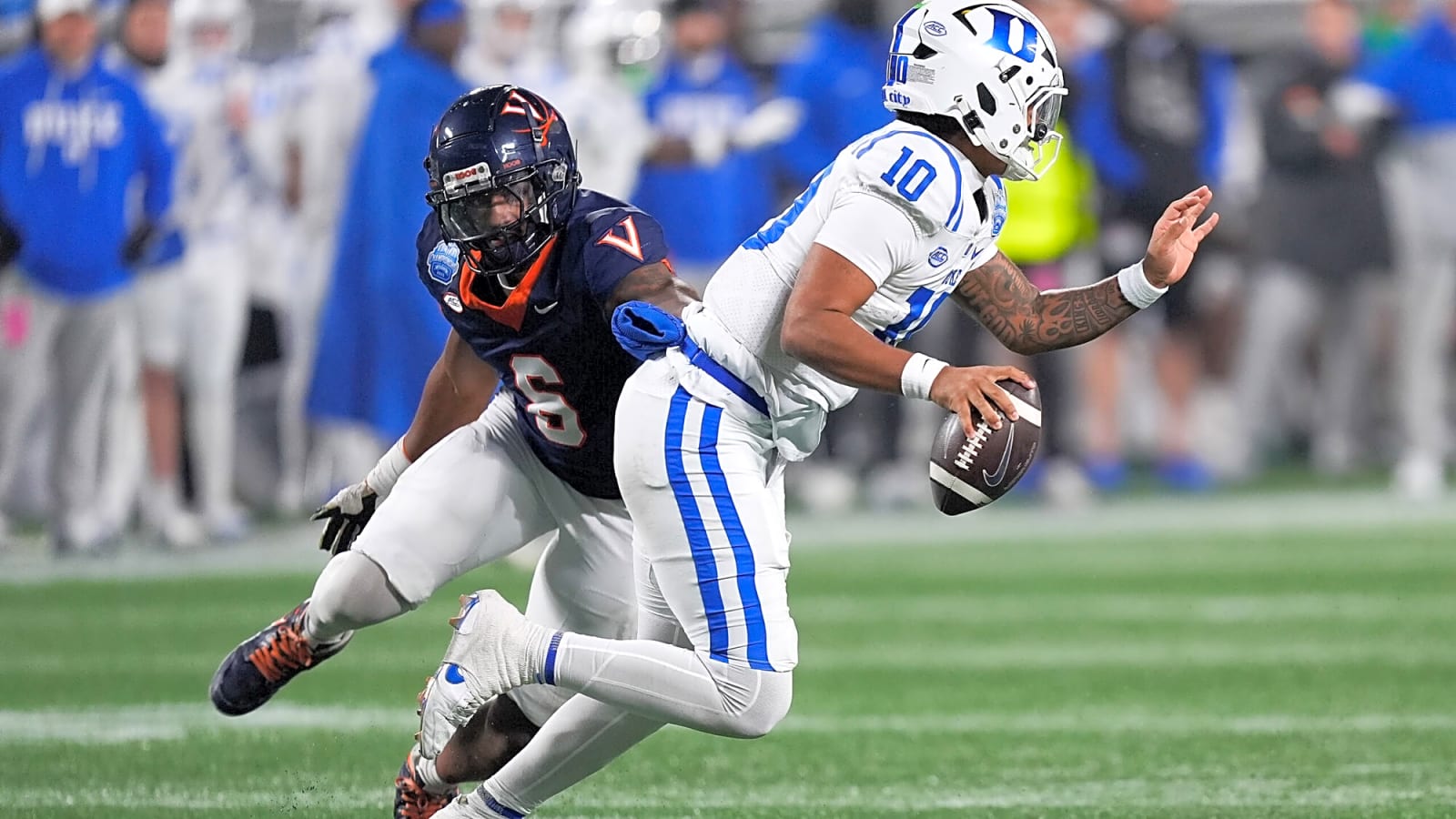
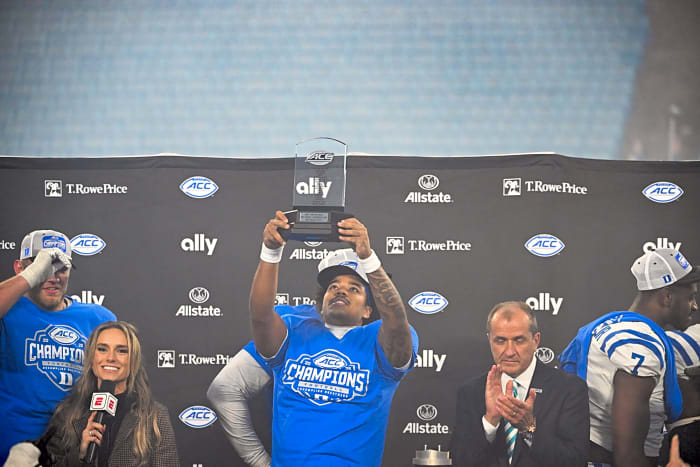
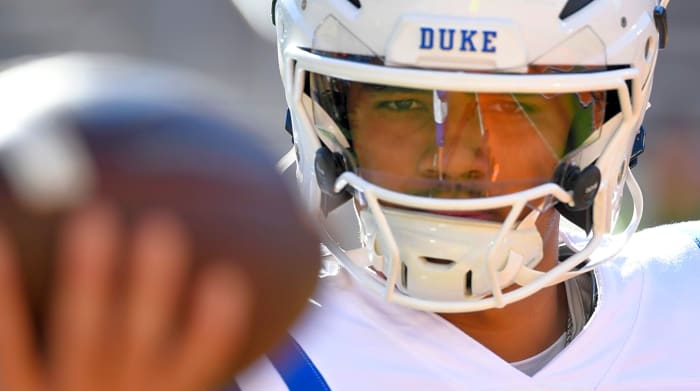
Fourth down. Overtime. Confetti loaded in the cannons. The Duke quarterback found his receiver for a one-yard touchdown against No. 16 Virginia, and a program that hadn’t won an outright ACC championship since 1962 stormed the field. Sixty-three years of waiting, erased on a single throw. The quarterback who delivered it stood at the center of the pile, arms raised, program savior. That was early December. By mid-January, he’d announced his exit on social media, hours before the transfer portal slammed shut at midnight.
The Promise That Lasted 27 Days
Darian Mensah told the world on December 19 he was coming back to Duke. He’d weighed the NFL draft, considered his options, and chose loyalty. The man had just thrown for 3,973 yards and 34 touchdowns against only 6 interceptions. He was the ACC’s best quarterback on the ACC’s most improbable champion. Then came Friday, January 16, hours before the portal window closed. Mensah reversed everything. Duke filed a lawsuit. Miami emerged as the expected favorite to land him.
A 15-Day Avalanche
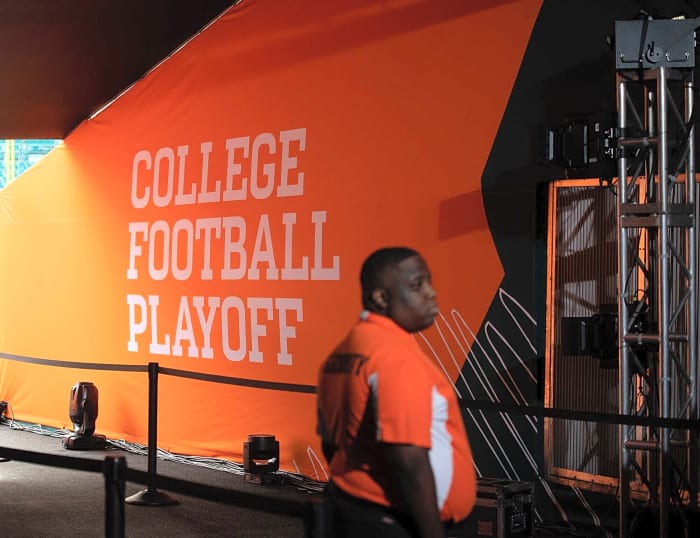
The NCAA eliminated both the December and April transfer windows in 2026, compressing everything into a single 15-day period from January 2 through January 16. Nearly 200 FBS quarterbacks entered the portal during that stretch. More than 6,700 Division I players total. The old assumption was that this portal gave mid-tier programs a fair shot at elite talent, a competitive equalizer. Group of Six schools retained only 25.8% of their first-team all-conference quarterbacks. Power Four programs kept 81.8%. Fair shot looks different from the numbers.
The One-Way Valve
Mensah’s reversal wasn’t a personal betrayal. It was a rational response to a system where championship loyalty became economically irrational. Top returning quarterbacks commanded $3 to $5 million in NIL packages. Brendan Sorsby’s Texas Tech deal reportedly surpassed $5 million. Sam Leavitt carried a $3.1 to $4 million valuation before committing to LSU. Ninety percent of departing elite Group of Six quarterbacks moved to Power Four programs. The talent flowed one direction. Upward. Always upward. The portal didn’t create a marketplace. It created an extraction pipeline.
The System Behind the Chaos
In 2026, waiting meant earning nothing while a starting job at another program paid seven figures. The compressed window eliminated spring options entirely, forcing every decision into two weeks. Programs with capital ready to deploy won. Programs still budgeting lost their best players before the paperwork cleared.
Numbers That Expose the Divide
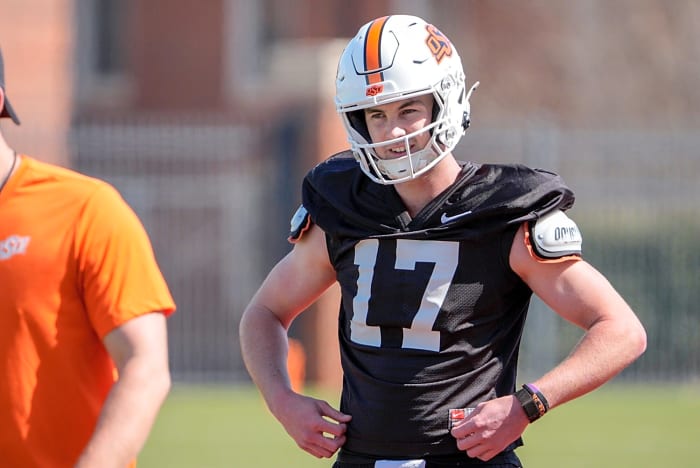
The Big Ten and SEC retained 97.4% of their top players. The ACC and Big 12 kept 56.8%. Group of Six conferences watched three-quarters of their best quarterbacks walk out the door. Drew Mestemaker led all FBS quarterbacks with 4,379 passing yards as a redshirt freshman at North Texas, the second-most by a freshman in FBS history. Five of six quarterbacks on the Group of Five All-American teams entered the portal. Oklahoma State alone poached 15 players from North Texas in a single cycle.
The Ripple Nobody Mentions
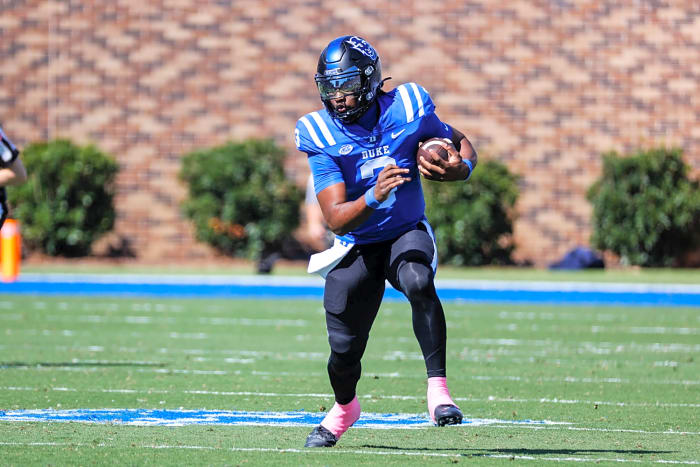
Duke’s backup, Henry Belin IV, had already departed to Missouri State. Mensah’s exit left the program that just won its first outright ACC title in 63 years scrambling for a quarterback. West Virginia brought in 75 newcomers, 27 through the portal, dismantling institutional depth in one offseason. Over 1,200 unsigned FBS scholarship players remained in the portal database into late January. Every celebrated acquisition by Miami, LSU, or Texas Tech simultaneously gutted the program left behind. That cost never appears in the highlight packages.
The New Rule, Not the Exception
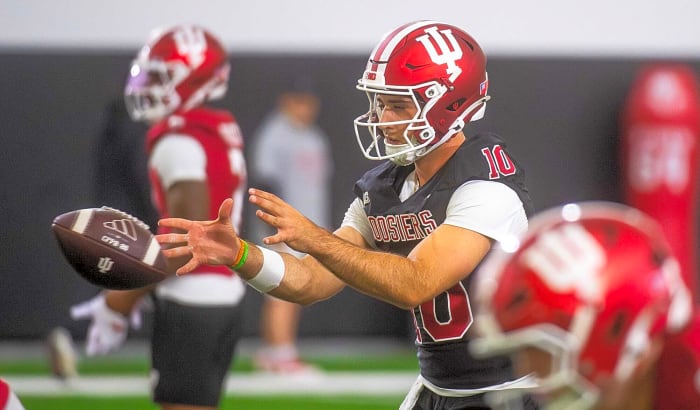
Josh Hoover left TCU for Indiana and became college football’s leading returning passer with 9,629 career yards. Jaden Craig broke Harvard’s all-time passing records, then jumped to TCU as a graduate transfer. The Group of Six now functions as a farm system for Power Four programs. Once you see that pattern, every future portal cycle looks the same: talent rises, money pulls, loyalty evaporates.
What Holds and What Breaks
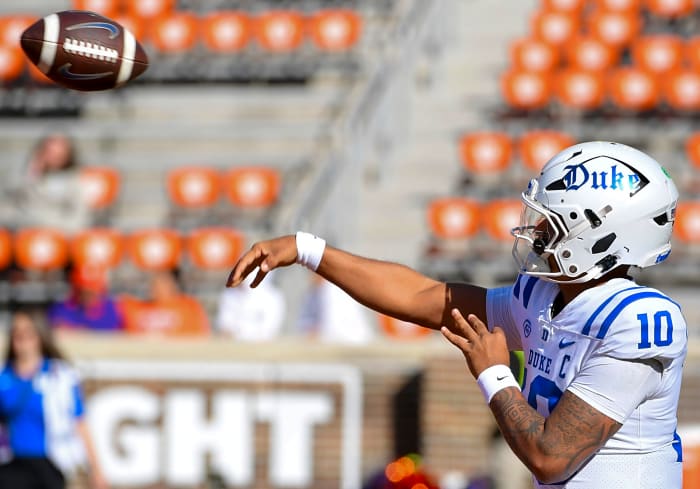
Duke’s lawsuit against Mensah tested a legal boundary no program had pushed before. If courts enforce prior commitments, portal mobility gets capped. If Duke loses, every future pledge becomes decorative. Meanwhile, repeat transfers face diminishing market value after a second move, creating a micro-tier system where the portal’s own veterans get punished for using the mechanism that made them valuable. Programs may respond with longer, more restrictive NIL contracts, trading flexibility for security in a system that rewards neither.
The Fan Left Holding the Jersey
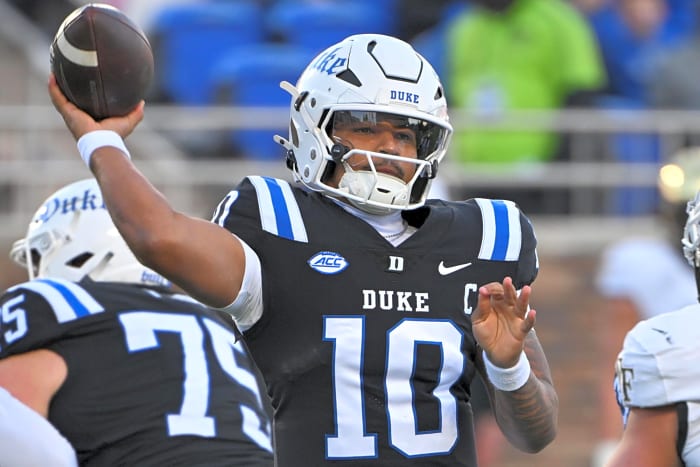
Sorsby’s Texas Tech deal positioned him to help the program defend its Big 12 championship. Leavitt chose LSU over visits to Miami, Tennessee, and Kentucky. Mensah landed at Miami. The winners celebrated. But knowing the retention rates, the NIL tiers, and the portal churn reveals something most fans haven’t processed yet: the quarterback wearing your team’s jersey next fall is renting the logo, not representing it. Programs that understand portal mechanics as a bidding war survive. Programs still selling loyalty as a recruiting pitch are already losing their next starter.
Editor’s note: Since the events described in this article, President Trump signed an executive order on April 2, 2026 targeting college athletics, including transfer portal rules and player eligibility. Future portal cycles may be affected.
Sources
“NCAA Adopts Jan. 2-16 Transfer Portal Window for FBS, FCS in ’26.” ESPN, Oct 2025.
“College Football’s 2026 Transfer Portal Data Highlights Retention Gap Across Conferences.” CBS Sports, Mar 2026.
“200 FBS Quarterbacks Went Into Portal, and the Best Ones Came Out With Promises of Big Pay.” Fox Sports, Jan 2026.
“Duke Sues Darian Mensah After QB Enters Portal.” Front Office Sports, Jan 2026.
“Quarterback Darian Mensah Returning to Duke Next Year.” ESPN, Dec 2025.
More must-reads:
- Bryson DeChambeau hopes to use 3D-printed club he made himself at 2026 Masters
- Fernando Mendoza makes an emotional decision about NFL Draft
- The 'Most games played by MLB team' quiz
Breaking News
Trending News




Customize Your Newsletter
 +
+




Get the latest news and rumors, customized to your favorite sports and teams. Emailed daily. Always free!
PRIVACY POLICY COOKIE POLICY CONTACT US
ABOUT YARDBARKER TERMS OF SERVICE


By using this site, you agree to our Terms of Service and Privacy Policy.
This site is for entertainment purposes only.
There is no gambling offered on this site.
Gambling Problem? Call 1-800-Gambler.
