
-

-


Follow Us
-

 On Facebook
 On Flipboard
 On Twitter
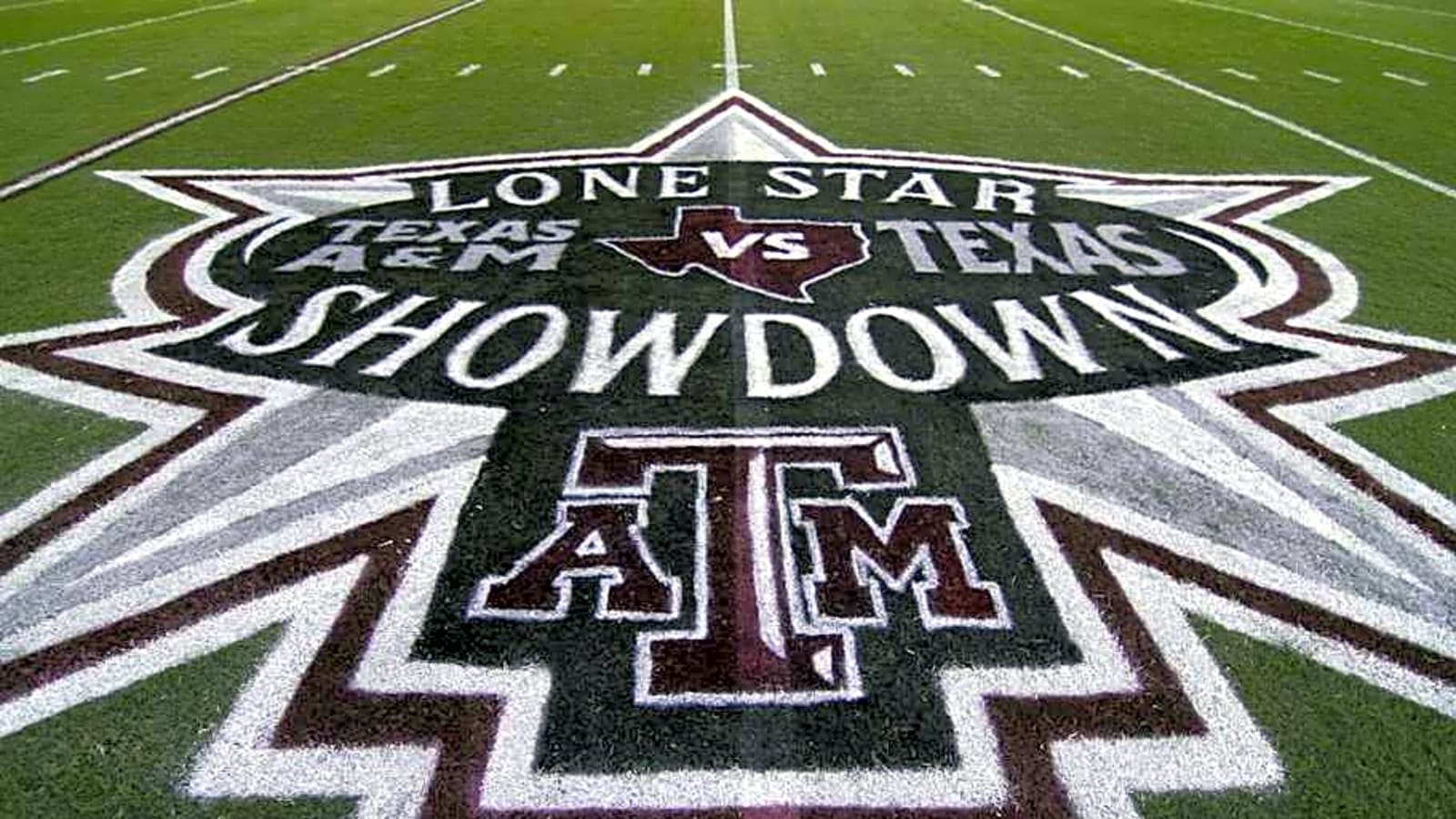
Urban vs. Rural. Innovation vs. Tradition. The Big City vs. The Small Town. Hook ‘em vs. Gig ‘em. Longhorns vs. Aggies. More than a century of rivalry has transformed this matchup into a reflection of the state’s deepest divides and shared passions.
The first meeting on the gridiron came in 1893, but the argument over which school is the true flagship of Texas has been raging long before and long after the opening kickoff.
On Friday night, Episode Two of the reborn Lone Star Showdown takes center stage. A&M arrives in Austin with a chance to finish an undefeated season and punch its ticket to the SEC Championship. Texas, on the other hand, needs a win to keep their playoff dream alive.
To understand what’s coming, you have to understand what built it. Here's a full breakdown of how the greatest rivalry in the Lone Star State became what it is today.
The Beginning of Bad Blood
The first matchup between A&M and Texas came Oct. 19, 1894, in Austin, and the Longhorns didn’t waste time asserting dominance. A 38-0 beatdown that set the tone for the early years of the rivalry. The next meeting in October 1898 wasn’t any better for the Aggies, ending 48-0.
The opening chapter of the rivalry wasn’t a battle; it was total domination by the team from Austin. Texas won the first eight meetings, and A&M didn’t score a single point until the ninth matchup. For a while, it didn’t feel like a rivalry at all. Until A&M began winning in the late 1900s.
The First Hiatus (1911-1915)
In a similar fashion to a neighborhood kid getting mad, grabbing the ball, and storming home, Texas refused to play from 1911–1915, accusing A&M of being “too dirty.”
Ironically, A&M won three consecutive games from 1908 to 1910, outscoring Texas 42-8 in the process.
It wouldn’t be long until fate would bring these two hated programs back together, this time under an organized conference.
Enter the Southwest Conference
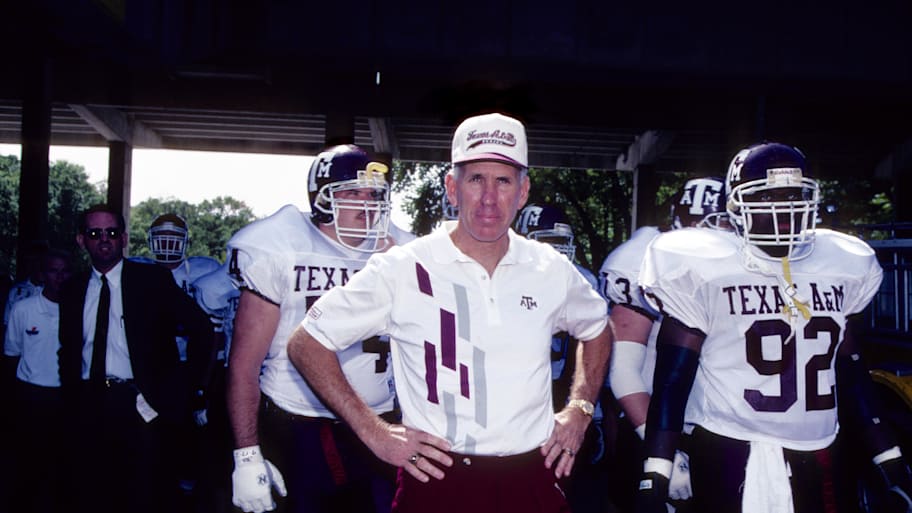
Once both schools entered the Southwest Conference in 1915, the Thanksgiving tradition took off, alternating homes each year. The game soon became a state-wide event: families eating Thanksgiving dinner together with the Lone Star showdown on the living room TVs.
The Origins of Bevo
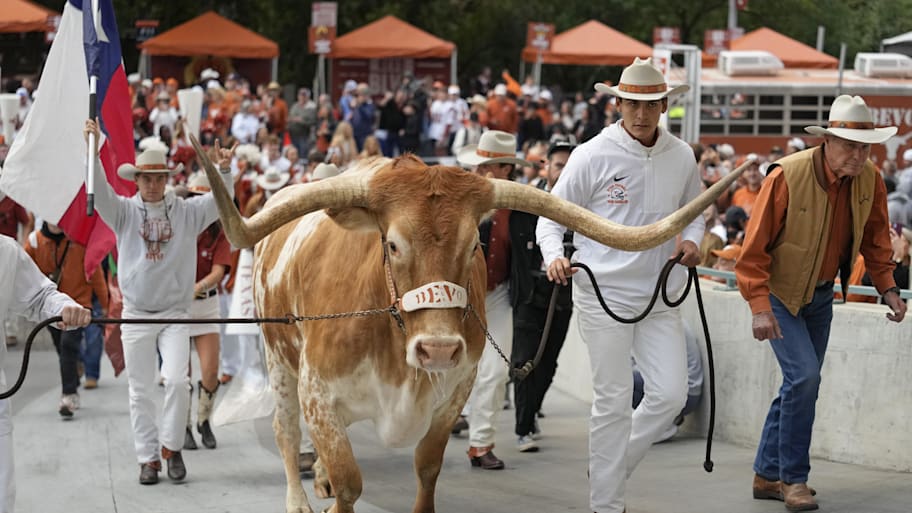
Perhaps the most famous mascot in all sports, Bevo’s story started in College Station.
According to the lore, a group of Aggies snuck into the barn where the steer was housed and branded “13–0” onto its side, the score of A&M’s win over Texas in 1915. The prank became an instant piece of college football mythology and escalated the tension between the two schools for decades.
Texas, faced with a literal scoreboard burned into the hide of its new mascot, improvised and came up with a solution. They altered the numbers and letters into what eventually spelled:
B-E-V-O
And just like that, the most famous mascot in the sport had an origin story built on rivalry.
Bevo belongs to Texas. But without A&M, there might not have ever been a Bevo.
And the Aggies weren’t the only ones stirring the pot. The Longhorn faithful logged their fair share of pranks too.
Rivalry = Chaos
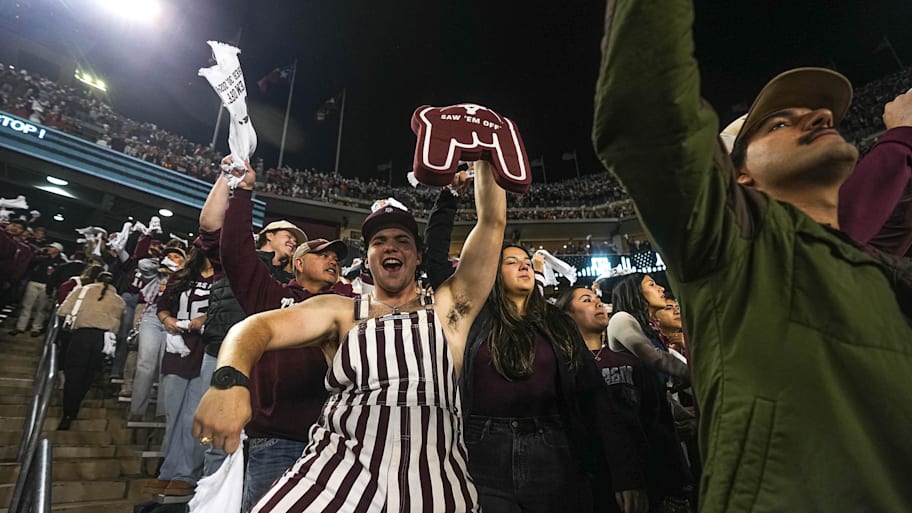
1933: Texas students tried to sneak into College Station and light the Aggie Bonfire early, only to be stopped by the Corps of Cadets.
1948: Texas students borrowed a plane, flew over A&M’s campus, and attempted to drop gasoline and flares to ignite the bonfire again. They failed, but it permanently cemented the rivalry as one of the wildest in college athletics.
The On-Field Power Swings
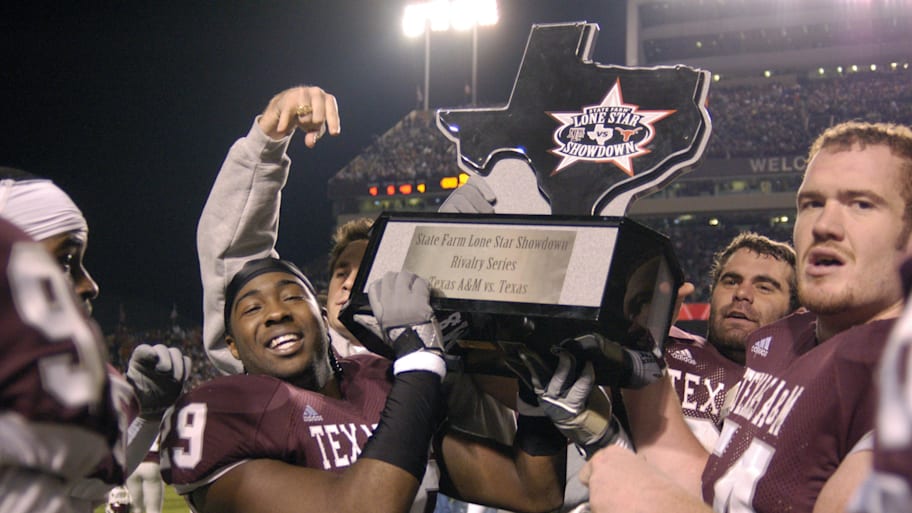
The beauty of the rivalry is that both programs have had their eras.
1940–1983 — Texas runs the state
Texas dominated the mid-century stretch, going 36-7-1 against the Aggies and ripping off 10 straight wins from 1957–1966. This is the period where Texas became a “blue-blood” program.
1984–1994 — The Aggie Reckoning
Then came payback. A&M flipped the script with six straight wins from 1984–1989 and 10 wins in 11 matchups from 1984–1994.
1995–2005 — Texas regains control
Texas answered with nine wins in 11 games, never allowing A&M consecutive wins during this stretch.
Late 2000s — Horns close the SEC chapter
Before realignment split the rivalry, Texas won three of the final four games, with the last one ending in heartbreak for A&M. A moment burned into both fanbases’ memories: Justin Tucker’s walk-off field goal sealed the final Lone Star Showdown before the Aggies left for the SEC.
Episode Two: Lone Star Showdown 2025
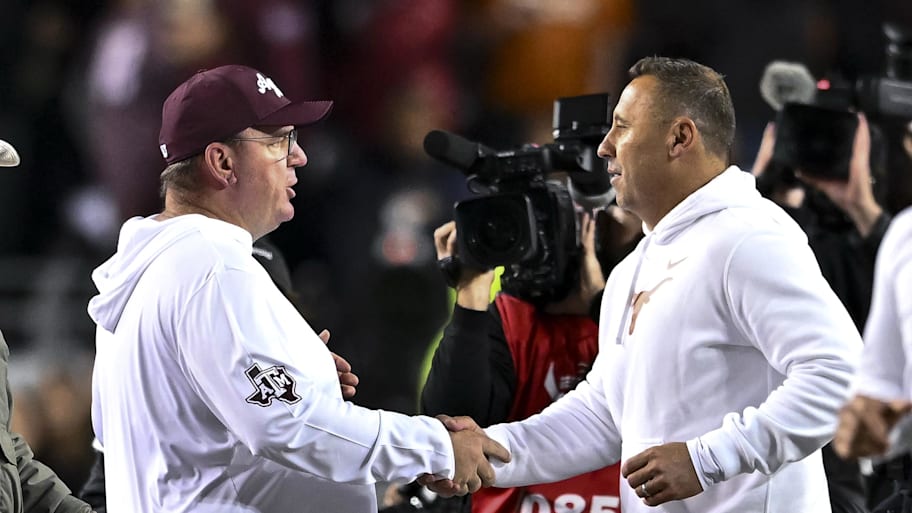
New characters will be in play in this edition of the rivalry. Marcel Reed vs Arch Manning. Taurean York vs. Anthony Hill Jr. Rueben Owens vs. Quintrevion Wisner. Cashius Howell vs. Colin Simmons. KC Concepcion vs Ryan Wingo. Mike Elko vs. Steve Sarkisian.
New faces, same hate.
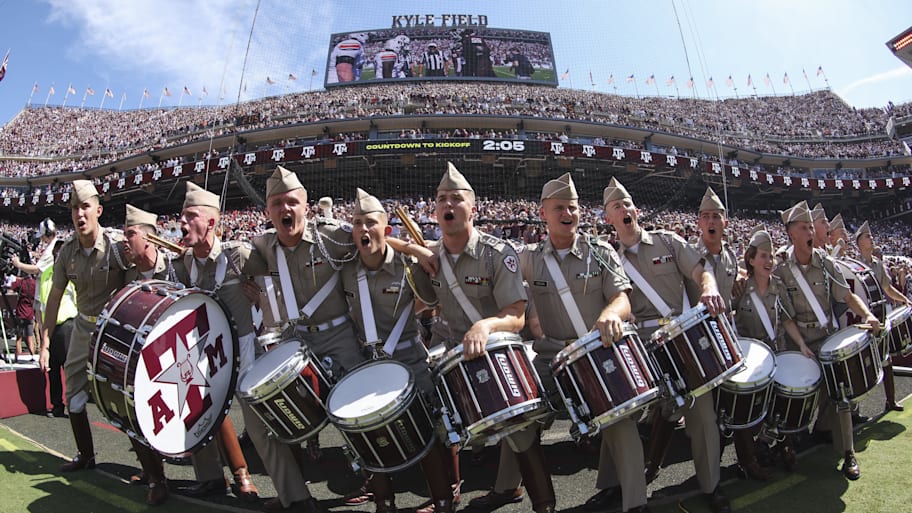
After falling 17–7 to Texas at Kyle Field in last year’s finale, the Aggies head to Austin looking to return the favor.
A win would cap off an undefeated regular season, punch A&M’s ticket to the SEC Championship, and shut the door on Texas’ playoff hopes in front of 100,000 Longhorn fans.
So the stage is set:
Can the Aggies take back control of the rivalry and finish a perfect season? Or will the Longhorns make it two in a row and keep the bragging rights in Austin?
Only one school gets to claim the Lone Star state. Who will it be?
More must-reads:
- Trump's executive order could have big impact on current college sports landscape
- Lakers' Austin Reaves out for remainder of season
- The 'NCAA men's basketball champions' quiz
Breaking News
Trending News






Customize Your Newsletter
 +
+




Get the latest news and rumors, customized to your favorite sports and teams. Emailed daily. Always free!
PRIVACY POLICY COOKIE POLICY CONTACT US
ABOUT YARDBARKER TERMS OF SERVICE


By using this site, you agree to our Terms of Service and Privacy Policy.
This site is for entertainment purposes only.
There is no gambling offered on this site.
Gambling Problem? Call 1-800-Gambler.
