If there’s one constant in Hollywood, it’s that nothing really stays the same for very long. A film that is beloved at the time of its release may, sometimes very quickly, become hated. Sometimes, this is because of something problematic that the actors or the director do, something that stains the entire film. At others, it’s because the film reflects a culture that is very different from the ones that succeed it. In both cases, movies become time capsules, reflecting just how much can change in the entertainment industry and society as a whole.
1 of 20
Star Wars Episode 1: The Phantom Menace
20th Century Fox via MovieStillsDB
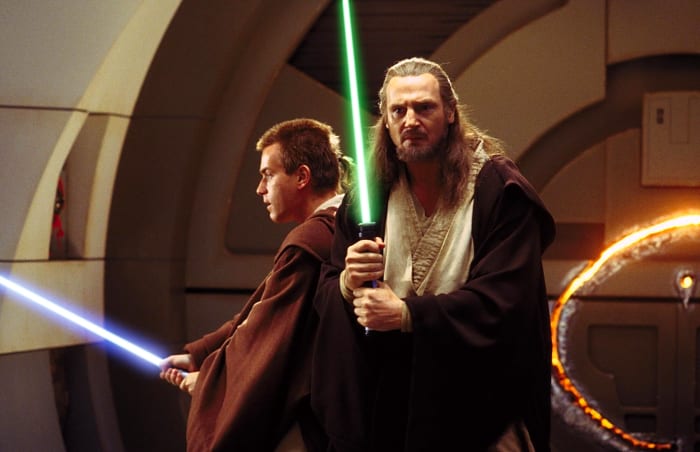
It’s impossible to overstate the excitement that greeted the release of The Phantom Menace, which breathed new life into Star Wars after several decades. However, it wasn’t long before the tide began to turn, and it soon came to be reviled by many in the fandom. As the years have gone by, however, the tide has begun to turn again and, perhaps because the sequel trilogy has been so divisive, The Phantom Menace has come under its fair share of reappraisal and is now seen as one of the better entries in the series.
20th Century Fox via MovieStillsDB
Fight Club wasn’t a huge box office success when it hit theaters in 1999, but it became something of a cult classic thanks to its success on home video. Though initially praised, it has since become a very divisive film, in part because it has been appropriated by those who didn’t realize its story, which seems to support quasi-fascism as an answer to the masculinity crisis of the end of the 20th century, is actually mocking men who indulge in this kind of behavior. It’s very much a movie that changes depending on one’s point of view.
Paramount Pictures via MovieStillsDB
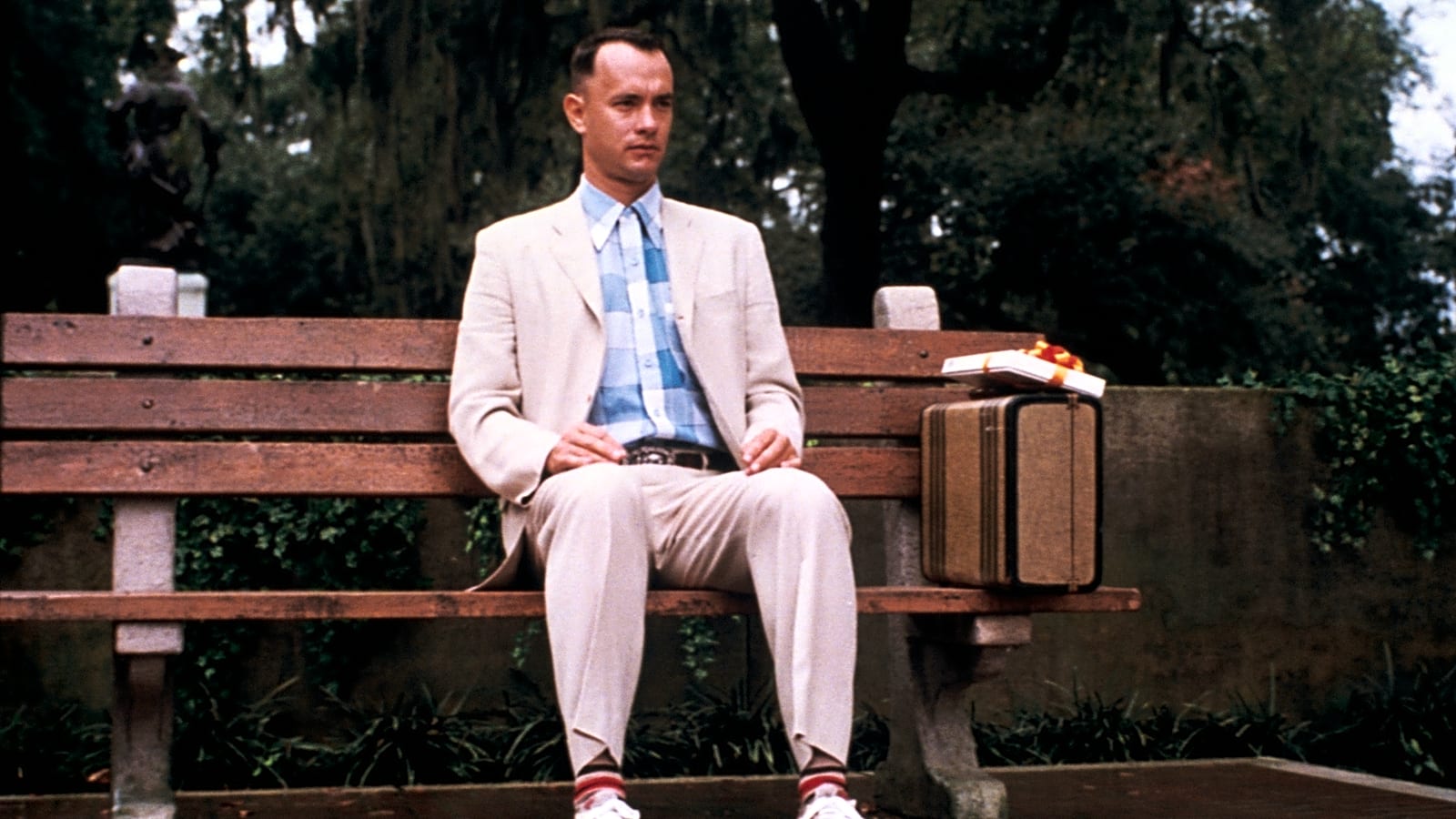
Forrest Gump is a movie that could only have been made in the 1990s. Its sentimental approach to its subject matter and its stance on everything from disability to the Vietnam War to race are all tinged with the sort of naive optimism one often associates with family movies of that decade. Though it was a darling when it came out, it’s since come to be seen as a bit of an embarrassment, and it’s hard not to see it as being just a little too earnest to be taken entirely seriously.
Focus Features via MovieStillsDB
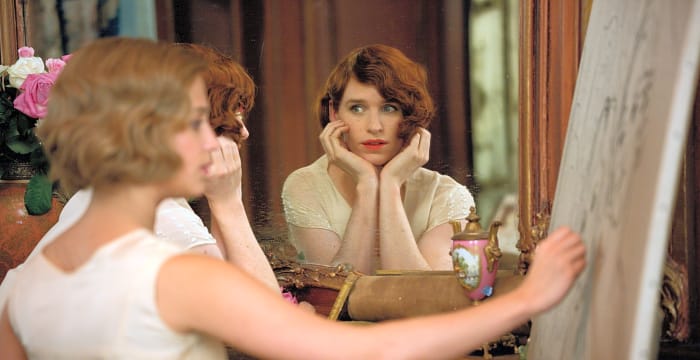
The Danish Girl was quite a hit when it was released, and its stars, Eddie Redmayne and Alicia Vikander, received a great deal of praise. Even at the time, however, there were those who faulted the filmmakers for hiring a cisgender man to play a transgender character, and the backlash has only grown in subsequent years. While it’s definitely one of Redmayne’s most notable performances, one still can’t help but wish the filmmakers had taken a bit more care when it came to casting.
Paramount Pictures via MovieStillsDB
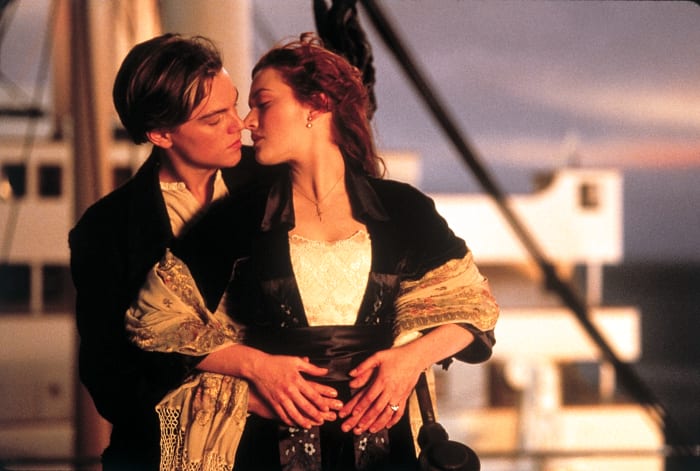
Titanic is one of those films that showed, once again, that James Cameron is in some ways a once-in-a-generation filmmaker. It was a phenomenon in every sense of the word, becoming a box office powerhouse and racking up numerous Oscar wins. Though it remains beloved by some, it’s also one of those films that has rather dimmed in popularity over the years, in part because it was just too popular for its own good and also because some of its logistics just don’t make that much sense.
Universal Pictures via MovieStillsDB
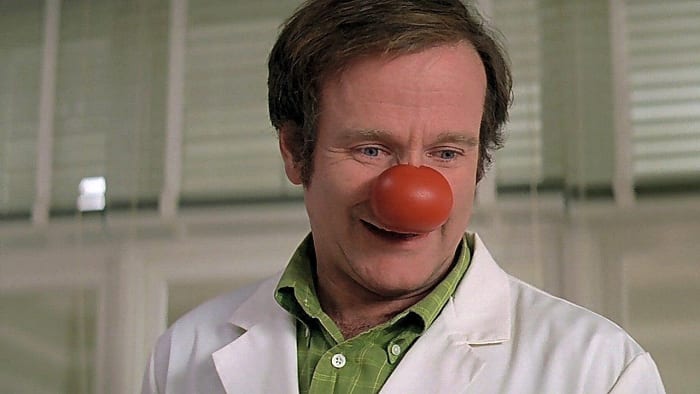
The 1998 film Patch Adams might not have been a hit with critics, but it certainly was with audiences. Its box office success can be attributed in large part to Robin Williams’ performance, and there’s no doubt that he is quite compelling and charismatic. However, the film has never quite shaken its dismal critical reputation, in no small part because the doctor on whose story it was based has been very open about hating the movie and how it ultimately bastardized his story.
Warner Bros via MovieStillsDB
Gravity is one of those films that tends to be very divisive. Though it was initially lauded, and while both director Alfonso Cuarón and the performances by George Clooney and Sandra Bullock were praised, it has since come to be seen in a more critical light. It’s hard to shake the feeling that at least some of this is because it was so beloved by so many critics that the pendulum would eventually have to swing back the other way, sooner or later.
Lionsgate via MovieStillsDB
Crash immediately earned its place in the Hollywood history books when it won Best Picture in 2005, particularly since the award was widely predicted to go to Brokeback Mountain instead. Though it received significant praise when it came out, the years since have not been especially kind, particularly since its win has been overshadowed by Brokeback’s enduring popularity and critical acclaim. It has since been seen as a largely safe and forgettable movie that did not deserve its Best Picture Oscar.
Pathé Distribution via MovieStillsDB
Rarely has a film gone from loved to hated so quickly as Emilia Perez did. There are many reasons why this was the case, ranging from the deeply problematic behavior of its star, Karla Sofía Gascón, to the director’s tone-deaf remarks about the film’s setting, to the way it handled its trans storyline. Though it was initially a critical darling and a very much part of Oscar conversations, the cascade of negative stories and press coverage all but ensured it would be hated, even though it did manage to notch two Oscar wins.
Warner Bros Pictures via MovieStillsDB
The Blind Side was a bit of a critical darling when it was released in 2009, even going so far as to earn Sandra Bullock an Oscar for Best Actress. However, the film has subsequently come to be seen in a much harsher light, both because of its tone-deafness regarding issues of race and because of Michael Oher’s accusations against the Tuohys. These days it is largely seen as a bit of embarrassing sentimentality that is both emotionally manipulative and perpetuates the pernicious white savior trope so prominent in popular culture.
20th Century Fox via MovieStillsDB
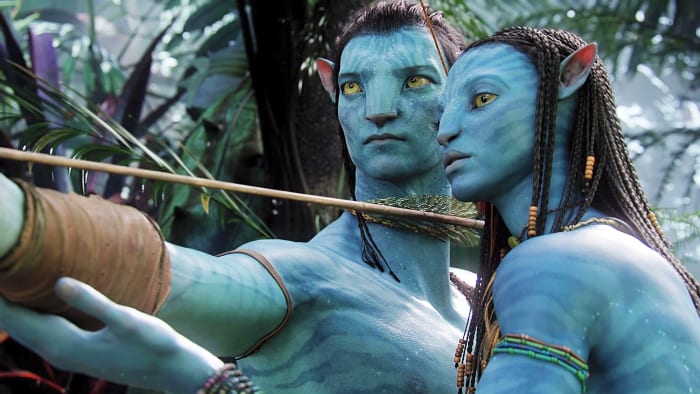
There’s no question that James Cameron’s Avatar is a visual triumph, and there’s a good reason it went on to become a box office smash. That said, it’s also a bit weak in the story department, and it’s essentially a retelling of Dances with Wolves, with several other basic elements thrown in from other movies. The film spawned its own franchise, but it’s safe to say the original has suffered a bit in the years since its release, and few people regard it as a truly great movie.
12 of 20
The Adventures of Milo and Otis
Toho via MovieStillsDB
Kids who grew up in the 1980s and 1990s were often introduced to what seemed to be a cute and cuddly movie about a cat and a pug who become friends and go through various adventures together. In subsequent years, however, it was revealed that the production relied on some deeply questionable, and at times downright abusive, methods in order to get certain scenes. These days it’s almost impossible to watch the movie without thinking about how much the animals suffered in order to bring it to the screen.
13 of 20
Driving Miss Daisy
Warner Bros via MovieStillsDB
Driving Miss Daisy was one of the most beloved movies of 1989, which helps to explain why it performed so well at the Academy Awards. It’s one of those movies, however, that has not aged particularly well and, as tends to be the case with movies from Hollywood’s past, much subsequent criticism has focused on its handling of race, particularly as Morgan Freeman’s character, Hoke Colburn, fits so easily into the subservient African American character that has for so long been a part of Hollywood’s set of stereotypes.
Samuel Goldwyn Films via MovieStillsDB
Morgan Spurlock’s documentary Super Size Me certainly had a major impact when it was released in 2004, particularly because it cast a very unflattering light on McDonald’s and the broader fast-food industry’s effects on America’s eating habits and overall health. The film’s reputation has suffered in the years since, both because Spurlock’s claims often lack support but also because, just as importantly, he was also drinking heavily at the time of its production, suggesting his claims lacked as much foundation as many had originally assumed.
15 of 20
Revenge of the Nerds
20th Century Fox via MovieStillsDB
Revenge of the Nerds is quintessential 1980s teen cinema, with its depiction of a jocks vs. nerds dynamic. While it was certainly enormously popular at the time, it has subsequently come under significant–and deserved–criticism for the way that it makes light of date rape and sexual assault. Such a flippant attitude was certainly typical of the Hollywood of the time, and the movie is a reminder of how far Hollywood, and American culture more generally, have come, as well as how far they have yet to go.
Legendary Pictures via MovieStillsDB
Christopher Nolan is undoubtedly one of his generation’s most visionary filmmakers, but it has to be said that not all of his films are quite as great as they could be. Interstellar, for example, is absolutely gorgeous to look at, but its story often feels more than a little hackneyed and at times downright implausible. In the years since its release, it has come to be seen as largely a product of style over substance, and it shows that even a great director can sometimes fall victim to their worst and most self-indulgent impulses.
Dreamworks Pictures via MovieStillsDB
American Beauty was certainly controversial upon its release, given that it focuses on a middle-aged man’s obsession with his daughter’s best friend. Its controversial subject matter has only become more so in the wake of allegations against Kevin Spacey regarding his own predatory behavior toward younger actors and younger men. This, combined with a general critical reappraisal of the movie’s other attributes, has made it significantly less popular than it was when it first hit theaters.
18 of 20
Star Wars: The Force Awakens
Walt Disney Pictures via MovieStillsDB
When Star Wars: The Force Awakens came out, it was greeted with significant enthusiasm, particularly since it saw the return of fan favorites like Han Solo, Chewbacca, and Princess Leia. Unfortunately, affection for the film and the sequel trilogy as a whole has cooled significantly over the years, in no small part due to the fact that much of the trilogy repeats plot points and indulges in far too much fan service. The Force Awakens, in particular, is almost a note-for-note repeat of A New Hope, and it increasingly seems like a wasted opportunity.
19 of 20
Gone with the Wind
Loew's Incorporated via MovieStillsDB
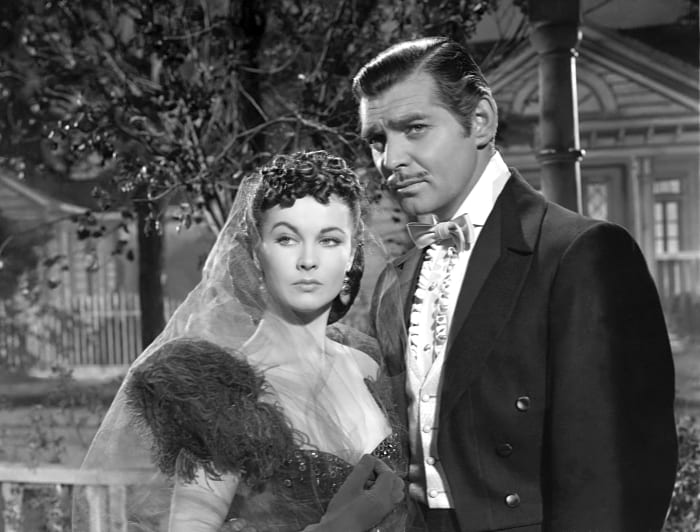
Gone with the Wind, like The Birth of a Nation, is very much a product of its time. Based on the novel of the same name by Margaret Mitchell, it takes a very rosy and laudatory view of the antebellum South, and its view of slavery is particularly grating by 21st-century standards. Thus, while it was inarguably beloved when it came out and for many decades afterward, it’s a movie that has slowly come to be seen less as a great work of cinematic art and more as a distressing relic of a very different era in American history.
20 of 20
The Birth of a Nation
Epoch Producing Company via MovieStillsDB
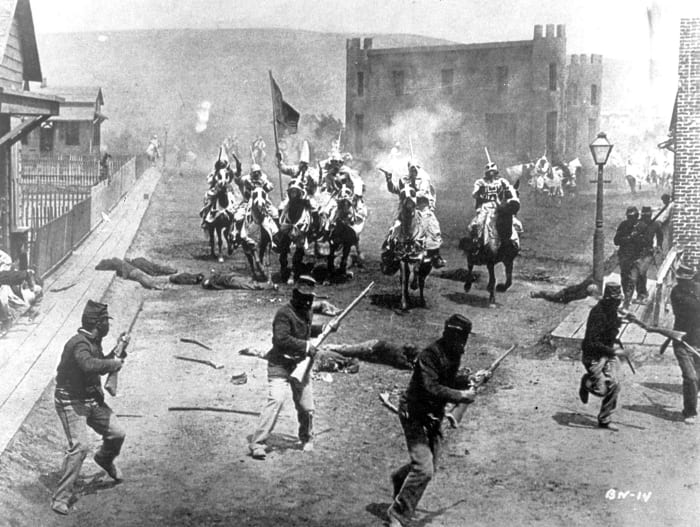
D.W. Griffith is arguably one of the most controversial figures in Hollywood history. Despite the fact that his films were groundbreaking for the industry, his reputation has been irreparably damaged by his film The Birth of a Nation, which paints the Ku Klux Klan in a very positive light and makes no apology for its racism. Though the film was wildly popular during its initial run, it has subsequently come to be seen as something of an embarrassment, if a remarkably influential one.





 On Facebook
 On Flipboard









 +
+






