
-

-


Follow Us
-

 On Facebook
 On Flipboard
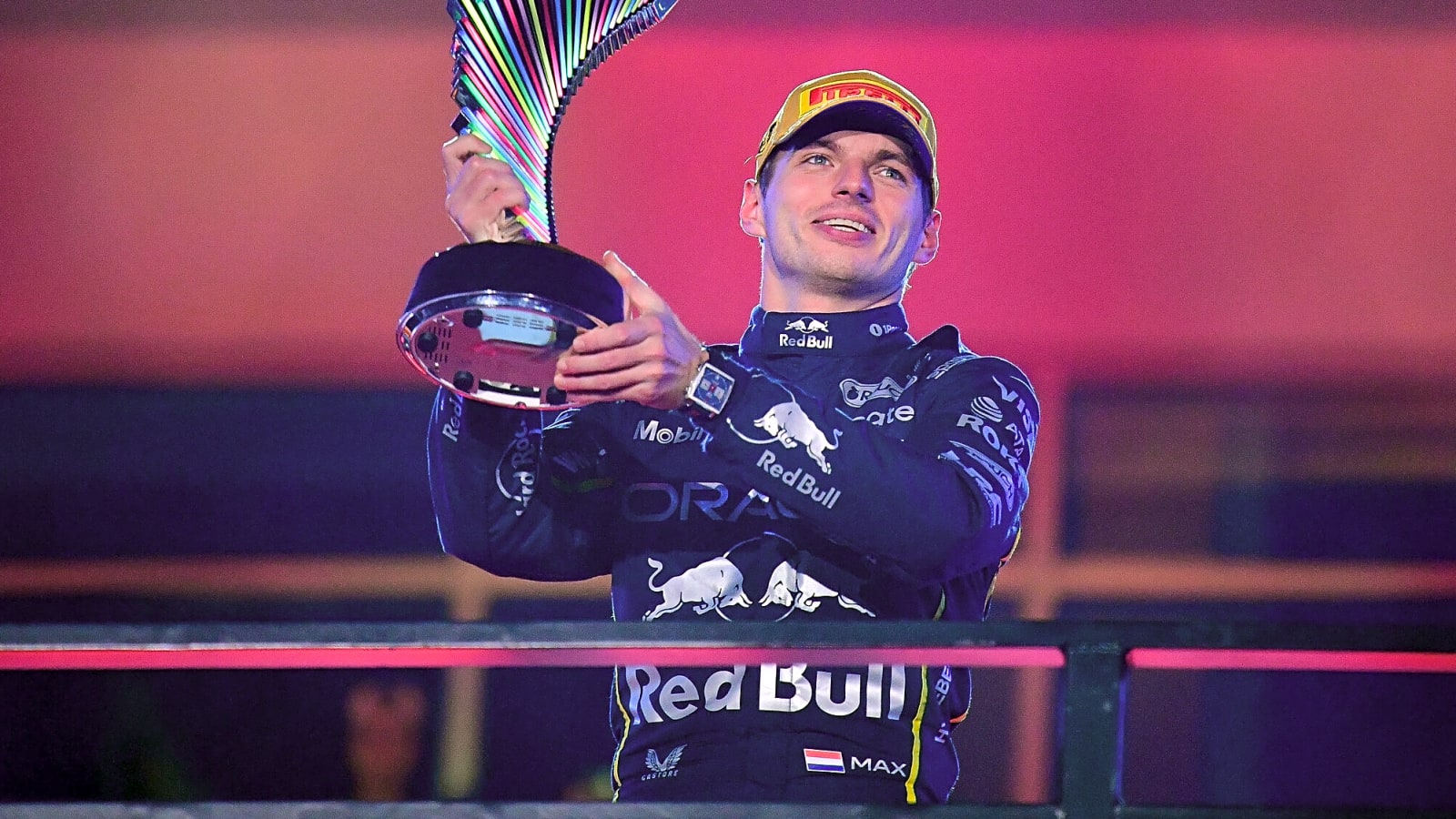
Max Verstappen has built a Formula 1 résumé that places him among the most dominant drivers of his era. With 71 Grand Prix victories, four World Championships, and a contract that runs through 2028, the 28‑year‑old should be in the middle of his competitive prime.
Instead, he is openly weighing whether he wants to remain in the sport beyond 2026, raising a question few expected to hear from a driver who has spent the last decade defining the front of the grid.
The discussion intensified after the 2026 Japanese Grand Prix, where Verstappen finished eighth and voiced rare, blunt frustration. He said he is no longer enjoying driving a Formula 1 car and admitted that the sport “isn’t fun anymore.”
For a driver known for his intensity and competitive focus, the comments were striking. Verstappen has never been motivated by celebrity or commercial obligations. He has always been a racer first, and the shift in tone reflects a deeper concern about where Formula 1 is heading.
A Champion Who Lives For The Competition
Verstappen’s career has been defined by raw pace and relentless execution. He debuted at age 17, became the youngest race winner in F1 history at 18, and has since built one of the most efficient winning records the sport has seen.
His 71 victories place him fifth on the all‑time list, and his four titles came in consecutive seasons from 2021 to 2024. During that stretch, he won 19 races in 2022 and 18 in 2023, two of the most dominant seasons ever recorded.
He also signed one of the largest contracts in Formula 1 history a deal widely reported to be worth $275 million over its duration. On paper, Verstappen has every reason to stay. But he has made it clear that money and records are not enough if the driving experience no longer matches what he considers real racing.
He has repeatedly said that he can accept losing, but he cannot accept a formula that limits how hard he can push the car. That distinction is at the center of his frustration. He wants the outcome decided by pace, not by energy restrictions. And he refuses to adapt to a system that dulls the edge of pure competition.
Why The 2026 Regulations Are The Breaking Point
The upcoming 2026 technical regulations are the main source of Verstappen’s concern. Formula 1 is shifting to a new power unit formula that increases the reliance on electrical energy while reducing the output of the internal combustion engine.
The new engines will produce a 50/50 split between electric and combustion power, a dramatic change from the current hybrid balance. At the same time, the aerodynamic package is being reworked. The cars will lose significant ground‑effect downforce, reducing cornering stability and grip.
The goal is to create lighter, more efficient cars, but the early feedback from drivers has been overwhelmingly negative. One of the biggest issues is energy deployment. Under the new rules, drivers can run out of battery power on long straights, a phenomenon known as “super‑clipping.”
When the battery depletes, the car slows down to harvest energy, even if the driver is flat on the throttle. Verstappen has been vocal about how unnatural this feels, saying it forces drivers to manage their energy rather than race.
He compared the effect to a video‑game mechanic: make a pass, drain the battery, and get repassed immediately because the car cannot maintain speed. In his view, it is manufactured competition rather than genuine wheel‑to‑wheel racing.
Verstappen has called the new formula “anti‑driving,” and he is not alone. Several drivers have expressed concerns, but Verstappen is the only one who has publicly linked them to his long‑term future in the sport.
A Growing Interest Outside Formula 1
While Verstappen’s frustration with Formula 1 has grown, his interest in other forms of racing has become more visible. He has long been vocal about his passion for GT racing and endurance events.
Recently, he tested GT3 machinery at Nürburgring, one of the most demanding circuits in the world, and has been involved in building his own GT3 program. He has repeatedly said he wants to race in categories where the driver has more direct control over the car, and the competition feels more organic.
GT racing, with its mechanical grip, long‑distance strategy, and less restrictive energy rules, fits that mold. Verstappen has also emphasized that he is not worried about life after Formula 1. He has a strong interest in team ownership, enjoys sports car racing, and has said he would welcome more time with his family.
His comments suggest that retirement from F1 would not be a step away from racing, but a step toward a different kind of racing. He wants a schedule he can control. And he wants to compete in cars that let him drive the way he believes racing should feel.
What Verstappen’s Warning Means For Formula 1
Formula 1 now faces a significant challenge. When the sport’s most successful active driver and its biggest global draw says the cars are no longer enjoyable to drive, the governing body cannot ignore it.
The FIA has a window to adjust the 2026 regulations, particularly the energy deployment rules, before the final specifications are locked in. Teams have also raised concerns about the competitive implications of the new formula.
If battery management becomes the defining factor of a race, the sport risks losing the very element that has always separated Formula 1 from other categories: sustained, high‑speed performance. Verstappen’s comments are not a negotiation tactic or a passing frustration.
They are a direct warning that the sport’s direction may cost it its most dominant driver. Formula 1 has spent years trying to balance sustainability, cost control, and competition. The 2026 rules are meant to support that vision, but the early signs suggest the balance may not be right.
What’s Next
Max Verstappen is not threatening to retire because he is tired of winning or because he lacks motivation. He is questioning whether Formula 1 is still delivering the kind of racing that made him fall in love with the sport. He wants cars that reward skill, aggression, and precision, not cars that slow down on the straights because the battery is empty.
If Formula 1 cannot restore that feeling, Verstappen may walk away at the end of 2026. And if he does, it will not be a shock to anyone who has listened closely. He has been clear about what he values, and right now, the sport is drifting away from it.
More must-reads:
- Can Pirates hurry Seth Hernandez to majors like they did Konnor Griffin?
- Mel Kiper Jr., Todd McShay, Dane Brugler all link Ty Simpson with one team
- The 'Multiple 200 three-pointer seasons' quiz
Breaking News
Trending News




Customize Your Newsletter
 +
+




Get the latest news and rumors, customized to your favorite sports and teams. Emailed daily. Always free!
PRIVACY POLICY COOKIE POLICY CONTACT US
ABOUT YARDBARKER TERMS OF SERVICE


By using this site, you agree to our Terms of Service and Privacy Policy.
This site is for entertainment purposes only.
There is no gambling offered on this site.
Gambling Problem? Call 1-800-Gambler.
