
-

-


Follow Us
-

 On Facebook
 On Flipboard

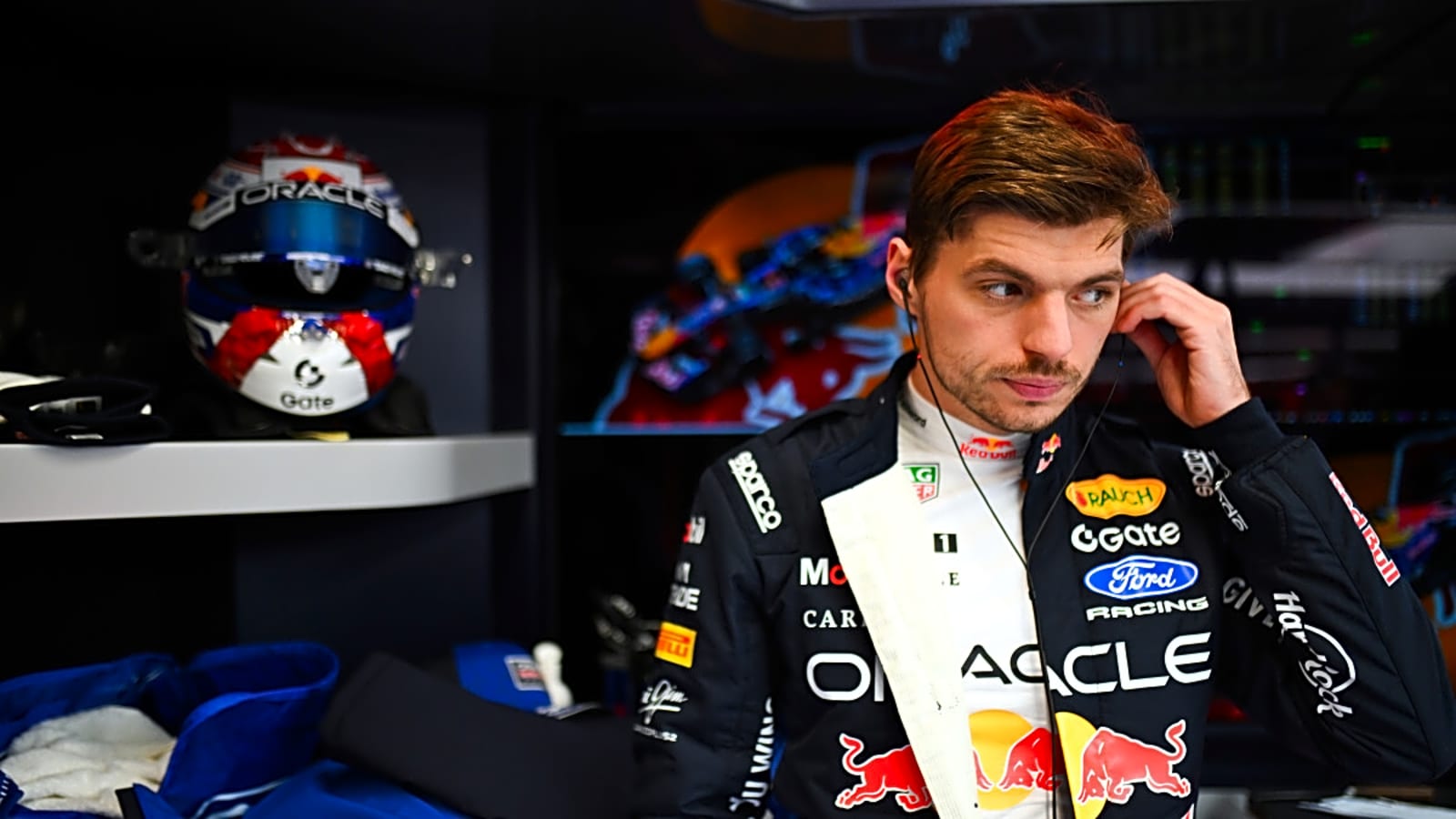
The first on-track action of the 2026 Formula 1 season delivered spins, surprises, and early clues about how teams are adapting to a radically new technical era. While headline lap times remained secondary, reliability, learning pace, and early understanding of the regulations emerged as the true benchmarks during the Catalunya shakedown.
A productive week came to a close in Barcelona, with Mercedes leading the unofficial mileage charts after completing 500 laps, followed by Ferrari (442), Haas (391), Alpine (349), and Racing Bulls (319) to round out the top five in total laps completed, as reported by Sky Sports. As expected, teams prioritized data gathering and system validation over outright performance.
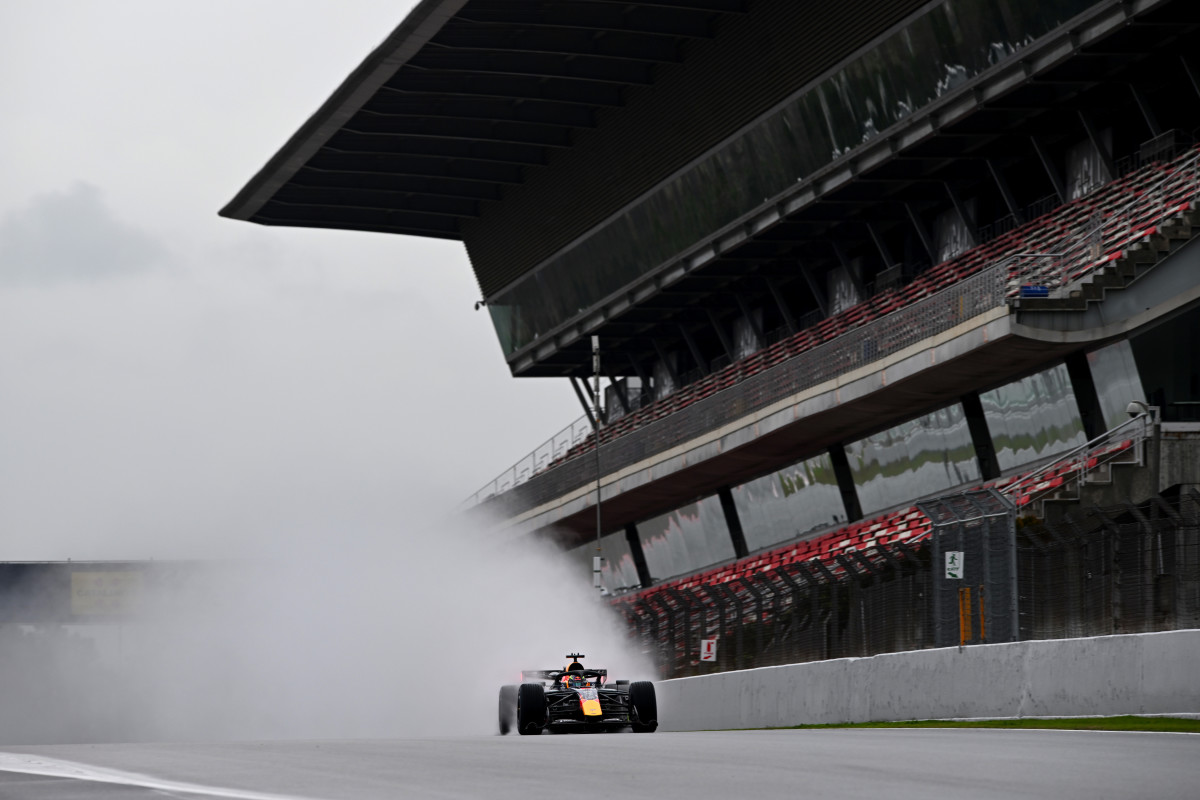
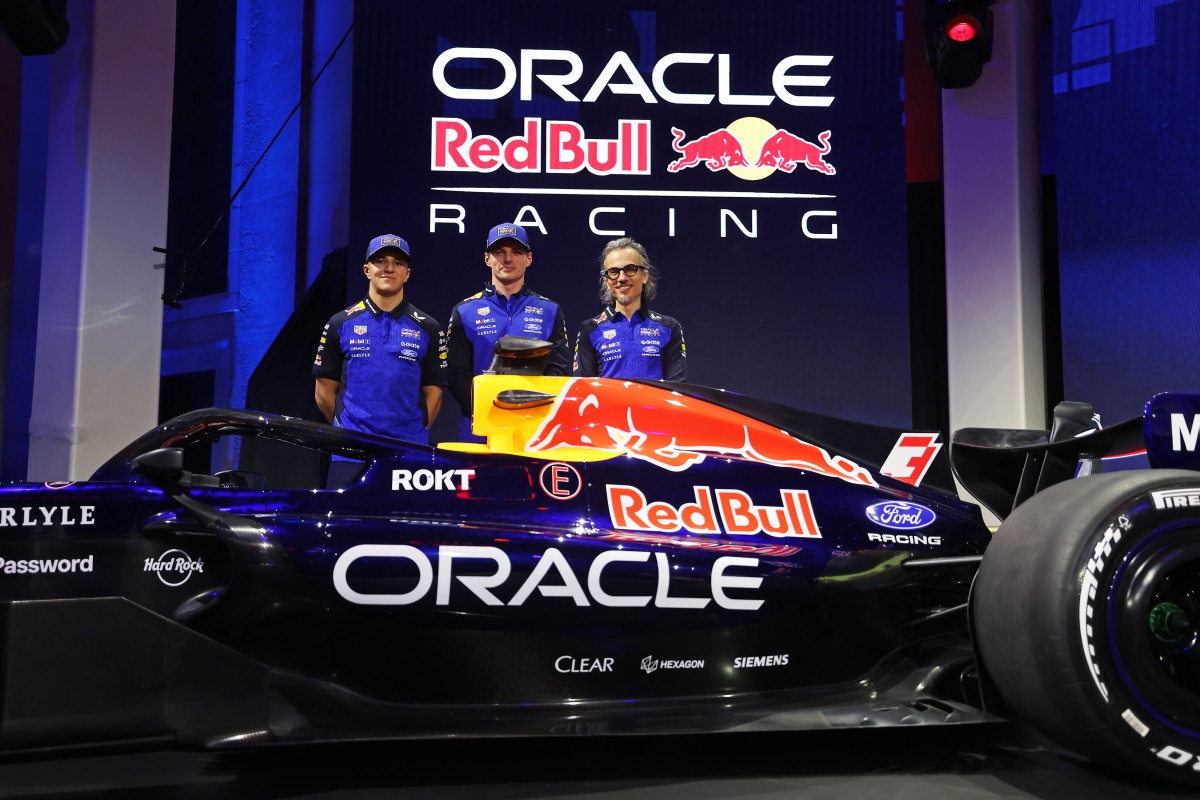
Notably, Red Bull’s running was cut short after recently promoted Isack Hadjar crashed on Day 2, damaging the RB22’s rear wing and suspension. The incident limited Red Bull to 305 laps overall, forcing the team to run its Barcelona programme shorter than planned as they had to sacrifice time for car repairs.
Williams, meanwhile, remained absent from the test entirely. The Grove-based team opted to skip the Catalunya running in favor of an expanded Virtual Track Testing (VTT) programme, citing a focus on “pushing for maximum car performance” through simulation rather than early on-track mileage.
What’s Changed Under the New Regulations
The introduction of Formula 1’s new technical regulations has triggered widespread changes across the grid, reshaping how teams approach car design, performance, and long-term development.
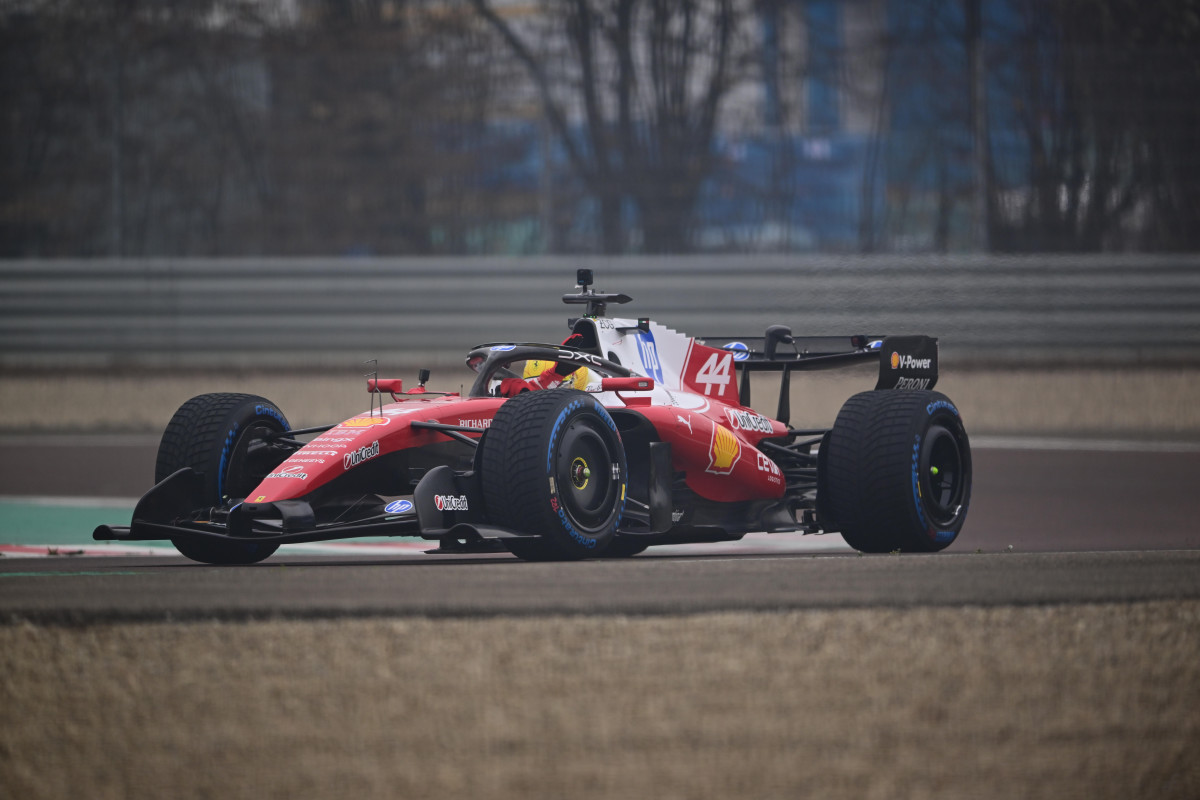
Weight reduction targets, revised aerodynamic frameworks, and a greater emphasis on electrical energy deployment have altered the balance between straight-line speed and cornering performance. As a result, cars now reflect a more varied set of interpretations of the rules, with teams exploring different solutions within a tightly defined regulatory box.
These changes have made the early phases of development particularly significant, as teams work to identify performance windows and reliability limits under the new framework.
Ferrari and Mercedes Look Promising, McLaren Records Fewer Laps
Lewis Hamilton unofficially recorded the fastest lap of the test, setting a 1:16.348 during Friday’s running. He was followed by George Russell (1:16.445), Lando Norris (1:16.594), Charles Leclerc (1:16.653), and Kimi Antonelli (1:17.081) across the five days of testing.
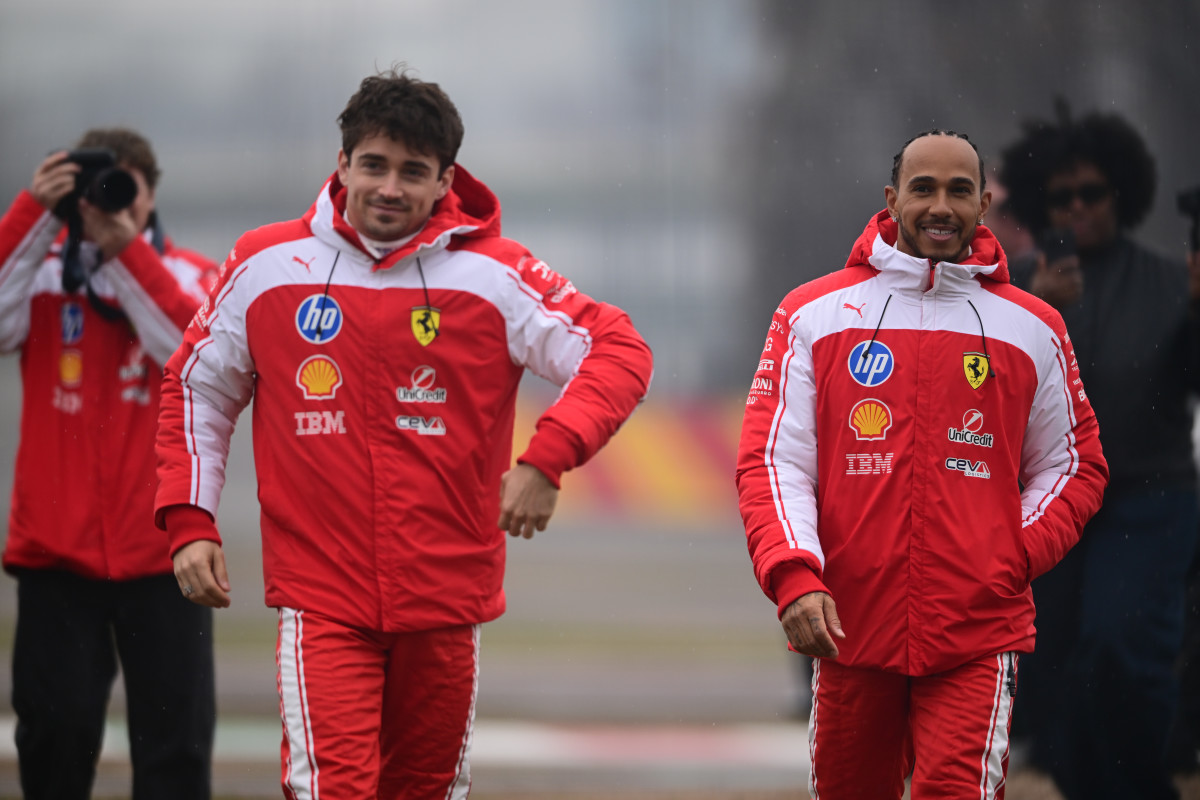
“We definitely have work to do, to improve, of course, like everybody does, but I think we’ve had great debriefs. Everyone’s really on it. I really feel the winning mentality, like, in every single person in the team more than ever,” Hamilton told the media after testing Ferrari’s SF-26 on Day 5 in Barcelona.
First time donning the No. 1 as reigning champion, Norris highlighted the contrast between last season’s MCL39 and McLaren’s new MCL40 under the updated regulations.
“It’s a bit of a step slower in terms of cornering speeds. In terms of acceleration and straight-line speed, it probably feels quicker than it did last year,” Norris said.
McLaren completed 287 laps overall, fewer than most front-running teams. According to Norris, the MCL40 was fully assembled on the same morning the team decided to join the Barcelona shakedown, limiting available running time.
Cadillac and Audi Face Early Issues, Aston Martin Tests the Least
Not every team enjoyed a smooth week in Catalunya, though the purpose of the Barcelona test was to expose weaknesses early rather than mask them.
Cadillac and Audi both encountered technical issues that prompted precautionary stoppages, with both teams emphasizing the importance of understanding problems before continuing.
“A much better day. We got a lot of running, a lot of information. Still finding a few issues out there, which is great – it was all about that today,” Cadillac driver Sergio Perez said after the fourth day of running.
“I think we are improving pretty much every run. It’s been a positive day, so hopefully tomorrow with Valtteri [Bottas] we can have another positive,” Perez added.
Audi rookie Gabriel Bortoleto also addressed the stoppages during the test, “Regarding the stoppage on track today, it was a precaution thing as well, and we decided to not run until we fully understand, and then to put the car back on track and have a clear run.”
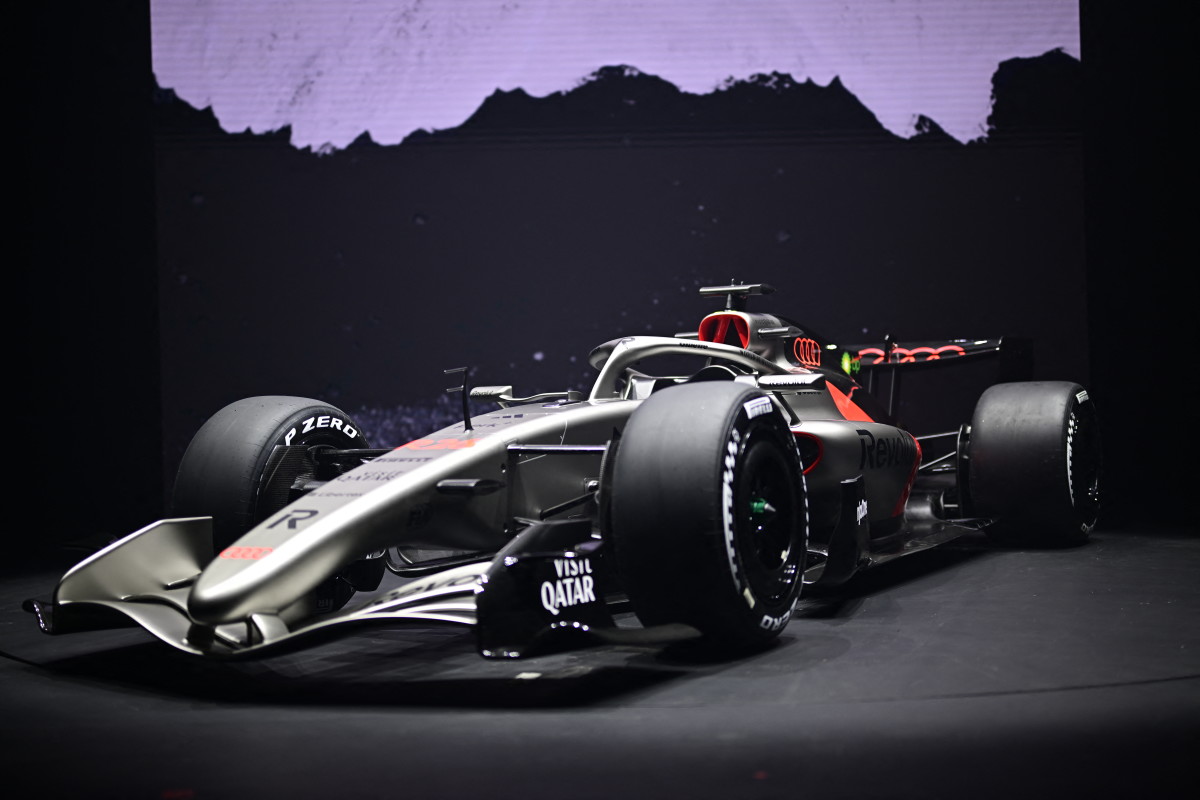
Audi team principal Jonathan Wheatley echoed that sentiment, “We had a technical issue with the car – we spotted it, decided to switch the car off on track.”
“We’ve got plenty of testing this year, and we wanted to really understand the problems, and we’ve been carefully analyzing that,” Wheatley added.
Aston Martin recorded the fewest laps, completing just 65. Cadillac (165) and Audi (243) rounded out the bottom three, with Williams abstaining entirely.
How Drivers Are Adapting to the New Cars
With limited testing opportunities available, each on-track session carries added importance, and adapting to the new regulations has become a defining factor in shaping the competitive order.
“Still a work in progress, but I think we’ve hit the ground running quite well with those things, so it’s still a very complicated formula, I think, for everyone. So there’s still quite a bit of work to do, but it’s normal,” Max Verstappen said while reflecting on the new RBPT-Honda engine.
George Russell offered a measured assessment of Mercedes’ early progress, “The car is feeling nice to drive, no major issues, no porpoising, which is pretty good news for all of us. It’ll save us a few years on the back.”
“The car so far has been working well, but it’s not about how well it works; it’s about how quick it goes around the track, and we don’t really have an indication of that at the moment,” he added.
Barcelona Shakedown ✅
— Mercedes-AMG PETRONAS F1 Team (@MercedesAMGF1) January 30, 2026
A huge shift by the team trackside and back in Brackley and Brixworth pic.twitter.com/jY5nXqcoKK
“But, we’re sort of in a reasonably good place, but I’m sure things are gonna change a lot between now and the next Bahrain test.”
The Takeaway From Barcelona Testing
Barcelona testing offered fewer definitive answers than headlines might suggest, but it provided critical early insight into how teams and drivers are adapting to Formula 1’s new era.
Reliability, learning rate, and technical understanding mattered far more than lap times, setting the stage for more meaningful performance comparisons when testing resumes in Bahrain.
More must-reads:
- 10 unbelievable stats from Seahawks' Week 1 win over Patriots
- Elly De La Cruz sets personal high with home run vs. Dodgers
- The 'NFL's active passing-leaders' quiz
Breaking News
Trending News








Customize Your Newsletter
 +
+




Get the latest news and rumors, customized to your favorite sports and teams. Emailed daily. Always free!
PRIVACY POLICY COOKIE POLICY CONTACT US
ABOUT YARDBARKER TERMS OF SERVICE


By using this site, you agree to our Terms of Service and Privacy Policy.
This site is for entertainment purposes only.
There is no gambling offered on this site.
Gambling Problem? Call 1-800-Gambler.
