
-

-


Follow Us
-

 On Facebook
 On Flipboard
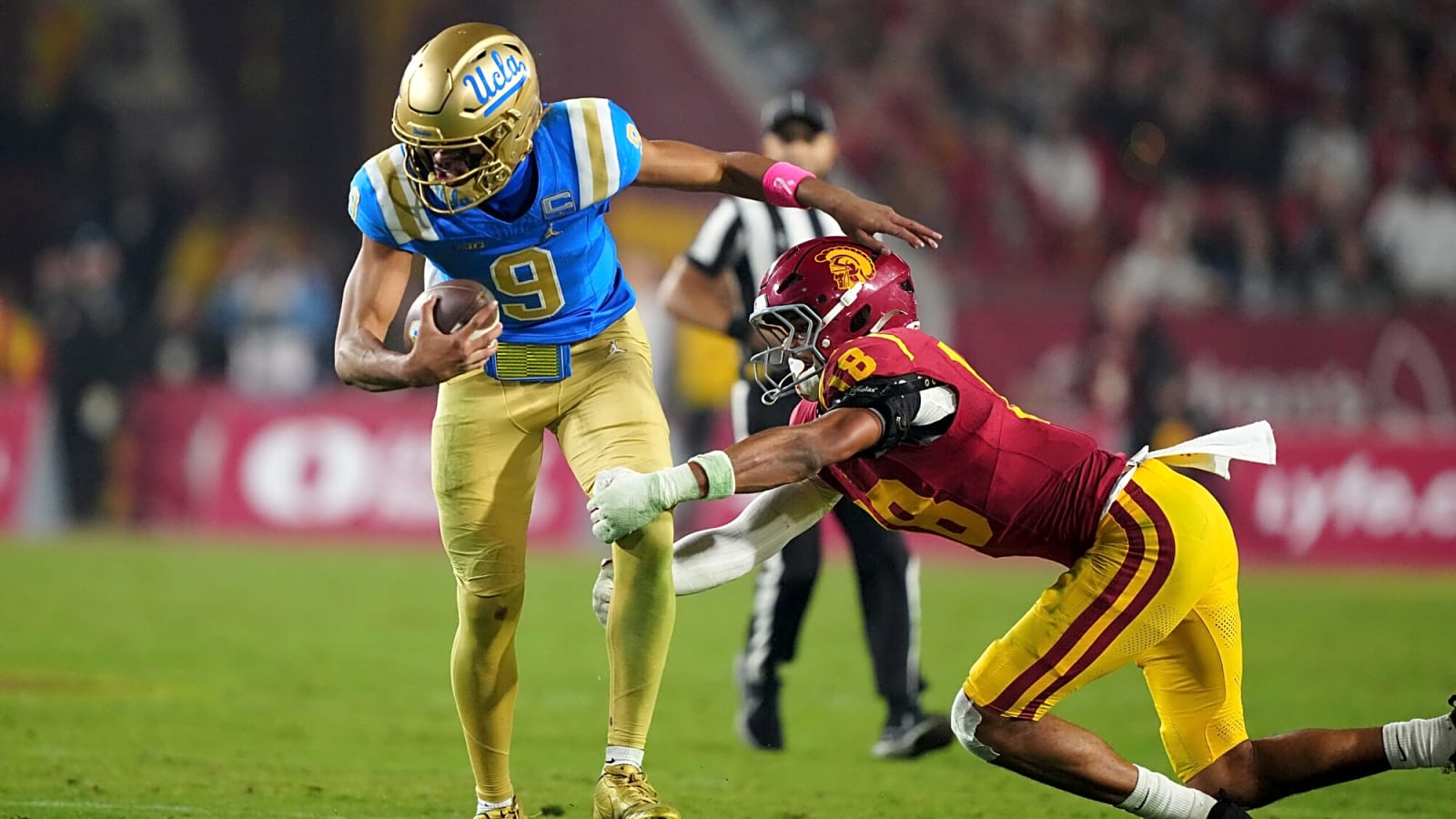
Eric Gentry measured 6-foot-6 at the 2026 NFL Combine, one of the tallest linebackers at the event. An 86¼-inch wingspan. 35-inch arms. Elite length numbers that graded in the top tier for his position. He produced 224 career tackles between Arizona State and USC, forced 8 fumbles, and led the Big Ten with 5 forced fumbles in his final season. Then 257 draft picks came and went. All 32 teams passed. Cincinnati signed him as an undrafted free agent without spending a single pick, and the AFC North will feel the ripples first.
Why 32 Front Offices Said No
The NFL runs on positional archetypes. Linebackers weigh 240 pounds. Edge rushers stand 6-4 with thick frames. Gentry fits neither box at 221 pounds. Nick Baumgardner called him “an old-school tweener without a true position. Too light to be an edge but too athletic to not be on the field.” Pro Football Focus flagged 15 missed tackles on the season and an 88.8 passer rating allowed in coverage. The production screamed draft pick. The body type screamed uncertainty. Uncertainty won, and 32 teams followed each other out the door.
The Roster Gap Cincinnati Didn’t Fill
The direct hit lands on Cincinnati’s defense. The Bengals entered 2026 with Barrett Carter and Demetrius Knight Jr. as starting linebackers. Both were rookies last season. Behind them sits Gentry, a developmental project competing with fellow UDFA Jack Dingle for a reserve spot. ESPN asked the question publicly about whether the Bengals would ever address the position. Cincinnati held eight draft picks. They spent zero on the position they called their biggest need. The roster gap is real, and one undrafted long shot is the patch.
The Bengals’ Draft Board Tells a Different Story

Eight selections across seven rounds. Zero linebackers. That contradiction between stated priority and actual spending reveals something about how NFL front offices operate under pressure. The 2026 draft featured 58 wide receivers and tight ends selected, tied for the most since 1994. Linebacker supply shrank relative to demand. Cincinnati’s front office either trusted their existing developmental timeline with Carter and Knight, or they looked at the 2026 linebacker class and decided nobody was worth the capital. Either way, the UDFA market became their fallback plan by design.
The Substitute Market Nobody Saw Coming
Gentry wasn’t alone. Ten former USC Trojans signed as undrafted free agents in 2026. Only three Trojans heard their names called on draft day. That ratio, three drafted to ten undrafted, signals something broader. Elite college programs now funnel more talent through the UDFA pipeline than through the draft itself. The UDFA market has quietly become a parallel talent acquisition system. Teams that master it gain roster depth without burning picks. Teams that ignore it leave high-end physical traits on the table for rivals to grab at league minimum.
The Machine Behind the Mismatch
Here is the mechanism connecting every ripple. NFL scouting operates a two-tier evaluation system. Traditional archetypes, the 6-2, 240-pound linebacker, receive premium draft capital. Physical anomalies like Gentry get deprioritized despite strong athletic data. Steelers Depot graded him 7.2 with a Mid-Day 3 projection. He went undrafted anyway. The consensus clusters around safe profiles. Anomalies fall. The draft rejects them. The UDFA market absorbs them. Same talent. Different price tag. And the team willing to bet on the mismatch gets the discount.
A Cautionary Comp From The Recent Past
The UDFA linebacker archetype has produced hits before, and those comparisons matter to scouts weighing the Gentry bet. Length-first linebackers who fell out of the draft have occasionally developed into rotational pieces when matched with patient coaching staffs. Cincinnati’s pitch to Gentry reportedly leaned on exactly that kind of developmental runway, giving him a clear path behind two second-year starters rather than a locked depth chart.
The Voice From Inside the Fall
Baumgardner put it plainly. “I was surprised he went undrafted, even if he is a project.” Think about that sentence. An expert predicted the surprise before it happened. The surprise happened anyway. That prediction and action gap is the whole story. Kyle Zierlein noted Gentry’s frame was “ill-suited for block take-ons and gap constriction” and said he “might need a developmental year to gain requisite size and strength.” The scouting community saw the talent. They flagged the risk. And every single team chose the risk over the talent.
The Rule That Changes Next
If Gentry makes Cincinnati’s 53-man roster, the precedent rewrites how teams evaluate tweener prospects for years. It validates UDFA scouting over Day 3 draft capital for developmental projects with non-traditional frames. If he fails, it reinforces the consensus that physical anomalies carry too much risk. Either outcome becomes a decision point for the 2027 draft class. Gentry appeared in 39 games with 17 starts through his 2024 season, earned freshman All-American consideration at Arizona State before transferring, and returned in 2025 for a full redshirt-senior campaign. The durability and production are documented. The question is whether the NFL’s archetype system can evolve.
Who Profits and Who Pays
If Gentry succeeds, every team that burned a Day 3 pick on a traditional linebacker faces an ugly comparison. Why spend draft capital when Cincinnati got high-end length and athleticism at league minimum? Veteran free agents like Bobby Wagner lose leverage if the UDFA pipeline proves viable at the position. Conversely, if Gentry washes out, scouts who championed safe archetypes gain ammunition for years. The winners and losers extend across the AFC North, where Pittsburgh, Baltimore, and Cleveland will adjust their own linebacker strategies based on what Cincinnati’s gamble produces.
Training Camp Decides Everything
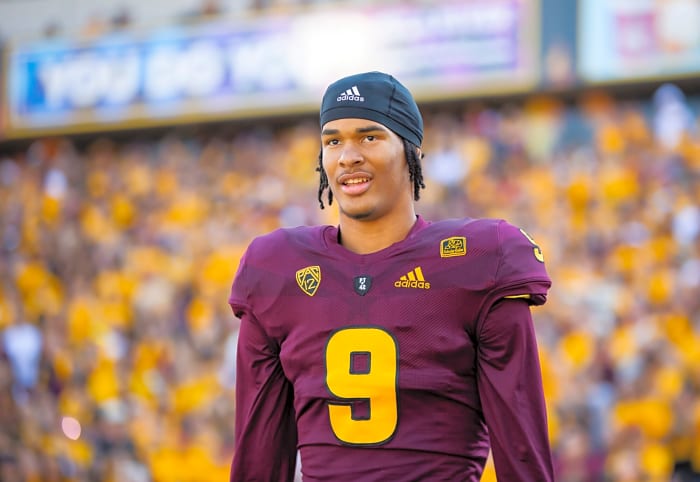
July 2026. Gentry competes against Dingle, Burks, Heyward, and Giles-Harris for a roster spot behind two second-year starters. If he earns it, competing teams will target similar physical anomalies in the next draft class, shrinking the UDFA advantage Cincinnati exploited. If he doesn’t, the Bengals face a preseason scramble for veteran linebacker help with their stated biggest need still unresolved. The cascade from one undrafted signing reaches draft strategy, free agent markets, divisional competition, and positional valuation across the league. Will Cincinnati’s bet age well, or become a cautionary tale? None of it is finished yet.
Tell us in the comments: is Cincinnati’s UDFA gamble the steal of the 2026 class, or the latest example of a tweener who was passed over for a reason?
Sources:
Baumgardner, Nick. “Eric Gentry, USC LB, scouting profile.” The Athletic, 2026.
Zierlein, Kyle. “Eric Gentry draft profile.” NFL.com, 2026.
“Eric Gentry bio and career statistics.” USC Athletics (usctrojans.com), 2026.
“Eric Gentry, LB, NCAA and PFF stats.” Pro Football Focus, 2026.
“2026 NFL Combine Official Measurements.” National Football League, February 2026.
“Bengals add intriguing USC LB Eric Gentry as UDFA.” Sports Illustrated, April 26, 2026.
More must-reads:
- Chiefs HC Andy Reid gives big Patrick Mahomes injury update amid rumors
- Bears receive brutal news after full 2026 NFL schedule is released
- The 'Active 40-HR MLB seasons' quiz
Breaking News
Trending News



Customize Your Newsletter
 +
+




Get the latest news and rumors, customized to your favorite sports and teams. Emailed daily. Always free!
PRIVACY POLICY COOKIE POLICY CONTACT US
ABOUT YARDBARKER TERMS OF SERVICE


By using this site, you agree to our Terms of Service and Privacy Policy.
This site is for entertainment purposes only.
There is no gambling offered on this site.
Gambling Problem? Call 1-800-Gambler.
