
-

-


Follow Us
-

 On Facebook
 On Flipboard

The 2026-27 academic year will see the revenue-sharing cap for major athletic programs rise to $21.3 million due to a built-in annual increase. While this number is often cited as the official limit, it only accounts for a portion of the total compensation programs plan to provide. Most power conference schools are currently developing strategies to nearly double this amount through external financial streams.
In Lubbock, athletic directors are already presenting these aggressive blueprints to their most loyal supporters and donors. They explained that while the official cap is rising, the real spending ceiling at the highest level of the sport is closer to $40 million. This total is reached by combining direct school payments with several other buckets of cash that fall outside of the formal cap.
This strategy relies on a sophisticated mix of traditional revenue sharing and new third-party endorsement opportunities, as outlined in On3's Ross Dellenger's latest reporting. Schools are no longer just managing budgets. They are orchestrating a complex financial network involving apparel brands and multimedia partners. This approach ensures that elite programs can remain competitive in a rapidly changing environment without violating current oversight regulations.
Major college football programs use corporate partnerships to exceed the revenue share salary cap
Texas Tech athletic director Kirby Hocutt recently detailed how his department plans to maximize its resources by utilizing four distinct compensation buckets. The program will pay the full $21.3 million in direct revenue and provide $2.5 million in new scholarships for non-revenue sports. This move helps programs like baseball, which will see its scholarship count jump from 11.7 to 34 next year.
The most significant growth comes from redirecting corporate sponsorship money away from the school and toward the athletes. Partners like Adidas and Learfield have been asked to create NIL deals for players in place of traditional rights fees paid to the department.
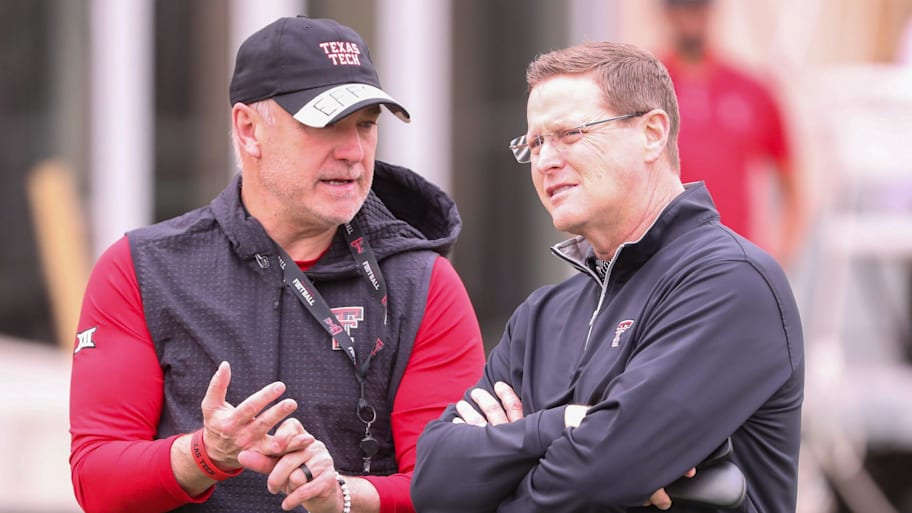
This maneuver could potentially add $10 million in extra value to the roster without counting against the official revenue-sharing limit.
Beyond corporate deals, schools are getting creative with private events such as high-end fantasy camps for wealthy donors. These camps feature current players as coaches and can generate up to $5 million in additional compensation for the team.

This supplemental income provides an additional edge that can be the difference between a conference title and a national championship appearance.
The College Sports Commission is currently tasked with monitoring these high-dollar deals through a specialized algorithm. While the enforcement of these rules is still being finalized, schools are pushing the boundaries to ensure their rosters are the best in the country.
More must-reads:
- Kyle Schwarber has himself a day as Phillies sweep the Giants
- Giants' Joe Schoen opens up about relationship with John Harbaugh
- The 'Active 20-PPG NBA seasons' quiz
Breaking News
Trending News




Customize Your Newsletter
 +
+




Get the latest news and rumors, customized to your favorite sports and teams. Emailed daily. Always free!
PRIVACY POLICY COOKIE POLICY CONTACT US
ABOUT YARDBARKER TERMS OF SERVICE


By using this site, you agree to our Terms of Service and Privacy Policy.
This site is for entertainment purposes only.
There is no gambling offered on this site.
Gambling Problem? Call 1-800-Gambler.
