
-

-


Follow Us
-

 On Facebook
 On Flipboard
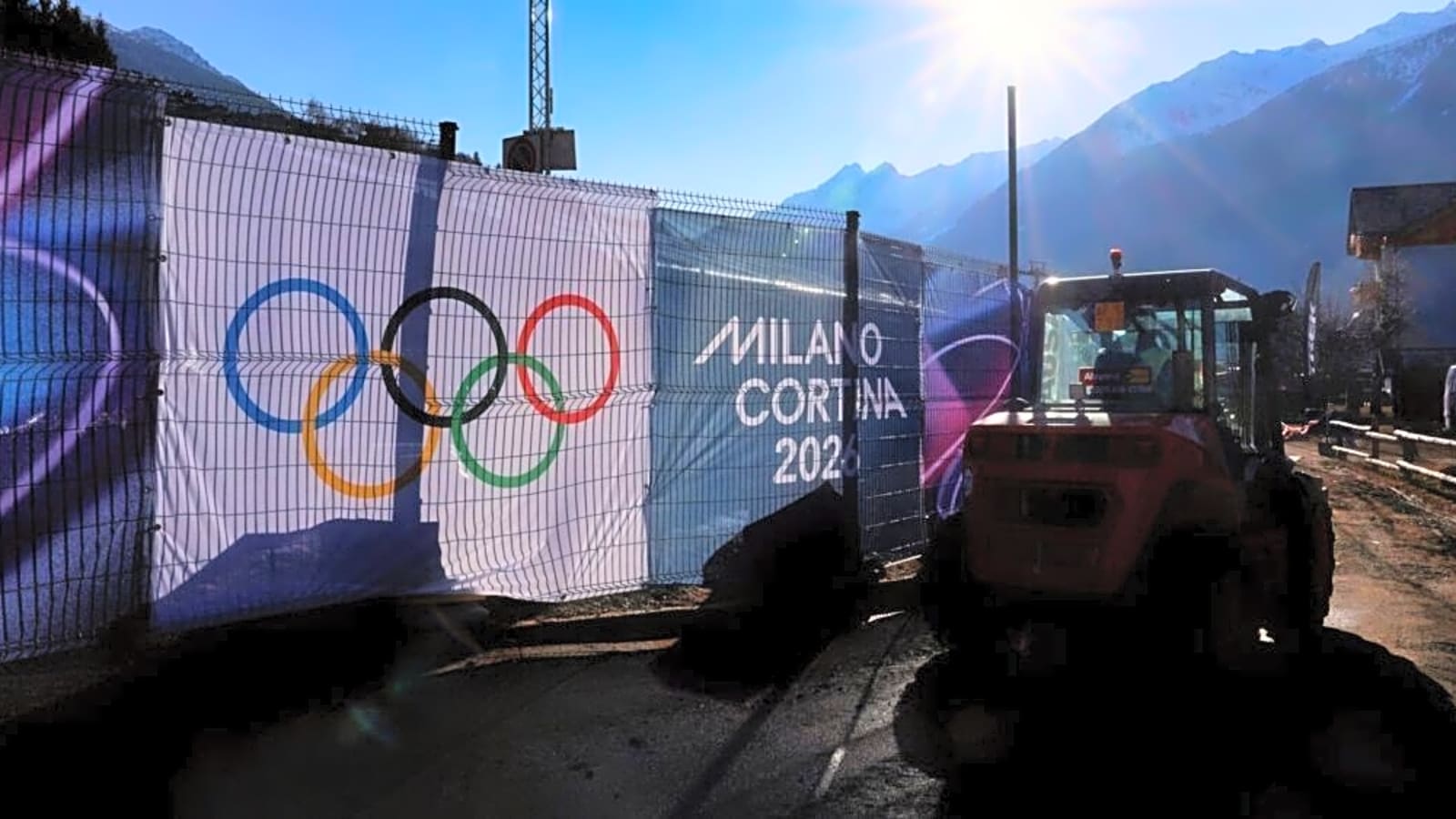
The 2026 Winter Olympic Games have had their share of controversy and tragedies. Three skiers were killed by avalanches in northern Italy while skiing in the same alpine region where the Olympics are taking place.
Lindsey Vonn, one of the main attractions of the game, suffered a crash that ended her Olympic dream, her professional career, and also put her in danger of losing her leg.
More recently, a series of avalanches in mountain ranges near the games has killed multiple people. Three people died in avalanches outside of Milan last weekend. Two more died in an avalanche about 120 miles outside of the Winter Olympic Games this weekend. 13 people, among backcountry skiers, climbers, and hikers, have been killed in avalanches or mountain accidents in the country in the past week.
Avalanche Safety Warning Issued After Multiple Deaths Near Winter Olympic Games
In the wake of the recent storms that have produced hazardous conditions across the Alpine arc between France, Switzerland, and Austria, an avalanche safety warning has been issued.
- Wear a helmet to help reduce head injuries and an avalanche beacon to help others locate you.
- Use an avalanche airbag that may create air pockets, giving you more space to breathe and helping you avoid being completely buried.
- Carry a collapsible avalanche probe and a small shovel to assist in rescuing others.
- If your partner or others are buried, call 9-1-1 and then begin to search.
- Treat others for suffocation, hypothermia, traumatic injury, or shock.
If people plan to ski or snowboard, they should:
- Sign up for alerts from a U.S. Forest Service Avalanche Center near you. Your community may also have a local warning system.
- Learn the signs of an avalanche and how to use safety and rescue equipment. Take first aid training to recognize and treat suffocation, hypothermia, traumatic injury, and shock.
- Travel with a guide who knows the locations to avoid. Always travel in pairs. Follow avalanche warnings on roads.
- Roads may be closed, or vehicles may be advised not to stop on the roadside. Know the signs of increased danger, including recent avalanches and shooting cracks across slopes.
- Avoid areas of increased risk, such as slopes steeper than 30 degrees or areas downhill of steep slopes.
The National Alpine and Speleological Rescue Corps said that dangerous points are hard to identify even for experts. People should take extra care when planning trips near mountains.
More must-reads:
- NBA legend believes LeBron James is destined to play for this rival
- Aaron Boone addresses Gerrit Cole's latest rehab start
- The 'Active playoff scoring leaders' quiz
Breaking News
Trending News








Customize Your Newsletter
 +
+




Get the latest news and rumors, customized to your favorite sports and teams. Emailed daily. Always free!
PRIVACY POLICY COOKIE POLICY CONTACT US
ABOUT YARDBARKER TERMS OF SERVICE


By using this site, you agree to our Terms of Service and Privacy Policy.
This site is for entertainment purposes only.
There is no gambling offered on this site.
Gambling Problem? Call 1-800-Gambler.
