
-

-


Follow Us
-

 On Facebook
 On Flipboard
 On Twitter
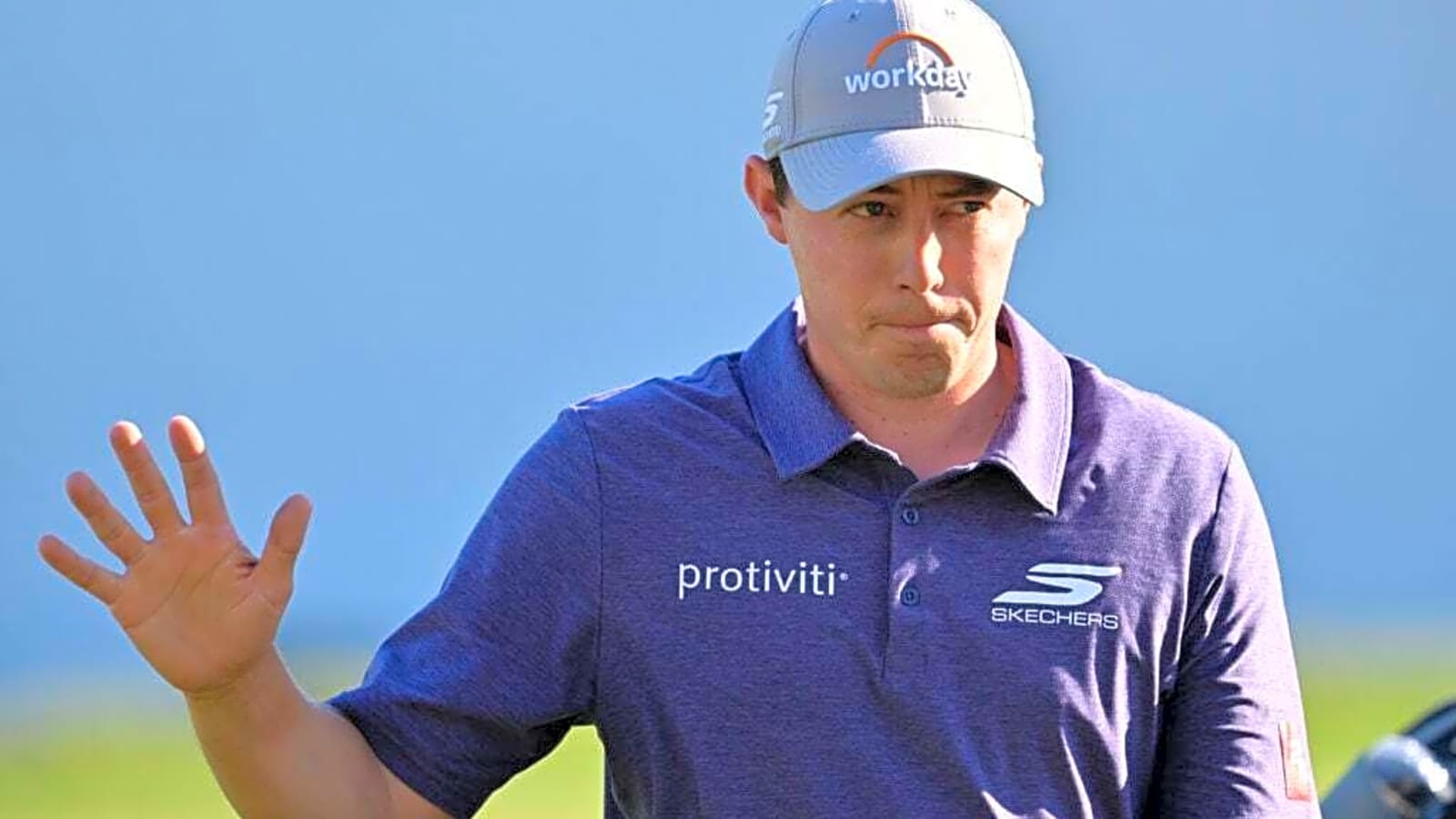
Matt Fitzpatrick quickly bounced back from heartbreak at The Players with his third PGA Tour victory.
The Englishman won the Valspar Championship with a birdie on the final hole, claiming his third victory on the PGA Tour. But the praise he received from fans afterwards had nothing to do with his golf.
His playing partner on Sunday, Adrien Dumont de Chassart was playing so slowly that Fitzpatrick had to abandon golf convention. He played his shot on the fairway despite being closer to the hole than Dumont de Chassart, then waited three minutes for him on the green.
Fitzpatrick complained to the rules official about his playing partner’s slow play, and Dumont de Chassart was given an official warning, but this drama only highlighted the shortcomings of the PGA Tour over recent seasons.
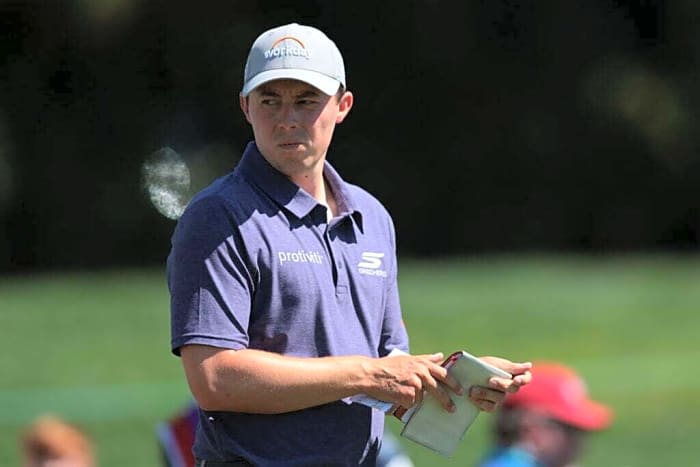
Matt Fitzpatrick highlights PGA Tour’s broken promise to fans
Slow play has plagued the PGA Tour for decades, and while there are a number of obvious solutions, which include penalty strokes for repeat offenders, nothing of substance has been implemented by the tour.
That’s despite the tour saying they would act to resolve the issue after a fan survey last year.
The Golf Channel’s Ryan Lavner, when asked about Fitzpatrick’s actions, said, “Kudos to Matt Fitzpatrick for calling it out and putting the onus on the PGA Tour rules official to do something with the group that was out of position when playing their final round of the Valspar Championship.
“Keep in mind, the PGA Tour rolled out its Fan Forward survey last year to much fanfare, and one of the big crackdowns they were supposed to have was on slow play.
“I remember distinctly, at Pebble Beach, where the PGA Tour said they were going to take a very stern look at this, and make sure they were going to have some policies be enforced for the first time.
“All of that seemingly has been put on the back burner with Brian Rolapp coming in as the CEO. The PGA Tour schedule has garnered up a lot of the attention, and understandably so. But from a week-to-week, round-to-round issue, slow play continues to be a scourge on the PGA Tour just as it has over the past two or three decades.”
Why the PGA Tour have failed to combat slow play
In recent years, the PGA Tour has tried to build a data-driven strategy aimed at holding individual players accountable.
Key initiatives include the Average Stroke Time metric, which identifies chronically slow players by comparing their speed to the field average, and the introduction of publicised pace-of-play statistics to name and shame offenders.
Despite these efforts, the slow-play needle has barely moved for several reasons. Until very recently, stroke penalties were virtually non-existent. Only about one has been issued per decade.
For elite pros making millions, a $5,000 or $20,000 fine is often viewed as a speeding ticket they are willing to pay to ensure they get a read right. Modern green-reading techniques such as AimPoint and the extreme stakes of the FedEx Cup incentivise players to be hyper-meticulous, prioritising precision over pace.
To truly solve the crisis, the Tour must move beyond monitoring and into aggressive enforcement. Implementing a one warning, then one-stroke policy that is actually enforced regardless of a player’s stature.
Adopting a visible, 40-second shot clock for every stroke, similar to what the MLB have implemented in baseball to tremendous success.
Only when the tour shows some teeth on this issue will any improvement materialise.
More must-reads:
- Additional details emerge regarding Tiger Woods' arrest
- Tiger Woods says he was 'talking to the president' before arrest
- The 'NCAA men's basketball champions' quiz
Breaking News
Trending News





Customize Your Newsletter
 +
+




Get the latest news and rumors, customized to your favorite sports and teams. Emailed daily. Always free!
PRIVACY POLICY COOKIE POLICY CONTACT US
ABOUT YARDBARKER TERMS OF SERVICE


By using this site, you agree to our Terms of Service and Privacy Policy.
This site is for entertainment purposes only.
There is no gambling offered on this site.
Gambling Problem? Call 1-800-Gambler.
