
-


Follow Us

 On Facebook
 On Flipboard
 On Twitter
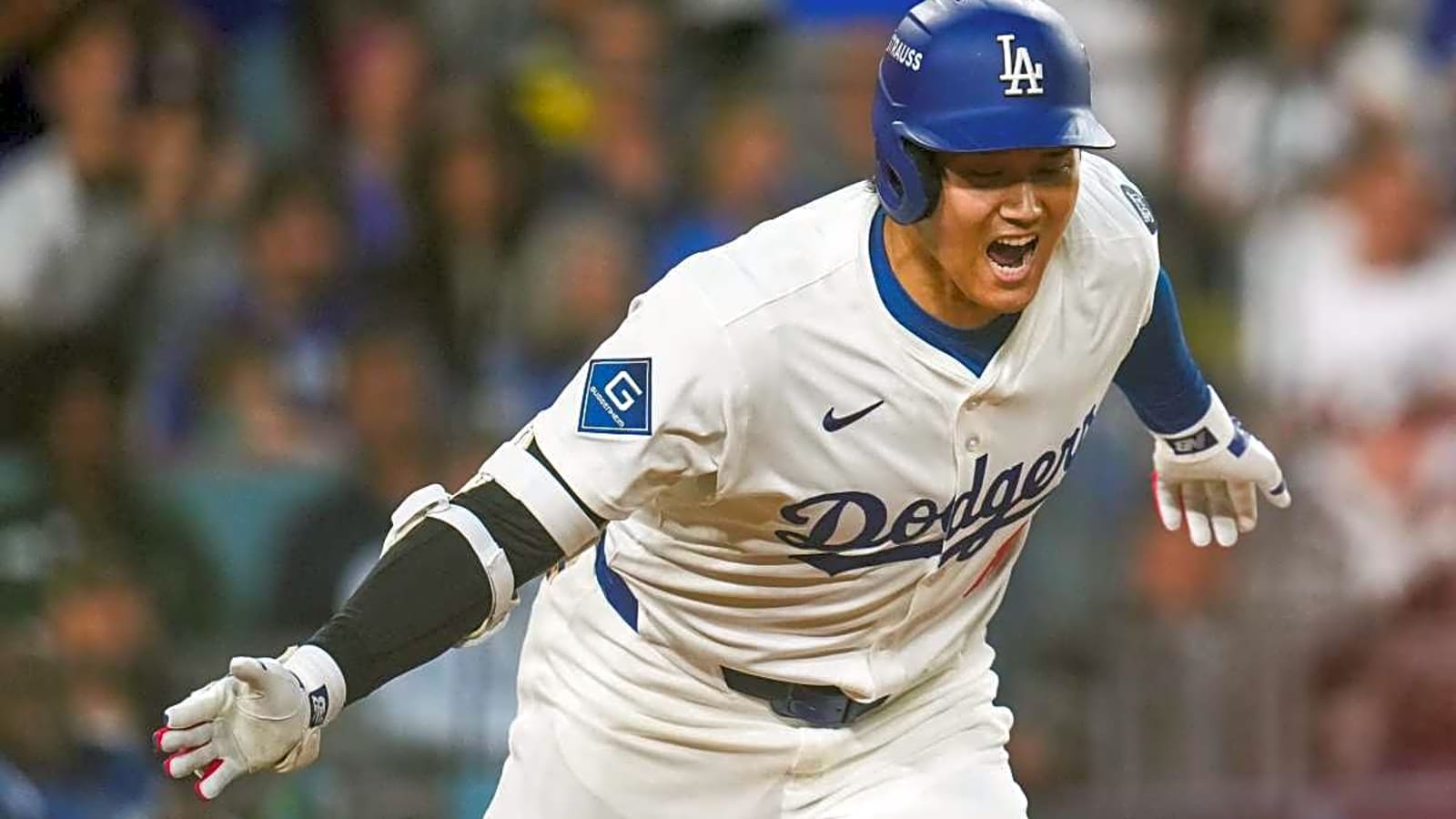
[Editor’s note: This article is from Athlon Sports’ 2025 “Year in Review” magazine, which celebrates the year’s champions and relives the biggest moments from across the world of sports. Order your copy online today, or pick one up at retail racks and newsstands nationwide.]
They began in Tokyo and ended in Toronto, which is only fitting, because the Dodgers’ 2025 journey felt less like a baseball schedule and more like a movie. A sequel, actually. The kind that shouldn’t work because the first one was too good. But somehow, this one was better.
The Dodgers had already climbed the mountain. Now they had to live there. And as everyone knows, life at the top is cold, windy and full of people hoping you slip.
Opening day in Japan, brought Shohei Ohtani back home under the neon lights, with Yoshinobu Yamamoto firing lasers before a sold-out Tokyo Dome. It was part game, part Hollywood premiere. When the Dodgers returned stateside, their record quickly ballooned to 8–0 — the best start ever by a defending champ — and the rest of baseball groaned. Great, they said. The rich get richer.
But this is where the story twists.Because by midsummer, the empire started to wobble. The injuries — most notably to Blake Snell, Roki Sasaki and Max Muncy — piled up like overdue bills. The bullpen leaked hope by the gallon. Mookie Betts and Freddie Freeman, a duo that does just about everything well, suddenly couldn’t find their timing. Even Clayton Kershaw — still dignified, still crafty — looked like a man fighting the clock, trying to coax one more great act from a golden arm.
And then there was Ohtani.
He missed the 2024 World Series, had his left shoulder repaired and spent the winter answering the same question over and over: Could he still be both? Pitcher and slugger. Ace and cleanup hitter. Babe Ruth and, well, Babe Ruth.
He was supposed to make the impossible look easy, but in July, for the first time, he didn’t.
When Ohtani returned to the mound, the magic at the plate flickered. His swing slowed. The home runs stopped. The smile faded. For a month, the $700 million man looked like a guy trying to carry the weight of two jobs and a planet’s expectations.
For a team that could buy anything, the one thing it couldn’t was rest. Or belief. The Brewers — who had MLB’s best record with a third of the payroll — beat L.A. all six times during the regular season. The Dodgers limped to 93 victories, good enough to win the division but not to silence the noise. For the first time in a long time, the game’s biggest giant looked mortal.
That’s when the movie script flipped again.
In late August, Ohtani rediscovered his rhythm and finished the season like a fireworks finale: 55 home runs, 102 RBI, a 1.014 OPS and a handful of ramped-up starts that made hitters wish he’d stayed a one-way player. The two-way phenom was whole again.
By October, so were the Dodgers.
They lost only one game in the first three rounds of the playoffs, flattening the Reds, Phillies and Brewers in succession. It wasn’t dominance so much as inevitability — the feeling that this is just what the Dodgers do.
And then came Toronto in the World Series.
By Game 7, both clubs were running on fumes and willpower. They’d traded haymakers all week — the 18-inning epic Game 3 at Dodger Stadium, the late-night drama, the lead changes that broke hearts on both sides. You could see it in their eyes: The tanks were empty, but the moment was full.
With Ohtani on the mound to begin the final act, it was Toronto that struck first. Bo Bichette, bad knee and all, turned on an Ohtani slider in the third and launched a three-run homer that rattled the dome and made Canada believe again. The Jays led most of the night, inching toward a championship three decades in the making.
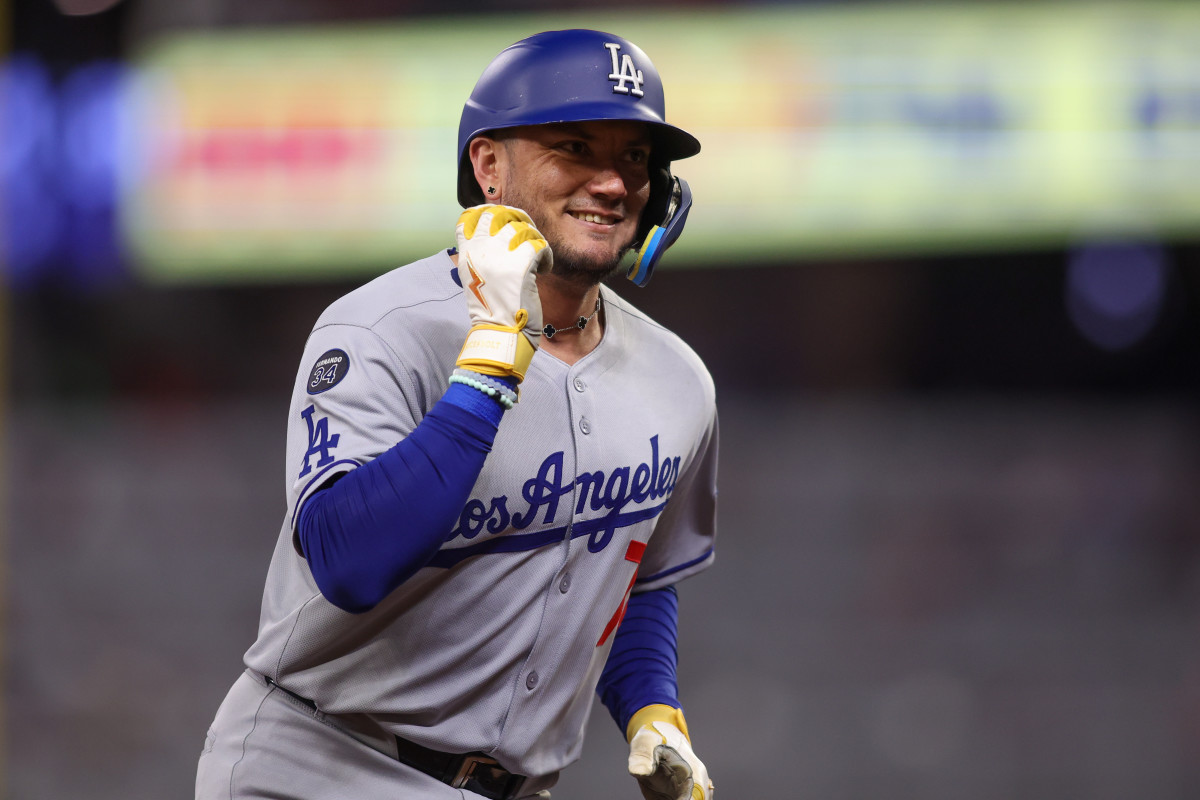
The Dodgers, though, never flinched. They chipped away, manufacturing runs the hard way — one at-bat at a time. Then, down a run and two outs from heartbreak in the ninth, 36-year-old Miguel Rojas fouled off slider after slider from closer Jeff Hoffman until one stayed fair. He lifted it over the left-field wall, and Rogers Centre went silent.
L.A. was starting to feel inevitable again. Moments later, centerfielder Andy Pages, a mid-inning defensive replacement, made the catch of the postseason — sprinting into the gap, colliding with Kiké Hernández and somehow hanging on to Ernie Clement’s deep fly ball that sent the game into extras.
In the 11th, Will Smith worked into a hitter’s count against Shane Bieber and didn’t miss a hanging slider. One swing, and history changed: the first extra-inning home run in a Game 7 in World Series history.
Toronto wouldn’t go quietly. In the bottom half of the inning, Vladimir Guerrero Jr. led off with a double and moved to third on a bunt. But Yamamoto — pitching on zero days’ rest after already winning Games 2 and 6 — didn’t so much as exhale. After a walk to put runners on the corners, Alejandro Kirk grounded to short, Betts stepped on second and fired to Freeman for a double play. Ballgame.
The Dodgers spilled out of the dugout. Ohtani lifted his arms skyward. Freeman hugged everyone in sight. Yamamoto just smiled. From Tokyo to Toronto, the bookends of their year belonged to him — Opening Day starter and World Series MVP.
The Dodgers — baseball’s first back-to-back champions since the Yankees won three straight from 1998-2000 — now own three titles in six years and nine overall.
They were called bad for baseball. But standing there in the middle of Rogers Centre, drenched in champagne and confetti, they were everything baseball should be — daring, dramatic, relentless, resilient, human.
They started in Tokyo. They ended in Toronto. And somewhere along the way, the Dodgers turned a season into a story worth telling forever.
MLB Year in Review
Baseball in 2025 had a little of everything — except dull moments. The Brewers built the best record without breaking the bank. The Dodgers hoisted another trophy because that’s the law now. Everyone else lived somewhere between miracle and meltdown, which is exactly where baseball does its best work.
It was a year of breakthroughs and bow-outs, of talent meeting timing — and of baseball, once again, refusing to make sense in the most satisfying way possible.
Best Single-Game Performance
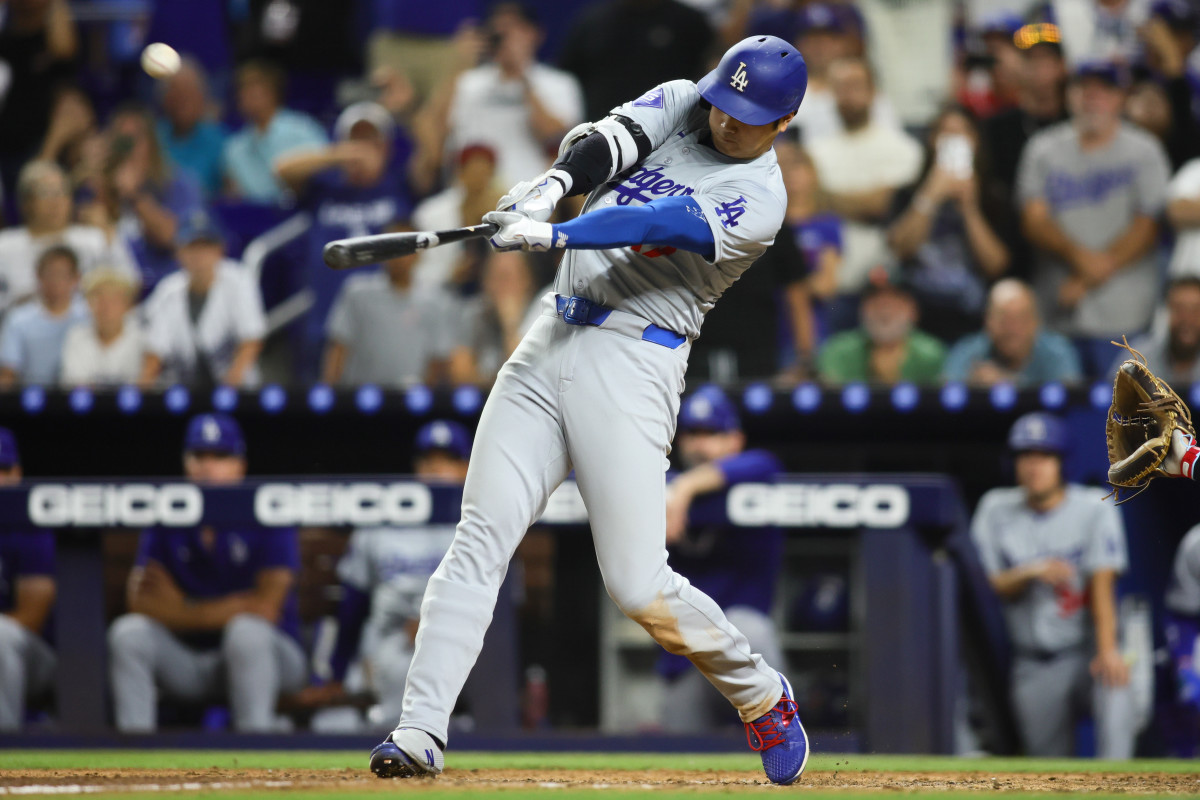
The 2025 season had its share of stat-sheet absurdity — Nick Kurtz, Kyle Schwarber and Eugenio Suárez each hit four home runs in a game, something no player had done in the previous seven seasons. Then October arrived, and Shohei Ohtani made all of it feel ordinary.
In Game 4 of the NLCS, Ohtani delivered the most complete performance modern baseball has ever seen: six shutout innings, 10 strikeouts and three home runs — one that completely left Dodger Stadium, the first ever to do so in postseason play.
Manager Dave Roberts called it “the greatest night in baseball history,” and few argued. More than 500 players have hit three or more homers in a game and more than 1,500 have struck out 10 or more batters. No one had ever done both — until Ohtani.
Best Team Money Didn’t Buy
The Milwaukee Brewers opened 2025 looking less like contenders and more like crash-test dummies. Opening weekend in the Bronx was a catastrophe — a three-game sweep in which the Yankees launched 15 home runs and outscored Milwaukee 36–14, igniting a national debate over whether “torpedo bats” should be legal or military-grade.
For the Brewers, it was humiliation in surround sound.
They left New York dazed, the rotation shell-shocked and the consensus unanimous: Regression had arrived. Then, somehow, Milwaukee became baseball’s most complete team. By September, the same staff that had been shredded in Yankee Stadium led the majors in ERA. By October, the Brewers stood at 97–65, the best record in baseball and the best in franchise history.
They won the NL Central by five games, earned a first-round bye, bounced the Cubs in the NLDS, then bowed out to the high-priced Dodgers. From punchline to pace-setter in six months — that’s not luck. That’s culture.
Best Final Bow
Eight pitches. That’s all Clayton Kershaw threw in the 2025 World Series. But those eight secured the last out of the 12th inning in Game 3, preserving a tie the Dodgers turned into a 6–5 win in 18 innings.
Without that appearance, Kershaw might not have ended his Hall of Fame career with a third championship ring. Without his regular-season steadiness — 11–2, 3.36 ERA, more innings than any Dodger except World Series MVP Yoshinobu Yamamoto — they might not have reached October at all.
Would Kershaw have preferred to pitch more in the Fall Classic? Of course. But after years of postseason frustration, the lifelong Dodger was content to let his 18-year career end on the right side of history. Three rings, three Cy Youngs, five ERA titles, an MVP and a legacy that needs no embellishment.
Best Performance Nobody Saw Coming
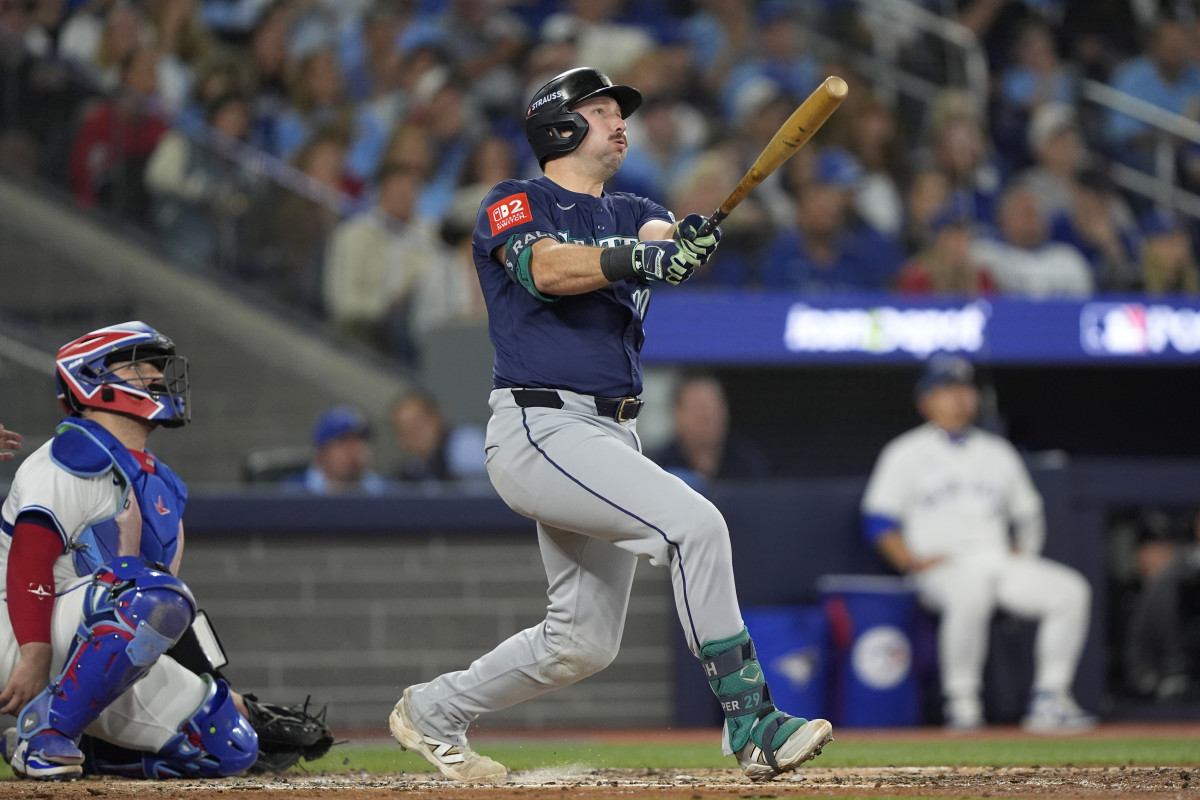
Cal Raleigh wasn’t exactly anonymous entering 2025 — a Platinum Glove winner the year before, with 34 home runs and 100 RBI. But his encore was historic.
Raleigh slugged 60 home runs — a Mariners record and the most ever by a switch-hitter — drove in 125 runs, stole 14 bases, won the Home Run Derby and caught 159 games, powering Seattle to its first AL West title and ALCS appearance in 24 years.
The Big Dumper didn’t just have a breakout. He redefined what a catcher can be.
Best Comeback
The Cleveland Guardians hosted division rival Detroit for a three-game series over the Fourth of July weekend — and the home team supplied almost no fireworks. Cleveland was swept, outscored 10–3 across the series.
When the final out was recorded on July 6, the Guardians trailed the AL Central–leading Tigers by 15½ games. Six weeks later, on Aug. 25, they were still 12½ games back.
Then the unthinkable happened: Cleveland closed on a 24-8 heater, while Detroit unraveled. When the dust settled, the Guardians had stolen their second straight division title, this one by a single game.
In the AL Wild Card Series, Cleveland’s reward for its stunning surge was a rematch with Detroit — and this time, the Tigers returned the favor, ending the Guardians’ season in three games.
Worst Collapse
The New York Mets authored one of baseball’s all-time face-plants. On June 12, they were 45–24, best record in the majors, humming behind Kodai Senga and Juan Soto. Then came one awkward flip from Pete Alonso to first, a Senga hamstring strain and a freefall that lasted three months.
The Mets finished 38–55 the rest of the way — fifth-worst in the majors — and missed the postseason entirely. Their pitching evaporated: Senga, Griffin Canning and Tylor Megill injured; Frankie Montas ineffective; Sean Manaea never quite right. Clay Holmes and David Peterson wore down. The defense ranked 29th in September. The trade-deadline reinforcements — Ryan Helsley, Gregory Soto and Cedric Mullins — backfired.
Manager Carlos Mendoza summed it up after his $340 million team missed the playoffs on the final day of the season: “Pissed, sad, frustrated.”
More must-reads:
- Athletics might not be done spending, could sign more young players to extensions ahead of Las Vegas move
- Anthony Rendon restructure will finally end Los Angeles' $245M mistake
- The 'CFP appearances' quiz
Breaking News
Trending News


Customize Your Newsletter
 +
+



Get the latest news and rumors, customized to your favorite sports and teams. Emailed daily. Always free!
PRIVACY POLICY EDITORIAL POLICY CONTACT US
ABOUT YARDBARKER TERMS OF SERVICE


Use of this website (including any and all parts and
components) constitutes your acceptance of these
Terms of Service and Privacy Policy.
This site is for entertainment purposes only.
There is no gambling offered on this site.
Gambling Problem? Call 1-800-Gambler.
