Search the table of contents
| Rank Sort by rank | Player Sort by player | Team Sort by team | Position | |
|---|---|---|---|---|
| 1 |
|
Shohei Ohtani | Los Angeles Dodgers | SP, DH |
| 2 |
|
Aaron Judge | New York Yankees | OF |
| 3 |
|
Bobby Witt Jr. | Kansas City Royals | SS |
| 4 |
|
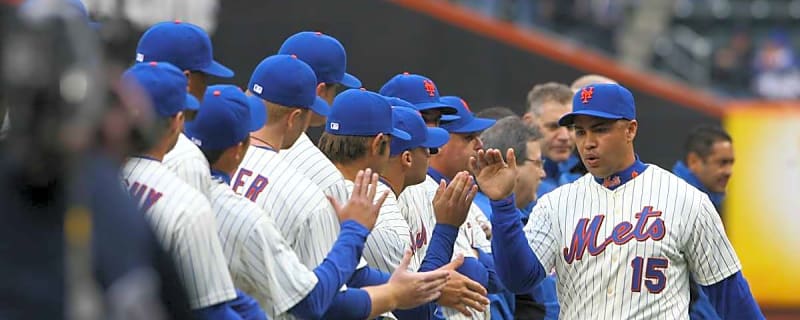
Juan Soto | New York Mets | OF |
| 5 |
|
Jose Ramirez | Cleveland Guardians | 3B |
| 6 |
|
Ronald Acuña Jr. | Atlanta Braves | OF |
| 7 |
|
Corbin Carroll | Arizona Diamondbacks | OF |
| 8 |
|
Tarik Skubal | Detroit Tigers | SP |
| 9 |
|
Paul Skenes | Pittsburgh Panthers | SP |
| 10 |
|
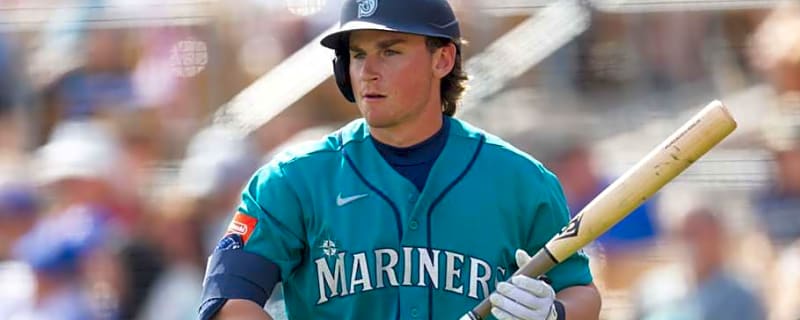
Julio Rodriguez | Seattle Mariners | OF |
| 11 |
|
Elly De La Cruz | Cincinnati Reds | SS |
| 12 |
|
Fernando Tatis Jr. | San Diego Padres | OF |
| 13 |
|
Gunnar Henderson | Baltimore Orioles | SS |
| 14 |
|
Garrett Crochet | Boston Red Sox | SP |
| 15 |
|
Kyle Tucker | Los Angeles Dodgers | OF |
| 16 |
|
Francisco Lindor | New York Mets | SS |
| 17 |
|
Cal Raleigh | Seattle Mariners | C |
| 18 |
|
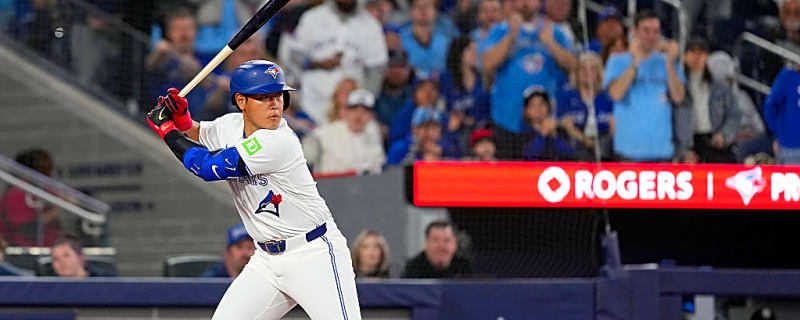
Vladimir Guerrero Jr. | Toronto Blue Jays | 1B |
| 19 |
|
Junior Caminero | Tampa Bay Rays | 3B |
| 20 |
|
Nick Kurtz | Athletics | 1B |
| 21 |
|
Jackson Chourio | Milwaukee Brewers | OF |
| 22 |
|
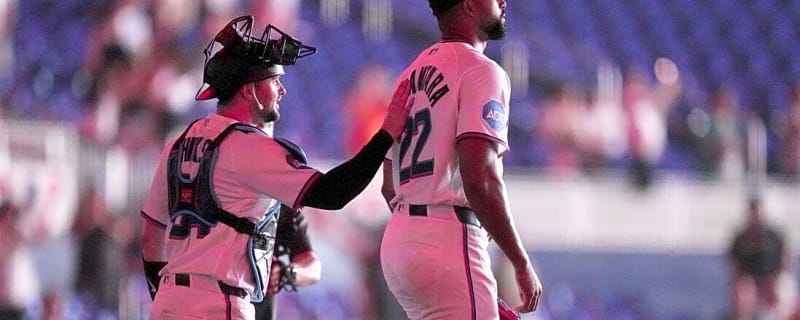
Yoshinobu Yamamoto | Los Angeles Dodgers | SP |
| 23 |
|
Kyle Schwarber | Philadelphia Phillies | DH, OF |
| 24 |
|
Hunter Brown | Houston Astros | SP |
| 25 |
|
Cristopher Sánchez | Philadelphia Phillies | SP |
| 26 |
|
Ketel Marte | Arizona Diamondbacks | 2B |
| 27 |
|
Jazz Chisholm Jr. | New York Yankees | 2B |
| 28 |
|
Pete Alonso | Baltimore Orioles | 1B |
| 29 |
|
Trea Turner | Philadelphia Phillies | SS |
| 30 |
|
Pete Crow-Armstrong | Chicago Cubs | OF |
| 31 |
|
Rafael Devers | San Francisco Giants | 1B |
| 32 |
|
Yordan Alvarez | Houston Astros | OF |
| 33 |
|
Manny Machado | San Diego Padres | 3B |
| 34 |
|
Bryce Harper | Philadelphia Phillies | 1B |
| 35 |
|
Matt Olson | Atlanta Braves | 1B |
| 36 |
|
Logan Gilbert | Seattle Mariners | SP |
| 37 |
|
James Wood | Washington Nationals | OF |
| 38 |
|
Zach Neto | Los Angeles Angels | SS |
| 39 |
|
Logan Webb | San Francisco Giants | SP |
| 40 |
|
Jacob deGrom | Texas Rangers | SP |
| 41 |
|
Cole Ragans | Kansas City Royals | SP |
| 42 |
|
Wyatt Langford | Texas Rangers | OF |
| 43 |
|
Mookie Betts | Los Angeles Dodgers | SS |
| 44 |
|
Brent Rooker | Athletics | OF |
| 45 |
|
Chris Sale | Atlanta Braves | SP |
| 46 |
|
Bryan Woo | Seattle Mariners | SP |
| 47 |
|
Max Fried | New York Yankees | SP |
| 48 |
|
Freddie Freeman | Los Angeles Dodgers | 1B |
| 49 |
|
Austin Riley | Atlanta Braves | 3B |
| 50 |
|
Joe Ryan | Minnesota Twins | SP |
| 51 |
|
Jackson Merrill | San Diego Padres | OF |
| 52 |
|
William Contreras | Milwaukee Brewers | C |
| 53 |
|
Freddy Peralta | Milwaukee Brewers | SP |
| 54 |
|
George Kirby | Seattle Mariners | SP |
| 55 |
|
Dylan Cease | Toronto Blue Jays | SP |
| 56 |
|
Hunter Greene | Cincinnati Reds | SP |
| 57 |
|
Corey Seager | Texas Rangers | SS |
| 58 |
|
Jhoan Duran | Philadelphia Phillies | RP |
| 59 |
|
Edwin Diaz | Los Angeles Dodgers | RP |
| 60 |
|
Mason Miller | San Diego Padres | RP |
| 61 |
|
Roman Anthony | Boston Red Sox | OF |
| 62 |
|
Josh Naylor | Seattle Mariners | 1B |
| 63 |
|
Blake Snell | Los Angeles Dodgers | SP |
| 64 |
|
Riley Greene | Detroit Tigers | OF |
| 65 |
|
Maikel Garcia | Kansas City Royals | 3B |
| 66 |
|
Alex Bregman | Chicago Cubs | 3B |
| 67 |
|
CJ Abrams | Washington Nationals | SS |
| 68 |
|
Jarren Duran | Boston Red Sox | OF |
| 69 |
|
Byron Buxton | Minnesota Twins | OF |
| 70 |
|
Andrés Muñoz | Seattle Mariners | RP |
| 71 |
|
Cody Bellinger | Free Agent | OF |
| 72 |
|
Pablo Lopez | Minnesota Twins | SP |
| 73 |
|
Framber Valdez | Free Agent | SP |
| 74 |
|
Spencer Strider | Atlanta Braves | SP |
| 75 |
|
Spencer Schwellenbach | Atlanta Braves | SP |
| 76 |
|
Geraldo Perdomo | Arizona Diamondbacks | SS |
| 77 |
|
Oneil Cruz | Pittsburgh Pirates | OF |
| 78 |
|
Jesus Luzardo | Philadelphia Phillies | SP |
| 79 |
|
Seiya Suzuki | Chicago Cubs | OF |
| 80 |
|
Bo Bichette | New York Mets | 3B |
| 81 |
|
Randy Arozarena | Seattle Mariners | OF |
| 82 |
|
Nick Pivetta | San Diego Padres | SP |
| 83 |
|
Shea Langeliers | Athletics | C |
| 84 |
|
Willy Adames | San Francisco Giants | SS |
| 85 |
|
Cade Smith | Cleveland Guardians | RP |
| 86 |
|
Josh Hader | Houston Astros | RP |
| 87 |
|
Kyle Bradish | Baltimore Orioles | SP |
| 88 |
|
Eury Perez | Miami Marlins | SP |
| 89 |
|
*Nolan McLean | New York Mets | SP |
| 90 |
|
Sonny Gray | Boston Red Sox | SP |
| 91 |
|
Tyler Soderstrom | Athletics | OF |
| 92 |
|
Vinnie Pasquantino | Kansas City Royals | 1B |
| 93 |
|
Tyler Glasnow | Los Angeles Dodgers | SP |
| 94 |
|
David Bednar | New York Yankees | RP |
| 95 |
|
George Springer | Toronto Blue Jays | OF, DH |
| 96 |
|
Christian Yelich | Milwaukee Brewers | OF, DH |
| 97 |
|
Michael Busch | Chicago Cubs | 1B |
| 98 |
|
Brice Turang | Milwaukee Brewers | 2B |
| 99 |
|
Teoscar Hernandez | Los Angeles Dodgers | OF |
| 100 |
|
Jacob Misiorowski | Milwaukee Brewers | SP |
| 101 |
|
Chase Burns | Cincinnati Reds | SP |
| 102 |
|
Ben Rice | New York Yankees | C, 1B |
| 103 |
|
Eugenio Suarez | Free Agent | 3B |
| 104 |
|
Jordan Westburg | Baltimore Orioles | 2B, 3B |
| 105 |
|
Kevin Gausman | Toronto Blue Jays | SP |
| 106 |
|
Devin Williams | New York Mets | RP |
| 107 |
|
Will Smith | Los Angeles Dodgers | C |
| 108 |
|
Brandon Woodruff | Milwaukee Brewers | SP |
| 109 |
|
Carlos Rodon | New York Yankees | SP |
| 110 |
|
Michael Harris | Atlanta Braves | OF |
| 111 |
|
Nico Hoerner | Chicago Cubs | 2B |
| 112 |
|
Jose Altuve | Houston Astros | 2B, OF |
| 113 |
|
Ryan Helsley | Baltimore Orioles | RP |
| 114 |
|
*Trey Yesavage | Toronto Blue Jays | SP |
| 115 |
|
Yandy Diaz | Tampa Bay Rays | 1B |
| 116 |
|
Michael King | San Diego Padres | SP |
| 117 |
|
Drake Baldwin | Atlanta Braves | C |
| 118 |
|
Robbie Ray | San Francisco Giants | SP |
| 119 |
|
Kyle Stowers | Miami Marlins | OF |
| 120 |
|
Andy Pages | Los Angeles Dodgers | OF |
| 121 |
|
Jeff Hoffman | Toronto Blue Jays | RP |
| 122 |
|
Cam Schlittler | New York Yankees | SP |
| 123 |
|
Salvador Perez | Kansas City Royals | C, 1B |
| 124 |
|
Nathan Eovaldi | Texas Rangers | SP |
| 125 |
|
Brandon Nimmo | New York Mets | OF |
| 126 |
|
Emmet Sheehan | Los Angeles Dodgers | SP |
| 127 |
|
Gavin Williams | Cleveland Guardians | SP |
| 128 |
|
Shane Bieber | Toronto Blue Jays | SP |
| 129 |
|
Ryan Pepiot | Tampa Bay Rays | SP |
| 130 |
|
Nick Lodolo | Cincinnati Reds | SP |
| 131 |
|
Ian Happ | Chicago Cubs | OF |
| 132 |
|
Taylor Ward | Baltimore Orioles | OF |
| 133 |
|
Trevor Megill | Milwaukee Brewers | RP |
| 134 |
|
Jackson Holliday | Baltimore Orioles | 2B |
| 135 |
|
Luke Keaschall | Minnesota Twins | 2B |
| 136 |
|
Luis Castillo | Seattle Mariners | SP |
| 137 |
|
Agustin Ramirez | Miami Marlins | C |
| 138 |
|
Hunter Goodman | Colorado Rockies | C |
| 139 |
|
Trevor Story | Boston Red Sox | SS |
| 140 |
|
Lawrence Butler | Athletics | OF |
| 141 |
|
Jacob Wilson | Athletics | SS |
| 142 |
|
Aroldis Chapman | Boston Red Sox | RP |
| 143 |
|
Mike Trout | Los Angeles Angels | OF, DH |
| 144 |
|
Matt Chapman | San Francisco Giants | 3B |
| 145 |
|
Daniel Palencia | Chicago Cubs | RP |
| 146 |
|
Zack Wheeler | Philadelphia Phillies | SP |
| 147 |
|
Adley Rutschman | Baltimore Orioles | C |
| 148 |
|
Tanner Bibee | Cleveland Guardians | SP |
| 149 |
|
Calos Estevez | Kansas City Royals | RP |
| 150 |
|
Kenley Jansen | Detroit Tigers | RP |
| 151 |
|
Sandy Alcantara | Miami Marlins | SP |
| 152 |
|
Steven Kwan | Cleveland Guardians | OF |
| 153 |
|
Ranger Suarez | Boston Red Sox | SP |
| 154 |
|
Trevor Rogers | Baltimore Orioles | SP |
| 155 |
|
Addison Barger | Toronto Blue Jays | 3B, OF |
| 156 |
|
Cade Horton | Chicago Cubs | SP |
| 157 |
|
MacKenzie Gore | Washington Nationals | SP |
| 158 |
|
Ivan Herrera | St. Louis Cardinals | C |
| 159 |
|
Edward Cabrera | Chicago Cubs | SP |
| 160 |
|
Spencer Torkelson | Detroit Tigers | 1B |
| 161 |
|
Dansby Swanson | Chicago Cubs | SS |
| 162 |
|
Emilio Pagan | Cincinnati Reds | RP |
| 163 |
|
*Bubba Chandler | Pittsburgh Pirates | SP |
| 164 |
|
Drew Rassmussen | Tampa Bay Rays | SP |
| 165 |
|
Yanier Diaz | Houston Astros | C |
| 166 |
|
Daulton Varsho | Toronto Blue Jays | OF |
| 167 |
|
Roki Sasaki | Los Angeles Dodgers | SP |
| 168 |
|
Jo Adell | Los Angeles Angels | OF |
| 169 |
|
Brandon Lowe | Pittsburgh Panthers | 2B |
| 170 |
|
Isaac Paredes | Houston Astros | 3B |
| 171 |
|
Jonathan Aranda | Tampa Bay Rays | 1B |
| 172 |
|
Luis Robert Jr. | New York Mets | OF |
| 173 |
|
Bryan Reynolds | Pittsburgh Pirates | OF |
| 174 |
|
Dennis Santana | Pittsburgh Pirates | RP |
| 175 |
|
Shota Imanaga | Chicago Cubs | SP |
| 176 |
|
Zac Gallen | Free Agent | SP |
| 177 |
|
Christian Walker | Houston Astros | 1B |
| 178 |
|
Pete Fairbanks | Miami Marlins | RP |
| 179 |
|
*Samuel Basallo | Baltimore Orioles | C |
| 180 |
|
Willson Contreras | Boston Red Sox | 1B |
| 181 |
|
Kris Bubic | Kansas City Royals | SP |
| 182 |
|
Jorge Polanco | New York Mets | 1B, 2B |
| 183 |
|
Merrill Kelly | Arizona Diamondbacks | SP |
| 184 |
|
Gerrit Cole | New York Yankees | SP |
| 185 |
|
Colson Montgomery | Chicago White Sox | SS, 3B |
| 186 |
|
Jack Flaherty | Detroit Tigers | SP |
| 187 |
|
Jurickson Profar | Atlanta Braves | OF |
| 188 |
|
Jac Caglianone | Kansas City Royals | OF, 1B |
| 189 |
|
Shane Baz | Baltimore Orioles | SP |
| 190 |
|
Trent Grisham | New York Yankees | OF |
| 191 |
|
Royce Lewis | Minnesota Twins | 3B |
| 192 |
|
Gleyber Torres | Detroit Tigers | 2B |
| 193 |
|
Sal Frelick | Milwaukee Brewers | OF |
| 194 |
|
Noelvi Marte | Cincinnati Reds | OF, 3B |
| 195 |
|
Kerry Carpenter | Detroit Tigers | OF |
| 196 |
|
Xavier Edwards | Miami Marlins | 2B, SS |
| 197 |
|
Aaron Nola | Philadelphia Phillies | SP |
| 198 |
|
Tatsuya Imai | Houston Astros | SP |
| 199 |
|
Ezequiel Tovar | Colorado Rockies | SS |
| 200 |
|
Heliot Ramos | San Francisco Giants | OF |
Age in 2026: 31
2025 Hitting Stats: 158 G, 727 PA, .282/.392/.622, 55 HR, 102 RBI, 146 R, 20 SB
2025 Pitching Stats: 1-1, 14 GS, 47 P, 2.87 ERA, 1.04 WHIP, 11.87 K/9, 1.72 BB/9
If you play in a league with daily lineups, Shohei Ohtani should undoubtedly be your league’s number-one pick. Ideally, with good health, you could get 30 starts of a fantastic pitcher in addition to 450 at-bats of an MVP-caliber hitter.
No other player offers anywhere close to that ceiling. In leagues with weekly lineup changes there is more room for debate, though Ohtani has the offensive upside to be fantasy’s best overall hitter.
Ad
Ad – content continues below
What really needs to be said? Judge is coming off another 50+ home run season while also posting a career-high .331 average. The strikeouts continue to slowly tick down, and we’re seeing the best power hitter in the game improve on the margins. We are watching one of the all-time greats.
Bobby Witt Jr.’s productive 23-homer, 38-steal performance in 2025 was a step back from what he had done the year prior. His ability to terrorize opponents on the basepaths pairs nicely with his plus-hit tool and 30-home run power potential. It wouldn’t be a shock if he had a 40/40 season in him at some point, so he goes in the top three because of that tantalizing ceiling.
Ad
Ad – content continues below
Juan Soto surprised the fantasy world in 2025 adding 38 stolen bases, blowing past a previous career high of 12. The Mets obviously want to utilize him on the basepaths which only helps his value that already carries 40 home runs and a .400 OBP. Even his off years are a 140 wRC+ so you can’t go wrong using a high pick on Soto.
Despite consistently low EVs and below-average bat speed, Jose Ramirez hit 30 home runs yet again in 2025 and stole a career-best 44 bases. He’s been a model of consistency for years and a no-doubt mid-first round draft pick. It’s fair to wonder when regression may come at 33 years of age, but Ramirez certainly showed no signs of slowing down last year.
Ad
Ad – content continues below
You and I both know Acuña and his injury history make him a dice roll this high in the draft. The last full season—2023—saw 41 home runs and 73 bags at an 11% strikeout rate.
I don’t think we’ll see that freakish of a season, but the power and speed have not diminished. If you get over 100 games, the value is already better than a number of outfield options in the top 50.
Corbin Carroll offers similar upside to Witt at a deeper position. He has elite speed and recorded the first 30/30 season of his career in 2025.
Fantasy managers hope that Carroll can combine that 30-homer power with the 54 steals he racked up in 2023 to give them elite producer in the middle of the first round.
Ad
Ad – content continues below
The Cy Young winner somehow managed to top his 2024 production, with a tick up in his strikeout rate and decreases in his walk rate, ERA, and FIP.
I didn’t think he could repeat his amazing 2024 season, let alone beat it. Skubal has posted four straight seasons with a sub-3.00 FIP, and in a contract year, we might be in for the best season yet.
A pitcher drafted in the first round needs to produce like a Cy Young winner in order to return value. Paul Skenes, last year’s NL Cy Young at the age of 23, is as good of a bet as any to do so.
The Pirates have made a few moves to improve their lineup, which hopefully will allow their ace to earn more than 10 wins in 2026.
Ad – content continues below
I think we are getting to the point where Julio Rodriguez will start to switch from star to superstar. At 24, Julio already has two 30/30 seasons while still having room to grow. He’s managed to stay healthy and on the field, for the most part, which is always a great sign for a high draft pick investment. If he can lift the ball a little more the power could climb to 40 homers.
Elly De La Cruz has immense potential, but hasn’t fully realized it yet. For fantasy, his first round value stems from his ability to steal bases (he’s swiped 35 bags or more in each full season of his career).
De La Cruz’s 117.4-mph max EV was 11th in baseball last season, but the swing-and-miss in his game keeps him just outside of the top 10.
Ad
Ad – content continues below
Fernando Tatis hasn’t reached the highs we saw in 2021, but he’s developed into a great all-around hitter. A consistent 25 home runs and stolen bases, along with an OBP that continues to improve, is something any fantasy lineup needs. You won’t find many players making better contact, and if he can unlock a little more lift, watch out.
Gunnar Henderson hit 37 home runs in 2024 and then just 17 last season, making him tough to rank at the top of fantasy drafts.
Despite the power outage, Henderson’s bat speed was still in the top 10% of hitters – rendering a bounce-back in that department likely. He also stole a career-high 30 bases last season, which adds to his perceived floor.
Ad
Ad – content continues below
Garrett Crochett’s first season in Boston was memorable. Over 200 innings with a 2.59 ERA, 2.89 FIP, and 11 K/9. Elite command paired with three different pitches that produced a whiff rate over 30% is a combination everyone could use.
Questions about health in year two of starting were answered, with authority. I think Boston will even get him a few more wins this season.
Kyle Tucker is a solid, five-category roto producer that may not lead the league in any one statistic but will be among the best in many metrics.
He was off to a torrid start in 2024 (.993 OPS) before a shin fracture derailed his season in June, so a first-round ceiling is there. Bonus points for Tucker if your league counts OBP instead of batting average.
Ad
Ad – content continues below
Francisco Lindor was one stolen base away from three straight 30/30 seasons. He’s somehow managed to become underrated despite elite production and four-straight seasons of playing 150 or more games. Consistency is so important when drafting high and knowing exactly what you’ll get is a big reason why we value Lindor so highly.
Cal Raleigh ranks as far and away the number-one catcher in fantasy after a 60 home run outburst in 2025. Given that his power is so extreme at a shallow position, it’s hard to pass on Raleigh in the mid-second round.
It’s possible that Raleigh may go in the first round in some leagues, as managers will have differing opinions regarding the value of legitimate power from a catcher.
Ad
Ad – content continues below
Vladimir Guerrero Jr. is a difficult player to value. His elite bat to ball skills give you a certain baseline that makes you comfortable, but the power seems to max out around 30, although it feels like it shouldn’t. With an even better lineup around him for 2026, it’s hard to ignore the run production upside. High floor, high ceiling.
Junior Caminero isn’t as polished of a hitter as Guerrero but strikes out less than Kurtz, which is how he finds himself sandwiched between the top-two first basemen in our rankings.
Caminero’s bat speed (78.5 mph) was second in all of baseball last season and he hit 45 home runs. It’s fair to wonder how the Rays’ move back to the Trop will impact him after playing last season in a humid, outdoor environment.
Ad
Ad – content continues below
Nick Kurtz posting 36 home runs in only 117 games, as a rookie, is bonkers. The power is truly elite, but he offers more than just home runs. Kurtz showed a willingness to go the other way and not try to do too much with every single pitch.
The strikeouts will need to improve, but imagine the numbers if he can get to even a 26% K%? The type of talent that could be near the top after next season.
Jackson Chourio has recorded 20/20 seasons in each of his first two years as a major leaguer.
Now, at age-22, we hope to see him cut down on swinging at pitches out of the zone (36.9% chase rate). Chourio has well-above average sprint speed and plus-bat speed, giving him the necessary ingredients to be a 30/30 candidate this season.
Ad
Ad – content continues below
What makes Yoshinobu Yamamoto so dangerous is the amount of ways he can get you out.
A true six-pitch mix that produced nearly a 30% whiff rate that can rack up strikeouts. If he doesn’t have his best stuff he’s not afraid to go splitter heavy, get groundballs, and limit damage. A fantastic pitcher on the most talented team is always a fantasy cheap code.
He may just be a DH primarily, but Kyle Schwarber’s 56-homer, 132-RBI season can only be ignored on draft boards for so long. Schwarber has hit at least 38 home runs in each of the past four seasons and has alleviated batting average concerns with an xBA of .255 over the past two campaigns.
Ad
Ad – content continues below
The keys have been handed to Hunter Brown to finally claim the ace title in Houston, and rightfully so. The righty has improved each year since his 2022 debut, and his improved command last season leads me to believe another step forward is possible. You can count on 175+ strikeouts and 30 starts as a baseline, with the sky as the limit.
Cristopher Sanchez threw 202 innings with a 2.50 ERA last season for a good Phillies team. He doesn’t throw quite as hard as most of the other starters ranked this highly (95.4-mph fastball velocity), but he gets ground balls at an elite rate (58.5%). His 20.8% K-BB% from 2025 reflects strongly on his ability to repeat as a top pitcher again in 2026.
Ad
Ad – content continues below
Second base can be a difficult position in fantasy with limited depth. Ketel Marte has been consistently one of, if not the best, option for three-straight seasons.
Low strikeout, high walk rates, power, advantageous spot in the batting order, and an above-average lineup. You know what the production will look like, but health can be a question.
After injuries shortened successful seasons for Jazz Chisholm Jr. earlier in his career, he’s been healthy and productive in the past two.
Last season, Chisholm joined the 30/30 club for the first time in his career and will continue to call Yankee Stadium home in 2026. Chisholm strikes out a lot but has a knack for finding the barrel and is an opportunistic baserunner.
Pete Alonso has gone five-straight seasons playing in at least 150 games and hitting 34 or more home runs.
The move to Baltimore should actually help his power production and after the questions about his value the past two offseasons, Alonso is out to prove something. Taking on a leadership role on a new team, Alonso could be in line for a monster season.
Trea Turner’s power has declined in each of the past two seasons, but his speed and ability to hit for average is still keeping him relevant in the early rounds. If he could turn in a 20/30 season with a .290 average, you’d take that at this spot.
Pete Crow-Armstrong is the exact type of player that makes fantasy owners nervous.
All the tools in the world, flashes of brilliance, and vast stretches of poor play. In terms of risky picks, this one could be up there. But, we still saw 31 home runs and 35 stolen bases in 2025. The talent is undeniable, you just have to hope his approach doesn’t take too much value away.
Rafael Devers is consistently a productive power hitter and recorded over 700 plate appearances last year despite injury concerns in spring training. He’s likely lost 3B eligibility in your league, which hurts his value slightly, but he’s still an early-round power source.
Yordan Alvarez is easily one of the top 10 most talented hitters in baseball. However, injury has limited him at times and his power dip in 2025, although mostly due to injury, cannot be ignored.
It is still doubtful we see another sub-.200 ISO out of Alvarez and he’s a great selection for those who drafted consistent players early.
Manny Machado has been as steady as they come in terms of health and production for years now. He stole 14 bases last season for the first time since 2018, which gives managers even more of an incentive to start considering him in the third round of drafts.
Last season, Bryce Harper was slightly less productive than what we have come to know in recent years. We actually see that as a reason to draft him, as his draft value might be down a hair.
While there may not be any more MVPs in his future, Harper is not a player who is at a great risk to decline, especially now that he has taken so well to first base to put less wear on his body. With a better roster around him the run production might actually help him have one of his best seasons. Keep in mind, 10 or so stolen bases out of your 1B is great for fantasy.
Since crushing a whopping 54 round trippers in 2023, Matt Olson has followed up that tremendous season with back-to-back 29-homer campaigns. Olson is still piecing the ball (top 5% in avg. exit velocity last season) and walking at a stellar clip (12.6%), so there’s no reason to believe that serious regression is in the cards this year.
Logan Gilbert has been a workhorse ace for Seattle and I think 2025 was the best he has looked. For the first time we saw a K/9 breach 11 while the command was still in check.
You can book him for a a sub 3.75 ERA and hopefully he gets back to around 200 innings. Another example of a consistent pitcher that you need to stack on your team.
Which James Wood will we get in 2026? In the first half, he slashed .278/.381/.534 with 24 home runs and a 27.6% K-rate.
In the second half, his line was .223/.301/.388 with seven homers and a 39% strikeout rate. First half Wood is a top-25 player, while second half Wood is borderline undraftable. Given that he’s just 23, it’s hard not to dream about the tantalizing upside here.
The baseball world does not give Zach Neto the credit he is due. The Angels shortstop has been in a baren lineup putting up back to back 20/20 seasons and has the tools to push 30/30, which he would have reached last season if not for injury. The power (.217 ISO) was much better in 2025 and we see that as a trend that will continue in 2026.
Logan Webb has led the National League in innings pitched for three straight seasons and has never had an ERA above 3.50 in any of those years.
His strikeout rate took a big jump to 26.2%, which is why you’ll find Webb ranked higher than ever before. You’ll have to pay a hefty price for his durability now.
Jacob deGrom finally had a healthy season and it resulted in a 2.97 ERA, 3.64 FIP, and 9.64 K/9. You know the player and ability.
The stuff might not be as elite as it once was but the command still is. I’m not sure how many more years deGrom will be pitching, but after what we saw last year I think 2026 is a safe bet to draft him relatively high.
Cole Ragans made just 13 starts last season, primarily due to a rotator cuff strain. When he was healthy, he was missing bats an an elite level – as his 38.1% K-rate indicates.
Ragans was one of the best pitchers in baseball in 2024 and the only drawback is that he may have a slight innings restriction.
Wyatt Langford is one of those guys you watch and saw “that’s just a damn good baseball player.” He’s not going to lead the league in any one offensive category but he offers enough to make him worth a top 50 selection. Oh yeah, he’s only 24 years old and still has another level he can reach. Bank on 20/20, dream for more.
Mookie Betts has seen a big dropoff in bat speed and exit velocity over the past two seasons, to the point where it’s hard to consider him an elite option anymore.
It’s possible that the more significant drop-off last year was due to a lingering illness in spring training, where he reportedly lost 15 lbs. in just a few weeks. There’s plenty of upside here if he regains form – but it’s possible that at age-33, he may never be a leading MVP contender again.
Brent Rooker playing in a minor league stadium as his home field always leaves the possibility of a high home run total. Sure, the 30 he posted in 2025 was a bit of a step back, but he cut his strikeout rate, substantially, for the third straight season. His value as a power hitter who is also improving his on swing and miss gives him a great profile, especially in points leagues.
On a per-inning basis, Chris Sale is still one of the best pitchers in baseball. At age-37, given his injury history, he feels like one of the riskier options to take as a SP1. However, all starting pitchers are an injury risk in 2026 and there’s only so far that a player of his talent level can fall.
Bryan Woo started 30 games for the first time in his career and continued to develop and make progress. His K/9 jumped back up over 9 K/9 while the ERA, for a second straight year, was under 3.00. Considering how much he has continued to improve and now that he’s entering his prime, we expect Woo to once again be a fixture near the top of Seattle’s rotation.
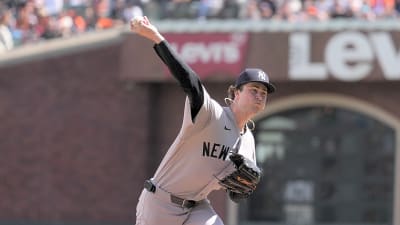
Max Fried had a successful first season in the Bronx, tossing nearly 200 innings at a sub-three ERA with 19 wins. He’d be a weak SP1 on a fantasy squad due to a lower strikeout percentage, but a safe, solid SP2 – especially if you end up with an older SP1 like deGrom or Sale.
Freddie Freeman is starting to get up there in age, but will always deliver a high average and OBP. The power can be a bit of a concern, especially for first base, but we aren’t going to be the one’s who are too low on Freddie Freeman. The track record is far too strong and the run production opportunities are still there.
After hitting 37 homers in 2023, Austin Riley has been less productive and more banged-up in each of the past two seasons. He still has top-tier power potential: his average exit velocity (92.3 mph), barrel rate (15.2%) and bat speed (75.9 mph) were all in the top 10% of major leaguers last year. If he could cut down on the strikeouts, it’s easy to see Riley making a big impact in 2026.
Other than the team that he’s on, there’s few things to not like about Joe Ryan. He’s going to get you strikeouts, limit walks, and pitch to around a 3.50 ERA. The issue? Wins might not be often and he will not rack up the innings that push guys higher on the list.
Still, a great value that you won’t regret.
Jackson Merrill was being drafted around the top-25 last year and ended up being one of the biggest busts of the season.
The most surprising part of his fall-off was that a young player with above-average sprint speed would steal just one base after swiping 16 bags the year prior. Merrill’s .348 xwOBA indicates that he was still a good major league hitter and hopefully he can rebound in 2026.
Last season was a slight step back for William Contreras, who saw his power dip below 20 home runs and his average below .275 for the first time in the past four seasons.
However, under the hood, nothing looked too alarming. We still view Contreras as a high-end offensive catcher and are more than willing to draft him in this range. Catcher is too thin to get cute.
Last season, Freddy Peralta had the best year of his career. His 19.1% K-BB% was stellar and pitching a career-high 176.2 innings made him a huge value towards the back-end of the top-100 in drafts. He’ll be a free agent after this season and will hope to capitalize on this momentum.
George Kirby, the command artist, posted a career high 29 walks last season in a career low 126 innings. But, his strikeout rate went up to nearly 10 K/9.
If walking a couple more batters helps his strikeout rate this is a rare case were we are perfectly fine with it. He still produces enough groundballs to limit damage. Don’t let to 4.21 ERA distract you from his 3.37 FIP. Kirby is still a very good option in this range.
His 4.55 ERA last season was frustrating, but Dylan Cease was a four-win pitcher in 2024 and was worth six wins in 2022 (per fWAR). His 29.8% strikeout rate was elite, while his lack of command is what can cause fluctuations in his performance from year-to-year. The good can be great with Cease, which is why it will be difficult to let him fall too far out of the top 50.
Hunter Greene established that he’s a pitcher, not a thrower, in 2025. His command on his fastball was by far the best we have seen it which only helped him produce more strikeouts while also keeping his ERA under 3.00 for a second straight season. He’d be much higher on this list if not for the injury concerns than come up each year.
Corey Seager hasn’t reached 550 plate appearances in a season in each of the past three years, but is still mashing like an elite player when healthy. He’s a fantastic four category roto producer whose ceiling is that of a top-25 player if he can stay healthy in his age-32 season.
Jhoan Duran just keeps getting better. Last year he fixed one of his bigger problems – allowing home runs. A trend that has lasted a few years, now. The strikeouts will always be there and now on the Phillies, save opportunities will be plenty. We believe Duran is still ascending as a player.
Edwin Diaz has been a marquee closer for years and now will be saving games for the back-to-back World Series champions. After an elite 2025 season, it’s hard not to dream on 40+ save potential here.
The trade to the Padres bumped Mason Miller’s fantasy value simply off save opportunities alone. He’s still going to walk more batters than you would like, but he more than makes up for it with his strikeouts. Back to back years with a sub-2.70 ERA and I’d be willing to bet he surpasses 30, no 35, saves this season.
In his 71-game stint as a major leaguer in 2025, Roman Anthony was as advertised. He crushed the ball, lifted it, and took his walks. If his strikeout rate comes down from the 27.7% that we saw last year, we could be looking at a top-25 player here.
In just his age-22 season, ranking Anthony number 61 is an overly safe, perhaps too low, valuation – which speaks to his talent.
Josh Naylor can be a tricky fantasy first baseman because his power isn’t great and his home ballpark won’t do him many favors. But, he’s not going to strikeout and obviously he’s figured something out on the basepaths.
Stealing 30 bags last year was not a coincidence. A high floor player that should be attractive, especially to safe players.
It doesn’t matter that Blake Snell has shaky command, he dominates anyways. The risk associated with drafting Snell is that he’s only thrown 130 innings in the regular season once in the 2020s. He will produce like an ace, but will also probably land on the injured list at some point.
Riley Greene hit 36 home runs last season at age 24. He also struck out 30.7% of the time and goes through some awful slumps.
We think he’s still developing and expect less home runs, but a more well rounded season from Greene. If he can improve his OBP due to a reduction of strikeouts you could be looking at a steal at this point in the draft.
Maikel Garcia took a big step forward in 2025, more than doubling his home run output from seven to 16. His stolen base output fell from 37 to 23 bags, but at this price you aren’t banking on him carrying you in steals. Garcia has the bat-to-ball ability that inspires confidence in him being a top-100 player.
Age in 2026: 32
2025 Stats: 114 G, 495 PA, .273/.360/.462, 18 HR, 62 RBI, 64 R, 1 SB
To be frank, we don’t care where Alex Bregman plays in 2026. That’s how good, and consistent, the production has been. He presents a high floor and although the power is not going to stand out, it’s enough. There’s still a few more years left before father time claims some regression.
CJ Abrams is a solid player, but it’s hard to see him being a top-tier fantasy contributor unless he starts to hit the ball harder. He’s been about a 20/30 player in each of the past few seasons, but his exit velos and bat speed are below average. It doesn’t seem like there’s a ceiling much higher than what we’ve seen, barring improvements.
Jarren Duran took a slight step back in 2025 but still posted a 111 wRC+ to go along with 24 stolen bases. We are betting on a bounce back with hopes of Duran returning to his 20/20 potential while also hitting much closer to .280 than .250. We aren’t sure if we truly know what level of player Duran really is, but 2026 should answer than question.
It happened. Byron Buxton stayed healthy all season and he was a beast. If it were a guarantee that he’d accumulate 600 plate appearances, he’d probably go in the first few rounds.
Since his health hasn’t been a certainty for the majority of the career, you can get a good player at a bargain if you’re willing to take the risk.
Andrés Muñoz comes with a 12 K/9 and a groundball rate over 50%, a combination we always like to target in fantasy.
Last season was his best to date and the continued improvements year over year lead us to believe 2026 will be his best yet. Seattle will once again be in World Series contention giving him plenty of save opportunities.
Give Bellinger credit – he’s reestablished himself as a reliable fantasy entity after a massive fall-off. He doesn’t hit the ball or swing the bat particularly hard compared to his peers but he lifts the ball and doesn’t often strike out.
By drafting Bellinger, you’re likely hoping for a 25 homer/15 steal campaign.
You would love for Pablo Lopez to be on a better team to boost his win totals, but the Twins have a great shot anytime he is on the mound. The production has never been a question with Lopez, but his health does keep him from being higher on this list.
We think he’s well worth the selection here and could turn out to be a great value, especially if he is moved at any point this year.
Framber Valdez isn’t a fantasy ace, though he’s been a dependable SP2 or SP3 for years. He’s racked up innings, gotten wins, and given fantasy managers solid ratios.
His fastball velocity and whiff rate are both about league average, so there’s a lower ceiling than the other pitchers in this area. You’re drafting Valdez for his past dependable production.
The Spencer Strider we saw last season – 4.45 ERA, 4.24 FIP, 9.41 K/9 – is much different than the pitcher we saw in previous years. It is difficult to rank these players who have come back from injury, but not quite fully back. You know the massive upside, but the risk has to be considered as well.
The fractured elbow that prematurely ended Spencer Schwellenbach’s 2025 season was a major bummer. He was cruising to a three ERA in over 100 innings with an outstanding 4.1% walk rate. Had he made it through an entire season healthy, he’d likely be drafted a couple of rounds higher. He’s a risk, but one that could pay off handsomely.
What a year it was for Geraldo Perdomo, who continues to prove people wrong. Last season Perdomo drastically changed his fantasy value by launching 20 home runs, 17 more than the year prior. A high average, low strikeout rate, and 20 stolen bases are almost guaranteed.
But will the power revert back to career norms? If he hits 20 again you’ll see him much higher on next year’s list.
Oneil Cruz has tantalizing upside. He hits the ball harder than anyone in the league on average and is among the fastest on the basepaths. If he can lower that abhorrent 32% strikeout rate, he’d be a massive bargain.
Jesus Luzardo was much better than his numbers indicate. A 3.92 ERA and 2.90 FIP are still great, but two starts, back -to-back, made those already good numbers much worse.
He was on another level most of the year but will need to show that’s his standard going forward. Injuries and cold streaks have been an issue in the past which makes him lower than some might have him.
Seiya Suzuki is a solid power bat that saw a fall-off in batting average and offers no speed. 25 of Suzuki’s 32 homers came in the first half, so his .213 average with seven homers in the second half lowers his price. He could be a good source of homers at a discount.
Bo Bichette bounced back from his worst season in 2024 to arguably his best in 2025. We think 2024 can be tossed out the window after seeing Bichette get back to what made him such a great player in years prior. High average, low strikeout rate, around 20 home runs. No matter where he plays you can draft a comfortable baseline of production.
Randy Arozarena has been 20% better than a league average bat by wRC+ in four out of the last five seasons (114 wRC+ in 2024). He’s a dependable, high floor source of power and speed. It remains to be seen if he’ll make another 30/30 push, but he’s likely to give you 20/20.
A 2.97 ERA and 3.49 FIP are numbers you should feel comfortable drafting in the top 100. Nick Pivetta did have a much lower home run to fly ball rate than career numbers would suggest, while the expected numbers give us hesitation from reaching for him higher in the draft. Willing to see if San Diego truly unlocked something in this range, however.
Shea Langeliers, the ninth overall pick of the 2019 draft, erupted offensively last season and became one of fantasy baseball’s best backstops. His average exit velo was 20% better than league average and he struck out at about an average rate.
Given that he still gets to play half of his games in Sutter Health Park, Langeliers feels like a safe bet to hit for good power – especially as a catcher.
After posting a .680 OPS in the first half, Willy Adames took off to the tune of a .828 OPS the rest of the way. We know the profile is power reliant, but 30 home runs in three of the past four seasons is consistent enough to justify this ranking. His offense has been up and down outside of the power output, so beware if you are in a league that values average.
Cade Smith is an elite reliever who became the Guardians’ de facto closer after Emmanuel Clase got suspended. His 28.4% K-BB% was outstanding and evidences just how effectively he can pitch in the strike zone.
There’s no news about Clase being able to return anytime soon, so Smith is worthy of going as a top-100 pick in drafts.
By now you know what to expect from Josh Hader. High strikeout numbers, 30-35 saves, and left wishing he threw more innings (from a fantasy perspective).
Houston is not taking a step back and should give Hader a lot of opportunity to accumulate saves. If you aren’t willing to draft a closer higher than this range than Hader will be one of the last reliable and consistent track record options left. Choose wisely.
Kyle Bradish has only thrown 71.1 innings since the end of the 2023 season, due to a torn UCL in June of 2024. When he’s been on the bump, he’s looked great. Bradish’s 37.3% strikeout rate in 32 innings upon his return last season was stellar. You may not be drafting a workhorse in Bradish, but he’s a talented arm leading the staff of a team with a strong offense.
We are dipping into the range where consistency starts to become less common and upside chases are welcomed. Eury Perez has been a great pitcher when he’s been healthy. He comes with plus stuff and an ability to rack up strikeouts, but his command can lead to some loud contact. One of our favorite young pitchers to follow this season.
Every year, a few relatively young and inexperienced arms assert themselves as worthy of top-20 SP consideration going forward. Nolan McLean, who threw just 48 innings in the majors last season, looks like a favorite to make that jump. McLean possesses a gross six-pitch arsenal, where each pitch was rated as above average by Stuff+.
Sonny Gray moving to Boston gives him a little bit of a boost. As he’s aged he’s adapted by throwing his fastball less and using his pitch mix to keep hitters off balance.
His 4.28 ERA last season does not tell the full story and we believe the work Boston has done with pitchers recently gives Gray a great chance to maximize his value.
Tyler Soderstrom was a good hitter last season. He hit the ball hard while striking out and walking at reasonable rates. He hasn’t shown much stolen base upside, but playing in that hitter-friendly home park gives him plenty of appeal in the other four traditional roto categories.
Vinnie Pasquantino has been a frustrating player to have on your fantasy teams at times.
Last seasons power was the breakout we were all hoping for as he launched 32 home runs across 160 games. The contact has always been loud and a tick up in his lift help take him to another level. We hope to see more of the same in 2026.
Tyler Glasnow can be a frustrating pitcher to own because when he’s healthy, he’s legitimately dominant. The issue is drafting him is that he seems to find a way to get injured and miss time just about every year. If you could guarantee Glasnow 180 innings, he’d be a top-50 overall pick. However, his career-best in innings over ten years is just 134.
I think it’s fair to say 2024 was simply an off year for David Bednar. He returned to form pitching to a 2.30 ERA, 2.18 FIP, and striking out 12.35 K/9.
The Yankees have less cooks in the closers kitchen and Bednar will once again get most save situation opportunities. If you are willing to dismiss 2024 you are looking at one of the more consistent arms out of any bullpen.
After performing like father time was on the way in 2024, Springer re-emerged in 2025 in a massive way. He was one of the biggest bargains in drafts last season and legitimately looked like a different hitter from a batted-ball perspective. It’s reasonable to show some skepticism for a player at age 36, which is why we’ve ranked Springer as a fringe top-100 player.
The power has returned for Christian Yelich, launching 29 home runs across 150 games. He still draws his walks and hits for average, but the injury concern is still there. Back injuries are scary and can flare up, but playing 150 games last season makes me more comfortable with this selection.
Despite being in the bottom 20% in baseball in bat speed, Michael Busch still mashed. On average, he hit the ball harder than 90% of major leaguers and was in the top 5% in barrel rate.
The low bat speed does make him a risky bet for another 30+ home run season, but it’s clear that he has a great feel for the barrel and can be a productive hitter.
Where you value Brice Turang will all come down to how much you believe in his 18 home runs last season. We are buying into his jump in average exit velocity from 87 mph to 91.1 mph and thinking a 15 home run season is the new baseline. Speed, high OBP, and plays everyday is a good combination for your second baseman. We’ll see if the 124 wRC+ last season was real or not.
Teoscar Hernandez regressed a bit in 2025: he didn’t hit the ball as hard and had a career-worst walk rate. He’s protected by other great hitters in the Dodgers’ lineup, so he’s worth a gamble around pick 100 to see if he can get back on track this coming year.
Jacob Misiorowski getting an All-Star bid made a lot of people hyperfocus on his flaws. Yes, a rookie pitcher walked too many batters. He also struck out 32% of hitters, which is not something that simply grows on trees.
We trust the Brewers pitching department and know Misiorowski has the stuff to become a front line guy. A great upside play in this range.
Chase Burns throws ched. He may not always be able to control it, but if Burns can maintain the 27.1% K-BB% he posted last season in 43.1 innings, he may not need to. In all seriousness, there are reasonable concerns about his command – but Burns is so talented that I don’t see how he could fall much farther than this.
Ben Rice having catcher and first base eligibility makes him even more interesting that his bat alone. Cutting his strikeout rate by nearly 10% and launching 26 home runs with a 133 wRC+ is strong no matter what position he plays.
They expected stats paint an even better picture for the slugger who is still growing into his game and could take a massive step forward in 2026.
Eugenio Suarez hits dingers. He’s great at finding the barrel and has over 300 career home runs. There are some concerns, his average bat speed and well-below average strikeout rate don’t point to another near-50 homer season. It’s probably reasonable to hope for 30 homers with a .230 average from the veteran.
Jordan Westburg is a difficult player to rank. We see a high floor player in a great lineup with a lot of run production opportunity, enough power to justify the ranking, and positional flexibility that helps build your team. Just how high is his ceiling? A healthy 162 could see him reach 30 home runs. His OBP does take a little off his value.
Kevin Gausman doesn’t have ace-upside at 35, but he’s been as steady as they come over the past few years. Gausman has pitched at least 174 innings in each of the past five seasons, posting a sub-four ERA in all of those campaigns. After throwing over 230 innings last season (including playoffs), hopefully Gausman recovers this offseason and continues to be his usual, durable self.
Devin Williams was a victim of Yankees fans simply being mad. Yes, he was not perfect, but he still posted a 2.68 FIP with 13 K/9 and a 44% groundball rate. He hasn’t posted a FIP over 3.00 since his rookie year where he pitched 13 innings. Everything looks good under the hood and I expect a much better ERA number in 2026.
WIll Smith may not hit a lot of home runs, but he’s a great offensive contributor otherwise. He hits the ball hard consistently, hits it in the air, and takes his walks.
After hitting nearly .300 with 17 homers in 436 plate appearances last season, there’s no reason not to expect Smith to be productive again in 2026.
Ranking players who came off injury and provided a small sample size is always difficult. It becomes less difficult when they have a career 3.10 ERA and 3.19 FIP across 745 innings.
Brandon Woodruff returned last season and looked magnificent. An 11.55 K/9 paired with elite command led to a 3.20 ERA and 3.17 FIP across 64.2 innings. Injury will keep him from breaking into the top 100 but we think he’s a steal in this range.
Carlos Rodon is a good pitcher on a good team who is good at getting strikeouts. There’s a lot to like. It’s surprising that he’s ranked so low by other outlets. He seems like a safe bet to be a valuable SP if he’s able to remain healthy, which he has for the past two seasons.
Are we buying too much into Michael Harris’ second half .845 OPS? Perhaps, but it’s hard to ignore the 14 home runs across 67 games. He can be a frustrating player who doesn’t walk at all but the 20/20 talent is there and we are buying into a step forward for 2026. The expected .271 xBA and .432 xSLG gives us some hope.
Nico Hoerner is a strong contributor in batting average, runs, and stolen bases. Since 2B is so weak as a position this year, Hoerner, an established entity, will still get drafted around pick 100 even though he’s likely to hit less than ten home runs.
Ranking a legend like Jose Altuve at age 36 is a difficult task. The batted ball data has never been a strength but 2025 set new lows.
Yet, he managed to hit 26 home runs thanks to the Crawford boxes grabbing 15. We are stuck between avoiding the declining star and kicking ourselves for not believing in a player who constituently put up production.
Ryan Helsley was great in 2024, solid in the first half of 2025, and then completely collapsed down the stretch last season. He ended up in a great spot in free agency: Baltimore is aiming to win now and will be without Felix Bautista this season. Helsley is likely to have a long leash in the Orioles’ closer role.
Age in 2026: 22
2025 Stats: 1-0, 3 GS, 14 IP, 3.31 ERA, 1.43 WHIP, 10.29 K/9, 4.50 BB/9
*Just Baseball’s Top 100 Ranking: No. 6
Trey Yesavage was one of the better stories in all of baseball last season. The quick riser made a total of eight starts in a Blue Jays uniform but left an impression.
A unique delivery with funky stuff led to a 3.21 ERA and 2.35 FIP in the regular season and 3.58 ERA in the playoffs. Walks are likely to be an issue, but the stuff is too good to wait much longer in your draft.
Yandy Diaz was a great value at around pick 200 in drafts last season. He has always hit the cover off of the baseball, but hits too many ground balls to be an elite fantasy 1B.
Last season, with a minor league home park, he was able to swat 25 homers. He’s a great source of batting average, but it’s hard to bank on more than 20 long balls barring a sudden change in approach at age 34.
The transition to a starter has worked well for Michael King, although he was limited to only 15 starts last season. His 2024 season was a 2.95 ERA with a 3.33 FIP with over 200 innings while 2025 was not quite as successful, likely due to injury. He’ll need to bounce back, but we think there’s a solid enough baseline with upside that feels somewhat safe.
Drake Baldwin had an outstanding offensive season from a rookie catcher and brought home some hardware as a result. The Braves do also have Sean Murphy on the roster, but they’d be foolish not to give Baldwin ample opportunities to improve upon his impressive 2025 campaign.
Robbie Ray can be a wild card to have on your fantasy team. Injuries, blow up starts, and 12 K outings are not uncommon. Last season was a major statement returning after missing nearly two full seasons and throwing 182.1 innings at a 3.65 ERA, 3.93 FIP.
I doubt we get the same level of swing and miss as he continues to age but a proven vet as your third or fourth starter on your team is still good value.
Kyle Stowers broke out in a big way in 2025, hitting for better than a .900 OPS in over 450 plate appearances. His season was cut short due to injury, but the All-Star is certain to be in the middle of the Marlins’ lineup on Opening Day. There’s some swing-and-miss concerns, but he’s able to mitigate those concerns with great exit velos.
Hitting 27 home runs and stealing 14 bags while playing everyday in a stacked Dodgers lineup gives me hope for Andy Pages to be a great fantasy player in 2026.
There’s some reservations about how true that home run number will be going forward and his low OBP does raise some concerns. But, at 25 years old, you could see improvements happening as well.
Jeff Hoffman’s 4.37 ERA and 4.90 FIP were alarming but mostly due to an uncharacteristic 20% home run to fly ball rate. The strikeouts were still there, but command was less than previous years.
There’s enough track record and underlying data to assume 2026 will be a better fantasy data and considering he’s closing games for one of the best teams he should have plenty of opportunity.
Cam Schlittler showed a ton of promise across his first 14 major league starts pitching to a 2.95 ERA and 3.74 FIP. Every pitch outside of his sweeper (the least used) resulted in a 20% or higher whiff rate while his 98 mph fastball led the way at 27.9%.
The strikeout stuff is there, but we expect some growing pains along the way. Still, a pitcher that we see as a great upside play if you have gone the safe route so far in your draft.
Salvador Perez is a household name for power at the catcher position. His batting average fell off a bit in 2025, but his xBA (.269) leads one to believe that he’ll be able to bounce back in that category this coming season.
At 35 years of age, “Salvy” still appears to be a slam-dunk top ten fantasy backstop.
Nathan Eovaldi hasn’t posted an ERA over 4.00 since 2019. Last season he was limited to only 22 starts but pitched to a 1.73 ERA and 2.80 FIP while looking elite in every aspect.
Age and injury does change his value, but it hard to ignore how great he has been. Even if you expect to only get 20 or so starts out of him, it’s worth it at this part of the draft.
The long time Met is not quite what he was from 2020-2023, but he’s still a very productive hitter.
At this point I think he falls under the high floor, safe pick that can help stabilize your team if you plan to go risky upside elsewhere. Would you be surprised if a change of scenery sparked a big year? We wouldn’t be.
Emmet Sheehan did not have a large sample in 2025 but did impress pitching to a 2.82 ERA and 2.93 FIP. A lethal slider and change up paired with a 96 mph fastball gives him the upside of a frontline starter. After missing 2024 and pitching less than 100 innings last season this selection comes with some workload concerns which is why he’s ultimately not higher.
Gavin Williams is a hard-thrower that’s been held back by command issues. He made it through 167.2 innings with a 24.6% strikeout rate, so there’s potential for good upside with proven durability. The Guardians have had a knack for developing good pitching in the past.
Shane Bieber has only pitched 52.1 innings over the past two seasons, but he has excellent command and is still just 30 years of age. The 2020 Cy Young winner will be pitching for a good Blue Jays team, so there’s potential for wins and good ratios here.
Ryan Pepiot made it through pitching at a minor league park as his home stadium with a sub-4 ERA, and is headed back to the Trop for 2026. His 15.6 K-BB% was alright, though he didn’t flash ace-upside. Pepiot feels like a high-floor pick in the middle stages of a draft.
Nick Lodolo was an effective arm last season. He was elite at getting batters to chase out of the zone, but also elite at limiting walks. It’s clear that hitters have trouble picking up his offerings and he’s going to be able to get outs as long as he stays on the mound.
There aren’t many players that you can plug in for 150 games, 20 home runs, and a .340 OBP year in and year out, but that’s exactly what Ian Happ has become. A 115-120ish wRC+ with some power who draws walks and hits in the middle of a very good, and hopefully improving, lineup.
Sometimes you need consistency and a player who rarely misses time to balance your team and Happ gives you just that.
Taylor Ward set a career high in home runs last season with 35 and he’s moving to an Orioles lineup with much more protection. He will likely be a detriment to your team in batting average and stolen bases, but you’re banking on the power in what will be a contract season for Ward.
Trevor Megill has only a two-pitch arsenal, but can dial up his fastball to 99 mph and gets a lot of swings-and-misses. The Brewers have another effective reliever in Abner Uribe, but Megill nailed down 30 saves last season and will likely get the first crack at closing again in 2026.
The former number-one pick in 2022 hasn’t blown anyone away with his performance thus far, but there’s potential for him to contribute in all five fantasy categories. Still just 22, Holliday could be a 20/20 player and help your team stay afloat in batting average.
We only had a 49 game sample of Luke Keashall in 2025 but what we saw caught our eye. A .302/.382/.445 slash with 14 stolen bases and four home runs has us excited for what should be a foundation piece in Minnesota.
More of a bat-to-ball profile over power, Keashall should help you in the average and stolen base department and his contact skill led us to believe he’ll have a high floor even as he continues to adjust to major league pitching.
Luis Castillo maintains fantasy relevance with his durability and command. His strikeout rate has steadily declined and he’s allowed more hard contact, but he maintained a mid-three ERA last season. He could be picked to stabilize a fantasy staff that took chances or riskier arms earlier.
Agustin Ramirez has the type of raw power that could make this a slam dunk pick. He also has an issue lifting the ball with consistency and could fall more into the line drive type than home run hitter. Regardless, 21 home runs as a rookie? And has catcher eligibility? Worth a selection even if the run production takes a hit due to a weaker lineup.
Hunter Goodman hit 30 home runs last season, which is enough to make any player – especially a catcher – a trendy pick. Goodman has well above average bat speed and despite some swing-and-miss, should be a valuable backstop in 2026.
Trevor Story has had a disappointing tenure in Boston, but 2025 was his best season since joining the Red Sox. He was finally healthy and flashed his tools hitting 25 home runs and stealing 31 bags.
The high strikeout rate still gives us some worries but if you are willing to roll the dice on a player with this type of injury history, you could find 20/20 relatively late.
A player who posted a 98 wRC+ usually doesn’t land this high, but Butler is one year removed from a 130 wRC+ as a 23-year-old. He’s going to swing and miss a frustrating amount, but this is a gamble on tools and youth. He still posted a 20/20 season even when he was not at his best. What does it look like if we get a more advanced version of Butler in 2026?
Jacob Wilson can put the bat on the ball as well as anyone in the game right now, but he doesn’t hit it hard. If he were playing in a more pitcher-friendly park, he’d probably be lower on this list.
Since he’s playing in arguably the best hitter’s park in baseball this season, his value gets a boost because he could push for 20 home runs, despite his average exit velo residing in the bottom 1% of baseball.
Just when it seemed like he might be on the decline, Aroldis Chapman had one of the best seasons of his career last year at 37 years of age. His fastball velocity and strikeout rate are among the game’s elite and should be a reliable fantasy closer, unless father time hits this season.
Mike Trout racked up over 550 plate appearances last season and hit 26 home runs. It’s clear that his approach is to do damage, as he hits the ball quite hard still but strikes out among the most in baseball. Trout is still a productive, feared hitter and the only thing keeping him this low on draft board is concern for his health.
Matt Chapman has managed to cut his strikeout rate from around 28% down to 23% since joining the Giants. The power is still present, clubbing 21 home runs in only 128 games last season. The high OBP, low average, 25+ home run threat is there. A high floor option that can be a bit of a one trick poeny, but helps your fantasy team.
Daniel Palencia broke out in 2025 during his first full season with the Cubs. H bounced in and out of the closers role but will have the inside track of claiming that role in 2026. A few veterans have been brought into the Cubs bullpen that could take the role if Palencia struggles, but his 2.91 ERA and 3.08 FIP last season was not luck. He has the stuff it takes to close out games for the Cubs.
We aren’t exactly sure what Zack Wheeler’s injury will mean to his 2026 value. In fact, we would not be surprised to see him selected much higher, but due to the injury we couldn’t quite rank him where he might deserve. Simply put – he’s one of the most productive pitchers in recent memory but we just do not know how many innings you’ll get.
Adley Rutschman has regressed over each of his three full seasons in the majors. Last year, he was a below-average hitter by wRC+ (91) but was still striking out and walking at good rates. It’s a bit of a “prove it” year for Rutschman in a good Orioles lineup, so there’s some intrigue that he can turn things around this season.
We believe in Tanner Bibee being a productive starter and useful player, but the drop in his whiff rate and strikeout percentage is concerning. His four-seamer got hit around last season, but he started throwing it less, introducing the sinker at a higher rate. He’ll have to find a pitch mix that works for him, but the talent is there, and Cleveland has a great track record with pitchers.
Carlos Estevez led all of baseball in saves last season (42), but the underlying metrics weren’t pretty. His 11.9% K-BB% looks more like that of a contact-oriented starting pitcher than a dominant closer.
On top of that, he had one of the lowest ground ball rates in the league last season, meaning that most contact is going in the air. We’ll give last year’s saves leader the benefit of the doubt on name-recognition, but he could be someone to fade this year.
Kenley Jansen comes to Detroit, sitting on 476 career saves. A decorated career and track record that is topped by really no other relief pitcher currently in the game.
He’s in the twilight of his career, and it’s starting to show with his velocity decreasing along with his strikeout numbers. We still see Jansen as a useful option, but he shouldn’t be your number one relief pitcher.
Sandy Alcantara’s first season back from Tommy John surgery did not go as planned. He still could run the fastball up to 97 mph, but his 5.36 ERA and 19.1% strikeout rate were poor.
There’s an opportunity for Alcantara to be a nice discount here if he’s able to rekindle some of his magic from 2022.
Steven Kwan’s value is pretty straightforward. He’s going to make a ton of contact and walk enough to have a pretty good OBP. The power won’t bring you much, but the ability to swipe 20 bags helps. A high-floor player that helps in both categories and points leagues, but the ceiling, as a fantasy player, is limited.
Ranger Suarez throws 90 and doesn’t miss many bats, but he has built up a resume that’s becoming hard to ignore. Suarez has great command and excels at limiting hard contact. Last season definitely feels like it was the career year, though he’s still in a good situation to get wins with Boston.
Trevor Rogers went from a decent middle to back end option to putting up a 1.81 ERA and 2.82 FIP once he put on an O’s jersey. He cut his home run to fly ball rate in half and showed better command. We are hesitant to react too strongly to 2025 as we’d like to see a bigger sample before treating Rogers like an ace. But, at this point in the draft, he’s worth the selection.
Addison Barger had a breakout season in 2025 and is likely to get regular playing time in a formidable Blue Jays lineup. Barger’s 75.9-mph bat speed is in the top 7% in baseball, and his 24.1% strikeout rate was forgivable. He comes with a lot of intrigue this season.
The Cubs’ rookie impressed with a 2.67 ERA and 3.58 FIP across 22 starts last season. He has the stuff and minor league track record to see his strikeouts rise from the 7.40 K/9 number that he put up last season. An upside play at this point in the draft is never a bad move, especially if the rest of your rotation has veterans you are comfortable with.
MacKenzie Gore has looked dominant for stretches in his brief career, but struggles to put it together over the course of a full season.
At the All-Star break, Gore was pitching to a 3.02 ERA in 110.1 IP with a 138:35 K:BB. In the four starts that followed, Gore surrendered 23 earned runs in 15.1 IP, walking 11 and striking out 10. There’s potential for upside here, but the command needs to improve.
If you watch Ivan Herrera you’ll quickly notice how much impact he makes with the baseball. Tons of power without much swing and miss paired with what should be a high average, for a catcher, makes him a very intriguing pick. How much run production will be in that Cardinals lineup, though?
Edward Cabrera had a nice breakout season in 2025 and is moving to a better situation for wins with his trade to the Cubs. Cabrera can dial it up to 97 and strikes out a good amount of batters, despite being a change-up-heavy pitcher.
He threw a career-high 137.2 big-league innings last season, but his sprained UCL that kept him out at the end of the season is cause for some concern.
Spencer Torkelson bounced back in a big way in 2025. After spending extended time in the minors in 2024, Torkelson returned in 2025 to hit 31 home runs and post a career-best 118 wRC+.
There’s some holes in his game, but a three true outcome first baseman with 30 home run pop at this point in the draft makes sense.
Dansby Swanson is, as some call it, a super “bland” or “oatmeal-y” pick. He’s unlikely to bring any “oohs” or “ahhs” in your draft room, but is likely to accumulate around 600 at-bats and hit around 15-20 homers with non-zero production in steals and batting average.
Emilio Pagan was one of the more underrated closers in 2025. A 29% whiff rate, 30% K rate, 2.88 ERA, 3.72 FIP, and 32 saves is a strong season. The Reds used him a ton, sometimes three straight games, but they obviously trust him.
He’ll be used in save situations all year, and even at 35 years old, still has juice left in his arm. Home runs have been a problem in the past, and playing at Great American Ballpark does give us some concern.
Bubba Chandler was minted as the top pitching prospect in baseball during the 2025 season by many last year, and the early showings didn’t disappoint.
Though he spent some outings pitching in long relief, Chandler could run his fastball up to 99 mph and posted a strong 21.8% K-BB%. He could end up being as good as Misiorowski, Burns, or McLean.
After injuries took most of the two seasons prior, Rasmussen returned to the Rays rotation looking just like he did before the injury.
A 2.76 ERA and 3.84 FIP are great numbers, but he doesn’t produce a lot of strikeouts and hasn’t pitched more than 150 innings in his career. If not for those reasons, he’d be much higher.
Yainer Diaz got off to a slow start in 2025, but his line at the end of the season was still solid. Diaz is the undisputed top catcher for a solid Astros team and has some pop. He can be a bit overaggressive in his approach and rarely draws walks, which makes him less valuable in OBP leagues.
What a ridiculous year Dalton Varsho put up in 2025. In only 71 games, he launched 20 home runs with a .310 ISO. Considering what the norm has been during his career, we find it hard to bank on the power boost sticking, but he’s still a worthwhile player around this selection.
Roki Sasaki’s highly anticipated rookie season ended up being a disappointment, but he showed flashes of the kind of arm he could be while functioning as the Dodgers’ closer in the playoffs last year. Sasaki throws hard and has a lot of great mentors in that Dodger clubhouse, so he could bounce back in a big way as a starter this season.
Patience is a virtue. After many had written off Jo Adell as a bust, he broke out with a 37-homer season with the Angels last year. There’s some swing-and-miss in his game, but he can crush the ball and could be a nice way to pick up some homers later in drafts.
Brandon Lowe has been a consistently impactful hitter throughout his career despite high strikeout rates and frequent injuries.
The move to Pittsburgh will hurt him from a home run perspective, but he’ll be hitting in the middle of the Pirates’ lineup with an opportunity to regain outfield eligibility, as well.
Isaac Paredes has not been the same player since his 31 home runs in 2023 with Tampa. Well, maybe he’s been the same player, but the stadium changed. Houston fits his swing well and he produced in his first season there slugging 20 home runs in 102 games. Power with a great eye for the zone should get you an above average OBP with 25+ home runs.
A first baseman with modest power and a platoon restriction is difficult to rank. This season, he’ll only have first base eligibility, which is a knock.
However, Aranda is coming off a year in which he slashed .316/.393/.489 with nearly a 10% walk rate. A gem in deep leagues but a player with enough upside to bet on in shallower leagues.
Luis Robert is a tough fantasy player to understand. Injury issues have obviously held him back but the speed is still there (33 SB in 2025) but the power hasn’t looked the same since he hit 38 home runs in 2023. We might be delusion, but we expect a better season if, or when, he gets traded to a different situation.
Bryan Reynolds regressed a bit in 2025 but remains a steady player with a knack for staying on the field. His strikeout rate jumped, and his power declined, but he’s still likely to be an everyday player for Pittsburgh and shouldn’t fall too far in drafts.
The Pirates have improved their lineup, which should help Reynolds have more opportunities to produce runs. We are willing to bet on the player we saw for the four seasons prior instead of believing 2025 is the new standard.
The Pirates might have found a closer in Dennis Santana, who spent most of his career bouncing around the waiver wire. Ever since he upped the usage of his slider in 2024 the results have improved. A slider with a 35% whiff rate with a four seamer that batters hit .151 on paired with a cutter at a 31% whiff rate is a recipe for success.
Shota Imanaga is the definition of a crafty lefty. He throws at a low velocity, can mix in a few off-speed offerings, and has a deceptive pitching motion. His 2024 season was much better, and the decline we saw in 2025 is alarming, but we aren’t sure if it was a down year or a trend.
There’s not a very high ceiling here, but a decent floor for wins, WHIP, and innings pitched. The Cubs are going to be good enough to give him some wins, which should help you in most leagues.
Last season was pretty brutal for Zac Gallen. A career-worst 4.83 ERA and 4.50 FIP to go with an 8.20 K/9. The good news? He’s a workhorse who has made 28 or more starts for four straight seasons.
We think the track record is too good to think 2025 is step one of a true decline, but it bumped him down nonetheless.
Christian Walker posted a brutal .660 OPS in the first half before bouncing back to a .799 in the second half. The power returned in a big way down the stretch but the strikeout rate was still high and father time is not on his side. He’s logged 150+ games three out of the past four seasons which does help his value, but Houston wanting to offload him is a concern.
Pete Fairbanks issues with pitching in the cold have been well documented so landing in Miami was refreshing to see. A solid, unspectacular closer that might not get the opportunities for saves as others due to the Marlins projected record. Two straight seasons of his strikeout numbers taking a substantial hit must be noted as well.
Age in 2026: 21
2025 Stats: 31 G, 118 PA, .165/.229/.330, 4 HR, 15 RBI, 10 R, 0 SB
*Just Baseball’s Top 100 Ranking: No. 8
Samuel Basallo has mashed at every step of the minor leagues but encountered some struggles in his brief taste of the major leagues last year. He has excellent bat speed and should get a lot of playing time between catcher and DH. The Orioles gave him a pre-arb extension in September, so there’s no reason for them not to play him.
Willson Contreras moved off of catching last season and was as healthy as he’d been in years. Moving to Boston could help his power output and he’ll be hitting in a better lineup that could boost his runs scored and RBI totals. There’s a lot of position players in the mix for the Red Sox, but Contreras’ at-bats are likely the priority at 1B.
Kris Bubic was dealing last season before a rotator cuff strain ended his season in July. He was great at getting chase on pitches out of the zone and struck out the opposition at an above-average rate despite his below average fastball velocity. If he can continue to build off of what we saw last season, this could be a bargain.
Jorge Polanco moving to New York means he’ll likely pick up first base eligibility making him an interesting utility option in your draft. An up and down career plagued by injury, Polanco set career best in wRC+ (132) and strikeout rate (15.6%) last season.
Depending on how much you believe in his changes will determine where you view him, but being able to fit in a few different positions will help make the decision easier.
Merrill Kelly has returned to familiar confines in Arizona and always seems to outperform his projections. He doesn’t throw hard or get a lot of strikeouts, but has good command and should be a key cog in Arizona’s rotation this season. There’s probably not a top-100 ceiling here, but Kelly can give you some decent innings.
Gerrit Cole still has the ability that would make him a much higher drafted player. The problem has been an injury that limited him to only 17 starts in 2025 and still has uncertainty surrounding it.
We saw him decrease his fastball usage to the lowest in his career and I wonder if that trend continues as he works back and continues to age. A lot of unanswered questions with talent that keeps him in the top 200.
On a per-game basis, Colson Montgomery was very good at hitting home runs last season. While he struck out a lot, Montgomery swings the bat so hard that he could recoup value here even if he strikes out around 30% of the time again. If he cuts down his K-rate, he could be a huge value here.
Jack Flaherty’s 2025 came with a number of ups and downs. From moments of velocity lost to 10+ strikeout outings, you never really knew which Jack Flaherty you were getting on a given day. Back to back years of a sub 4.00 FIP and 10+ K/9 still make him a worth while pick, especially knowing his home ballpark is pitcher friendly.
A suspension caused Jurickson Profar to miss the start of the season and ultimately held him to only 80 games in year one with the Braves. In those 80 games he still hit 14 home runs, stole 9 bases, and walked almost as often as he struck out. If anything, Profar helped prove 2024 was not a complete fluke which leads us to believe he can be a productive fantasy player in 2026.
Jac Caglianone, the fourth-overall pick in the 2024 draft, ravaged the minor leagues but struggled to make an impact over his first couple of months in the majors. The lefty has light tower power and struck out at a forgivable 22.4% last season, so he could be a bargain. At just 22 years old, however, there’s reason to be a little apprehensive with taking Caglianone too high in redraft.
Shane Baz has been more hype than production throughout his career with injuries extending the unknown. Last season was the first time he surpassed 100 innings and did so with a 4.87 ERA and 4.37 FIP. Bottom line, at this point in the draft any starter comes with a red flag but not all come with the upside Baz has.
Trent Grisham hit 34 home runs last season and returns to the Yankees in an attempt to repeat his performance and get a long-term deal in free agency. Grisham hits the ball hard and is great at taking walks but doesn’t have the bat speed to support that this trend is certain to continue in 2026.
Since becoming a full time player in 2021, Grisham had only surpassed a 100 wRC+ once – 2021. We don’t think he will repeat the same numbers as last year, but it’s hard to ignore 34 home runs at this point in the draft.
Royce Lewis has missed significant time due to injury in each of his first four big league seasons. He’s shown the ability to hit for average, power, and limit strikeouts, but hasn’t put all three together in a single season.
Last season was the first time he played at least 100 games and the results were underwhelming. An 85 wRC+ is not exactly the player Minnesota thinks they have in Lewis. This upcoming season will truly determine what level of player we can expect going forward.
Gleyber Torres had a fantastic approach last season, nearly walking as much as he struck out. He may not hit the ball all that hard, but that’s about the only thing that he didn’t do at an above-average level last season.
It’s worth mentioning Torres was playing through a hernia injury in the second half, which helps explain his .812 first half OPS drop to .659 in the second half. He’s a solid option as your team’s middle infielder.
Sal Frelick has steadily improved each season in the majors. Last year he hit 12 home runs, which is 10 more than he hit in the year prior. A great contact hitter than should give you a high average, OBP, and steal enough bases to add some value. There’s another level he could reach, as well.
In 2025 Noelvi Marte flashed what made him a top 100 prospect. Speed, some power, and stretches where he looked great. He also faltered in September, doesn’t draw walks, and comes with some underlying metrics that aren’t pointing towards breakout. He’ll have third base and outfield eligibility, which helps, but an upside pick is worth it.
Kerry Carpenter has been great at maximizing power production despite only having average bat speed. His 26 home runs last season were a career-high in just 464 plate appearances. Carpenter has 30+ homer potential but has struggled with injuries each year in his young career. He’s worth a flier around pick 200, in case he puts it all together.
Xavier Edwards is a very straight forward fantasy player. He’s going to produce no power, hit for a high average, and steal 25-30 bags. Some people might value that skillset more than others, but he comes with shortstop and second base eligibility which helps him stick on some rosters. With only one full season under his belt there’s reason to believe he could improve from 2025.
Aaron Nola, similarly to Dylan Cease, has been pitching well every other year for much of his career. Nola sported an atrocious 6.01 ERA in 94.1 innings last season, but his 17.1% K-BB% was better than some of the pitchers above him on this list. There’s reason to believe that he can bounce back and be a top-150 fantasy player this season.
Tatsuaya Imai comes stateside after four straight seasons in the NPB posting a sup-2.50 ERA. He doesn’t have the best control or the flashy strikeout numbers but has found ways to navigate lineups and be successful. There’s always caution when drafting a rookie from oversees, but the pitch mix is good enough to keep hitters off balance as he works through a full season at the MLB level.
Ezequiel Tovar hit 26 homers in 2024 but injuries and regression made him a bit of a bust last season. We are willing to hold some value in his 2024 season, when he was healthy, and put up 26 home runs and a 94 wRC+.
He’s great at pulling the ball in the air. Since Tovar calls Coors Field his home park, that’s enough to give him top-200 relevance as a shortstop. We wouldn’t suggest making him your first shortstop selection in shallow leagues, but as a bounce back candidate to use as a bench piece or 2B/SS position is worth it.
Although Heliot Ramos has hit 20 home runs in consecutive seasons, the power dipped from a .200 ISO to .144 in 2025. Ramos puts up plus exit velocities, a 91.8 mph average, but doesn’t lift with enough consistency.
Giants seem content with rolling him out there just as frequently in 2026. He’s probably going to be a decent producer without much intrigue, which is about what you’ll find around this area of the draft.
The post 2026 Fantasy Baseball Rankings: Top 200 Players appeared first on Just Baseball.
More must-reads:
+
Get the latest news and rumors, customized to your favorite sports and teams. Emailed daily. Always free!