
-

-


Follow Us
-

 On Facebook
 On Flipboard
 On Twitter
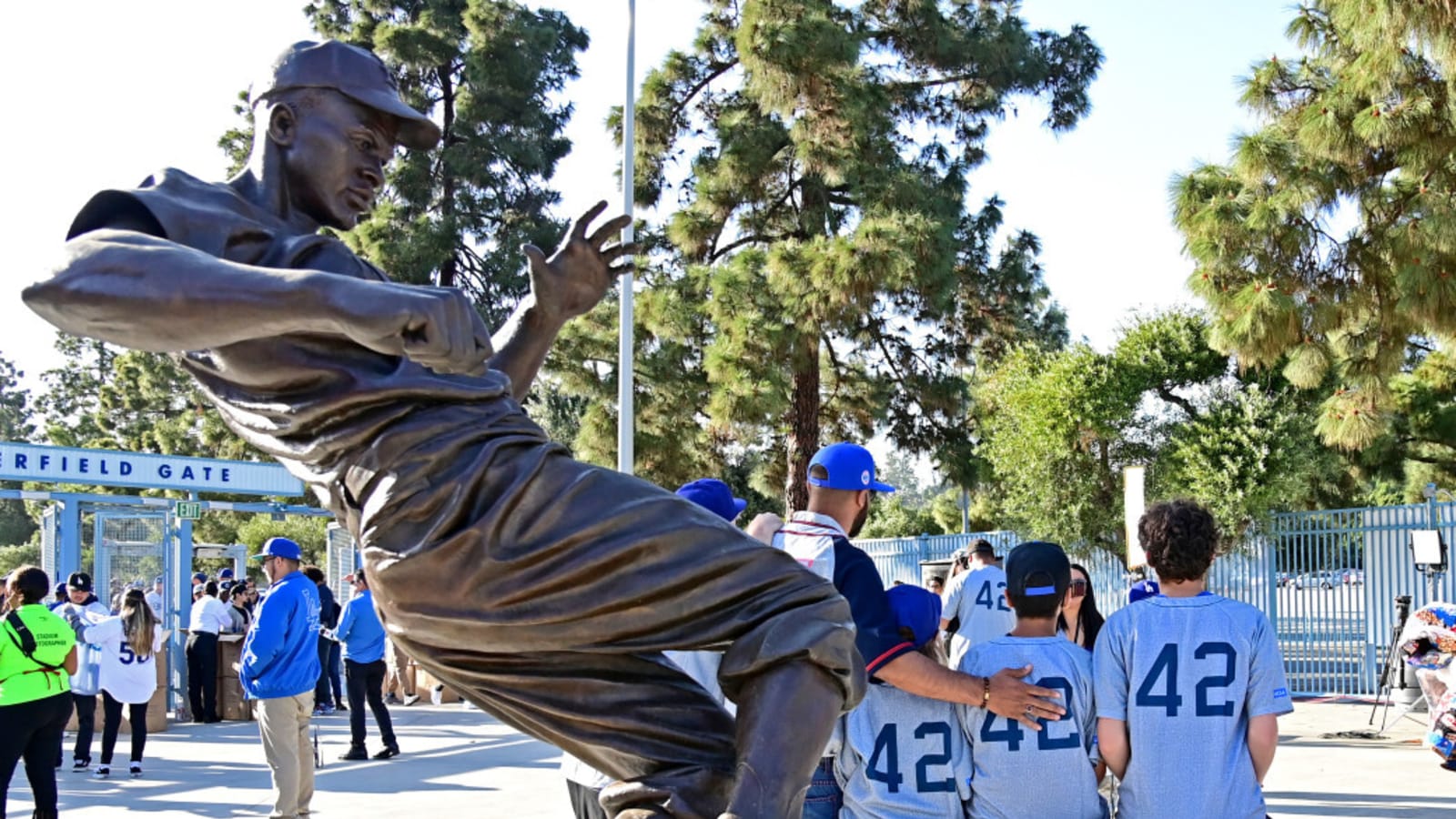
Author and professor Peter Dreier has strongly criticized the Los Angeles Dodgers for accepting President Donald Trump’s invitation to the White House following their 2024 World Series win.
In a recent interview with Capital & Main, Dreier argued that the visit undermines the Dodgers' historical identity as a team that broke MLB’s color barrier and championed racial progress.
Dreier, who co-authored an opinion piece in the Los Angeles Times urging the Dodgers to decline such an invitation even before it was extended, believes the team’s decision sends the wrong message.
He emphasized that Trump has targeted diversity, equity, and inclusion (DEI) initiatives, including recently removing a Department of Defense tribute to Jackie Robinson, which was reinstated only after public outcry.
According to Dreier, visiting the White House under Trump is not simply honoring tradition or the presidency. He views it as a calculated photo opportunity that benefits Trump more than the team. With Trump struggling in polls, Dreier believes he is leveraging the Dodgers’ popularity and success for political gain.
He also expressed disappointment that neither prominent players nor minority stakeholders like Magic Johnson or Billie Jean King have spoken out against the visit.
Dreier expected moral leadership, particularly from Mookie Betts, who had rallied the team in protest after George Floyd’s death and had skipped the visit as part of the Boston Red Sox's championship visit in 2019. But the Dodgers star had confirmed he would attend this time around.
Given the Dodgers’ legacy tied to Jackie Robinson and the team’s multicultural makeup, Dreier finds the decision incredibly tone-deaf. He noted that Trump’s anti-immigration stance and policies clash directly with the values Robinson embodied and the community Los Angeles represents.
When asked if Jackie Robinson would have attended a White House visit with Trump, Dreier was adamant that he would not. He cited Robinson’s history of political courage and activism as evidence.
Dreier doesn’t call for fans to boycott the team, but he does challenge players and ownership to reflect on the broader societal implications of their actions.
He argues that athletes with a public platform must stand against injustice, especially when their franchise has long been associated with breaking barriers.
Ultimately, Dreier’s critique underscores a broader conversation about the intersection of sports, politics, and values and who defines what a team truly represents.
More must-reads:
- Konnor Griffin megadeal would be franchise-shifting moment for Pirates
- Ya snooze, ya lose: Royals catcher held out of lineup for relatable reason
- The 'Youngest MLB 30/30 seasons' quiz
Breaking News
Trending News








Customize Your Newsletter
 +
+



Get the latest news and rumors, customized to your favorite sports and teams. Emailed daily. Always free!
PRIVACY POLICY COOKIE POLICY CONTACT US
ABOUT YARDBARKER TERMS OF SERVICE


By using this site, you agree to our Terms of Service and Privacy Policy.
This site is for entertainment purposes only.
There is no gambling offered on this site.
Gambling Problem? Call 1-800-Gambler.
