
-

-


Follow Us
-

 On Facebook
 On Flipboard

Imagine searching through Grandma's garage, and boxes of faded baseball cards suddenly appear in front of you. Doesn't your heart race a little? "Could these have any value?" I understand the buzz because I've had conversations with people with similar discoveries. Let's keep it simple, though: even if you're just starting out, card valuation isn't very difficult. Using activities you can do from the comfort of your own home, we will discuss the big four: condition, player, rarity, and market vibes. I swear there won't be too much jargon, but I'll make sure to provide definitions if I wander into it. By the way, did you know that a battered 1952 Topps Mickey Mantle rookie still sells for thousands of dollars? You might find a winner in your pile if you stay put.
First Things First, What's the Shape of Your Cards? (Condition Check 101)
The stage is set by condition. It's kind of like pricing a used car based solely on its dents. More often than not, the value of a rough card is worth significantly less than a near-perfect card. Don't worry about it, though. Most of a card's problems can be eyeballed at home.
Spot the Deal-Breakers Like Creases and Corners
Creases destroy value. A small fold can reduce value by 50-70%. These are typically easy to spot. Under the right light, they will appear as surface cracks or shadows.
Edges and corners: Square and sharp is what we are after. Any frayed edges from stack shuffling, and they'll quickly lose their appeal to buyers.
Quick tip: Make use of a phone flashlight and a plain white background. This easy setup makes imperfections stand out without the need for expensive equipment. You'll see this used on lots of listings online, and it always shows well.
Surface Smarts, Stains, Scratches, and That Shiny Factor
The usual suspects when cards lose their gloss are fingerprints and gum stains (Thanka junk wax era). You can take care of some of the surface issues with a microfiber cloth to gently wipe them away, but please avoid scrubbing! Avoid the risk of causing further damage.
Is the card's image/cut centered? Graders dock points and are off by more than 60/40. Examine it from side to side. Inconsistent borders shout "mass-produced junk."
Fun fact: according to PSA standards, mint condition cards (those with no obvious flaws) can fetch five to ten times the price of a raw card. However, the majority of us aren't striving for perfection. We're simply looking to identify the keepers in the stack.
Who’s on the Card? Player Power Plays a Huge Role
That face on the front? That's your star power meter. Even non-collectors know to pause when they find a Ken Griffey Jr. Legends tend to hold value through slumps and scandals. Commons? Not so much.
Rookie Cards, The Holy Grail for Newbies
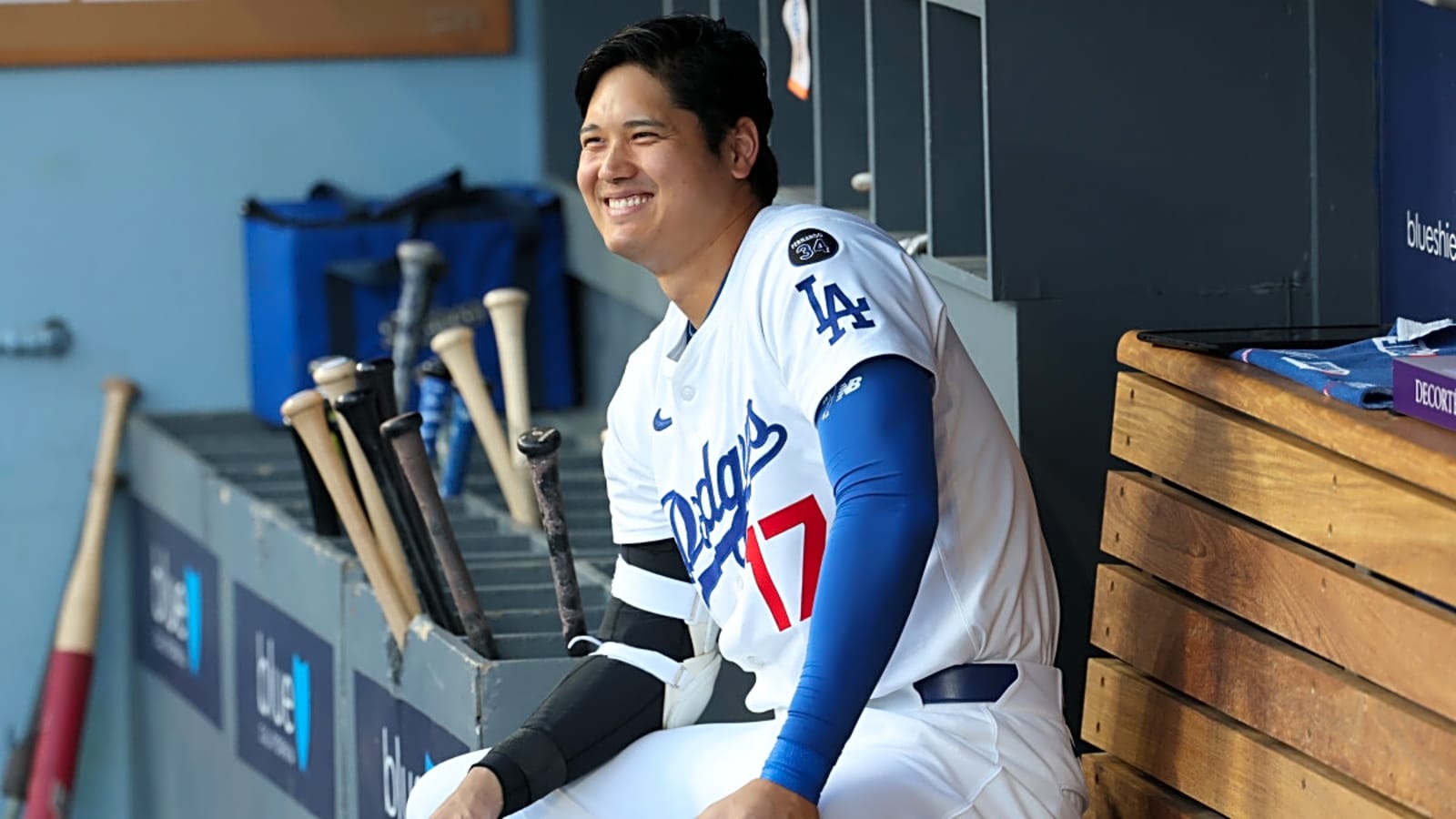
Potential is evident with rookie cards of stars like Shohei Ohtani, Aaron Judge, and Paul Skenes. Even mid-tier men with debuts can easily hold between $50 and $500. What about Babe Ruth's card from 1914? It once reached $7.2 million. Reprints should be avoided; originals are preferred.
Hall of Famers vs. Commons, Know Your Leagues
Legends like Honus Wagner or Mickey Mantle are steady climbers in value. Even their commons sell for more than $20. Regular players? Very unlikely (unless it's vintage). Unusual value is added by multi-sport crossovers (like Jordan's '86 Fleer baseball), which cost more than $100 for good condition. Ripken's rookies from the 1980s? Junk wax (cards from this era) stars can fetch between $50 and $200.
Pro tip: Verify card details and comps using Beckett's free app. It's like having an informed friend.
Rarity Hunt: Is Yours a One-in-a-Million Find?
Not every card is created equal. Print run size is important. Higher money is associated with lower production numbers.
Vintage Vibes and Errors
Even commons hit $10 to $100 because pre-1980 cards (tobacco era gems) don't last as long.
"Junk wax" after the 1980s? Errors defy the trend, but overproduction makes it mostly mediocre. Misprints, such as T206 Doyle's incorrect league, can result in errors that are 10 times more costly. Doyle? One was sold for $1.3 million. Check for typos or incorrect logos.
Modern sets with low-print parallels (/99 or 1/1s)? Seek those out. They are the sleeper hits.
Just to let you know, here is a list of some more of the highest-priced sports cards ever sold:
- The 10 Most Expensive Basketball Cards Ever Sold – And What Makes Them Priceless
- The Most Expensive Football Cards Ever Sold: 2025 Update on Million-Dollar NFL Treasures
- The 10 Most Expensive Baseball Cards Ever Sold—and Why They Fetch Millions
Serial Numbers and Limited Runs
Cards with numbers, like #/500, indicate scarcity. If it's a high run, such as /10,000, disregard it. Those are made to seem rare but clearly are not. The sweet spot to value is usually less than /100, with lower than /50 preferred.
Unopened boxes or packs? Sealed is usually worth more. Consider time capsule appeal for lots costing more than $50.
Simple start: CollX and other apps can quickly scan for rarity flags. Now take out your phone and snap those cards.
Price Check Reality, Tools to See Real Dollars
Guesses aren't helpful. Actual sales are. It's easy to find them with free tools.
eBay's Secret Weapon: Sold Listings
- To find your exact card, search for it and use the filter options on the results, and select "sold" items. This shows what people really paid, and how long ago.
- Adapt to the situation: A VG copy for half the price of NM? Try it yourself.
- The reason it rocks: It's quick, free, and outperforms "book value" guides that fall behind markets. On lazy Sundays, I have priced stacks in this manner.
- Avoid just taking the highest price and thinking that is what your value is. Look at the range of recent prices, and the real value is somewhere in the middle.
Grading Peek: Should You Slab It?
- These days, PSA & Beckett basics cost more than $20 per card entry.
- Rule for beginners: Only grade potentials worth $50 or more. For testers, raw sales are fine.
- Trends are tracked by apps such as Card Ladder. Keep an eye out for player hot streaks that cause prices to spike. Ohtani's Post-World Series values? Still climbing.
Wrap-Up Wins, Protect, and Next Steps
You've got the tools. Now keep 'em safe and decide your move.
Storage Smarts to Keep Value Alive
- Top loaders and acid-free "penny" sleeves: A $10 startup kit can help avoid future creases.
- The temperature should be cool and away from bright light.
- Humidity and other basement beasts are silent robbers.
- To make finding cards easier, group them by player or era. I can't tell you how much time this saves.
When to Sell (or Not), Your Call
- eBay is good for fast money.
- Consignments or shows for maximum bids.
- Or wait if you can? Player careers are driven by rookie card values. Ohtani's are steadily ascending.
- Dip your toe: To test the waters, list one low-stakes card.
First and foremost, hobbies are about having fun.
Your no-sweat road map from "what's this worth?" to "hey, not bad!" is right there. Keep in mind that most collections contain both diamonds and duds, but how can you tell which ones are the keepers? That's part of the excitement. Get that shoebox, take a few pictures, and post them to X, tagging @cardpurchaser. You'll have thousands of helpful observations.
Perhaps you will find a story (and some money) worth telling. Have inquiries? Leave them in the comments section.
We collect better together.
People Also Ask:
- Q: How do I quickly check if a baseball card is valuable?
A: Start with eBay sold listings for comps, then eyeball condition. Sharp corners and no creases are great signs. - Q: Are 1980s baseball cards worth anything?
A: Mostly low value due to overproduction, but stars like Ripken or errors can hit $50-200. Check specifics. - Q: What's the easiest free tool for card values?
A: eBay's "sold" filter or apps like CollX. Snap a pic for instant estimates. - Q: Does grading always increase card value?
A: Lately, it's grades of 10 or bust, with 9s going for the same as raw (ungraded). This makes the decision to grade or not that much more difficult. Make sure to thoroughly inspect it, as the costs can outweigh the gains.
More must-reads:
- Five most important MLB players to watch in September
- Cubs' Pete Crow-Armstrong controls NL MVP narrative with three-HR game
- The 'Switch-hitter 35-HR seasons' quiz
Breaking News
Trending News






Customize Your Newsletter
 +
+




Get the latest news and rumors, customized to your favorite sports and teams. Emailed daily. Always free!
PRIVACY POLICY COOKIE POLICY CONTACT US
ABOUT YARDBARKER TERMS OF SERVICE


By using this site, you agree to our Terms of Service and Privacy Policy.
This site is for entertainment purposes only.
There is no gambling offered on this site.
Gambling Problem? Call 1-800-Gambler.
