
-

-


Follow Us
-

 On Facebook
 On Flipboard
If your league uses on-base percentage (OBP) instead of batting average or includes OBP as an added category, you’re playing a different game than standard 5x5 managers. OBP leagues reward plate discipline, walk rate, hit-by-pitch, and overall consistency at the plate. The result: many hitters who look “average” in traditional formats become stars, and some fan favorites lose significant value.
This guide outlines how to build a 2026 fantasy roster explicitly designed to dominate an OBP league. It walks through the metrics that matter, draft timing, positional strategy, and the market inefficiencies you can exploit to beat your league mates on draft day.
What is On-Base Percentage & Why is it So Different than Batting Average?
Officially, the OBP Formula is (Hits + Walks + Hit By Pitch) / (At-Bats + Walks + Hit By Pitch + Sacrifice Flies). The most important thing is that walks are key.
Only nine players in MLB had more than 90 walks last season: Juan Soto (127), Aaron Judge (124), Rafael Devers (112), Shohei Ohtani (109), Kyle Schwarber (108), Cal Raleigh (97), Geraldo Perdomo (94), Marcell Ozuna (94), and Matt Olson (91). Notice that most of these players are at the top of the overall value meter for all players.
Kyle Schwarber and Marcell Ozuna had batting averages that were below the league average. As we will get into, that is how you can grab value in your OBP leagues.
How to Draft for OBP in 2026: Tips and Traps
Add “OBPDiff”to Your Cheat Sheet
Knowing who you are playing against is important. The OBP league that I play in is with a bunch of people who play in a lot of leagues. Most of those leagues are batting average leagues. Sometimes it is hard to differentiate between your draft strategies.
I added a column in my cheat sheet of projections that has the differential between OBP and batting average so I can see which players are undervalued. Since my projections are not completed yet, I used the 2025 hitter statistics to highlight those players from last year.
I mean, obviously, the player who batted .262 and had the most walks in the league would have the biggest differential at .133 in Juan Soto. Mike Trout is a good OBP player and a below-average player in batting average leagues. Trent Grisham bats just .235, but his .348 OBP is tasty. You get the idea.
Ignore the Big Names to Find Value
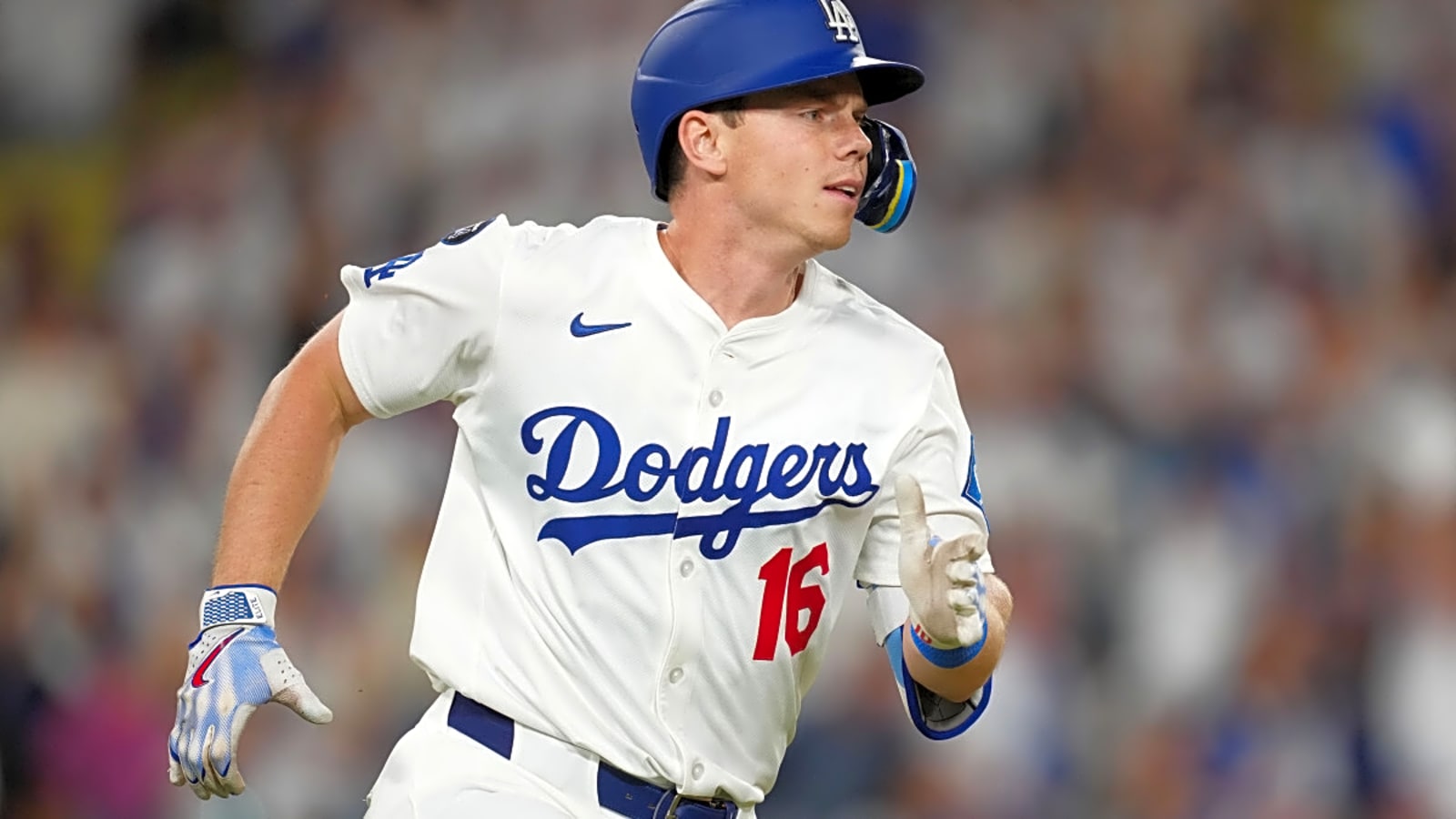
It is easy to get caught up in getting Aaron Judge or Juan Soto to boost your OBP. However, did you know that Will Smith from the World Champion Dodgers may have been a bit of a “slap” hitter this year, but he had a .404 OBP. George Springer was at .309. These are good to great hitters, but elite when in an OBP league.
Look for Unlucky Hitters: BABIP & xBA
These two metrics can help you find players who will increase their batting averages and, therefore, increase their OBP. Using xBA best means comparing it to batting average. If the xBA (expected batting average) is significantly higher, the player is ready to pop. Similarly, BABIP (batting average balls in play) can tell whether a player is lucky or not. If a player has a BABIP that is greater than his career BABIP, it says he was lucky during that period of time, and vice versa.
Batting Eye is Important, Measured in Walks per Strikeout
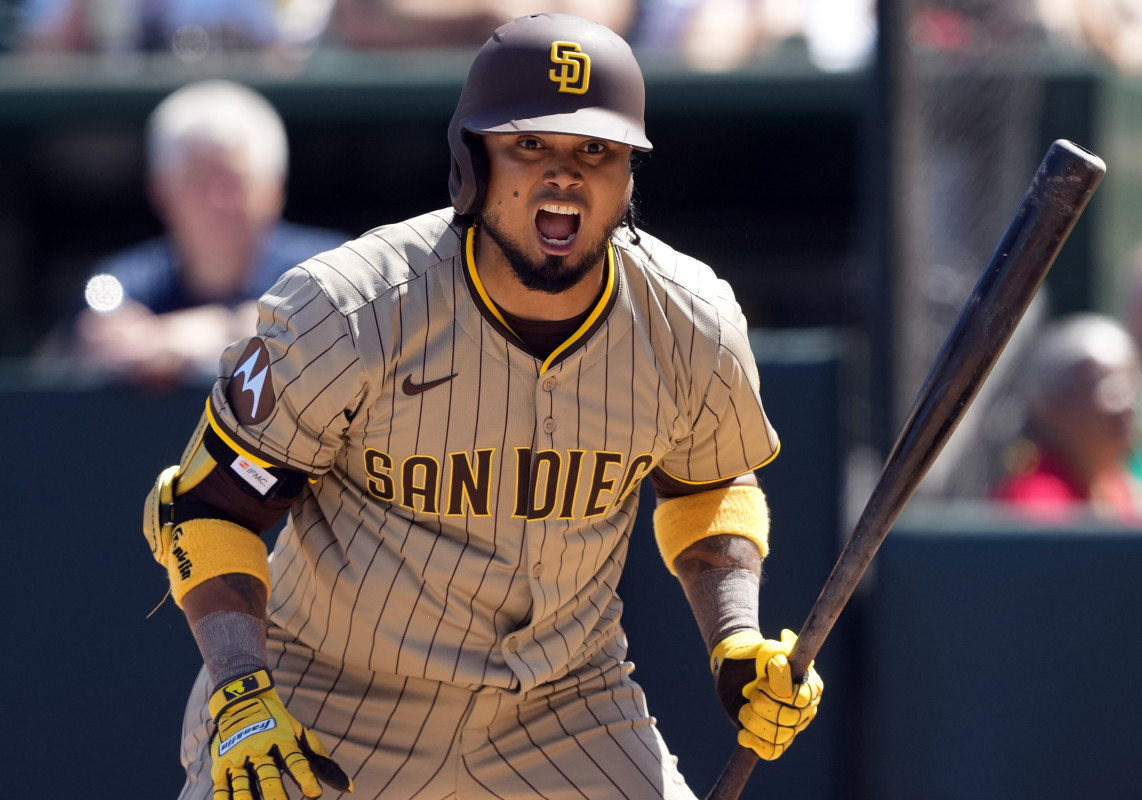
A lot of times, when scouts are looking at a player, they say that he has good plate discipline. The metric that measures this is Walks per Strikeout (bb/k). The higher the number, the better the player is at discerning balls from strikes and therefore has more chances to get good pitches to hit and to walk.
Some MLB players with a great “eye” or bb/k rate are: Luis Arraez, Kyle Tucker, Geraldo Perdomo, Mookie Betts, Juan Soto, and Steven Kwan.
“AVG-Only” Hitters Crash
Players who have the lowest differential between batting average and OBP can be problematic in a league like this. In a batting average league, you can have a player who hits .260, and that is right at your target, but if that player only has an OBP of .290, you are hurt badly.
Some examples of players who are good in batting average leagues and bad in OBP leagues are:
- Teoscar Hernandez - Had 25 home runs and batted .247, but that .289 OBP will feel like an anchor.
- Pete Crow-Armstrong - Everyone was talking about him like he was a fantasy stud. He had 31 home runs, 95 runs batted in, and 90 runs scored with a .247 batting average. Strong fantasy season. In OBP leagues, his .291 OBP would drag you down, down, down.
Target Levels for OBP Leagues
Now, you need to figure out a strategy to protect this. The OBPDiff column in your projections cheat sheet will help. Another good way is to NOT draft any players who have less than a .320 OBP. Period. Just don’t.
You should definitely have targets for all your categories, and we will get to that as we get closer to the season. My target for a 12-team mixed league is .332. You would have a higher number for a 10-team league and lower for 15-teams. In NL or AL only leagues, you need to look at the player pool a bit closer, but your target should be closer to .330.
Sleeper Profiles to Target for 2026
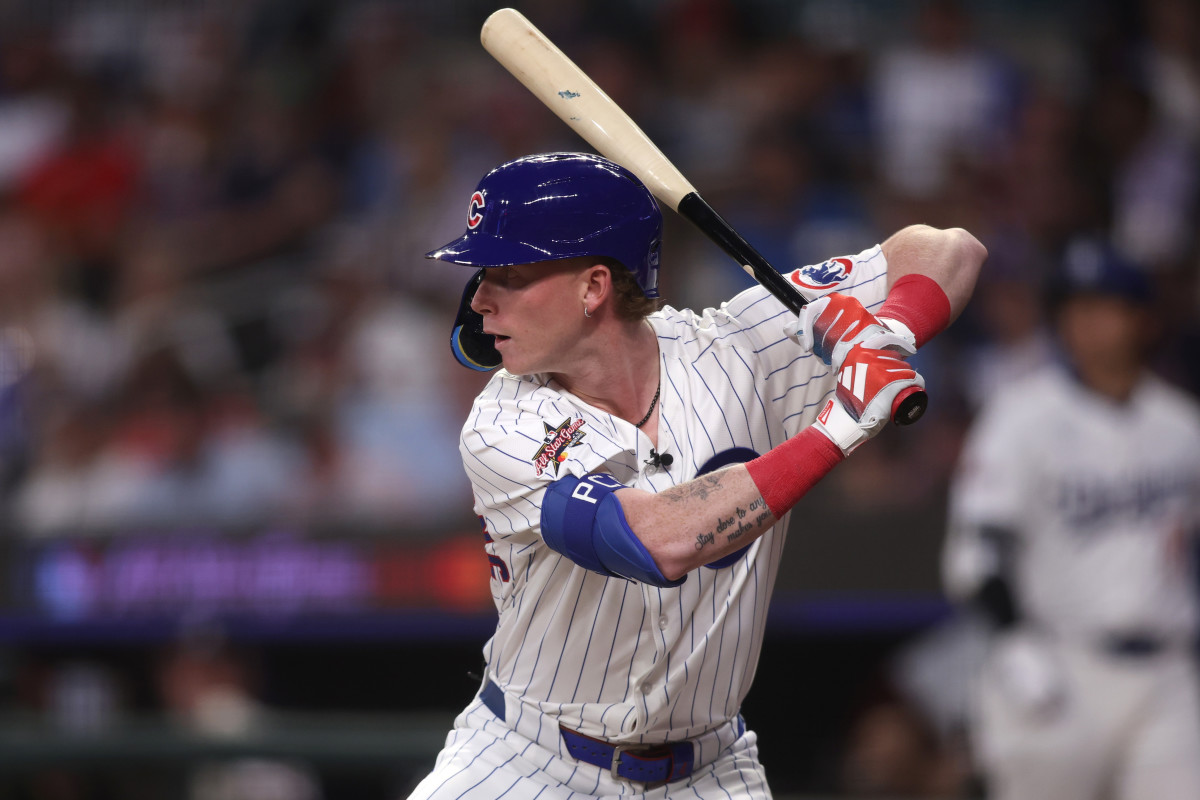
For what players to find for OBP leagues that are sleepers, we outlined it a bit above but here is a good way to mine for diamonds in the rough:
- Target low BABIP players from last year who have a career BABIP that is much higher
- Look for young hitters whose bb/k and BB% are going up. Age matters.
- Add a DiffOBP column to last year’s stats and your projections. Look for the players who have the most significant differential
- Look at the projected OBP and draw a line that you won’t draft under (mine is .320)
Final Thoughts
More and more OBP leagues are coming out and many traditional leagues are moving to this so the sooner you look at techniques to give you an edge the better. Look into the SMART System also as many of those principles can be attached to this. The “S” in SMART stands for scarcity. The super high OBP players are scarce. Getting one or two of them ensures that you will compete in that category. The “A” in SMART stands for age. As players age their batting average goes down, and therefore their OBP does too.
Honestly, all leagues should play with OBP or OPS instead of batting average, so that it is more like the value in real baseball. A topic for another day.
More must-reads:
- Mets' losing streak could already be sinking their season
- San Diego Padres to be sold for record-breaking price
- The 'Most games played by MLB team' quiz
Breaking News
Trending News



Customize Your Newsletter
 +
+




Get the latest news and rumors, customized to your favorite sports and teams. Emailed daily. Always free!
PRIVACY POLICY COOKIE POLICY CONTACT US
ABOUT YARDBARKER TERMS OF SERVICE


By using this site, you agree to our Terms of Service and Privacy Policy.
This site is for entertainment purposes only.
There is no gambling offered on this site.
Gambling Problem? Call 1-800-Gambler.
