
-

-


Follow Us
-

 On Facebook
 On Flipboard

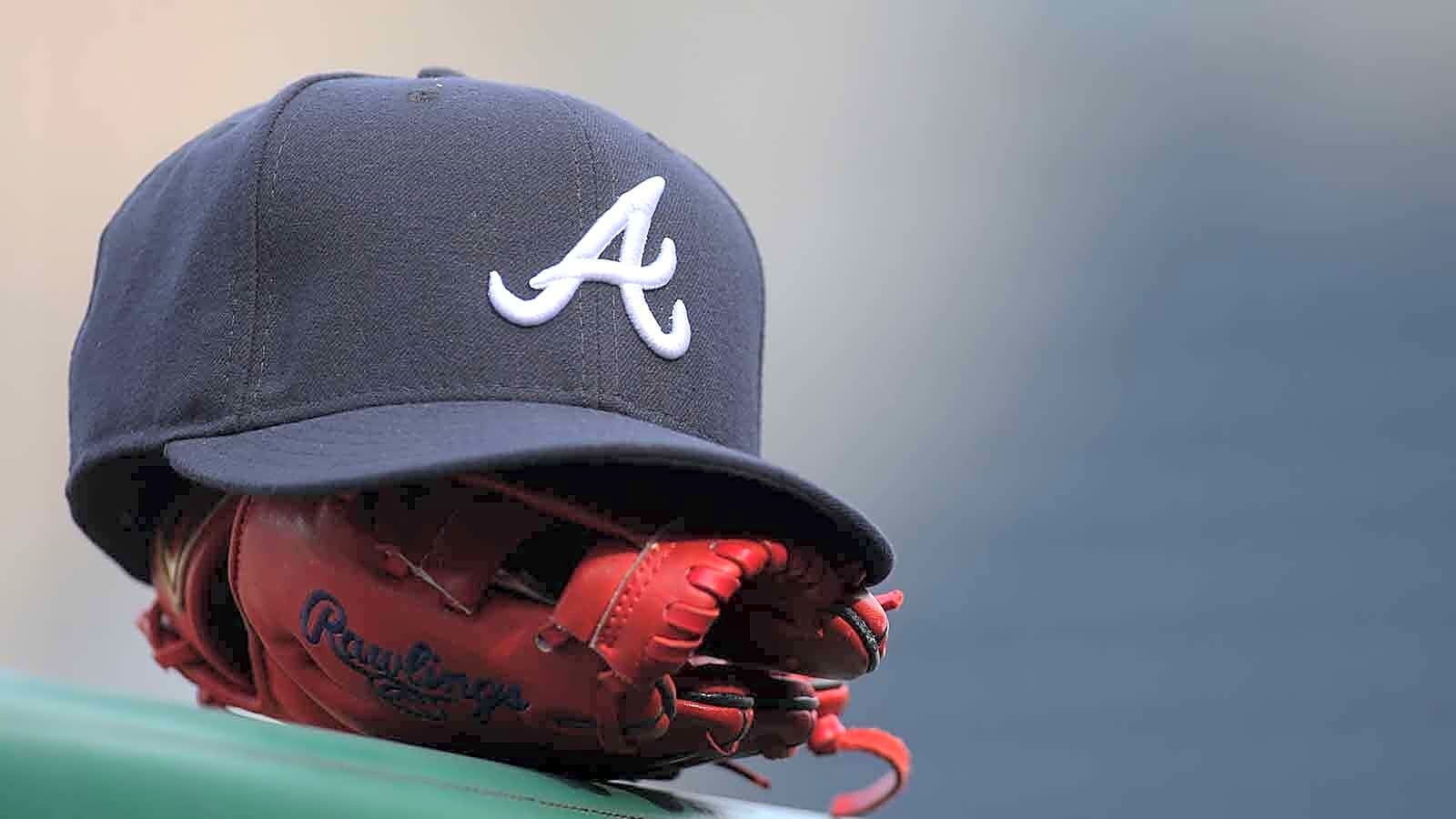
The Atlanta Braves entered Monday’s MLB trade deadline at 67–45 with an off night on the schedule. After the Philadelphia Phillies defeated the Washington Nationals 6–3, the club’s National League East lead stands at 7.5 games.
President of Baseball Operations Alex Anthopoulos remained active, acquiring Tyler Mahle, Lane Thomas, Bailey Falter, and Brent Suter while completing two smaller depth trades.
These additions improved the Braves’ regular-season floor. Atlanta’s biggest mistake, however, was failing to acquire a playoff-caliber starter to slot behind veteran ace Chris Sale.
Mahle supplies necessary innings to an injury-depleted rotation. His 5.13 ERA over 18 starts with the San Francisco Giants also obscures some better underlying performance. Mahle had a 4.38 FIP, and Atlanta believes an adjusted pitch mix could improve his troublesome results against right-handed hitters.
Still, the 31-year-old averaged only 5.26 innings per start and has gotten through six innings just three times this season. He produced a 3.06 ERA over six outings after returning from a left hamstring strain, but the San Diego Padres scored five runs against him in his final Giants start. Mahle represents a reasonable back-end bet, not a dependable second starter for October.
Thomas has a clearer specialized role. The right-handed outfielder has recorded an .800 OPS vs. left-handed pitching in 2026 and will share time with Mike Yastrzemski. Suter, meanwhile, brings length, soft contact, and a 3.65 FIP despite his 4.12 ERA. Falter will begin at Triple-A Gwinnett, while Tyler Uberstine and Duncan Davitt remain organizational depth pieces.
Each move offers value. None addresses the difference between surviving the schedule and winning a short postseason series.
If the Division Series began immediately, Atlanta would likely follow Sale with Bryce Elder and Martin Perez. Elder has provided occasional length, but his uneven underlying contact profile makes him difficult to trust as an October No. 2. Pérez offers experience, yet he does not possess the swing-and-miss profile of a conventional postseason stopper.
The injured alternatives introduce even more uncertainty. Spencer Strider has right elbow inflammation and no established return date. Spencer Schwellenbach was throwing bullpen sessions after February elbow surgery, but he had not progressed to facing hitters. Even a September activation would leave little time to restore his workload. Reynaldo Lopez could return from left knee inflammation in August, although Atlanta cannot assume he will remain healthy and effective through October.
That matters because a short series magnifies every rotation decision. A shaky second start has the possibility to force the Braves into early bullpen usage, reduce matchup flexibility, and leave Sale carrying an outsized share of innings against October lineups built to punish mistakes.
This uncertainty makes the Braves’ restraint more consequential. The San Diego Padres acquired Casey Mize, who posted a 2.70 ERA across 16 starts, after Atlanta was reportedly among the interested clubs. The Padres surrendered No. 2 prospect Kash Mayfield and Jackson Wolf, an unquestionably serious price for a pending free agent. San Diego also added Robbie Ray, while the Chicago Cubs obtained Kevin Gausman and Clay Holmes.
Atlanta did not need to match every aggressive contender. Tarik Skubal cost the Los Angeles Dodgers two top-100 prospects and another young pitcher, and Jacob deGrom reportedly would not approve a trade. Anthopoulos also had reason to protect a farm system already supplying vital pitching depth.
The defense of Atlanta’s approach is credible. Mahle could outperform his ERA, Lopez could return sooner than expected, and Schwellenbach might become a late-season option. The Braves also own a powerful lineup and a formidable relief core led by Raisel Iglesias, Dylan Lee, and Didier Fuentes. With a 7.5-game division lead, Anthopoulos had no reason to make a reckless trade.
However, that lead is also why the deadline should have centered on the postseason ceiling. Thomas and Suter strengthen roles that were already functional. Mahle protects the team from exhausting its rotation before October, but he does not provide manager Walt Weiss a reassuring second option behind Sale once the margin for error disappears.
Failing to acquire that starter does not guarantee an early elimination. It leaves a first-place World Series contender asking Sale to carry too much of its postseason rotation—the exact uncertainty the Braves had both the motivation and opportunity to reduce.
More must-reads:
- Biggest winners, losers from a wild MLB trade deadline
- Cubs continue playoff push by acquiring Clay Holmes, Tyrone Taylor
- The 'Pitching Triple Crown winners' quiz
Breaking News
Trending News


Customize Your Newsletter
 +
+




Get the latest news and rumors, customized to your favorite sports and teams. Emailed daily. Always free!
PRIVACY POLICY COOKIE POLICY CONTACT US
ABOUT YARDBARKER TERMS OF SERVICE


By using this site, you agree to our Terms of Service and Privacy Policy.
This site is for entertainment purposes only.
There is no gambling offered on this site.
Gambling Problem? Call 1-800-Gambler.
