
-


Follow Us

 On Facebook
 On Flipboard
 On Twitter
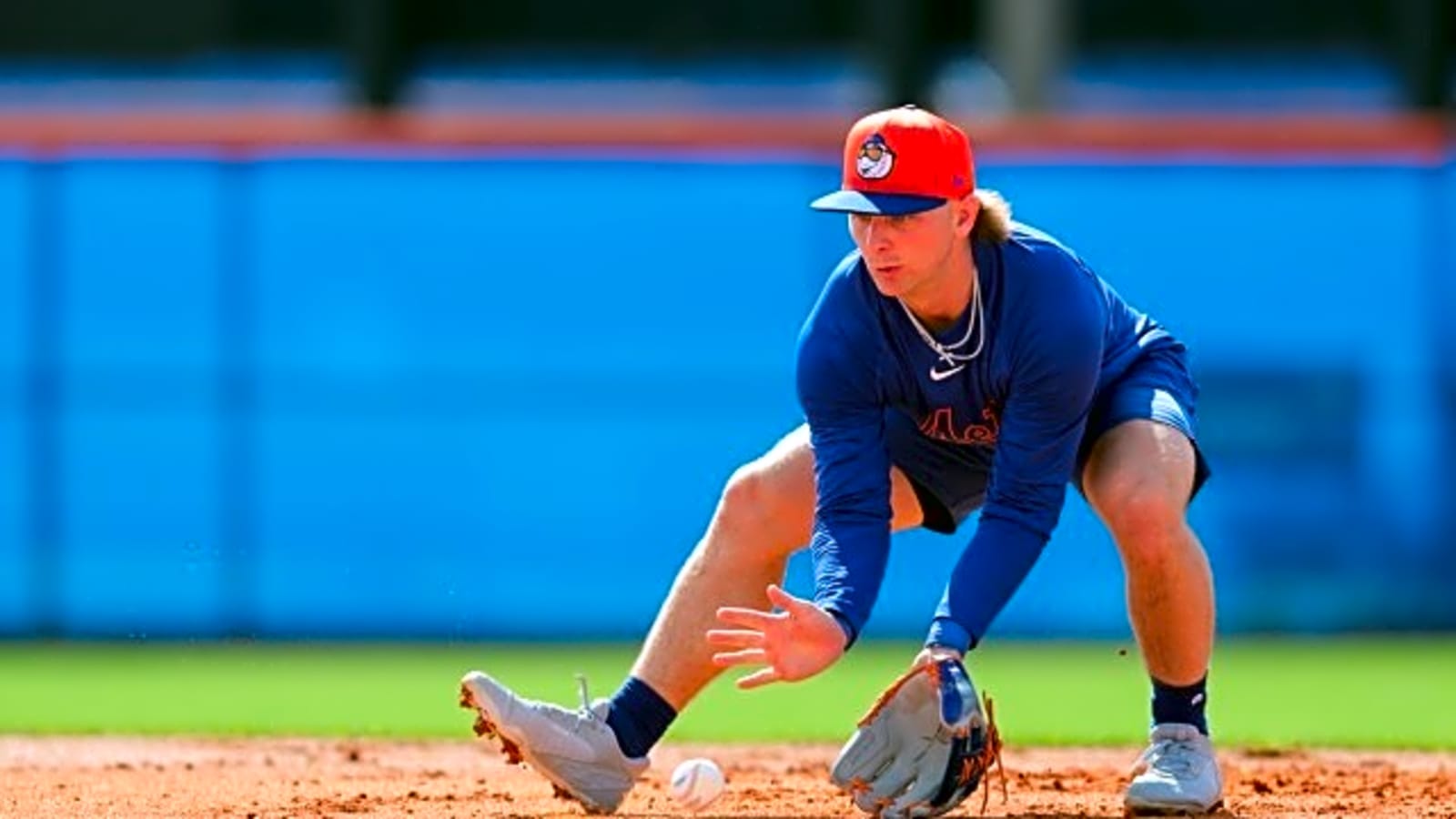
The Milwaukee Brewers are going to have a much different look to them in 2026.
Milwaukee traded its everyday third baseman from a year ago, Caleb Durbin, along with Andruw Monasterio and Anthony Siegler, to the Boston Red Sox on Monday. In return, the Brewers reeled in left-handed pitchers Kyle Harrison and Shane Drohan, along with infielder David Hamilton.
Monday’s major deal was the second for the Brewers in the last three weeks. On January 21, Milwaukee shipped fan favorite Freddy Peralta to the New York Mets. What makes the most recent transaction interesting is how the team’s infield alignment intersects with who will play where.
Who Will Now Play Third Base For The Brewers?
The initial reaction for most Brewers fans after hearing about the Durbin trade was, Who will now play third base? Lucky for them, Milwaukee’s general manager Matt Arnold has plenty of options from which to choose.
Durbin put together an impressive season as a rookie last year. The 25-year-old hit .256, clubbed 11 homers, and knocked in 53 runs over 136 games. His efforts were good enough to earn him a third-place finish in the National League Rookie of the Year voting.
One possibility is partly due to who the Brewers received in return from the Peralta swap. Jett Williams, a versatile speedster, was arguably the main piece to the deal because of his potential to play shortstop or third base–and soon.
This month, Milwaukee plans to test Williams’ ability to play somewhere on the left side of the infield at the major-league level. He could play shortstop, his natural infield position, which would move Joey Ortiz to third. Another alternative would be to keep Ortiz at shortstop and try Williams at third.
Arnold feels that Williams and Hamilton could be part of Milwaukee’s mix this season, which made both trades possible.
“Certainly we’re going down multiple infielders in this trade,” he said. “But the ability to access, on top of Williams, somebody like a David Hamilton, who plays the way we love to play — a very exciting, athletic, good defensive player — along with the infield depth that we have in the system coming, it made a lot of sense for the Brewers.”
As Arnold referenced, another real course of action that will be discussed is whether or not Milwaukee’s young infield prospects are ready for prime time.
In addition to Williams, the Brewers own three of MLB’s top 65 prospects, all of whom could play shortstop or third base at American Family Field. Jesús Made (MLB’s No. 3 overall prospect), Luis Peña (No. 26), Cooper Pratt (No. 64), and Andrew Fischer (their 2025 first-round Draft pick) are a big reason they could make this trade now.
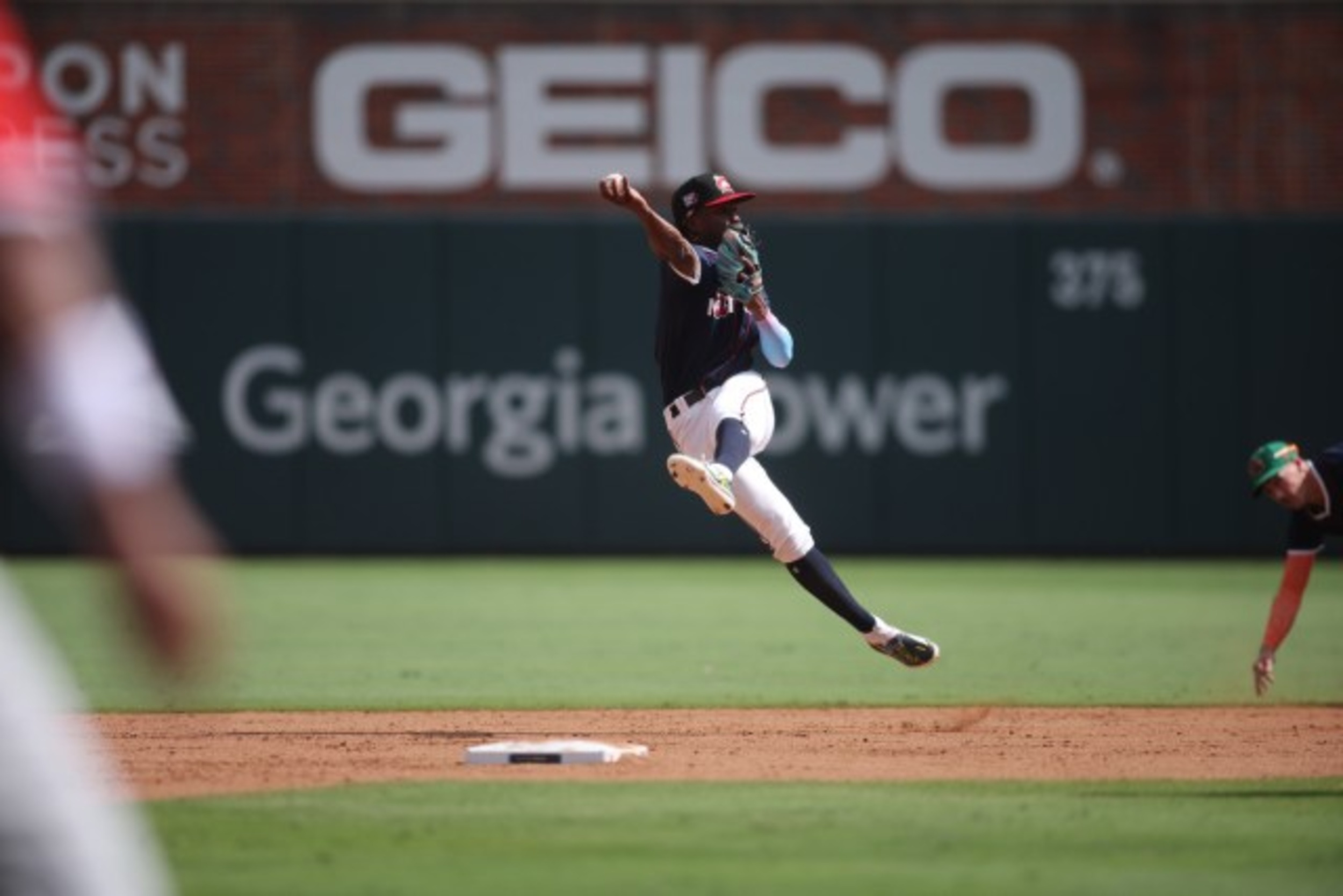
Arnold’s confidence in his homegrown talent clinched his decision to pull the trigger on the two recent trades.
“There’s just a lot of these types of guys coming, we feel like, in our system, that can absolutely handle the left side of the diamond and have really high upsides,” he said . “So we feel like we have the ingredients now, to weather the loss of somebody like Caleb Durbin, who obviously meant a lot to our franchise. But we feel really good about the infield depth, both now and in the future as well.”
Harrison Could Crack Brewers’ Rotation
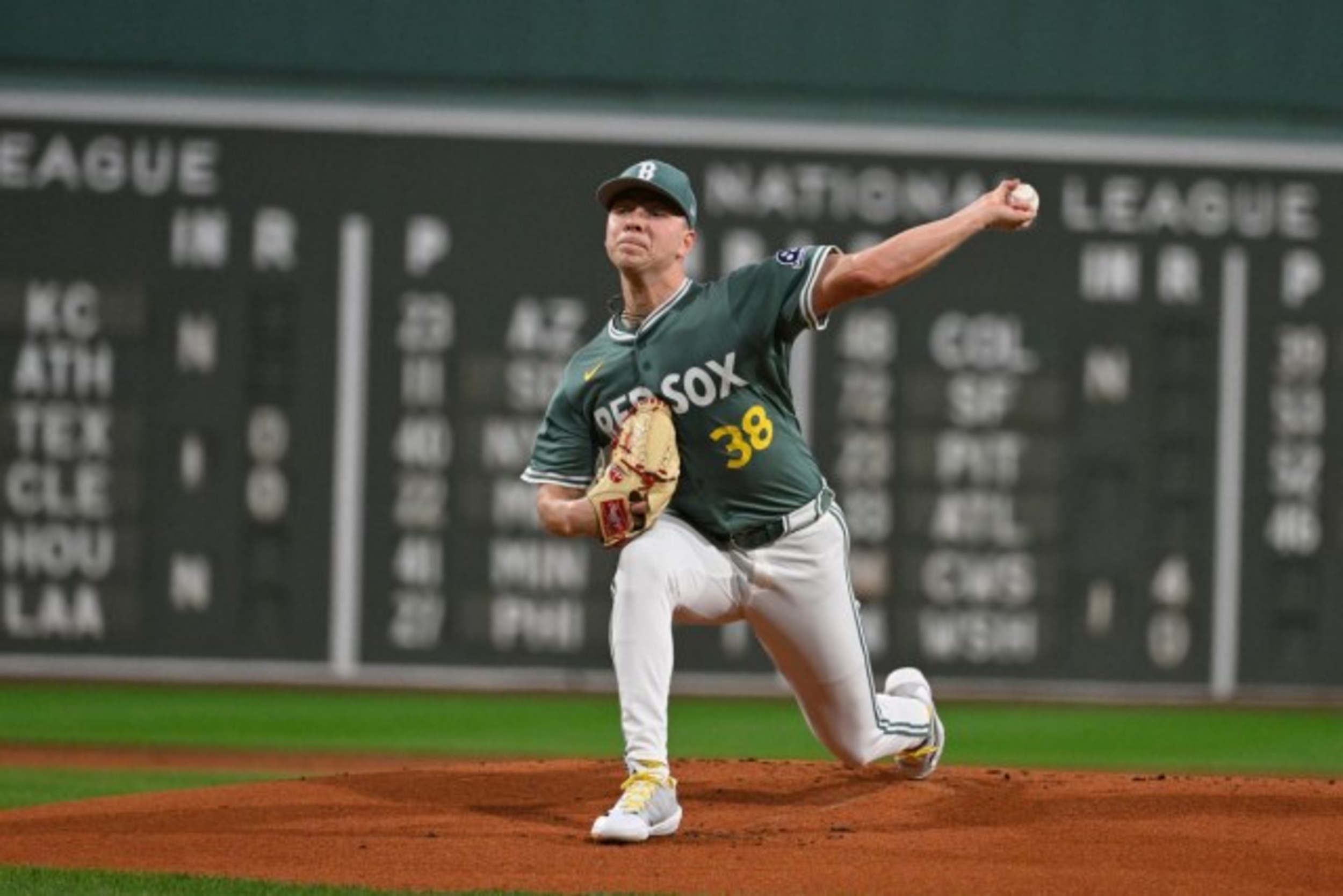
Milwaukee received what it coveted via the Red Sox trade: a left-handed starting pitcher.
Harrison fills that need, and the 24-year-old comes to Milwaukee with major-league experience. He was drafted by the San Francisco Giants in the third round of the 2020 draft and made his MLB debut in 2023. In 2024, he made 24 starts for the Giants, going 7-7 with a 4.15 ERA and an impressive 1.15 WHIP.
After making eight starts for San Francisco in 2025, he was traded to the Red Sox in a deal involving Rafael Devers. Harrison made 18 appearances in the minors last year before starting two games for Boston in September.
With the departure of Peralta, Harrison has more than a puncher’s chance at earning a spot in Milwaukee’s starting rotation. After Brandon Woodruff, the Brewers have a lot of promising but young arms entering Spring Training. That list includes Jacob Misiorowski, Quinn Priester, Robert Gasser, Logan Henderson, Brandon Sproat from the Peralta trade, and now Harrison.
Arnold loves the amount of options his past two trades lend to their roster decisions.
“Obviously, this was a big trade for us and something that we’ve looked at for a while,” he said on Monday. “When you tie this to a deal like Freddy Peralta’s that we made recently, our ability to add multiple arms — young arms and controllable arms — is something that’s really exciting for us.”
End Of My Brewers Rant: In Arnold We Trust
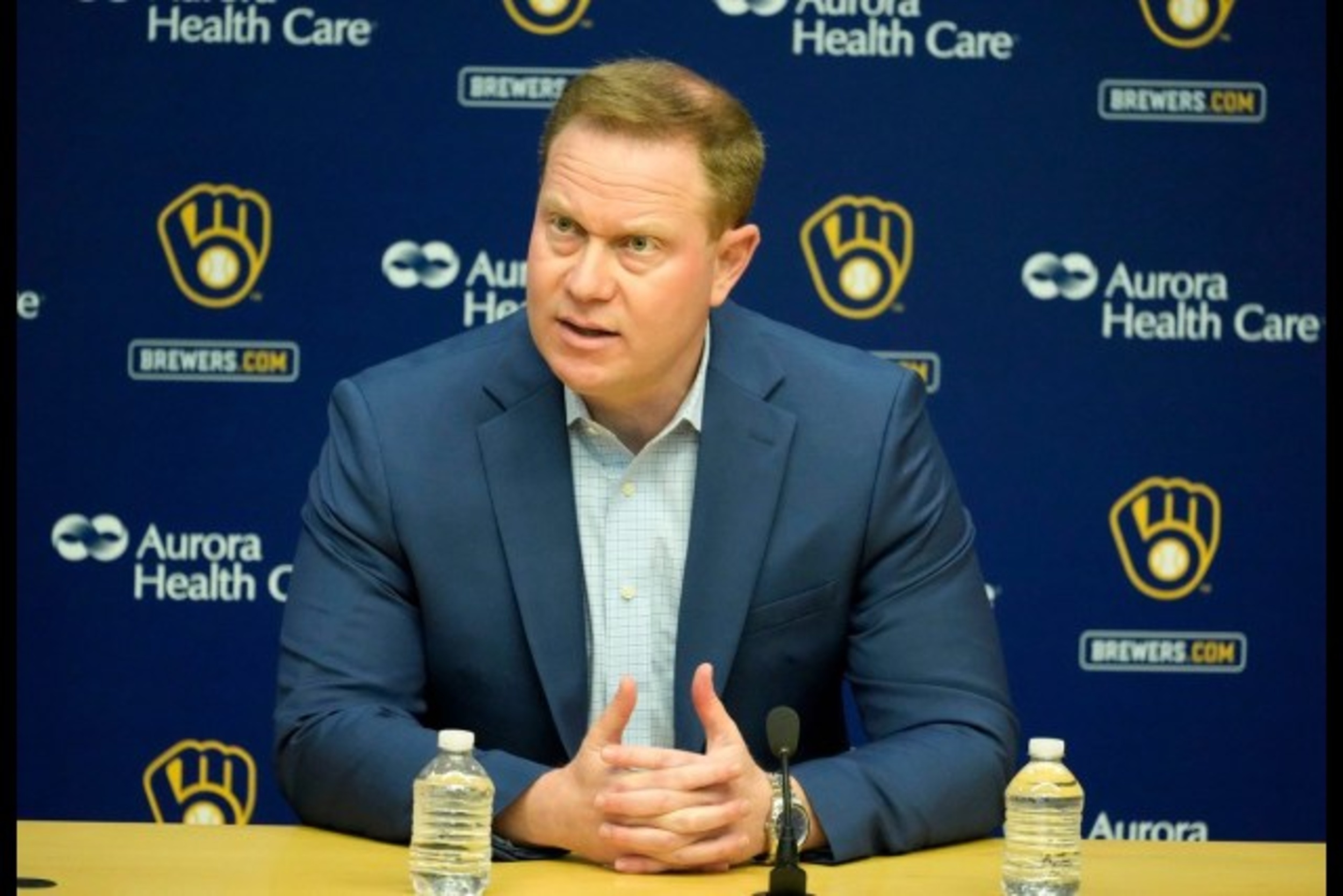
Many of the Brewers’ options for making the 26-man roster out of Arizona next month are raw and unproven commodities. Some, such as Made, Williams, Pena, and Pratt, have never played an inning of a major-league game.
If Arnold’s track record is any indication, he has put together a roster in small-market Milwaukee that has consistently produced winning seasons. Since his rise to the position in October 2022, the Brewers have won three straight NL Central titles.
Is that a coincidence? Probably not. It is likely a direct result of Arnold’s shrewd moves to keep his team competitive despite its obvious economic disadvantages. In 2025, the Brewers had four rookies receive votes in the NL ROY ballot, the most of any team.
True Blue Brew Crew fans must temper their opinions on these most recent trades cautiously. The fact that Durbin and their other prospects became viable contributors with the big club speaks volumes about Arnold’s abilities as a talent evaluator. Before fans jump to knee-jerk conclusions on the winter deals, it would be prudent to wait and see how the young turks develop and perform in 2026.
More must-reads:
- Mets get worst-case update on Francisco Lindor injury
- Team USA and Diamondbacks receive massive setback with Corbin Carroll
- The 'Super Bowl winning QBs' quiz
Breaking News
Trending News



Customize Your Newsletter
 +
+




Get the latest news and rumors, customized to your favorite sports and teams. Emailed daily. Always free!
PRIVACY POLICY COOKIE POLICY CONTACT US
ABOUT YARDBARKER TERMS OF SERVICE


By using this site, you agree to our Terms of Service and Privacy Policy.
This site is for entertainment purposes only.
There is no gambling offered on this site.
Gambling Problem? Call 1-800-Gambler.
