
-


Follow Us

 On Facebook
 On Flipboard
 On Twitter
Munetaka Murakami arrived early in Glendale ahead of his departure for the World Baseball Classic with Samurai Japan, and Chicago White Sox camp immediately felt bigger.
More than a dozen reporters from Asia were on site to follow his first workouts, underscoring how closely this spring will be tracked beyond the usual domestic lens. As general manager Chris Getz put it, when Murakami steps in the box, “You are going to want to watch.”
Getz emphasized that the slugger would be in camp for a couple of weeks before departing for the WBC on February 27th, and that the early focus is on communication and getting him integrated. Manager Will Venable described him as a powerful presence with “easy power,” but stressed that the goal is to build an environment where he can simply be the best version of himself.
The attention around Murakami is only part of the story. Inside the building, the messaging from both Getz and Venable has been consistent and direct.
“Start at zero,” Venable said on the first day of camp. The second-half momentum from last season is acknowledged, but it is not being banked on.
Venable added that no one will be making the team in these first few days. The focus instead is on creating habits that will lead to winning.
Getz echoed that tone from a roster standpoint. In the outfield, Luisangel Acuña is expected to see “a fair amount of center field,” though the possibility that he’ll utilize his infield versatility remains in play.
There is still room to add at the margins. A veteran bat, such as rumored target Michael Conforto, could be a possibility, and familiar face Mike Tauchman remains a name worth monitoring after Venable alluded to the possibility of a reunion at the Winter Meetings and Getz declined to close the door during his most recent media session.
Those spots, however, are not reserved for outside help. Camp will determine whether the club’s internal options can stabilize the remaining gaps without another addition.
This is a team that believes it made meaningful strides last season, yet refuses to lean on them. It is a group that has added veterans while insisting young players take on more leadership responsibility.
With spring training games starting this weekend, the preseason is officially underway. This is part one of a preview breaking down each position group, focusing on roster structure and internal competitions as White Sox spring storylines take shape.
Catching and DH Group
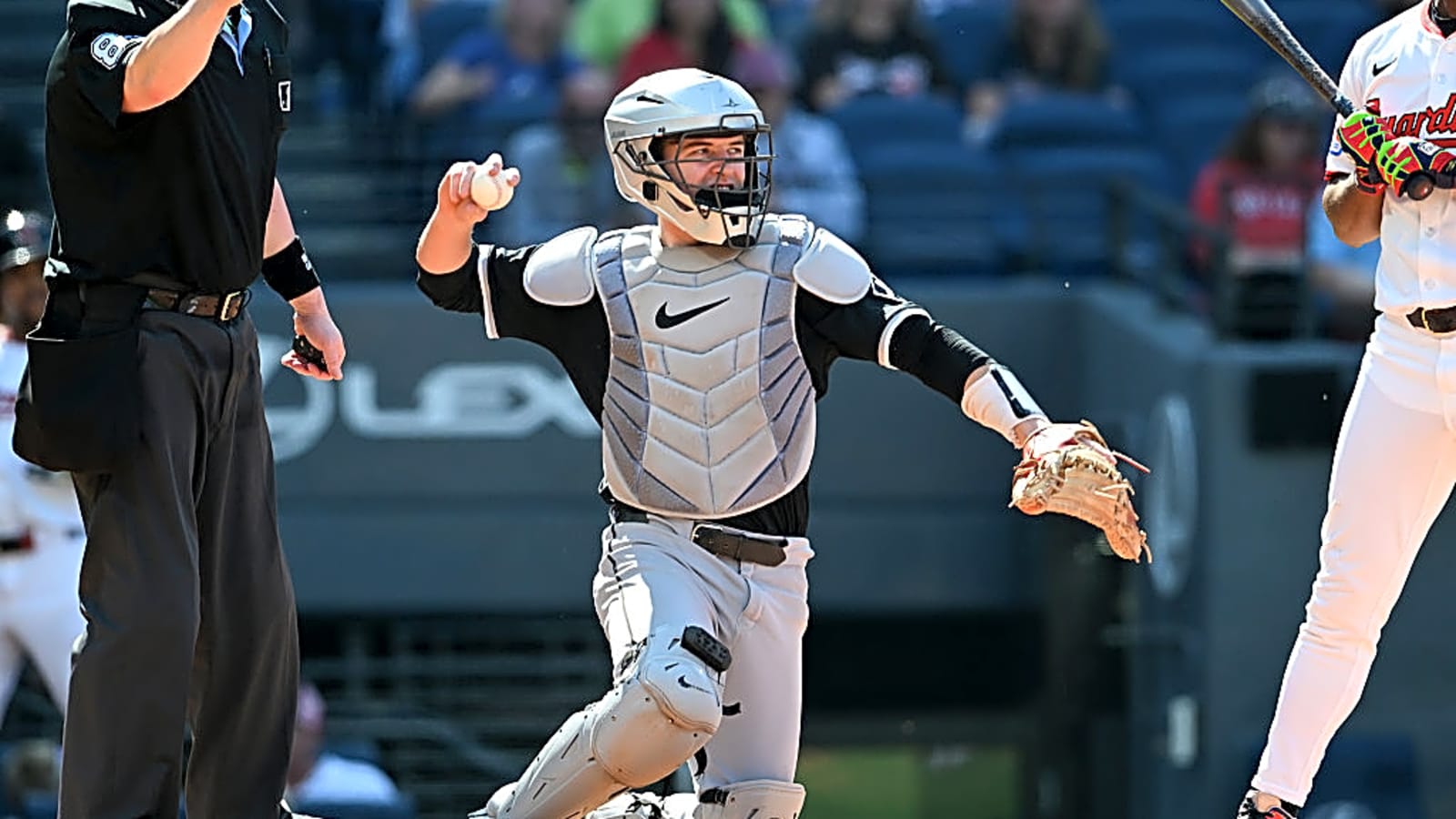
The catching situation may ultimately double as a DH conversation. Will Venable has been clear that the club views Kyle Teel as an everyday player, while also acknowledging the workload that comes with the position and Edgar Quero’s value against left-handed pitching.
The most logical structure is a rotating split. Teel handles the majority of starts behind the plate against right-handers. Quero catches selectively and takes DH at bats versus lefties. Teel’s .835 OPS against right-handed pitching and Quero’s .852 OPS against lefties provide a clean matchup complement.
Teel will leave camp to represent Team Italy in the WBC on March 1, giving way to Quero and the other catchers to get a bit more exposure as the spring progresses.
The at-bat puzzle tightens beyond that pairing. With Andrew Benintendi expected to see fewer outfield reps and factor in at DH against right-handers, and Lenyn Sosa fitting more naturally into the DH mix versus lefties, the distribution becomes more complex on days both catchers are in the lineup.
Chicago scored nearly a run and a half more per game when Teel and Quero started together last season, and internally, the priority is maximizing those bats rather than limiting them.
Quero’s offseason work at Driveline to improve bat speed and launch angle adds another layer. If the added power materializes, rotating him through DH could elevate the offensive ceiling while easing the physical toll of catching. How the coaching staff distributes starts between Teel, Quero, the DH candidates, and the rest of the catching depth will be one of the more revealing roster dynamics of camp.
Korey Lee enters camp as the most natural third catcher option if the club chooses to carry one. The staff experimented with expanding his versatility last season, giving him limited outfield exposure in an effort to make him more viable on a short bench.
With no minor league options remaining, his path to the 26-man roster likely runs through that third catcher role, if the White Sox choose to have one. Otherwise, he becomes a trade candidate or roster casualty in a numbers squeeze.
Behind the major league trio, after clearing waivers, Drew Romo gives the organization flexible upper-level depth. His value centers on his work behind the plate and his ability to manage a staff. The bat has struggled at Triple-A, but his defensive reliability makes him a logical first call if coverage is required.
Michael Turner provides internal reinforcement with familiarity in the system. At 27, he projects as steady depth in Charlotte and can handle everyday catching duties at the upper levels. He is unlikely to factor into the immediate major league mix but offers stability across a long season.
Josh Breaux rounds out the group as a veteran minor league addition. Acquired as pitchers and catchers reported on Monday, the former second-round pick with occasional power enters camp as competition and emergency insurance in an organization that has built real depth behind the plate.
Corner Infield
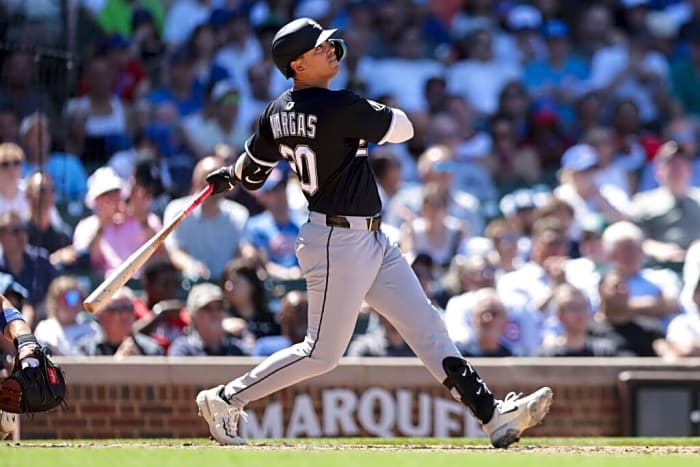
Murakami and Miguel Vargas are projected to start at the corners. Murakami has received some work at third base, but the clearest alignment keeps him primarily at first. Venable noted that first base provides the simplest way to structure the rest of the infield, so most of Murakami’s reps are expected to come there.
Vargas handled both corner spots last season and offers enough flexibility to slide across on certain days, though a full timeshare is unlikely.
Behind them, Lenyn Sosa and Curtis Mead create a more unsettled competition. Sosa turned in the strongest 2025 among the bench infield group, yet he does not have a defined defensive home. He is unlikely to factor in heavily at third and could see more time on the right side of the infield, especially while Murakami is away for the World Baseball Classic.
Mead, who will also leave camp for a couple of weeks to compete with Team Australia in the WBC, will move around the infield outside of shortstop and, like Sosa, is out of options. Sosa carries longer organizational familiarity and more sustained production, but Chicago invested in Mead last season and will want a thorough evaluation.
A strong spring from either could solidify a role or increase outside interest from clubs seeking right-handed infield depth. Getz addressed the trade landscape, noting that there is “a little bit of redundancy with the right-handed corner bats” currently on the roster.
LaMonte Wade Jr. adds another variable. The left-handed hitter built his value from 2021-24 on plate discipline and strong results against right-handed pitching before a difficult 2025 season led to his release. Chicago will treat him as a rebound candidate with on-base skill and experience.
First base represents his only infield path, though he is also capable of handling a corner outfield spot. With few true first basemen on the roster, Wade’s profile fits as a low-cost attempt to regain production while offering lineup balance if he performs in camp.
Middle Infield
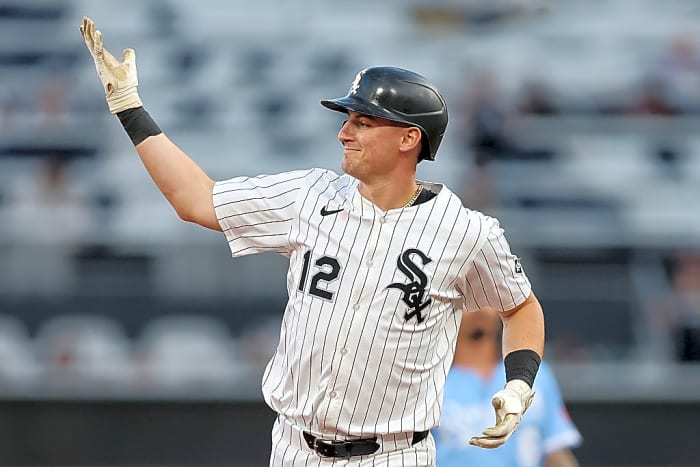
Chase Meidroth and Colson Montgomery enter camp locked in as the starters up the middle. Meidroth saw limited action at shortstop last year but projects to remain at second base, sliding over only when Montgomery needs a day.
Montgomery could also see occasional work at third, a move that would only increase his overall value given how well he graded defensively across the infield. Heading into his sophomore season, Montgomery stands as one of the more exciting young shortstops in the game.
The next step will be sustaining that production and avoiding the natural adjustment period that often follows a breakout debut.
Meidroth floated between the top two lineup spots in the order last season and profiles as a table setter, while Montgomery’s power makes him a candidate to hit in the middle third. How the staff stacks left-handed bats such as Teel, Montgomery, and Murakami will shape the early look of the lineup, and there is still room for experimentation as camp unfolds.
Tanner Murray and Oliver Dunn represent experienced depth behind the starters. Murray arrives with option years remaining and the ability to move around the infield, which gives the club flexibility if injuries arise. His offensive profile evolved last season, and Chicago will want to see whether that adjustment holds against major league pitching.
Dunn joins as a non-roster invitee who can cover second, short, and third. His value centers on positional coverage and on-base skill, and he likely opens in Charlotte while remaining part of the conversation if a bench spot comes down to versatility.
Sam Antonacci may be the most intriguing name in the group. The 2024 fifth-round pick out of Coastal Carolina has drawn attention across multiple outlets this offseason and is set to represent Italy in the World Baseball Classic. He has logged time across the infield and has shown a willingness to expand his defensive profile if asked.
That adaptability could accelerate his path, though his WBC commitment may limit his runway in camp and point toward a start in Charlotte. If his bat continues to trend upward and he adds defensive flexibility, he becomes a legitimate call-up candidate over the course of a long season.
William Bergolla Jr. and Jacob Gonzalez round out the prospect layer. Bergolla impressed evaluators with his bat-to-ball skill and defensive reliability in Birmingham and will look to build on that foundation this spring.
Gonzalez, the 2023 first-round pick, needs a strong year in Charlotte to reassert himself in the club’s long-term picture. The tools remain, but a breakthrough is necessary to push his name back into the immediate conversation.
Outfielders
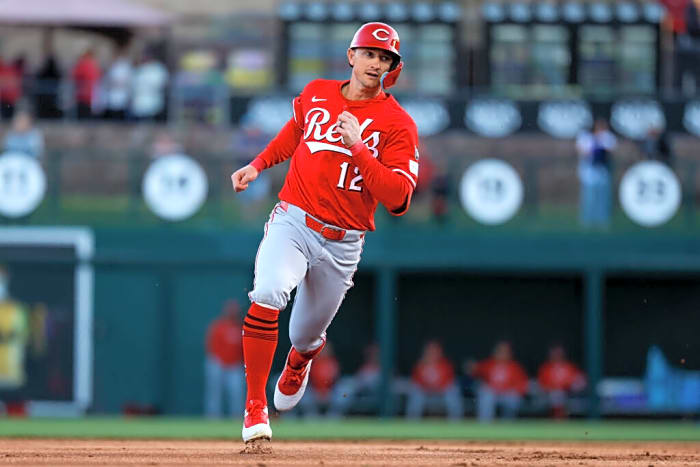
Austin Hays and Andrew Benintendi anchor the corners. Hays gives the roster a needed right-handed corner bat with everyday utility, and his addition allows the staff to be more selective with Benintendi’s workload as they manage his lower-body health.
Although he reported to camp having lost some weight, the expectation is still for Benintendi to spend more time off his feet, which makes Hays’ stability in the corners more important.
Brooks Baldwin remains the swing piece. He can cover multiple spots, but he seemed comfortable in center field, and that is where his path opens if he hits enough to claim a bench job. He can also work in either corner. If Luisangel Acuña holds center the way the club hopes, Baldwin’s value becomes more about lineup flexibility than a true starting role.
Acuña looks like the closest thing to a roster lock among the newer additions. Everson Pereira is under the tightest roster pressure since he is out of options, and the club has spoken as if it wants him involved.
Tristan Peters fits more as an optionable depth with a defensive floor, and he profiles as a Charlotte starter who can be recalled quickly if the outfield thins out. The trio of Acuña, Pereira, and Peters will shape how much runway exists for the other non-roster swings.
Derek Hill gives the team a reliable defensive and baserunning option who can cover center field in short stretches. He is not a bat-first player, but his glove gives him a real chance to stick as a fifth outfielder if the bench skews toward run prevention.
Jarred Kelenic and Dustin Harris sit as the upside possibilities. Kelenic has been mentioned by the staff since early in camp prep, and the organization clearly believes it can clean up the approach enough to unlock a usable player.
Harris brings on-base traits and positional flexibility with some corner infield capability, and a strong spring could make him attractive either as depth for Chicago or as a movable piece if another club is shopping for a left-handed bat.
Braden Montgomery is the prospect headliner. He is unlikely to break camp, but he will be one of the most-watched position players in big league games this spring. Given the long-term need in the outfield, he should be up at some point this summer.
Dru Baker rounds out the depth group as a speed-and-defense option who can cover all three spots. At this stage, he profiles as organizational depth.
Utility Battle
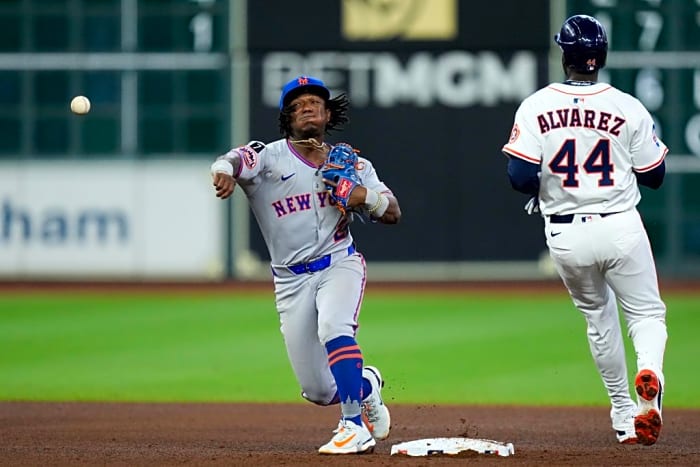
Baldwin and Acuña look like near locks to break camp. Baldwin is the lone switch-hitter in the mix, and both bring the kind of defensive range that lets Venable move them almost anywhere besides catcher and first base.
If either Baldwin or Acuña ends up taking on a larger share of outfield starts, it will change what the club needs from the final bench spot. They both essentially act as backup infielders as well.
That is where Tanner Murray, Oliver Dunn, and Dustin Harris enter the picture. Murray has option flexibility and can bounce around the infield, Dunn offers pure coverage across the dirt and a bit of time in the outfield, and Harris brings a left-handed bat with enough versatility to touch all three outfield spots and corner infield if the roster needs it.
Sam Antonacci is more likely a midseason answer than an Opening Day one, but the skill set fits this job cleanly.
Antonacci can move between second and third, and he gets on base. He also has enough speed to add value once he reaches. If his spring and WBC stretch accelerate his timeline and the club follows through on testing him in the outfield, he could emerge as the type of utility piece who complements Meidroth and fills gaps.
Darren Baker has signed a minor league contract with Chicago and is already working on the back fields after finishing last season with Triple-A Rochester in the Nationals’ system.
First reported by Mark Gonzalez and later confirmed by Bob Nightengale, he is expected to open the year in Triple-A Charlotte. Baker profiles as a contact-first hitter who adds value with speed and defensive range at second base and in the outfield. He does not bring much power, but his ability to put the ball in play and move around the field gives him a realistic depth path.
Injured List
Tim Elko is expected to miss a significant portion of the season after undergoing surgery last October to repair a torn ACL in his right knee. The projected recovery places his return around midseason.
Elko re-signed on a minor league deal and will continue rehabbing with an eye toward contributing later in the year.
Non-Roster Invitees
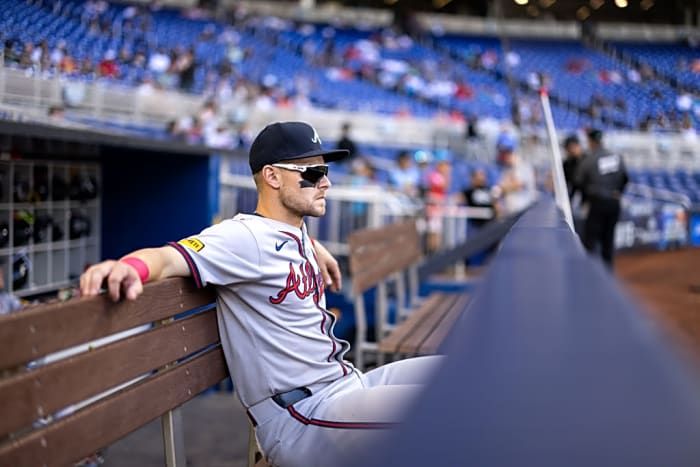
Among the position player non-roster invitees, each profile offers something different. LaMonte Wade Jr. feels like the safest fit on paper. He brings the strongest on-base track record of the group and adds first base flexibility, which gives the roster another layer of coverage if needed.
Jarred Kelenic represents the upside play. The coaching staff clearly believes in the tools, and if the swing adjustments translate, he carries the highest ceiling of the group.
Dustin Harris may be the most intriguing. His ability to play the corner outfield and some corner infield, combined with on-base skills and speed, gives him multiple paths to relevance. Oliver Dunn is the most versatile option, with experience across the infield and enough defensive range to move around as needed.
Most are likely to open the season in Charlotte. Dunn’s defensive flexibility could position him for the quickest call-up in a Zach Remillard-type role if the need arises.
Harris and Wade provide depth at multiple spots, while Kelenic may be the name to watch if performance forces the issue. A stellar spring could change the timeline for any of them and push one into the final roster conversation.
Who the last bench spot goes to will be one of the more telling competitions of camp.
More must-reads:
- Baseball Hall of Famer Bill Mazeroski dies at 89
- Veteran MLB umpire retires after having one of 'worst performances'
- The 'Last 40-homer season by MLB team' quiz
Breaking News
Trending News


Customize Your Newsletter
 +
+




Get the latest news and rumors, customized to your favorite sports and teams. Emailed daily. Always free!
PRIVACY POLICY COOKIE POLICY CONTACT US
ABOUT YARDBARKER TERMS OF SERVICE


By using this site, you agree to our Terms of Service and Privacy Policy.
This site is for entertainment purposes only.
There is no gambling offered on this site.
Gambling Problem? Call 1-800-Gambler.
