
-

-


Follow Us
-

 On Facebook
 On Flipboard
 On Twitter

Outfield. The most diverse offensive position in fantasy baseball, where many of the sports’ best athletes call home. There is an embarrassment of riches, for sure, but knowing who from that treasure trove is worth selecting early in favor of a stud from a position of scarcity or pitching can make the difference between draft day flash and season-long substance.
That’s what makes free agency such an important aspect of the fantasy offseason. If you can properly adjust these specific outfielders in your rankings based on their new or continued fits, it can give you the crucial strategic edge that makes roster management during the marathon fantasy season far less stressful.
Let’s analyze why free agency matters so much for fantasy baseball with regard to outfielders and analyze the top five still on the market.
Why Free Agent Outfielders Matter for Fantasy Baseball 2026
Outfield Remains a Premium Fantasy Slot
Fantasy managers can roster three starting outfielders, and many OF eligible players offer significant power, speed, runs, and RBI potential. These are the best spots to shore up key categories or fill in gaps left in the wake of selections at positions of scarcity.
Stud Free Agents Outfielders Are Rare
Teams tend to lock these players up long term during their prime years, so when they do hit the market and change teams, it can have major fantasy ripple effects across teams, divisions, and the league. Kyle Tucker and Cody Bellinger are no Aaron Judge, Shohei Ohtani, or Juan Soto, but they do fit the descriptor and several adjustments have to be made if they choose greener pastures to ensure the best chance at draft and season-long success.
Landing Spot Parameters
A new team means changes in ballpark, batting order, lineup strength, role (everyday vs part-time), strength of schedule, fanbases/fan sentiment, and pitching matchups. All shift fantasy expectations. All must be accounted for.
Top 5 Free Agent Outfielders and Landing-Spot Analysis
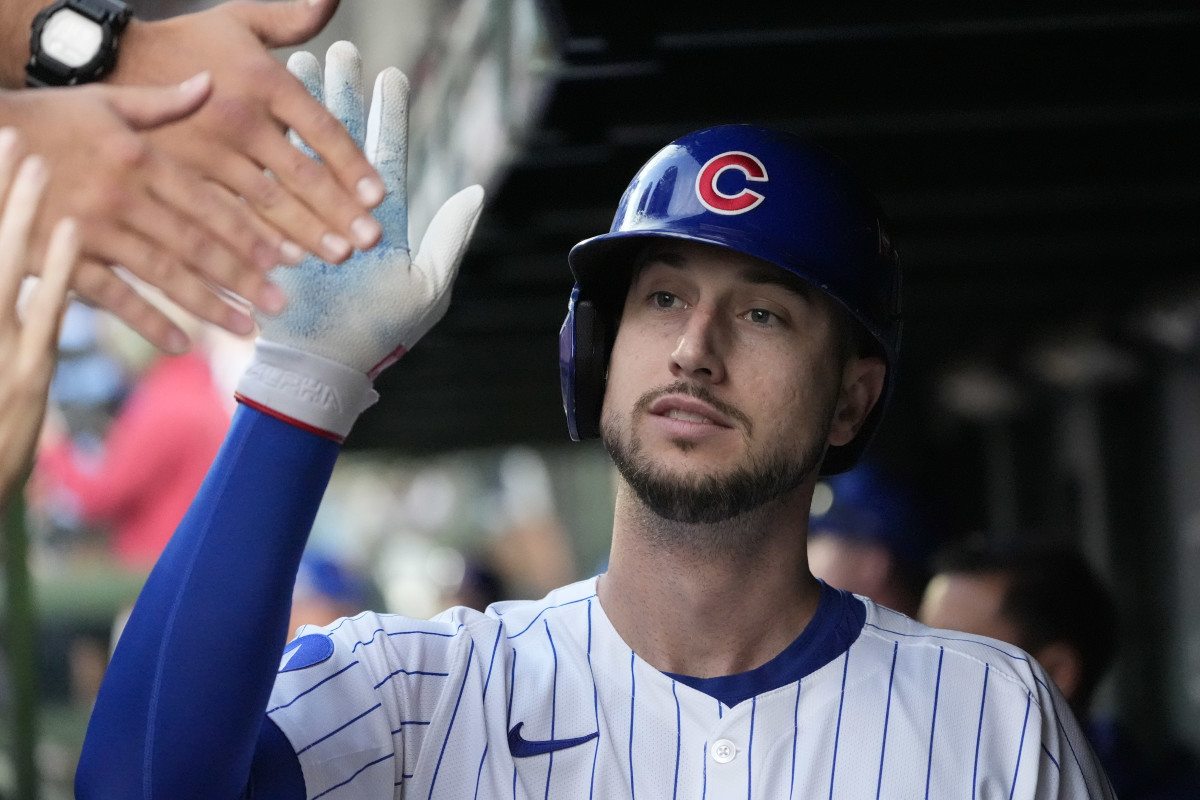
1. Kyle Tucker (LHB)
2025 Stats: 22 HR | 73 RBI | 91 R | 25 SB | .266 AVG | .841 OPS | .363 wOBA | 136 wRC+ | .282 BABIP
It’s been a long offseason for the No. 1 overall free agent for fantasy baseball. It appears teams are playing a long game of chicken with each other and Tucker’s camp.
As mentioned in our main article analysis on Tucker, his performance dipped in the second half of 2025, but that was due to a fractured finger from June that he played through and should be fully healed come 2026. Age is on his side (he’ll turn 29 this season) and there’s been little argument that he isn’t the best player on the market since the 2025 season ended. It’s only a matter of time before he lands somewhere.
Skills: One of the game’s rare 5-6 category contributors as an all-round hitter with speed.
Risks: Injury history (finger, calf strain in '25; fractured shin in '24), power regression (past peak home run growth age of 25-26).
Likely landing spots: Dodgers, Blue Jays, Yankees, Mets, Giants.
Fantasy impact: At 28, Tucker still has growth upside for SB, R, RBI, AVG, and OPS. He was Top 20 wOBA and wRC+ in 2025 despite his low BABIP, meaning he’s also due for positive regression. His tendency to pull the ball plus these factors would mean a fantasy upgrade if he goes to any top suitor outside the Giants (downgrade) or Cubs (even to slight upgrade) due to the more favorable right fields versus Wrigley. Any team with a weaker lineup, like the Giants, would also necessitate a downgrade.
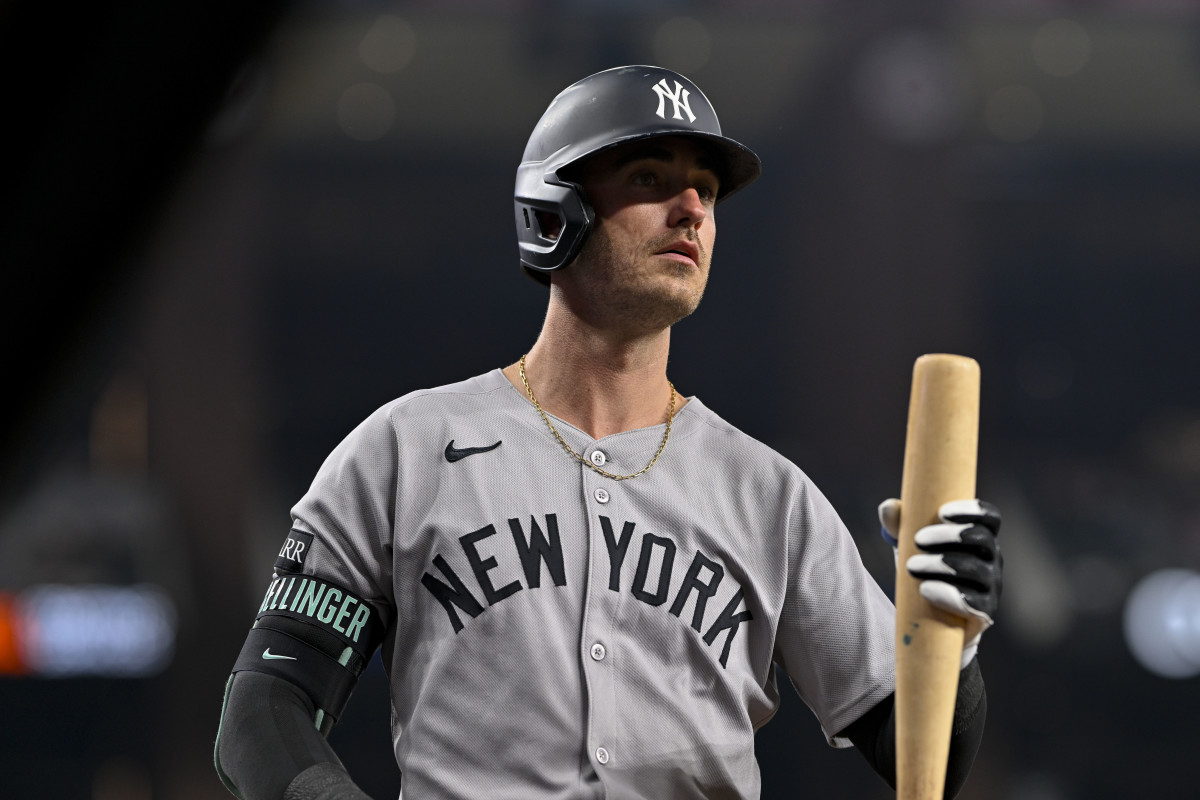
2. Cody Bellinger (LHB)
2025 Stats: 29 HR | 98 RBI | 89 R | 13 SB | .272 AVG | .813 OPS | .347 wOBA | 125 wRC+ | .274 BABIP
Bellinger is going through a similar game of chicken to Tucker. Where it seems teams are waiting for one to sign before pouncing on the other.
The former NL MVP spent 2025 with the Yankees in a career-reviving campaign and best statistical season since he won the award, leading to many teams converting him on a similar level to Tucker. A Bronx return would be ideal given how well Bellinger’s swing fits with Yankees short porch in right.
Skills: Position flexible (OF/1B) and plate versatile with ability to crush lefties.
Risks: Inconsistency (Years between 2019 MVP and 2025 Yankee seasons were a mixed bag), potential start of age-based decline (turns 30 in ‘26).
Likely landing spots: Yankees, Mets, Dodgers.
Fantasy impact: As hinted above, Bellinger will be a highly sought after fantasy outfielder if he returns to the Yankees or lands in a similar situation. The Dodgers offer that. The Mets do as well for the most part. He and Tucker are very similar, so adjust for Belli based on landing spot as you would for his outfield counterpart. He just carries slightly more risk given his prior fall from grace.

3. Harrison Bader (RHB)
2025 Stats: 17 HR | 54 RBI | 61 R | 11 SB | .277 AVG | .796 OPS | .346 wOBA | 122 wRC+ | .359 BABIP
There’s a significant tier drop once you get past Tucker and Bellinger, but Bader is still well worth roster consideration for both MLB teams and fantasy managers. Arguably the best pure CF still on the market, Bader had the best offensive season of his career with the Twins and Phillies in 2025. He also gives teams a defensive boost through his seventh-best DRS (13) among qualified OF last season. That could encourage teams to sign him as a near everyday OF, meaning more opportunities to maintain his counting stats.
His .359 BABIP is a glaring red flag that indicates his 2025 highs were not all his doing. But in 2024, when that was at a disadvantageous .276, Bader still contributed a respectable 12 HR, 51 RBI, 57 R, and 17 SB.
Skills: Solid overall contributor across all categories.
Risks: Age decline (will be 32 in 2026); Can’t carry any fantasy category on his own; Could see limited PAs.
Likely landing spots: Royals, Guardians, Phillies, Cardinals, Mets.
Fantasy impact: As long as he can secure a near everyday role, Bader can be a solid value pick in the mid to late rounds for those who are looking for a solid SB contributor who won’t force you to sacrifice other categories. It’s very important to assess the outfield situation where he lands and keep tabs on if age is affecting his play in spring training.
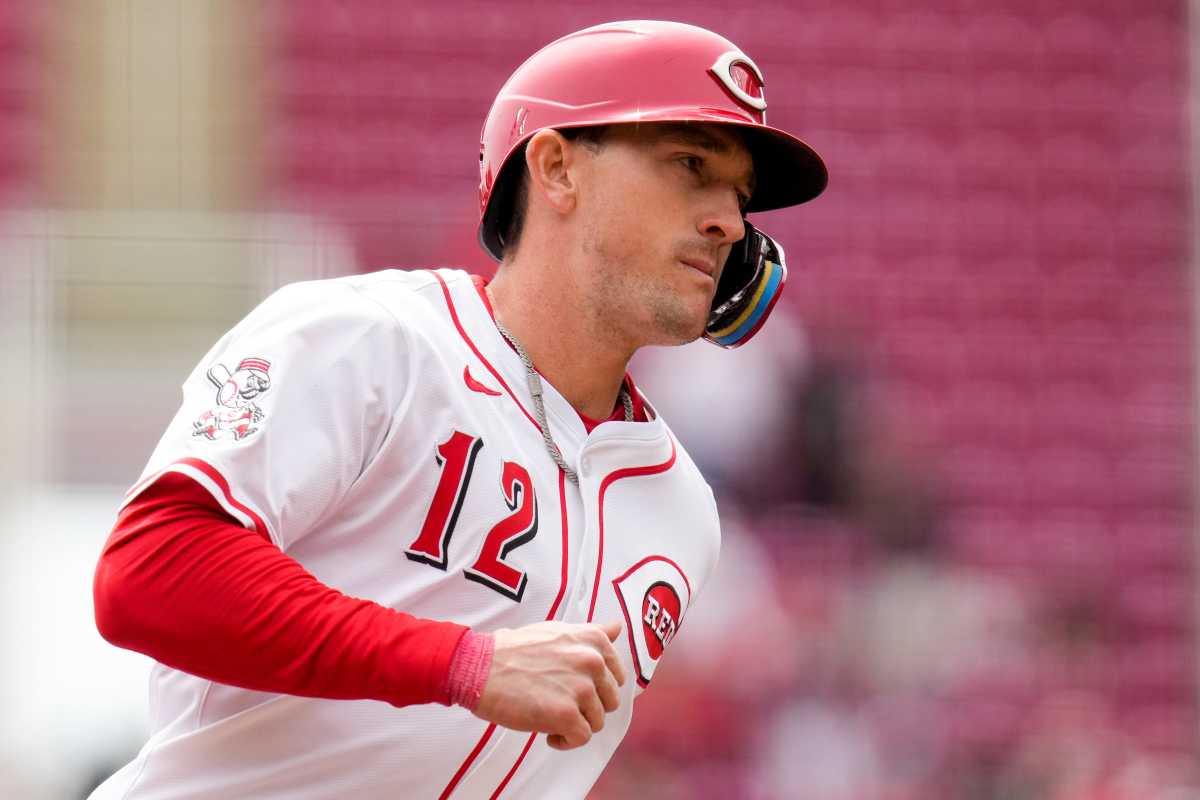
4. Austin Hays (RHB)
2025 Stats: 15 HR | 64 RBI | 60 R | 7 SB | .266 AVG | .768 OPS | .327 wOBA | 105 wRC+ | .326 BABIP
Much like how Tucker and Bellinger profile similarly, so do Bader and Hays. Hays had a productive season with the Reds in 2025 that could’ve been better were it not for multiple 10-day IL stints. Hays’ numbers come off 43 fewer games played than Bader, so it could be argued that even an injury-plagued Hays is better. He also had a perfect stolen base success rate compared to Bader’s 61%.
What tips the scales for us is that Hays is a decisively worse defensive player of late (-2 DRS in ‘25, -8 in ‘24). That plus the injuries means there’s a bigger chance Hays is sitting on your bench not contributing more often.
Skills: Under-the-radar overall category contributor.
Risks: Health/Injuries (Hamstring, Back, Foot, Calf in ‘25; Kidney Infection, Hamstring x2, Adductor, Calf in ‘24); Potential playing time reduction.
Likely landing spots: Royals, Guardians, Mets, Yankees.
Fantasy impact: Should Hays land with a team that will give him everyday PAs in a hitter-friendly park and he stays healthy, he’ll be a great value pick in the mid to late rounds. Especially if they let him run more than the Reds and Orioles did. But that’s a lot of ifs, so monitor him carefully and adjust as needed.
5. Max Kepler (LHB)
2025 Stats: 18 HR | 52 RBI | 58 R | 3 SB | .216 AVG | .691 OPS | .300 wOBA | 90 wRC+ | .232 BABIP
Though his HR, RBI, and R come close to what Bader and Hays above offer, Kepler doesn’t possess either’s ability to steal bases and was an AVG killer in fantasy. It’s worth noting, however, that the AVG issue was far from his fault. His .232 BABIP shows that he was literally the second-most unluckiest batter in 2025 among anyone with 400 or more PA.
Positive regression is due, but Kepler also has father time and a history of offensive inconsistency working against him as well.
Skills: Solid contributor to power, run production, and run scoring; AB grinder who works counts.
Risks: Age (Turns 33 in ‘26); Limited playing time; Inconsistency; Near non-factor for SB.
Likely landing spots: White Sox, Rockies, Guardians, Pirates, Mariners.
Fantasy impact: A lot of things need to go right for Keplar to be worth more than a late-round dart throw/bench stash banking on far luckier ABs. The potential is there with the White Sox, Guardians, Mariners, and even the Yankees or Mets if they miss out on the other top remaining outfielders, so don’t sleep on him entirely just yet.
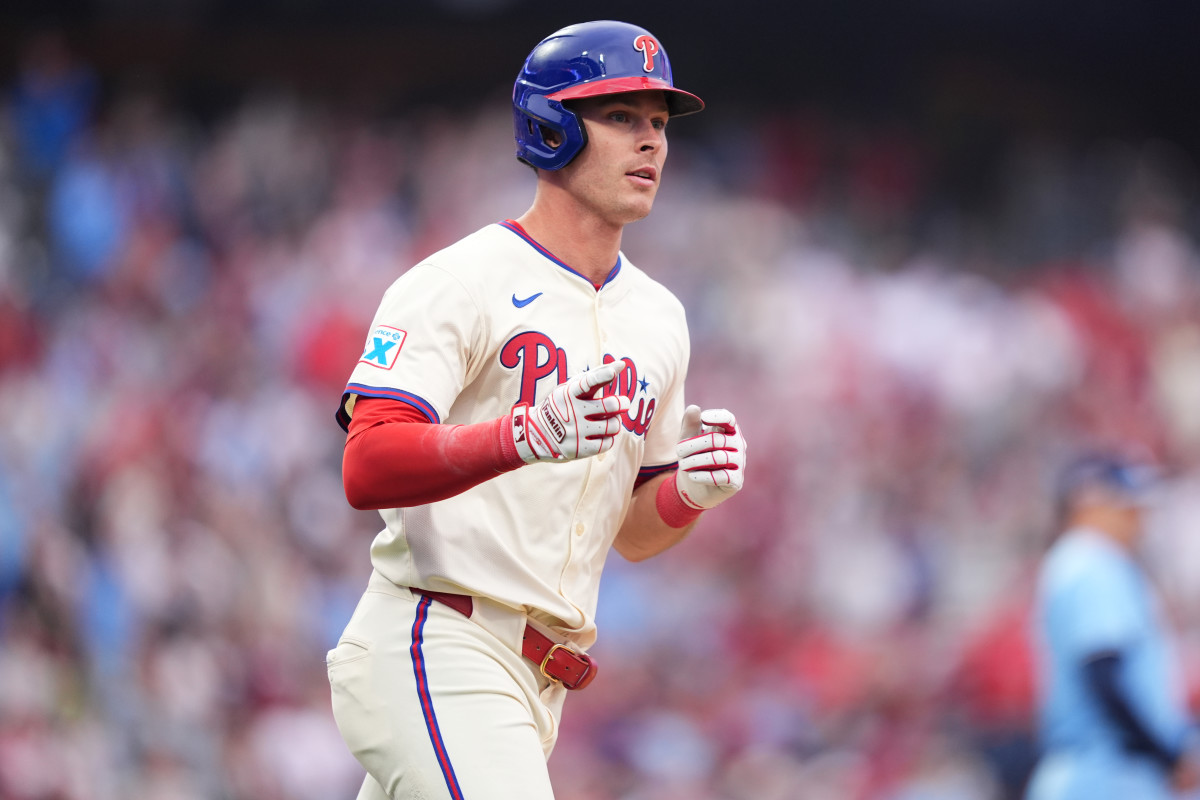
How to Use These Outfielders in Your 2026 Fantasy Drafts
Monitor Signings and Landing Spots
In case it wasn’t emphasized in the player analysis, landing spots are not to be ignored. Once these players sign, analyze their situations to determine impact and adjust your board accordingly.
Draft Strategy
Decide whether you want a premium outfielder slot (Tucker), to go with value/versatility (Bellinger, Hays), or stock up on speed/steals (Bader). Combining all three strategies and getting what else you need at other positions works too, as does pivoting as needed mid-draft. Having a plan in general so you’re not walking into your drafts unprepared is what’s most important.
Fit Matters
Names don’t get you stats, wins, or championships. Picking a star in a weak lineup or pitcher-friendly park can tank your season. Just as equally, a lesser name in a strong situation can outperform and prove to be a league-winner. Identifying that context is crucial to fantasy success year after year.
Fantasy Metrics and Context to Watch for These Outfielders
Home Runs, Runs, RBI
The flashy stats most fantasy managers love to stack up on. Outfield is one of the best positions to establish a strong floor and maximize upside for these primary value pillars for your teams in most leagues.
Plate Appearances/Games Played
Having players with consistent everyday roles is crucial for counting stats. We want lineup regulars who will slot into the top or middle of their batting orders.
Stolen Bases and Extra-Base Hits
Power isn’t everything for outfielders. Speed is a huge differentiator at the position as well, as it comes with more volume in the scarce SB cat and a better chance at high runs scored.
Park and Lineup Context
Hitter-friendly parks, especially ones where the dimensions fit a player’s power swing like Bellinger and Yankee Stadium, can elevate value. This is especially true for the more power-leaning OF position. Being protected in a strong lineup does the same, so long as a player isn’t pushed to the bottom of the order.
Risks and Considerations
Contract Size and Years
Long or expensive deals can make teams skittish with their newly acquired players. Ensuring they get the most out of them for the time/money invested is their priority, so they won’t shy away from limiting playing time. Stay vigilant and don’t just blow off hints from managers and GMs.
Age and Decline
Free-agent outfielders aging further down the wrong side of 30 (Bader, Kepler) carry risk of physical decline and/or playing-time risk, ruining counting stats. Balance your roster with upside youth if you want to pick up a few vets on the tail end of their prime.
Role Uncertainty
As mentioned with Bader, Hays, and Kepler above, signing a new contract doesn’t always equal full everyday use. Platoon and/or bench roles mean reduced playing time and lower fantasy value.
Final Thoughts for Fantasy Baseball 2026
What remains of the outfield free-agent class for 2026 features two top-of-the position players and a slew of value picks, dart throws, and potential sleepers. Which player falls into which category will depend heavily on landing spot for most.
As your draft prep evolves over the coming months, be sure to target the players who have found themselves in the best situation. A slightly lesser bat in ideal context can outproduce a premium one in poor fit. Likewise, a player with sleeper potential could completely flame out.
Use these five players as an example of the range that can come with free agents not just among outfielders, but all positions in fantasy baseball. Monitor the market, analyze fit, maintain vigilance, and adjust your board with each major signing.
People Also Ask
Who is the best free agent outfielder for fantasy baseball in 2026?
Kyle Tucker profiles as the top option due to his five-category production and age, assuming a strong landing spot.
How much do landing spots matter for fantasy outfielders?
Landing spot heavily impacts runs, RBI, and plate appearances, making it a major driver of fantasy value.
Is Cody Bellinger a safe fantasy pick in 2026?
Bellinger offers strong upside but carries more risk than Tucker due to past inconsistency and age.
Are any free agent outfielders sleepers for 2026 drafts?
Players like Harrison Bader and Austin Hays can be mid-to-late round values if they secure everyday roles.
More must-reads:
- Mets' Francisco Lindor reflects on spring training debut coming off injury
- MLB announces 80-game suspension for Johan Rojas
- The 'MLB Rookies of the Year since 2000' quiz
Breaking News
Trending News


Customize Your Newsletter
 +
+




Get the latest news and rumors, customized to your favorite sports and teams. Emailed daily. Always free!
PRIVACY POLICY COOKIE POLICY CONTACT US
ABOUT YARDBARKER TERMS OF SERVICE


By using this site, you agree to our Terms of Service and Privacy Policy.
This site is for entertainment purposes only.
There is no gambling offered on this site.
Gambling Problem? Call 1-800-Gambler.
