
-

-


Follow Us
-

 On Facebook
 On Flipboard
 On Twitter
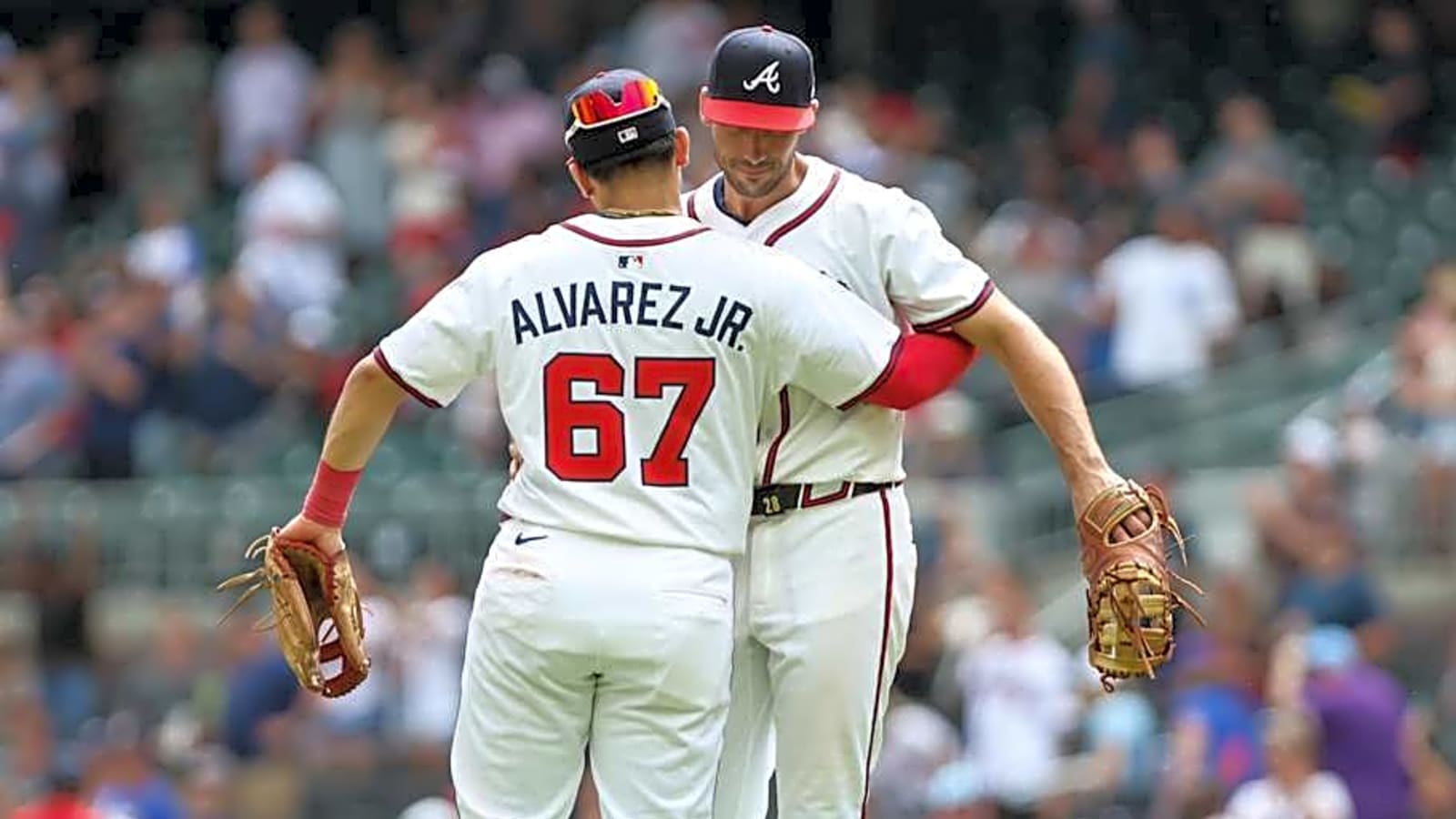
The Atlanta Braves chose to take the leap after losing the stability that the regional sports network provided them for nearly 20 years. They're one of nine teams that had to hustle to determine their plans in time for opening day.
Going off on their own proved to be their decision. While it seems like risk, the revenue streams they're bringing in give them the option.
According to Front Office Sports, the Braves posted an 11% increase in total revenue last year to $732.5 million, and a 172% surge in adjusted operating income to $107.8 million. Revenues from their development around Truist Park, known as The Battery, increased by 45% to $97.4 million.
What happens next for the Atlanta Braves? Don't miss out on any news and analysis! Take a second, sign up for our free newsletter, and get breaking Braves news delivered to your inbox daily!
The Braves now make more money off what's happening outside the ballpark than the Miami Marlins and the Cleveland Guardians spend on their payrolls.
Braves chairman Terry McGuirk attributed the size of the market, among other internal factors, as what gave them this luxury to do their own network.
“We are fortunate to have much of this expertise in-house at the Braves … and we have one of the largest [local] television territories in baseball, which affords us the opportunity to optimize our financial outcome and is a factor that provides us an advantage that no other Main Street team has,” McGuirk said on a call with analysts, via Front Office Sports.
Other teams have had to go to MLB to create their television broadcasts in-house. Meanwhile, BravesVision was announced on Tuesday. It'll be on traditional television, carrying regular-season 140 games, and will be available on streaming with no blackouts.
Most teams have a metropolitan area to pull from. The Braves have about six states with multiple major cities to pull from, including Charlotte, Charleston, Nashville and Birmingham. Some of those towns want an MLB of their own, but for now, they're in Braves Country. Even after, there will still be plenty of fans in those regionals.
How deeply rooted they are in this part of America is another reflection of why they're able to flex this muscle. Even in a down season, where they won just 76 games, they still saw major boosts in the money coming in.
Locally, the Braves showed why other teams now want their own ballpark village. They can provide an experience for those who don't enter the gates on a game day, allowing them to reap the rewards.
The Battery alone likely gave them the ability to give this television endeavor a go.
Soon enough, we'll get to see what type of money they bring in from their own TV network. They have all the control over distribution, market, advertising, you name it. Between subscriptions and advertisements, they could be in for a nice chunk of change.
Certain costs have yet to be announced. That could sway that opinion in a different direction. That being said, sports fans are typically willing to pay to see their teams. We'll check back in on how it plays out at the end of the season.
More From Atlanta Braves on SI
- WBC Providing Major Opportunity for Young Braves Infielder
- MLB Network Host Makes Strong Statement On Chris Sale's Future
- Top Braves Bench Players in Spring Training So Far
- Why Chris Sale's Extension was the Braves' Easiest Decision
More must-reads:
- Braves lock up 2024 Cy Young winner Chris Sale with extension
- Pirates' No. 1 prospect Konnor Griffin raises excitement for future with first spring training home run
- The 'Cy Young winners of the 2000s' quiz
Breaking News
Trending News






Customize Your Newsletter
 +
+




Get the latest news and rumors, customized to your favorite sports and teams. Emailed daily. Always free!
PRIVACY POLICY COOKIE POLICY CONTACT US
ABOUT YARDBARKER TERMS OF SERVICE


By using this site, you agree to our Terms of Service and Privacy Policy.
This site is for entertainment purposes only.
There is no gambling offered on this site.
Gambling Problem? Call 1-800-Gambler.
