
-

-


Follow Us
-

 On Facebook
 On Flipboard

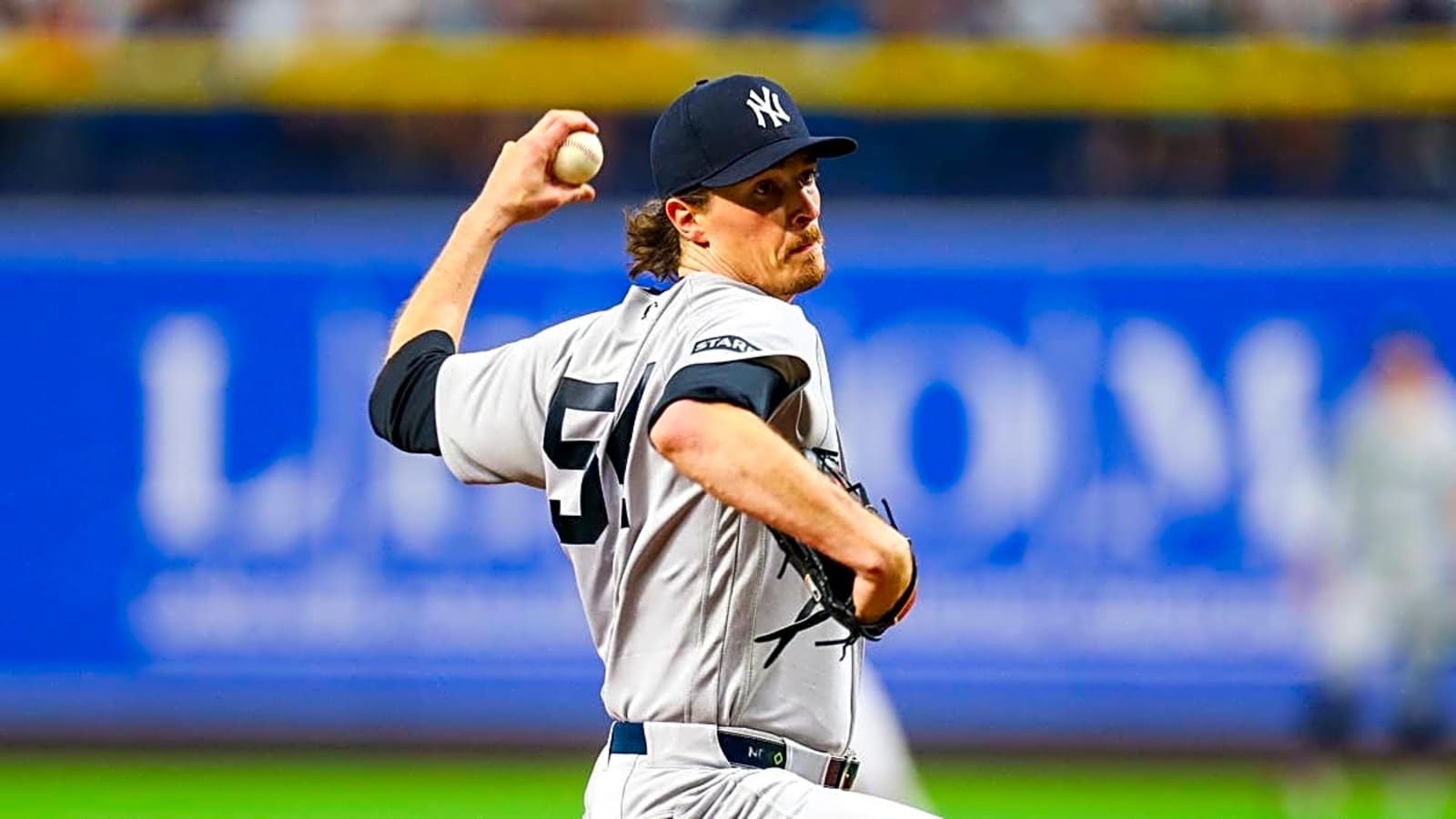
Max Fried has thrown a lot of pitches. Like, a lot of pitches, and it’s only halfway through May.
The Yankees southpaw leads the league with 58.2 innings pitched so far this season, shouldering the workload for a team with an injury-riddled pitching arsenal. On the one hand, New York is fortunate to have him working overtime. Fried has a 4-2 record, a solid 2.90 ERA, and a noteworthy 48:18 K:BB ratio.
On the other hand, Fried is coming off a career-high 195 IP in 2025. Will having such a heavy workload this early in 2026 change him from a sustainable starter to a fantasy time bomb?
Here’s what fantasy baseball managers need to know.
The Historical Case for Early Workload Leaders
What Happens to April and May Innings Leaders?
There’s a reason fewer skippers leave their best starters in games for seven or eight innings in April and May. With the expectation of a couple of freaks of nature like Logan Webb (who led the NL in innings pitched three seasons in a row), a heavy workload in April can lead to fatigue and sloppier starts as soon as August.
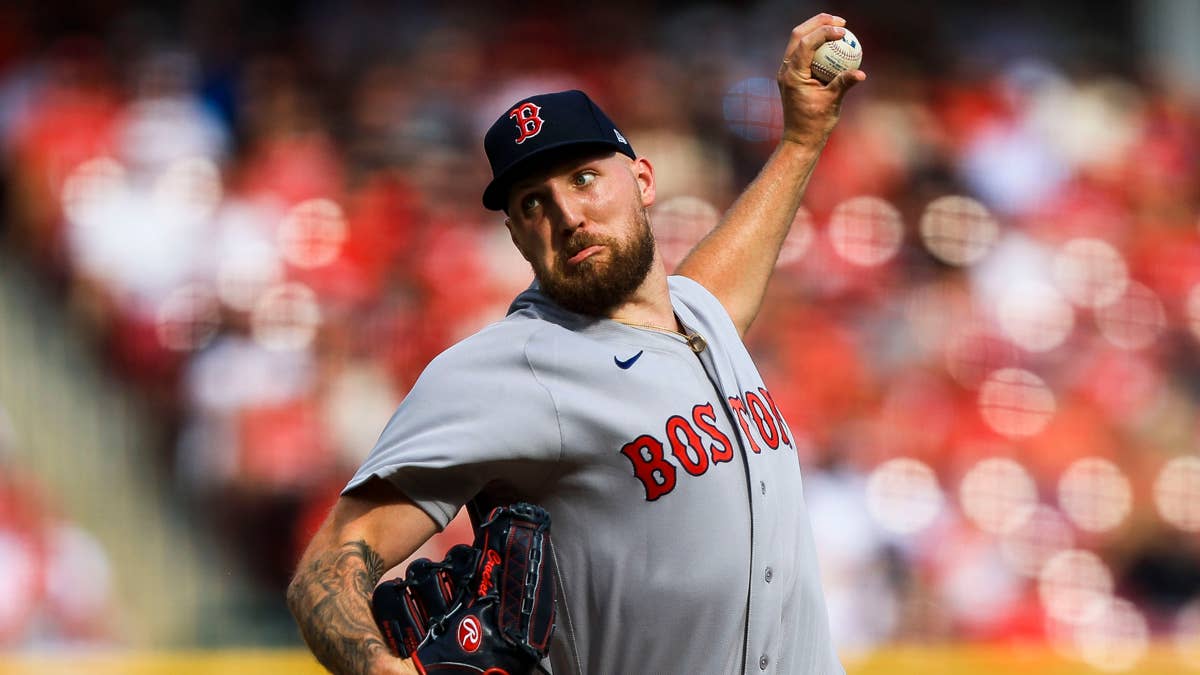
In 2025, Red Sox lefty Garrett Crochet led the MLB with 82.0 innings pitched from the start of the campaign through the end of May. At that point in the season, he had a stellar 1.98 ERA and his four-seam fastball exit velocity was 96.3 mph. He ended the season leading the AL with 205.1 innings pitched, but his ERA ballooned to 3.38 over August and September.
A heavy April and May workload can also lead to decreased pitching velocity. In 2018, Corey Kluber pitched 84.2 innings through the end of May, possessing a 92.2-mph four-seam fastball over that span. Over the last two months of that season, his fastball velocity dropped to 91.7 mph. That also signaled the end of the dominant stretch he had starting for Cleveland, since a 102-mph fastball broke his right forearm the following season.
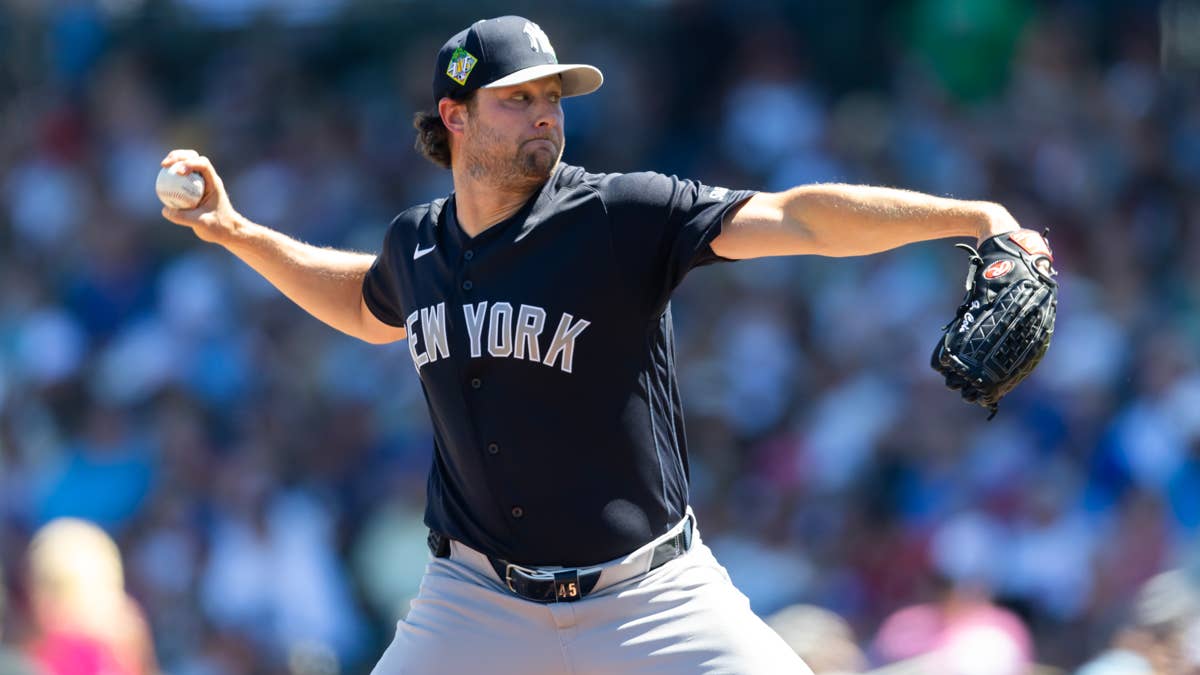
Speaking of which: The fatigue from pitching so much in April and May can also lead to injuries down the line. Enter Max Fried’s teammate Gerrit Cole. The Yankees right-hander pitched 73.2 innings through April and May of 2023 and ended the season leading the AL with 209.0 total innings pitched. He then suffered inflammation in his throwing elbow in March 2024, which delayed his debut that season until mid-June.
Fried's Specific Situation and Risk Factors
Yankees Rotation Context and Career Workload
Fellow workhorses Cole and Carlos Rodon have delayed season starts due to elbow surgeries, and the Yankees’ bullpen is banged up. So, Fried and right-hander Cam Schlittler have anchored the rotation. And while Fried’s underlying stats look good right now, the risk of fatigue and injury looms large.
Fantasy managers remember when Fried had to be removed from a start last July because of a blister on his pitching hand. He still went on to throw 195.0 innings in 2025, but his ERA inflated to over 6.00, and his pitch mix was impacted by the discomfort the seams put on his blistered finger. And a diminished pitch mix can be the difference between a Cy Young candidate and someone the opposition can confidently hit off.
Fantasy Strategy: Hold, Sell High, or Buy Low on Fried?
Roster Implications for 2026
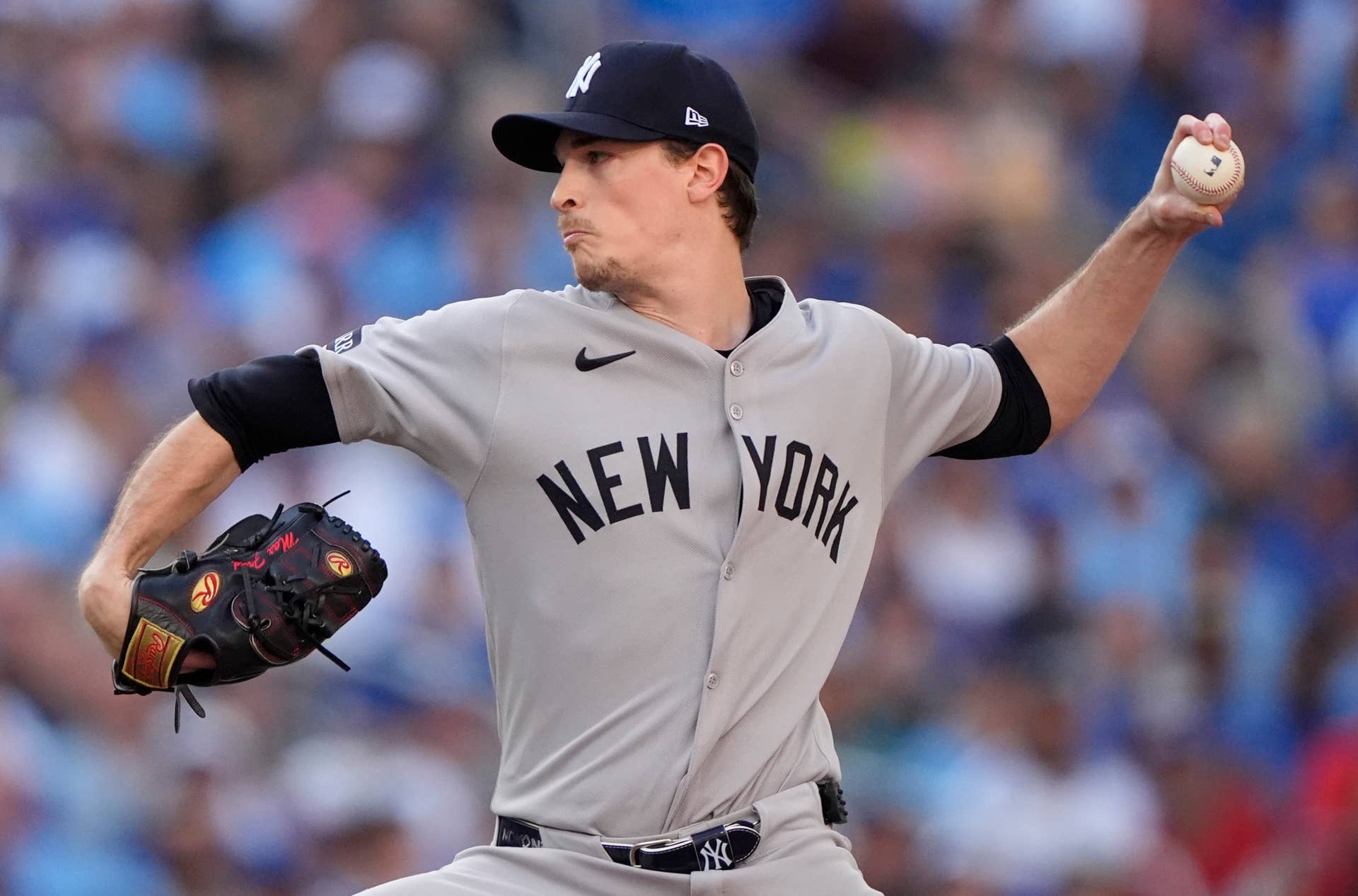
For the time being, the tick of a fantasy time bomb is quiet. Fried is working confidently with a high-velocity seven-pitch arsenal, according to Statcast, so he is a hold candidate for fantasy managers.
But buyers beware. New York’s bullpen is still a carousel of Triple-A talent, suggesting there are more long outings in Fried’s future. He carries volatility because of last season’s high inning count and the blister that derailed his pitches, so the risk of fatigue and injury is very apparent. Advanced owners know to keep a close eye on Fried’s production through the end of May into June, when he could become a sell-high candidate if this early workload catches up to him.
Your Questions About Max Fried, Answered
Does leading the majors in early innings always lead to a late-season fade?
Historical data shows mixed results. Some pitchers maintain production while others show clear fatigue or injury spikes in August and September.
How concerned should fantasy managers be about Fried's 2026 workload?
The combination of his 2025 career-high innings and current role as the Yankees' workhorse raises legitimate red flags that warrant monitoring.
Should I sell high on Max Fried right now?
The article provides specific guidance based on current ADP and league format.
What metrics should I watch to gauge Fried's durability?
Velocity trends, pitch efficiency, and recovery between starts are the key indicators beyond raw innings totals.
Are there comparable historical pitchers to Fried's situation?
Yes. The article cites specific past workload leaders and their second-half outcomes.
How should I adjust my roster if I own Fried?
The report includes concrete hold, sell-high, or contingency plans for different league formats.
More must-reads:
- Agent Scott Boras provides optimistic injury update on Tigers' Tarik Skubal
- Concern levels for five of MLB’s slumping stars
- The 'Active playoff scoring leaders' quiz
Breaking News
Trending News






Customize Your Newsletter
 +
+




Get the latest news and rumors, customized to your favorite sports and teams. Emailed daily. Always free!
PRIVACY POLICY COOKIE POLICY CONTACT US
ABOUT YARDBARKER TERMS OF SERVICE


By using this site, you agree to our Terms of Service and Privacy Policy.
This site is for entertainment purposes only.
There is no gambling offered on this site.
Gambling Problem? Call 1-800-Gambler.
