
-

-


Follow Us
-

 On Facebook
 On Flipboard

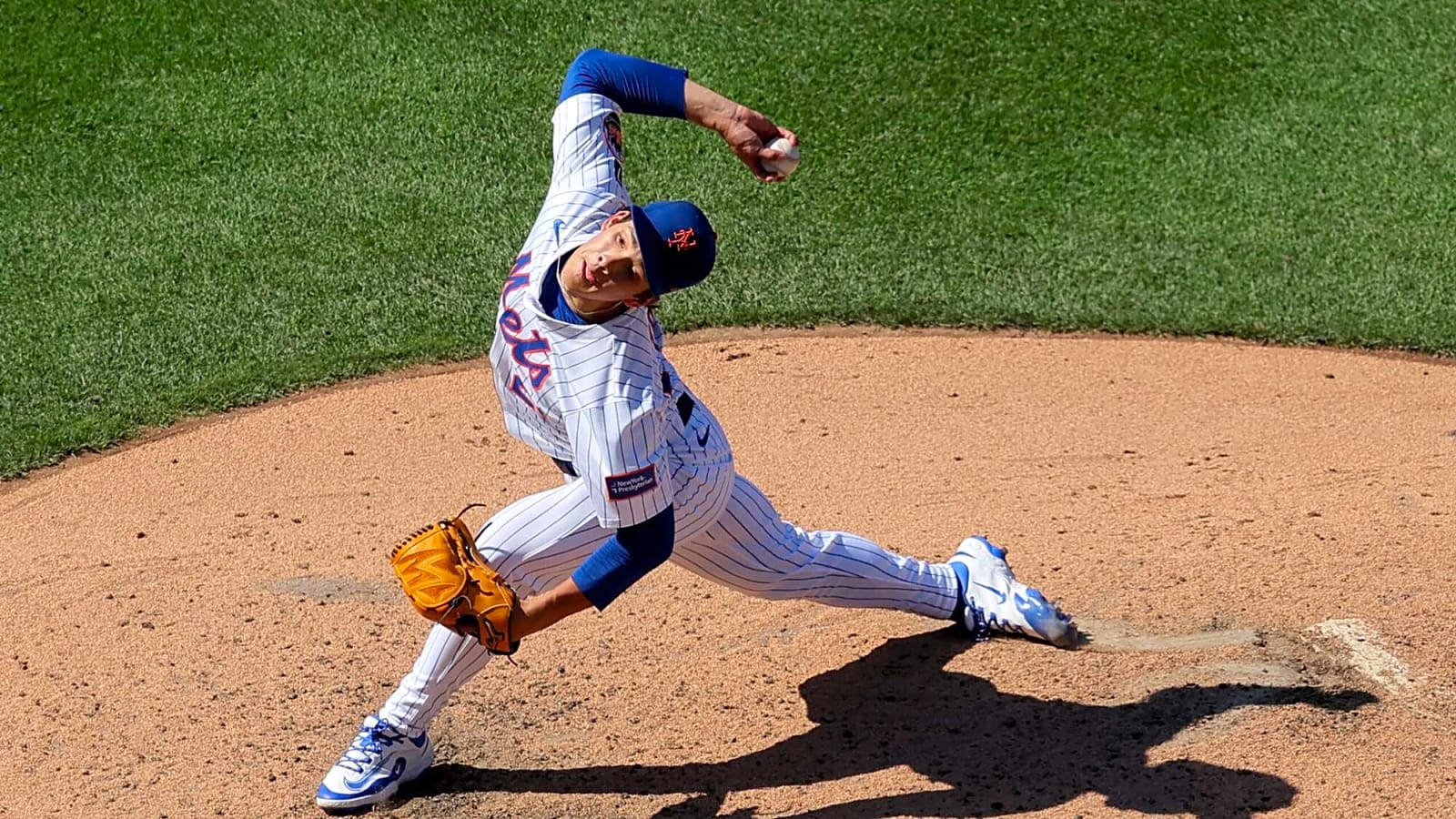
The number that jumps out first is 2.06.
That was Nolan McLean’s ERA in his first taste of the majors in 2025, a clean, confident introduction that told you plenty about where the New York Mets are headed. It also told MLB executives something else. This system is no longer a theory. It is producing.
A Quiet Vote of Confidence
MLB Pipeline’s recent poll of league executives crowned McLean as the top pitching prospect in baseball, and that recognition matters because it came from people paid to evaluate talent without sentiment. Those same executives also placed the Mets seventh overall in farm system rankings, a result that feels both validating and slightly incomplete.
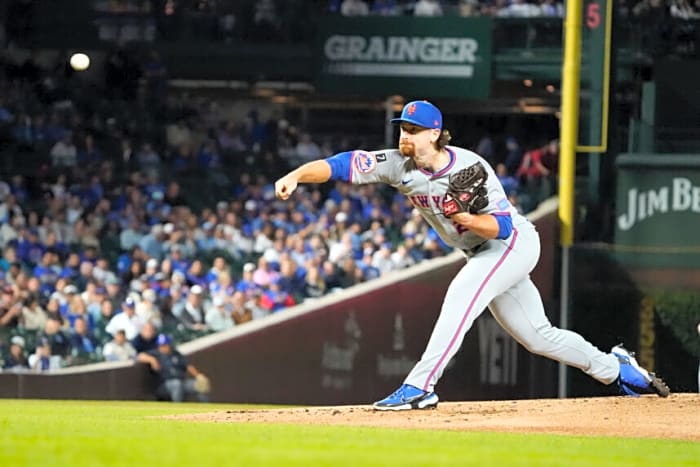
Only the Dodgers, Mariners, Tigers, Brewers, Pirates, and Rays finished higher. Considering how aggressively the Mets have operated in recent seasons, trading prospects and surrendering draft capital in pursuit of major league wins, seventh reads like a quiet compliment. This is not a system hoarding names. It is a system converting them.
Production Over Projection
What separates the Mets from many similarly ranked systems is how much of their top-end talent has already arrived or is close to doing so. MLB Pipeline notes that three of the organization’s top five prospects have made real impacts in the majors. McLean sits atop that list, but Jonah Tong and Brandon Sproat have also shown they belong.
That matters because development is not about prospect lists. It is about usable innings, competitive at-bats, and players who do not look overwhelmed when the lights turn on. The Mets have begun crossing that line consistently, and that is the hardest step for any farm system to take.
Help Is Closer Than It Looks
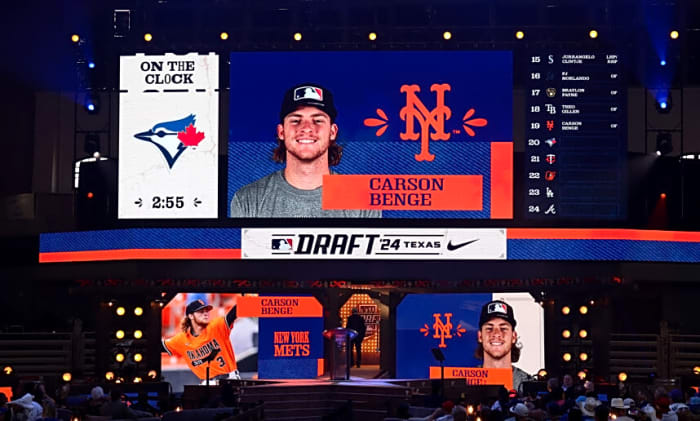
Behind McLean, the system remains stocked with players nearing the finish line. Carson Benge, ranked second, is widely viewed as the future center fielder in Queens. His profile fits what the Mets have lacked for stretches: athleticism up the middle with offensive upside.
Jett Williams, ranked third, has a more complicated path thanks to roster congestion, but talent tends to create its own space. His versatility across the outfield and infield gives the Mets options, whether as a contributor or as a premium trade chip if needs arise elsewhere.
Both players could realistically impact the Mets as early as 2026, which adds an important layer of flexibility to roster planning.
Depth That Extends Down the Ladder
What keeps the Mets from feeling top-heavy is the next wave. Shortstop Elian Pena offers intrigue at a premium position, while 2025 first-round pick Mitch Voit brings upside that could reshape future conversations. These are not immediate answers, but they are the kind of bets good organizations keep placing.
The balance stands out. The Mets have players ready to help now and others who could matter later, without leaning too far in either direction. That is how systems stay relevant rather than peaking and collapsing.
The Mets farm may still be called underrated, but seventh in the league with multiple contributors already in the majors suggests something more durable. This is not just a pipeline anymore. It is part of how the Mets plan to win, and it finally looks built to last.
More must-reads:
- Astros star Carlos Correa suffers 'serious' injury
- Pirates manager, pitcher suspended by MLB
- The '20-point, 15-rebound Game 7's' quiz
Breaking News
Trending News





Customize Your Newsletter
 +
+




Get the latest news and rumors, customized to your favorite sports and teams. Emailed daily. Always free!
PRIVACY POLICY COOKIE POLICY CONTACT US
ABOUT YARDBARKER TERMS OF SERVICE


By using this site, you agree to our Terms of Service and Privacy Policy.
This site is for entertainment purposes only.
There is no gambling offered on this site.
Gambling Problem? Call 1-800-Gambler.
