
-

-


Follow Us
-

 On Facebook
 On Flipboard


In terms of generating headlines, the Angels and Cubs trade centering on reliever Ryan Zeferjahn was not on the same scale as many other transactions made yesterday. But as far as Angels GM John Mozeliak cashing in a hot trade chip for a much needed bat it was a shrewd display of skill.
Imagine being told in March that Ryan Zeferjahn would be traded for a consensus Top 100 prospect who is just now starting his Major League career. Yes, that just happened.
A Consensus Top 100 Pedigree
Before he was elevated to play with the big club in Chicago earlier this season, Ballesteros was a highly decorated marquee prospect. He climbed all the way to No. 36 overall on Baseball America’s prestigious Top 100 list entering the 2026 season. FanGraphs similarly highlighted him at No. 84 overall, demonstrating that despite defensive limitations, his pure bat-first capability commands top-tier respect industry-wide
Ballesteros is a legitimate 50 grade prospect, which generally the highest grade traded at the deadline. For comparison, Zyhir Hope and Anthony Eyanson are considered the centerpieces of the two largest deals at this deadline and they share a 50 grade rating.
The Highlights Elite Bat Speed and 50-Grade Raw Power
Moises calling card is his bat and power. Both are rated above MLB average. He also has a capable arm behind the plate. His speed and defense are well below average but his left handed bat is his calling card.
Evaluators consistently agree on a 50 Future Value (FV) grade on his overall profile, driven heavily by an above-average hit tool and legitimate 55-grade raw power potential. He possesses rare bat speed and couples it with exceptional bat-to-ball skills that minimize his swing-and-miss risk against high-velocity pitching.
The Angels prioritized contact rate during the draft and have added an MLB ready bat with a high contact rate today. Ballesteros hit .316/.385/.473 with 29 doubles and 12 home runs in AAA last season. That took place in Iowa and in the International League where offensive numbers are not inflated.
Highly Rated Bats are More Predictable Than Relievers
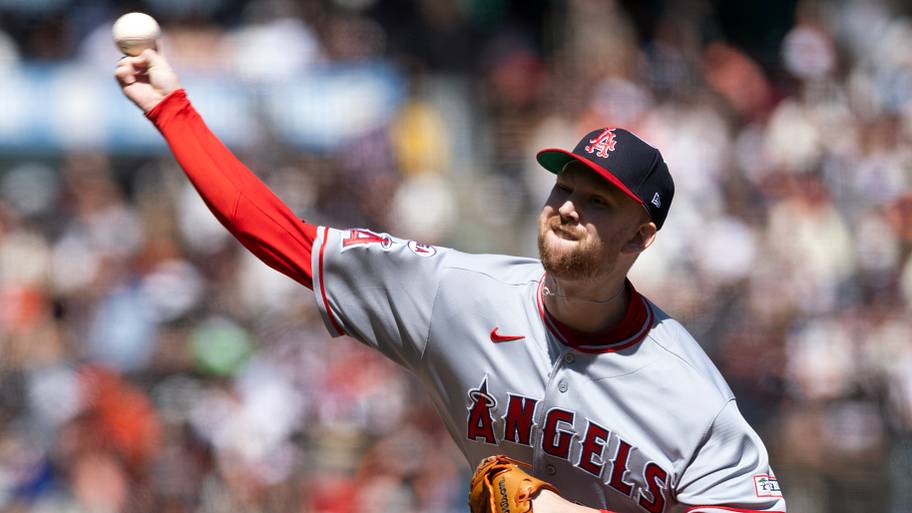
Credit Ryan Zeferjahn with mastering a new sweeper and changing his pitch mix this season. The results have been great and he turned himself into a solid trade chip for the Angels. Hopefully for his sake and the Cubs he continues to have success.
However, baseball history is full of the names of pitchers who changed their pitch mix, had initial success, then saw the league adjust to them. The Cubs are clearly hoping Zeferjahn's newfound results can continue deep into October then for years to come. But they are also buying high on a two month sample of success.
Yes, 50 grade prospects often fail; even ones with hit and power tools rated as highly as Ballesteros. However, adding a bat that was 20% or better than average in both AA and AAA the last two seasons is a safer long term play than counting on a new pitch by a reliever.
John Mozeliak Nailed this Trade
There simply is no other way to state it, John Mozeliak did an amazing job on this trade. Even if Zeferjahn ends up closing the final game of the World Series for the Cubs he would at best pitch 60 or so innings per season for the Angels. Ballesteros figures to get 500+ plate appearances per year in a hope to actually create a lead to save.
The simulator at baseballtradevaules.com says the Angels received about three times the value they shipped out. While not an exact science, their model generally reflects trades pretty evenly.
Considering Zeferjahn was acquired for two months of Luis Garcia and flipped for a Top 100 Prospect that is a huge win for the Angels. These are the types of moves winning clubs make.
It will take a while for the Angels to potentially be a winning club. But if that day arrives in the next half decade it will likely be due to moves made on this trade deadline. None of those moves played better in the Angels favor than this one.
More must-reads:
- Rival teams are reportedly ‘stunned’ by Adley Rutschman trade
- Cubs continue playoff push by acquiring Clay Holmes, Tyrone Taylor
- The 'Pitching Triple Crown winners' quiz
Breaking News
Trending News


Customize Your Newsletter
 +
+




Get the latest news and rumors, customized to your favorite sports and teams. Emailed daily. Always free!
PRIVACY POLICY COOKIE POLICY CONTACT US
ABOUT YARDBARKER TERMS OF SERVICE


By using this site, you agree to our Terms of Service and Privacy Policy.
This site is for entertainment purposes only.
There is no gambling offered on this site.
Gambling Problem? Call 1-800-Gambler.
