
-

-


Follow Us
-

 On Facebook
 On Flipboard

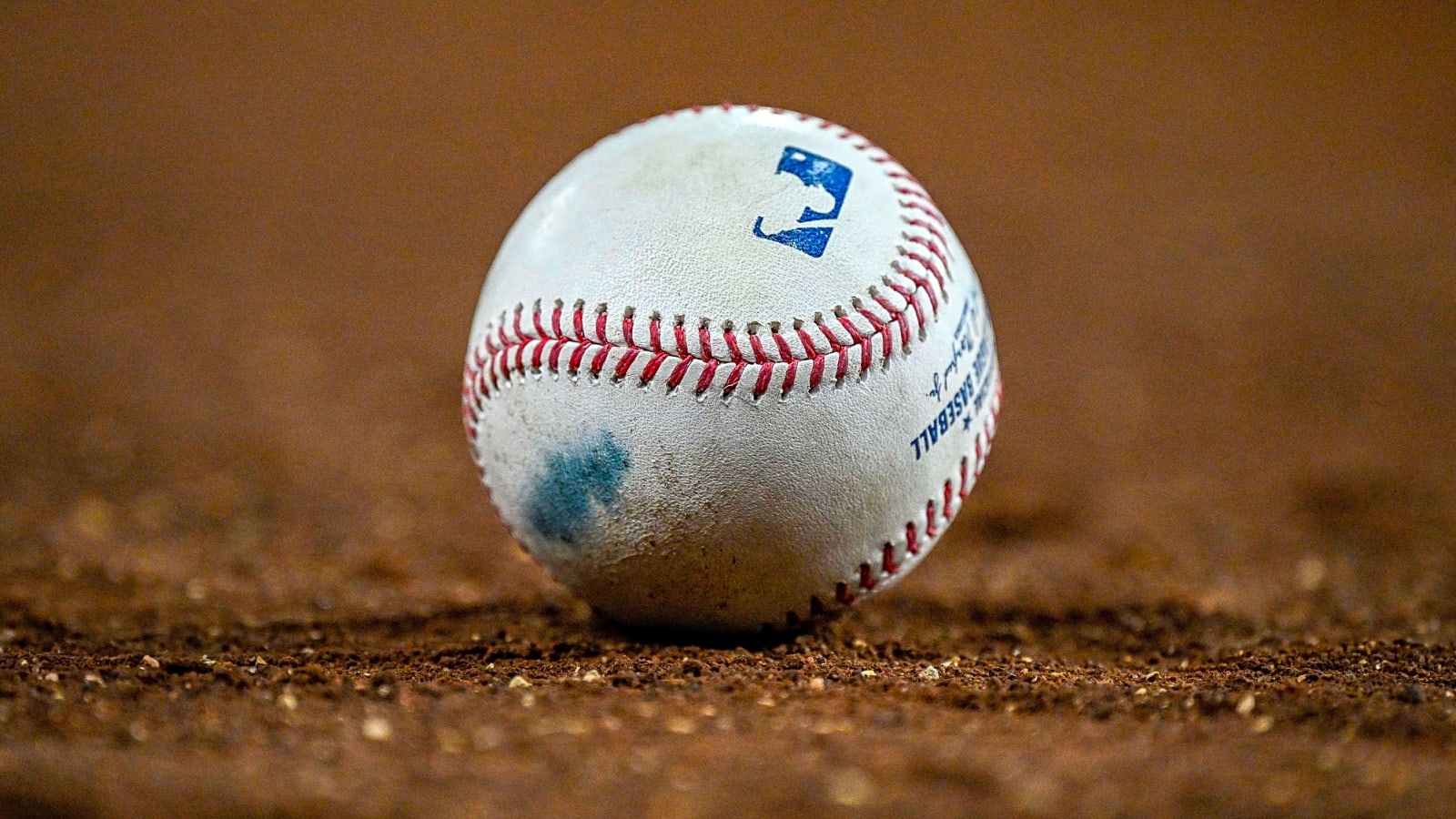
MLB's unwritten rules are becoming a generational problem
Baseball has always had rules that aren't actually in the rulebook.
Don't admire a home run for too long. Don't steal a base when you're comfortably ahead. Don't swing at a 3-0 pitch in certain situations. Don't celebrate too loudly. Don't make the other team feel embarrassed.
The problem for MLB is that an increasing number of its youngest players seem to have looked at that invisible rulebook and decided not to read it.
Are MLB's unwritten rules evolving with the next generation?
Ronald Acuna Jr. provided another example Sunday when the Braves star admired a game-tying home run against the Phillies, took his time rounding the bases and then waved to the Philadelphia crowd from the top of the dugout. Acuna didn't exactly look interested in apologizing for enjoying one of the biggest moments of Atlanta's comeback.
And honestly, why should he?
MLB has spent years telling fans that baseball needs more action, more personality and more athleticism. The league introduced a pitch timer, limited pitcher disengagements, restrictive defensive shifts and enlarged the bases specifically to create a faster, more aggressive game. MLB said the changes were designed to "increase action" and give players more opportunities to showcase their athleticism.
That creates an obvious contradiction. You can't spend years encouraging players to be more aggressive and entertaining, then act surprised when they start behaving like entertainers. The generational divide isn't really about whether baseball should have standards. It's about who gets to define them.
Older players were taught that respect meant minimizing emotion. The younger generation increasingly seems to view respect as competing hard, playing with personality and letting fans see that the game actually means something to them. Those philosophies don't necessarily have to conflict.
There is a legitimate difference between celebrating a home run and intentionally trying to embarrass an opponent. There is also a difference between playing with emotion and deliberately provoking someone. Baseball doesn't need to abandon sportsmanship simply because players have discovered celebrations.
But unwritten rules become problematic when they are enforced selectively or when players are expected to follow traditions that even MLB itself is steadily making less relevant.
Fernando Tatis Jr. became one of the most recent examples of that shift when his aggressive style and celebrations repeatedly collided with baseball's old-school expectations. Yet, MLB increasingly embraced the entertainment value of players who bring personality to the field. The league even highlighted bat flips as a way for players to "show their personalities" and make moments more exciting for fans in its 2025 year-end coverage.
That evolution is important because unwritten rules are supposed to evolve, too. Commissioner Rob Manfred said years ago that each generation of players would develop its own understanding of what is acceptable and that baseball should embrace those differences.
Maybe that's what MLB is watching happen now. The younger generation isn't necessarily killing baseball's traditions. It's deciding which ones deserve to survive.
And if baseball really wants to become younger, faster and more entertaining, it probably shouldn't be surprised when its players start looking the part.
More must-reads:
- Pete Crow-Armstrong makes Cubs, MLB history by joining 40-HR club
- Doug Eddings shows he is everything that is wrong with MLB's power-hungry umpires
- The 'MLB multi-time MVPs' quiz
Breaking News
Trending News






Customize Your Newsletter
 +
+




Get the latest news and rumors, customized to your favorite sports and teams. Emailed daily. Always free!
PRIVACY POLICY COOKIE POLICY CONTACT US
ABOUT YARDBARKER TERMS OF SERVICE


By using this site, you agree to our Terms of Service and Privacy Policy.
This site is for entertainment purposes only.
There is no gambling offered on this site.
Gambling Problem? Call 1-800-Gambler.
