
-

-


Follow Us
-

 On Facebook
 On Flipboard

The Minnesota Twins have several ways to improve this winter. Choosing which problems to address first will determine whether those moves produce a stronger 2027 roster.
Before pursuing additions, the front office needs to establish how much it can spend after existing commitments. These five priorities rank the roster decisions that should drive that spending, with the order changing as Minnesota fills its needs.
Fix the Bullpen and Catching First
No. 1: Add dependable bullpen depth
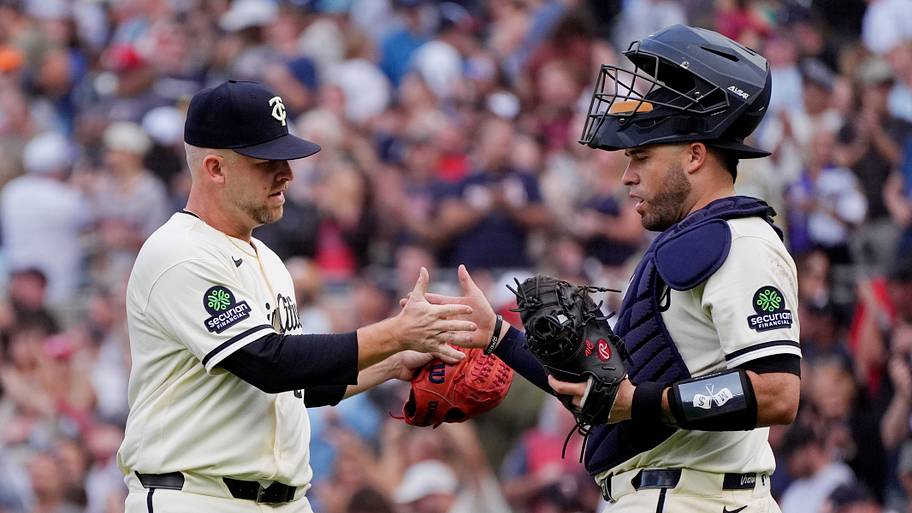
Minnesota’s relievers finished 26th in MLB with a 4.74 ERA. Jeff Hoffman remains under contract, but A.J. Minter and Taylor Rogers are headed toward free agency. Anthony Banda’s recovery from lat surgery adds uncertainty on the left-handed side.
The Twins should add at least two dependable relievers, including a left-hander, through free agency or the trade market. This ranks first because improving the bridge to the ninth inning would help every starter and reduce pressure on the offense.
No. 2: Resolve Ryan Jeffers’ future
Jeffers leads Minnesota’s pending free-agent group after hitting .256/.353/.461 with 14 home runs in 2026. Victor Caratini is signed through 2027, but losing Jeffers would leave a significant workload to replace.
Minnesota should pursue a reunion while evaluating alternatives before negotiations end. Catching ranks above adding another corner bat because replacing Jeffers’ production at that position would be more difficult. The qualifying-offer decision also needs to account for the money required to repair the pitching staff.
Set the Rotation Plan and Create Clear Roles
No. 3: Protect the rotation beyond 2027
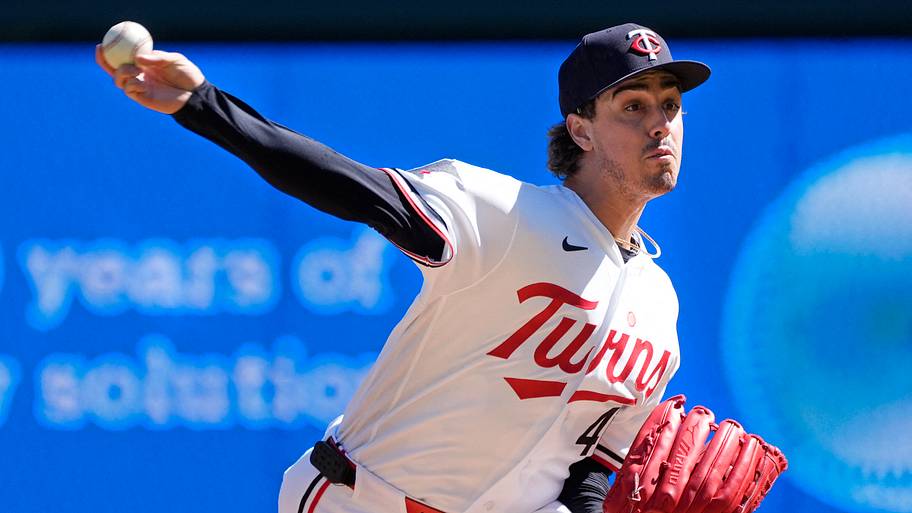
Joe Ryan, Pablo López, Bailey Ober, and Dean Kremer could all reach free agency after 2027. Taj Bradley offers a younger building block, while López’s recovery from Tommy John surgery makes depth particularly important.
Those approaching contract decisions deserve attention now. Explore a Ryan extension and evaluate Ober and Kremer’s arbitration costs against credible replacements. Moving a veteran only makes sense if the return improves the pitching outlook; keeping enough starters to cover injuries remains essential.
No. 4: Clarify first base and designated hitter
Josh Bell has a $10 million mutual option for 2027 with a $1.25 million buyout. Royce Lewis hit .227/.287/.380 in 2026, leaving Minnesota with questions about how much offense those positions can provide.
The Twins should tender Lewis a contract and make him compete for everyday work. Bell’s option and Lewis’ arbitration decision should guide the search for another bat, with enough flexibility at DH to accommodate other players. This ranks fourth because Minnesota has more ways to distribute those at-bats than it does to replace a catcher.
No. 5: Give the young core a path to regular work
Walker Jenkins, Emmanuel Rodriguez and Kaelen Culpepper reached the Majors in 2026. Minnesota should establish clear opportunities for those young players, including a corner-outfield opportunity for Jenkins when Byron Buxton returns and a shortstop competition for Culpepper.
That process should include evaluating Trevor Larnach’s trade fit. A deal bringing back useful MLB pitching could address two priorities, but the Twins should retain him if offers fail to justify losing his bat. Prospect opportunities belong in the plan without making immediate success a requirement.
If Jeffers departs without a replacement, catching moves to No. 1. Two strong bullpen additions would shift attention toward the rotation and lineup, giving Minnesota a reason to revise this checklist as the winter unfolds.
More must-reads:
- Alex Cora is being linked to surprise team after turning down the Phillies
- Ex-Yankee Anthony Rizzo calls out team after latest playoff flop: 'It's insanity'
- The 'Most 3-HR MLB Playoffs' quiz
Breaking News
Trending News





Customize Your Newsletter
 +
+




Get the latest news and rumors, customized to your favorite sports and teams. Emailed daily. Always free!
PRIVACY POLICY COOKIE POLICY CONTACT US
ABOUT YARDBARKER TERMS OF SERVICE


By using this site, you agree to our Terms of Service and Privacy Policy.
This site is for entertainment purposes only.
There is no gambling offered on this site.
Gambling Problem? Call 1-800-Gambler.
