
-

-


Follow Us
-

 On Facebook
 On Flipboard

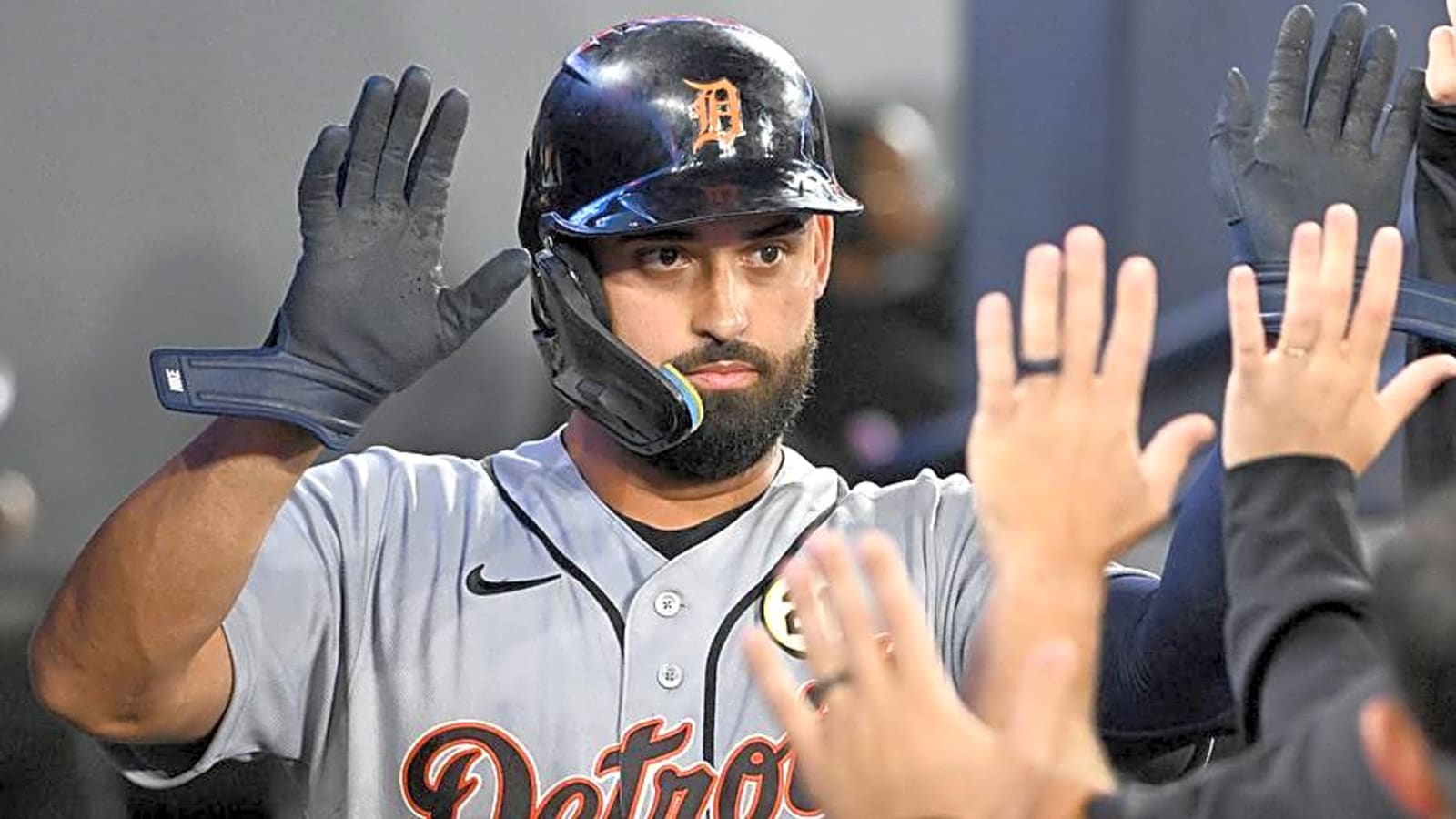
The Detroit Tigers made two unusual entries involving Riley Greene during their series against the Toronto Blue Jays, but neither represented a roster move, contract development, or permanent change.
The club’s official transaction log showed that Greene changed his uniform number from No. 31 to No. 21 on Sept. 15. Detroit recorded another change on Sept. 16, when the outfielder returned to No. 31.
The timing created a straightforward explanation for an otherwise confusing pair of transactions. Sept. 15 was Roberto Clemente Day across Major League Baseball, and Greene was eligible to wear the Hall of Famer’s number because of his Puerto Rican heritage.
No. 21 Carried Meaning Beyond One Game
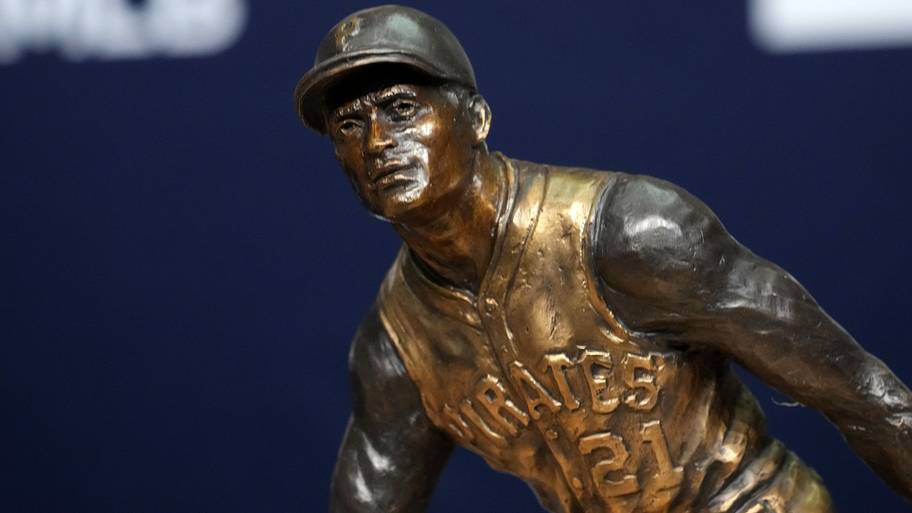
MLB honored Clemente by placing a No. 21 patch on every player’s jersey. The Pittsburgh Pirates wore No. 21 throughout their lineup, as Roberto Clemente Award nominees, previous winners, and players of Puerto Rican descent had the option to replace their regular uniform number with 21.
Greene’s mother, Lisa Greene, is Puerto Rican. That family connection made him eligible for the tribute.
The Tigers' two players with roots -- Javier Baez and Riley Greene -- wearing No. 21 in tribute to Roberto Clemente today.
— Evan Woodbery (@evanwoodbery) September 16, 2025
Clemente spent his entire 18-year Major League career with Pittsburgh, collecting 3,000 hits and earning 15 All-Star selections. His legacy expanded beyond the field because of his humanitarian work and his death while attempting to deliver relief supplies to earthquake victims in Nicaragua.
MLB established Roberto Clemente Day in 2002. The league uses the annual event to recognize Clemente’s life and the community work represented by the award that bears his name.
Tigers’ Nominee Had a Different Connection

Justin Verlander, not Greene, was Detroit’s 2026 nominee for the Roberto Clemente Award. Verlander therefore had his own eligibility to wear No. 21, although the Tigers’ transaction log specifically recorded Greene’s temporary change.
MLB’s official Roberto Clemente Day announcement identified Verlander as the club’s nominee and confirmed that players of Puerto Rican descent could also choose the number. Those details, combined with the Sept. 15 timing, explained Greene’s brief switch.
The Tigers had not issued a separate announcement explaining the transaction when the changes appeared on MLB’s roster page. The league’s rules and Greene’s background strongly indicated that the move was ceremonial rather than permanent.
That distinction mattered because a number change can sometimes signal a new acquisition, a player preference, or a marketing decision. None of those explanations fit a move that lasted only one day and coincided exactly with Clemente’s annual celebration.
Greene resumed wearing No. 31 after the tribute, and Detroit restored that number in its official records on Sept. 16. The two entries therefore documented a small but meaningful gesture that could easily look like an administrative mistake without the surrounding context.
For Greene, No. 21 connected his Tigers career and his Puerto Rican family history. The number changed back after one game, but the reason behind it carried far more meaning than a mere uniform adjustment.
More must-reads:
- Dodgers provide encouraging Shohei Ohtani injury update
- Dodgers clinch fifth straight NL West title, move to top of all-time list
- The 'Most lefty-homers in a season' quiz
Breaking News
Trending News








Customize Your Newsletter
 +
+




Get the latest news and rumors, customized to your favorite sports and teams. Emailed daily. Always free!
PRIVACY POLICY COOKIE POLICY CONTACT US
ABOUT YARDBARKER TERMS OF SERVICE


By using this site, you agree to our Terms of Service and Privacy Policy.
This site is for entertainment purposes only.
There is no gambling offered on this site.
Gambling Problem? Call 1-800-Gambler.
