
-

-


Follow Us
-

 On Facebook
 On Flipboard

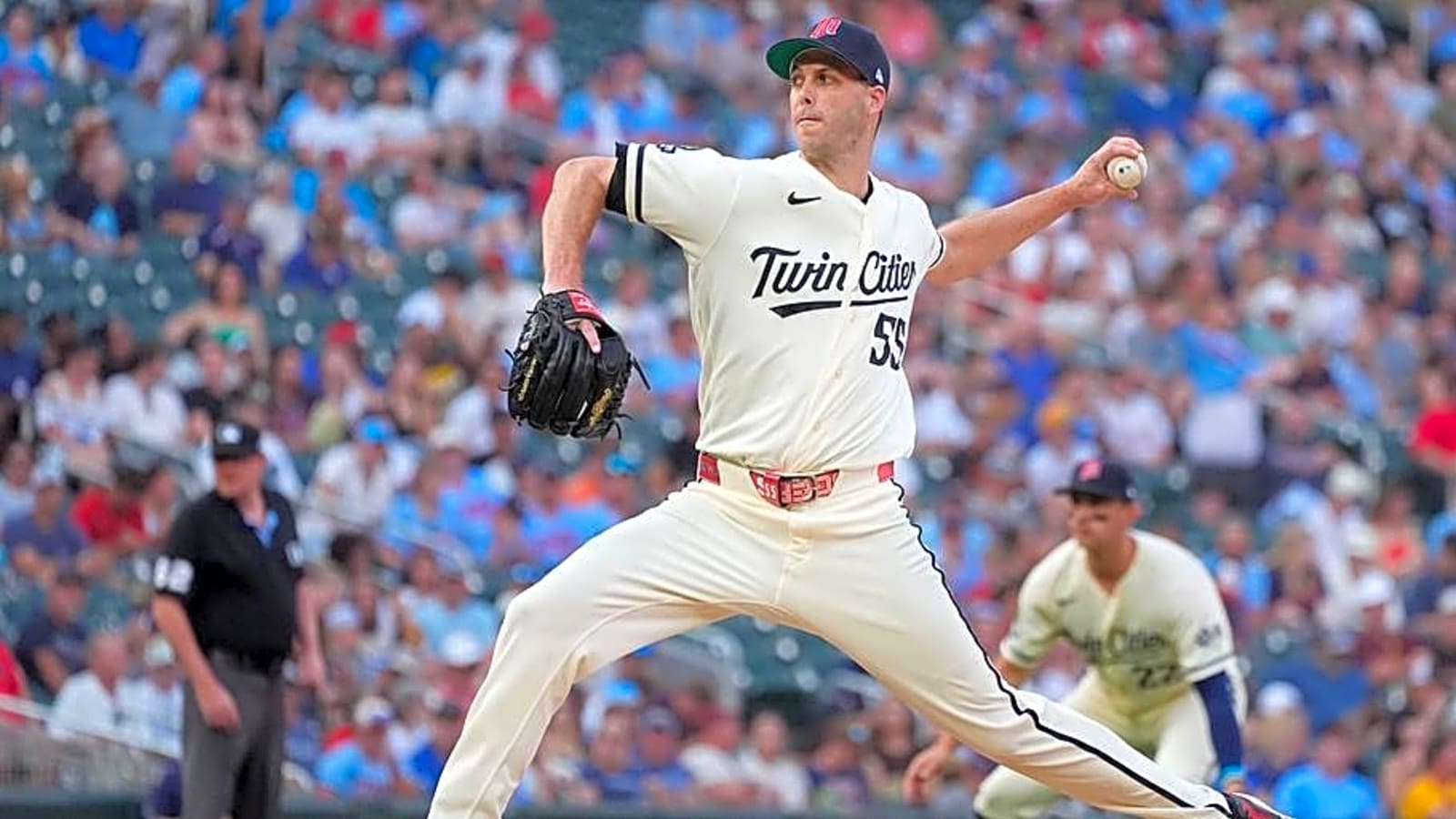
Taylor Rogers has had a rocky reunion with the Minnesota Twins. The veteran left-hander owns a 5.11 ERA through 50 appearances this season after returning to the organization on a one-year deal, where he spent the first six years of his Major League career. For a former All-Star closer, the surface-level results have been disappointing.
But a dig through his underlying statistics paints a different picture. Rogers has a 3.83 FIP, more than a full run below his ERA. His 19.2% strikeout rate is down from his best seasons, while a 10.3% walk rate has created additional traffic. That combination has made it harder for Rogers to consistently finish innings cleanly. However, the overall results have still been harsher than some of his underlying indicators suggest.
Rogers Has Limited Hard Contact
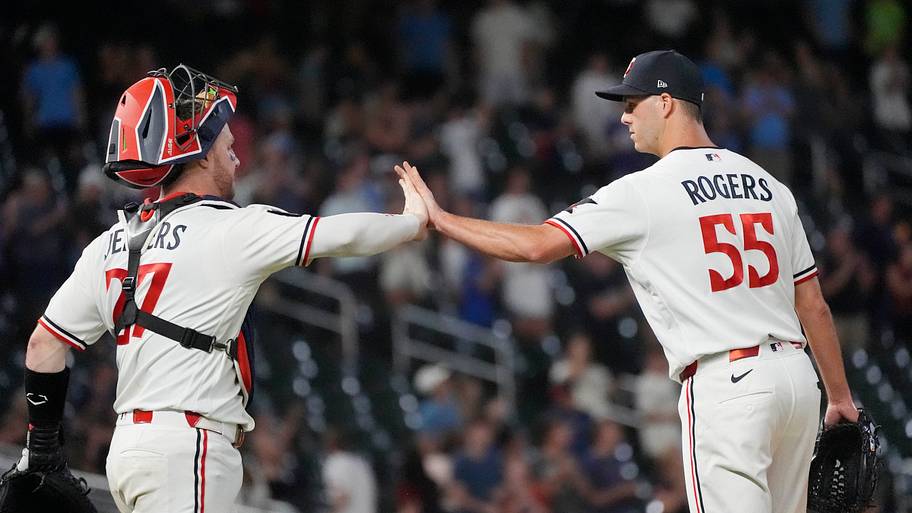
Statcast tells a similarly encouraging story. Opponents have produced a .345 wOBA against him compared with a .313 expected mark. The quality of contact has been particularly hopeful. Rogers has allowed an 85.9 mph average exit velocity and a 26.4% hard-hit rate, well below the respective MLB averages of 88.6 mph and 37.1%. His 5.7% barrel rate also sits below the league average of 7.6%. Those statistics do not give Rogers a hall pass. The walks remain a problem, and underlying metrics only carry so much weight when actual runs continue to pile up.
Some of Rogers' individual pitches provide a clearer picture of where things have gone wrong. His cutter, which gives him another option against right-handed hitters, has been particularly vulnerable. Opponents are batting .375 against the pitch, and its .371 expected batting average suggests those results have not simply been the product of poor fortune, although the sample size is small at 105 pitches thrown.
His sweeper has an opposite problem. Hitters have posted a .301 average against Rogers' most-used pitch despite a much lower .222 expected mark. The gap suggests Rogers may have experienced some unfavorable results on the pitch. Opponents hit only .168 against the sweeper last season, while its whiff rate has fallen from 33.6% to 22.4% this year.
The rest of the season gives Rogers a chance to determine which version of his 2026 campaign becomes more meaningful. If his sweeper begins missing bats as it did a year ago and his ability to limit hard contact proves sustainable, his results could start moving closer to what the underlying numbers have suggested.
More must-reads:
- Cardinals' Joshua Baez makes impressive history in MLB debut
- Blue Jays make Vladimir Guerrero Jr. announcement in midst of home run chase
- The 'Last batting title by MLB team' quiz
Breaking News
Trending News





Customize Your Newsletter
 +
+




Get the latest news and rumors, customized to your favorite sports and teams. Emailed daily. Always free!
PRIVACY POLICY COOKIE POLICY CONTACT US
ABOUT YARDBARKER TERMS OF SERVICE


By using this site, you agree to our Terms of Service and Privacy Policy.
This site is for entertainment purposes only.
There is no gambling offered on this site.
Gambling Problem? Call 1-800-Gambler.
