
-

-


Follow Us
-

 On Facebook
 On Flipboard


The Minnesota Twins faced a choice on Trevor Larnach last winter and kept him. Now they must make it again under different circumstances. Larnach improved at the plate in 2026, while the arrival of younger outfielders made his path to regular playing time less certain. That combination makes his final arbitration year one of the club’s most difficult contract calls.
Larnach hit .269/.352/.436 with 13 home runs in 122 games before a left wrist sprain sent him to the injured list in September. He earned $4.475 million in 2026, according to Twins On SI’s report on his arbitration agreement.
His 2027 salary has not been set, so Minnesota must decide whether to commit another roster spot and a likely raise to a player who may no longer have a clear starting job.
The Case for Keeping Larnach Changed
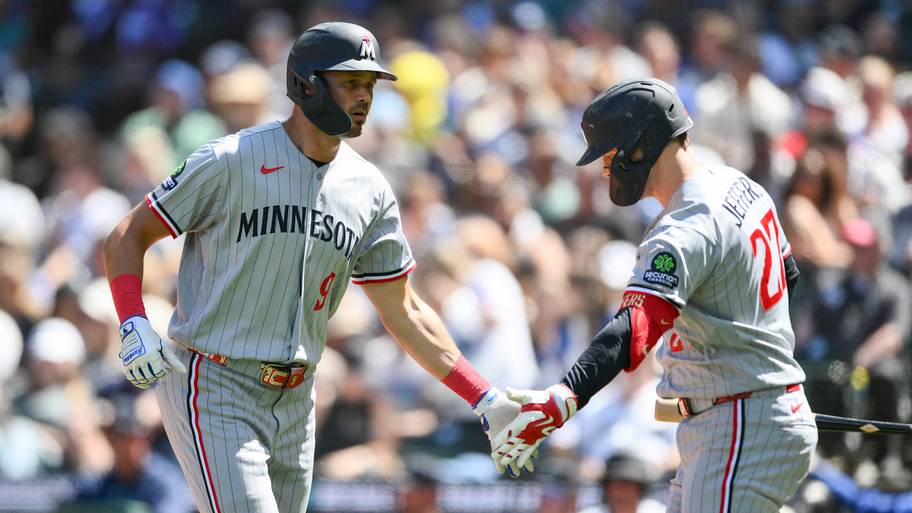
The Twins tendered Larnach a contract last November despite widespread speculation that they might let him go. At the time, the concern was that a bat-first outfielder did not fit the more athletic roster Minnesota wanted to build. His 2026 production gives the front office a stronger reason to keep him than it had a year ago.
Larnach also offers more certainty at the plate than the young players competing for outfield time. Walker Jenkins and Emmanuel Rodriguez reached the Major Leagues late in the year, while Alan Roden returned to the roster when Larnach was injured. Byron Buxton’s recovery from hip surgery adds another variable. Those players give the Twins options, but their presence does not guarantee that every outfield spot is settled for Opening Day.
The argument against another contract is real. If Minnesota intends to give Jenkins and Rodriguez regular at-bats, keeping Larnach could leave a productive veteran without a consistent role. The club also has pitching needs; spending more on an outfielder it views as a reserve would leave less room to address them.
Tender Him, Then Test the Trade Market
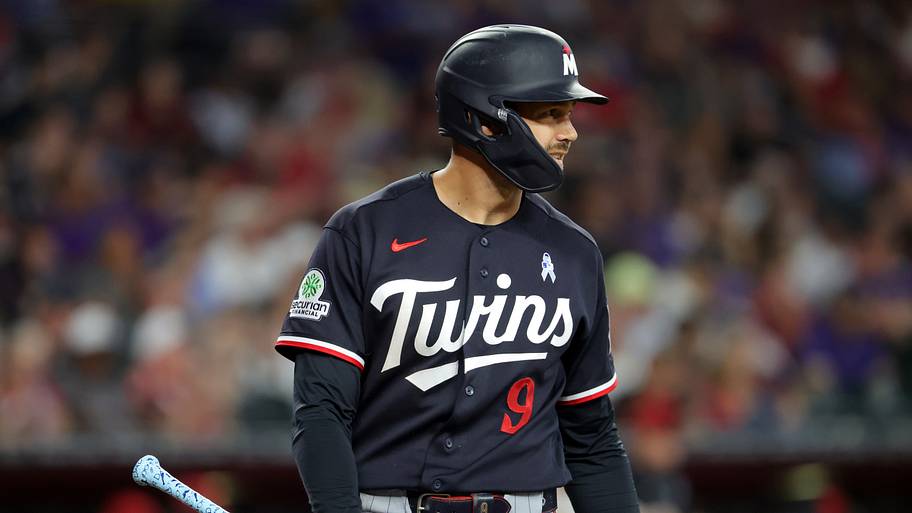
The Twins should tender Larnach a contract and explore a trade before committing to him as an everyday player. Not tendering him would make him a free agent without bringing anything back. After his improved year, Minnesota has a better reason to find out whether another club values his bat and remaining year of control. MLB.com identified him as a possible trade piece when assessing how the Twins could add pitching. That was an evaluation, not a report that a deal was in place.
A tender would preserve a useful alternative if the trade return falls short. Larnach could compete for outfield and designated hitter at-bats while the younger players establish themselves and Buxton completes his recovery. Minnesota would have to manage that playing time, but it would not need to surrender a capable hitter solely to create a vacancy.
Larnach’s stronger 2026 makes the decision harder than it was last winter. The Twins should recognize what he earned at the plate without promising him a role the roster may no longer support. Tendering him, then weighing actual trade offers against the value of keeping him, is the best way to do both.
More must-reads:
- One question to answer about every MLB wild-card team
- Cubs announce Matthew Boyd as Game 1 starter vs. Padres
- The 'Most 200-K MLB seasons' quiz
Breaking News
Trending News





Customize Your Newsletter
 +
+




Get the latest news and rumors, customized to your favorite sports and teams. Emailed daily. Always free!
PRIVACY POLICY COOKIE POLICY CONTACT US
ABOUT YARDBARKER TERMS OF SERVICE


By using this site, you agree to our Terms of Service and Privacy Policy.
This site is for entertainment purposes only.
There is no gambling offered on this site.
Gambling Problem? Call 1-800-Gambler.
