
-

-


Follow Us
-

 On Facebook
 On Flipboard
 On Twitter
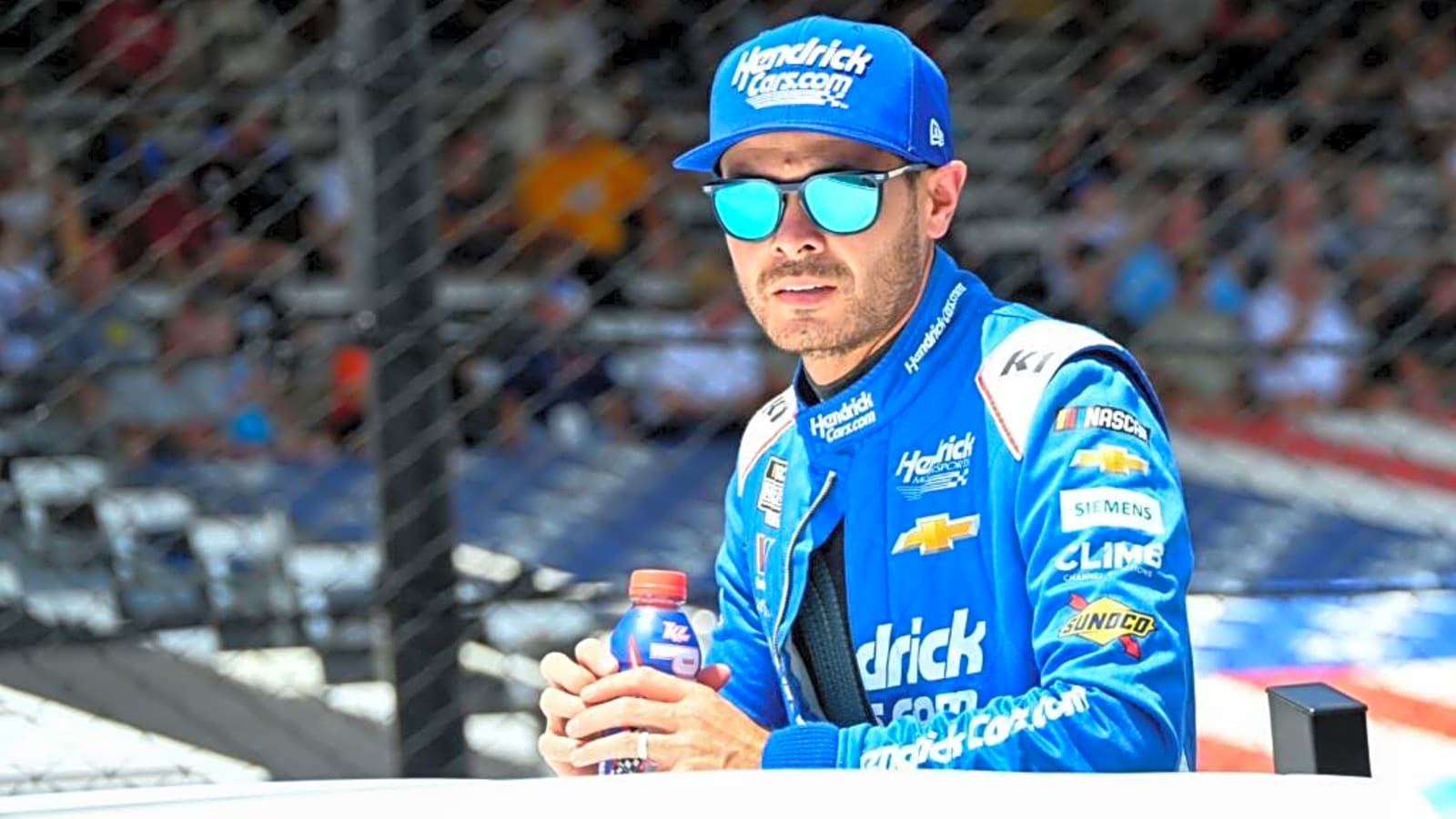
DARLINGTON, S.C. — By the time the All-Star Race arrived in May 2025, Kyle Larson had firmly established himself as the top driver in the NASCAR Cup Series.
At that point, Larson led all drivers in the Next Gen era with 16 victories, including a win at Kansas that spring. But in the months following that victory, momentum proved harder to sustain. After an unsuccessful attempt at “the Double,” Larson endured a stretch of six consecutive races without leading a lap — a rare slump for one of the sport’s most dominant drivers.
Still, consistency defined the latter part of his 2025 campaign. Larson recorded just one finish outside the top 30 over the final 10 races, a stretch that ultimately carried him to the series championship.
That success set high expectations entering 2026, but the transition to a new Chevrolet body has presented challenges across the garage. Larson has not been immune, though his struggles have been more subtle than severe.
Through six races, Larson holds an average running position of 10.8 but an average finish of 16.0 — a gap that suggests results have not reflected his on-track performance. He currently sits 10th in the standings.
While it remains early in the season, the situation is a reminder that even the sport’s best can face adversity. A comparable example came in 1992, when Dale Earnhardt followed back-to-back championships in 1990 and 1991 with a difficult season, finishing 12th in points more than 500 behind the title winner.
Larson’s current trajectory is far from that level of decline, but the comparison underscores a broader truth: in NASCAR, even elite drivers can experience stretches where performance and results fail to align.
More must-reads:
- William Sawalich scores first career NASCAR O'Reilly Series win at Rockingham
- New York Mets get positive Juan Soto injury news
- The 'NCAA men's basketball champions' quiz
Breaking News
Trending News



Customize Your Newsletter
 +
+




Get the latest news and rumors, customized to your favorite sports and teams. Emailed daily. Always free!
PRIVACY POLICY COOKIE POLICY CONTACT US
ABOUT YARDBARKER TERMS OF SERVICE


By using this site, you agree to our Terms of Service and Privacy Policy.
This site is for entertainment purposes only.
There is no gambling offered on this site.
Gambling Problem? Call 1-800-Gambler.
