
-

-


Follow Us
-

 On Facebook
 On Flipboard

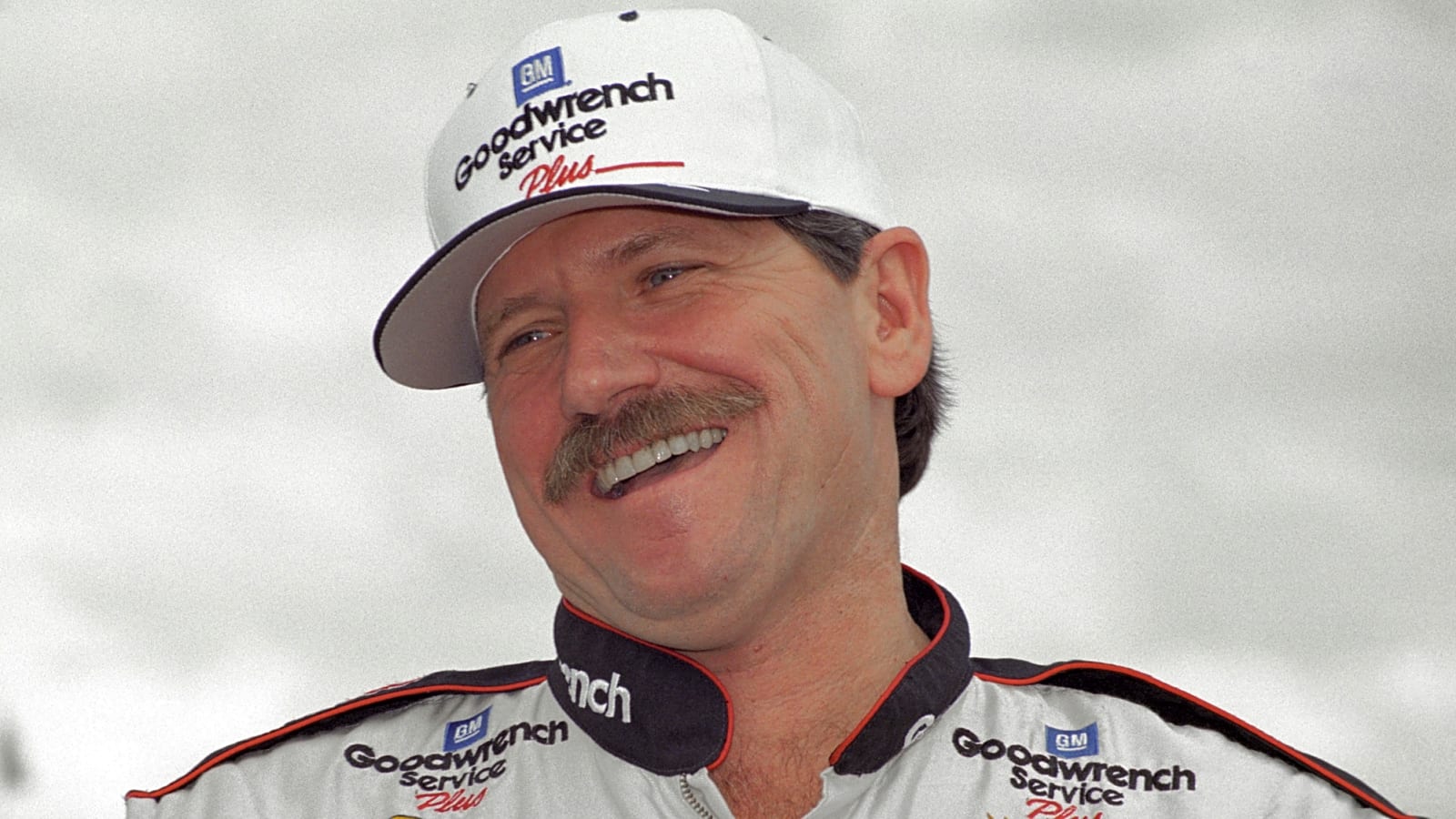
Nearly 25 years after his death, Dale Earnhardt's legendary legacy is multifaceted
NASCAR lost arguably its greatest-ever driver and one of its toughest competitors when Dale Earnhardt died in a fatal accident on the last lap of the Daytona 500 on Feb. 18, 2001.
Earnhardt, a winner of 76 NASCAR Cup Series races and seven championships, was rightfully revered as one of the greatest racing drivers ever. Stories of his incredible driving acumen and his ruthless, intimidating tactics continue to be told to this day.
And while it's his on-track legacy that yields story after story of one incredible feat after another, it's the safety revolution his death sparked that deserves more attention.
Dale Earnhardt's death sparked sweeping safety changes
Earnhardt, a native of a mill town in Kannapolis, N.C., was the epitome of the common man even as fame and fortune found him. But he was also a racer's racer; a man who not only knew the dangers of the sport, but embraced them.
"If you're not a race driver, stay the hell home," Earnhardt said in June 2000 upon hearing that some of his competitors were complaining about high speeds. "Don't come here and grumble about going too fast ... Put a kerosene rag around your ankles so the ants won’t climb up there and eat that candy a--."
The risk of racing has always been known by everyone involved. But even after NASCAR saw three drivers — Adam Petty, Kenny Irwin Jr. and Tony Roper — die in 2000, it didn't institute sweeping safety changes.
Even the day after he had seen his close friend and boss die at Daytona, 2001 Daytona 500 champion and Dale Earnhardt Inc. driver Michael Waltrip said he didn't believe NASCAR needed to mandate the HANS device, which is now worn by nearly every driver in any racing discipline across the world.
"The HANS device is an option, it's just something that I haven't elected to use yet," Waltrip said during a Feb. 19, 2001 news conference. "I don't personally think that that is something that should be made a requirement."
The death of Earnhardt, seen as NASCAR's indestructible, indomitable man, and the subsequent cloud that hung over the sport after changed NASCAR's attitude towards safety.
By October 2001, NASCAR mandated that drivers must use a head and neck restraint of some kind. From 2002 to 2005, soft walls, called SAFER barriers, were installed at every track on the NASCAR circuit. Later generations of Cup Series cars, including the COT in 2007 and the Gen-6 in 2013 were designed with safety in mind.
As tragic as the deaths of Petty, Irwin and Roper were, it was the death of a giant in Earnhardt that served as a mandate for change.
"Without any changes, drivers would still be dying in NASCAR," Dr. John Melvin told ESPN in 2011. "But I don't think we'd be seeing NASCAR right now, quite frankly ... You cannot continue to kill your heroes."
Not since Earnhardt's death nearly 25 years ago has a driver in the top-three series of NASCAR been fatally injured in an accident.
As legendary as Earnhardt's on-track legacy is, it's in tragedy that perhaps his greatest legacy lives on in ensuring the same fate never befalls another driver.

More must-reads:
- Different kind of precipitation could push NASCAR Clash back even farther
- NASCAR test at Rockingham pushed back again due to winter weather
- The 'NASCAR Cup Series winners' quiz
Breaking News
Trending News



Customize Your Newsletter
 +
+




Get the latest news and rumors, customized to your favorite sports and teams. Emailed daily. Always free!
PRIVACY POLICY COOKIE POLICY CONTACT US
ABOUT YARDBARKER TERMS OF SERVICE


By using this site, you agree to our Terms of Service and Privacy Policy.
This site is for entertainment purposes only.
There is no gambling offered on this site.
Gambling Problem? Call 1-800-Gambler.
