
-

-


Follow Us
-

 On Facebook
 On Flipboard
 On Twitter
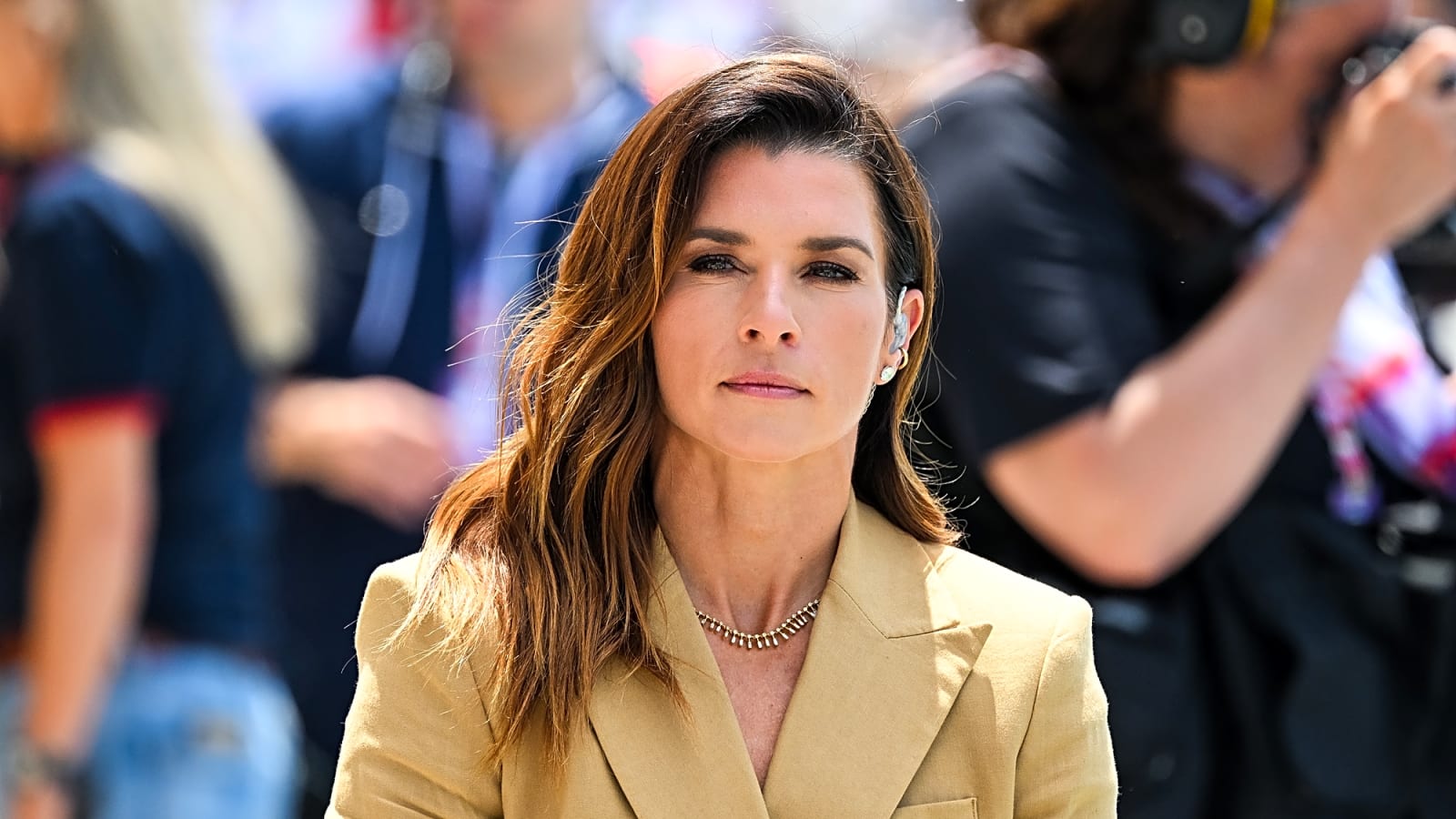
It hits your chest first, a deep mechanical thud that rolls through the grandstands and settles into your bones. In the garage areas of American Motorsports, respect is never given. It has to be earned through grit, resilience, and the ability to survive 200‑mile‑per‑hour traffic while carrying expectations that would flatten most people. Danica Patrick understood that pressure better than anyone.
A Racer Built From Resolve
Patrick never arrived to blend in. She arrived to compete. Her intensity was sharp, direct, and impossible to ignore. From the karting tracks of the Midwest to the biggest stages in racing, her rise was built on ambition that refused to soften under scrutiny. Before she ever reached Indianapolis, she made a decision that shaped her entire career.
As a teenager, she left high school and moved to England to chase the toughest competition she could find. European road racing is unforgiving. Drivers either adapt or disappear. Patrick adapted. Her runner‑up finish at the Formula Ford Festival proved her racecraft was legitimate. That stretch overseas hardened her mindset and set the tone for everything that followed.
Janet Guthrie: The Foundation Beneath Patrick’s Feet
To understand the weight of Patrick’s accomplishments, you have to look back at the woman who took the first hits. Janet Guthrie stepped into the sport when the garage was openly hostile to outsiders. Her ninth‑place finish in the 1978 Indianapolis 500 was more than a result. It was a breakthrough.
She fought inferior equipment, limited support, and a culture determined to keep her out. Guthrie absorbed the blows so the next generation wouldn’t have to. She carved the first path through the wall. Every barrier she hit left a mark, but none of them stopped her forward motion. Her determination forced the sport to reckon with a future that included women, whether it was ready or not.
Danica Patrick: Shattering The Limits
When Patrick strapped into her Rahal Letterman Racing machine in 2005, she carried the torch Guthrie had lit decades earlier. She didn’t just carry it. She turned it into a blaze. Leading laps in the Indianapolis 500 wasn’t symbolic. It was a direct challenge to the sport’s assumptions. Her fourth‑place finish remains one of the strongest rookie runs in the race’s modern era.
Her defining open‑wheel moment came in 2008 in Japan. Patrick crossed the finish line as the first woman to win an IndyCar Series race, securing her place in motorsports history. It was a clean, decisive drive, no gimmicks, no luck, just execution. But she wasn’t finished. NASCAR called, and she answered.
The Challenges Of Stock-Car Racing
Stock‑car racing demands a different kind of toughness. Heavier cars. Hotter cockpits. Racing that punishes hesitation. Patrick had to unlearn years of open‑wheel instincts and rebuild her approach from scratch. Critics circled. The learning curve was steep.
Yet her pole for the 2013 Daytona 500 cut through the noise. She backed it up with an eighth‑place finish, navigating the volatile draft with precision. Racing is unforgiving. Every mistake is magnified. Every success is dissected. Patrick stayed locked in. She wasn’t raised to be the fastest girl. She was raised to be the fastest driver.
Danica Patrick’s Legacy In IndyCar
Patrick’s impact on open‑wheel racing is still felt today. Leading laps in the Indianapolis 500 forced the paddock to acknowledge her as a legitimate contender. Her fourth‑place finish in 2005 remains one of the best rookie performances in decades. Her 2008 victory in Japan stands alone as the only IndyCar Series win by a woman. It wasn’t a fluke.
It was the product of patience, racecraft, and control under pressure. She didn’t just compete in IndyCar. She changed the conversation around who could succeed in it. Her presence in championship battles and her consistency at the front of the field proved she belonged in the sport’s upper tier.
A Second Chapter In NASCAR
Patrick’s move to NASCAR added a second chapter to her legacy. Stock‑car racing is a different world, hotter, heavier, more physical. She had to rebuild her driving style from the ground up. Her pole for the 2013 Daytona 500 was a watershed moment, and her eighth‑place finish in the race confirmed it wasn’t a one‑lap anomaly.
She earned seven top‑ten finishes in the Xfinity Series and survived the grind of full‑time Cup racing for five seasons, something no woman had done before at that level. Her presence in the Cup garage normalized what had once been unthinkable: a woman competing weekly against champions and veterans without blinking.
Where Her Impact Still Lives
Danica Patrick’s legacy reaches far beyond statistics. She forced the sport to confront its own biases. She changed the way young girls see themselves in the paddock. They don’t wonder if they belong. They know they do because they watched the No. 10 Chevrolet mix it up with the sport’s heavyweights every Sunday.
Her second act has been just as intentional. After her final Indianapolis 500 in 2018, Patrick built a lifestyle brand, launched a successful podcast, and stepped into the broadcast booth with the same confidence she carried on track. She showed that a driver’s influence doesn’t end when the fire suit comes off. It simply shifts lanes.
A Legacy That Refuses To Lift
Motorsports will always be a brutal arena. It demands courage, endurance, and the ability to stare down danger without flinching. Danica Patrick brought all of that and more. She fought for every inch of asphalt and earned respect in garages that once doubted her. Her tire tracks are etched into racing history, marking a path for anyone bold enough to chase the checkered flag.
More must-reads:
- William Sawalich scores first career NASCAR O'Reilly Series win at Rockingham
- Lakers' Austin Reaves out for remainder of season
- The 'NCAA men's basketball champions' quiz
Breaking News
Trending News



Customize Your Newsletter
 +
+




Get the latest news and rumors, customized to your favorite sports and teams. Emailed daily. Always free!
PRIVACY POLICY COOKIE POLICY CONTACT US
ABOUT YARDBARKER TERMS OF SERVICE


By using this site, you agree to our Terms of Service and Privacy Policy.
This site is for entertainment purposes only.
There is no gambling offered on this site.
Gambling Problem? Call 1-800-Gambler.
