
-


Follow Us

 On Facebook
 On Flipboard
 On Twitter
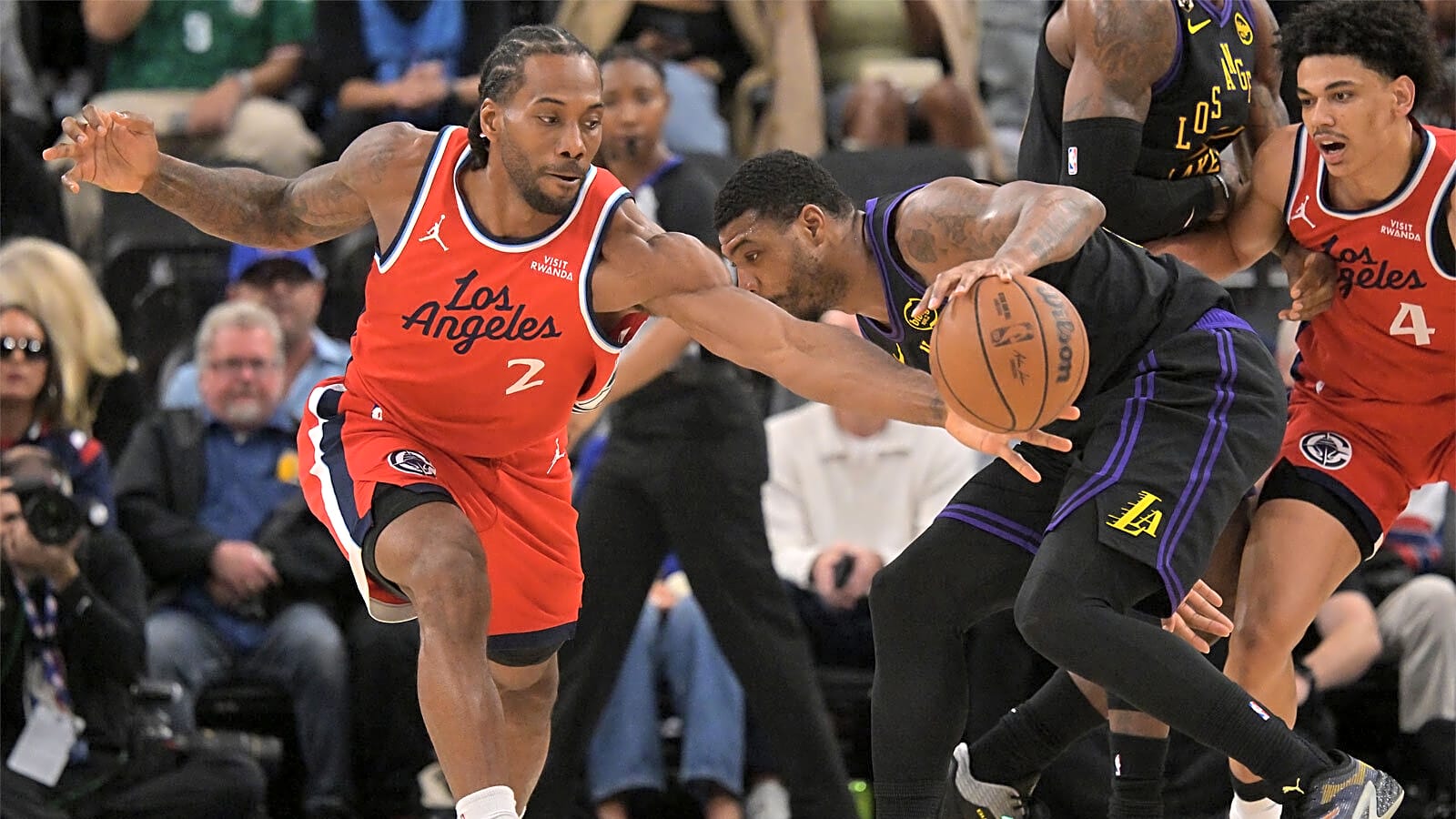
The Los Angeles Clippers’ reset has come at a risky time. They didn’t just make moves at the 2026 NBA trade deadline. The Clippers detonated the foundation of their roster. In a span of days, the franchise pivoted from veteran contender to transitional experiment. Doing so reshapes both the team’s present trajectory and long-term identity. Now, while some decisions were rooted in logic and fiscal foresight, one stands out as the most consequential misstep. They dismantled the very defensive core that fueled their midseason resurgence.
Collapse and revival
The Clippers’ 2025-26 campaign has been a tale of two extremes. It has been defined by a historically poor start and a mid-season resurgence that ultimately led to a radical roster overhaul. Entering their second year at the Intuit Dome as the oldest team in NBA history, the “veteran experiment” initially sputtered. That resulted in a dismal 5-16 start, including a 2-13 November that stood as the worst month in franchise history.
Age, injuries, and lack of transition defense plagued the roster early. Offensive possessions stagnated, perimeter containment collapsed, and the team struggled to keep pace with younger Western Conference opponents. At one point, the Clippers ranked near the bottom of the league in defensive rating and fast-break points allowed.
Then came the reversal.
In late December and throughout January, the Clippers rediscovered cohesion. They tallied 16 wins in 19 games. Kawhi Leonard elevated his two-way dominance, and James Harden orchestrated elite half-court offense. Ivica Zubac anchored the interior with career-best consistency. Suddenly, a team left for dead was climbing back into the play-in conversation.
Yet despite the momentum, internal evaluations told a different story.
Deadline pivot
As of early February, the Clippers sit at 24-27. They hold the 10th seed in a crowded Western Conference. The trade deadline marked a seismic shift, with the departures of franchise pillars Harden and Zubac in exchange for younger assets like Darius Garland and Bennedict Mathurin.
The philosophical pivot was clear. The Clippers wanted get younger, regain flexibility, and avoid long-term contractual gridlock.
Garland offered long-term playmaking upside. Mathurin brought wing scoring athleticism. Draft capital replenished a previously depleted asset cupboard.
From a macro perspective, the reset made sense.
From a competitive-timing perspective, it did not.
Because just as the Clippers found rhythm, they dismantled the engine driving it.
Calculated but incomplete reset
Writing about the Clippers’ deadline feels like mapping terrain after a localized earthquake. The franchise moved on from two-thirds of its veteran core, yet stopped short of a full teardown.
Harden was entering free agency seeking a long-term extension the front office hesitated to grant. Simultaneously, the organization faced off-court uncertainty tied to salary-cap scrutiny involving Leonard’s contract structure. President Lawrence Frank’s decision to pivot, though, has created imbalance.
Trade recap
The Harden move: Harden was sent to the Cleveland Cavaliers for Garland and a 2026 second-round pick. This was an age reset at point guard prioritizing long-term upside over present orchestration.
The Zubac move: Zubac and Kobe Brown were dealt to Indiana for Mathurin, Isaiah Jackson, and multiple picks. These include a conditional 2026 first-rounder and a 2029 first.
The Chris Paul paper trade: Chris Paul, who has been away from the team since November, was officially rerouted to Toronto in a tax-driven maneuver designed to reset the repeater clock.
Individually logical. Collectively destabilizing.
Big mistake
Sure, the Harden deal can be defended as proactive succession planning. However, the decision to move Zubac is the trade that could haunt the Clippers immediately.
Zubac was in the midst of a career year. He was averaging 14.4 points and 11 rebounds while functioning as an All-Defensive-caliber interior anchor. He wasn’t just productive but foundational. Zubac cleaned the glass, deterred drives, and stabilized pick-and-roll coverage.
Replacing him with the athletic but raw Isaiah Jackson and leaning on a 37-year-old Brook Lopez represents a shift from reliability to volatility. That’s a dangerous downgrade in rim protection and defensive communication. The Clippers didn’t just trade a center. They traded their defensive spine.
High-variance gamble
The incoming 2026 first-round pick from Indiana comes wrapped in complex protections (1-4 and 10-30).
Translation: There’s a very real scenario where the pick either doesn’t convey this year or lands outside premium lottery value.
Trading a top-tier starting center for a pick that may not immediately materialize or deliver impact introduces significant risk. That’s especially true when Leonard’s championship window remains finite.
Future flexibility is valuable. That said, championship timelines don’t operate on deferred returns.
Chemistry vs. future assets
Perhaps the most understated cost of the Zubac trade is emotional and structural.
The Clippers had finally found rhythm. Defensive rotations were sharp. Offensive roles were defined. The locker room was aligned around a shared late-season push. By moving both Harden and Zubac, the franchise left Leonard as the lone pillar amid sweeping change.
Garland, though talented, is sidelined with a toe injury. Mathurin is still integrating into a playoff-chase environment. Jackson remains developmental. In one deadline cycle, continuity evaporated. The Clippers pivoted from chasing wins to evaluating futures-midseason.
Leonard timeline dilemma
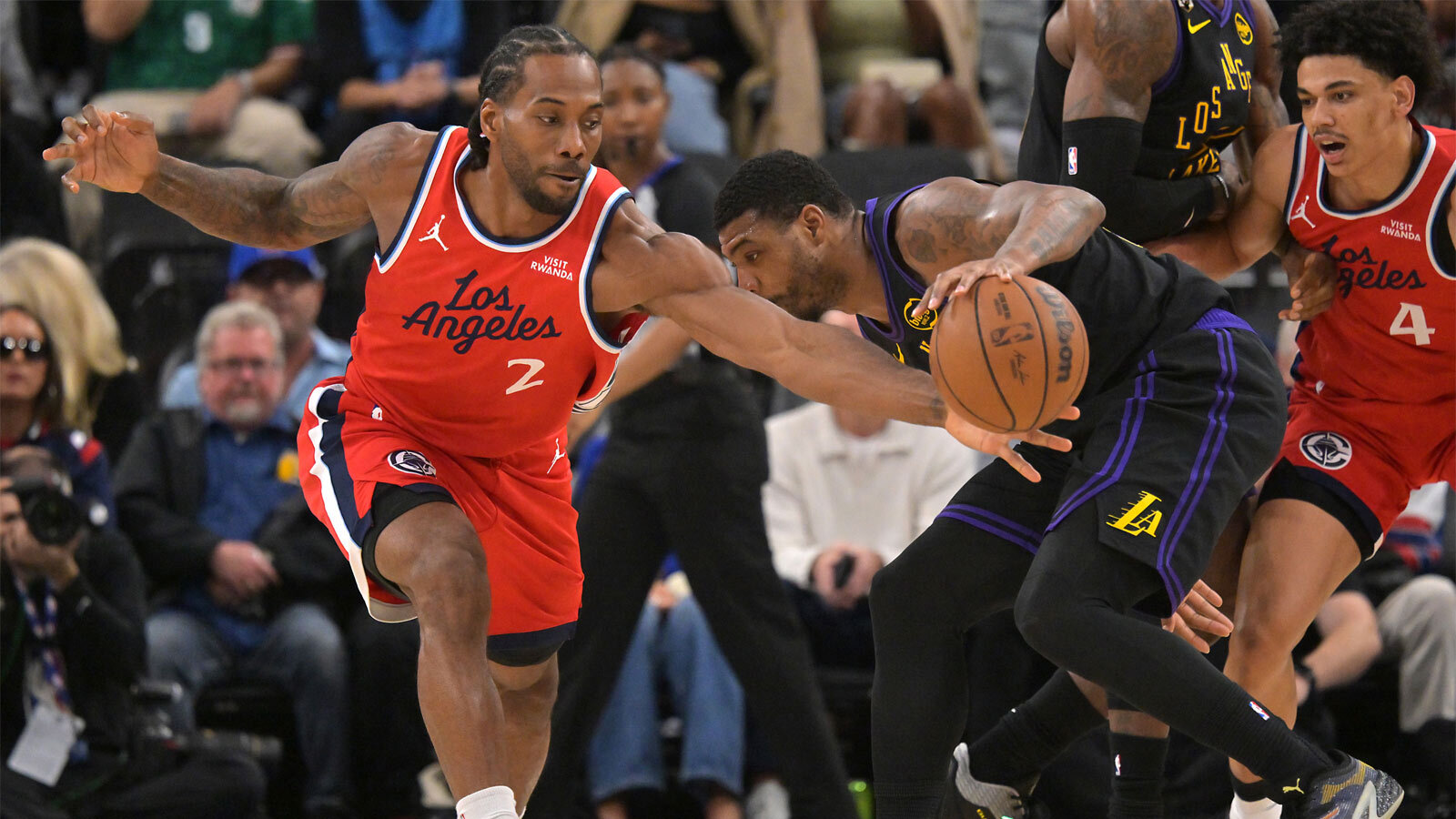
Every Clippers decision ultimately orbits Leonard’s prime. Right now, Los Angeles remains within striking distance of postseason qualification. Leonard is still performing at an All-NBA level. The Western Conference middle tier remains volatile. Again, that makes the Zubac trade even more puzzling.
Instead of reinforcing Leonard’s defensive infrastructure, the Clippers diluted it. They bet on youth upside rather than present cohesion. In essence, they reset around a superstar still capable of winning now. That temporal mismatch defines the mistake.
Reset comes too soon
The Clippers didn’t err by getting younger. They erred in when and how they chose to do it.
Trading James Harden was forward-thinking. Trading Ivica Zubac mid-resurgence was destabilizing. It stripped the team of defensive certainty, locker-room continuity, and postseason readiness in one stroke.
Los Angeles may ultimately benefit from the assets acquired. For the remainder of the 2025-26 season, though, the cost is immediate. They will chase the playoffs without their defensive anchor. In all, Los Angeles remains caught between contending and recalibrating without fully committing to either.
More must-reads:
- Spurs' Stephon Castle makes NBA history in win over Mavericks
- Timberwolves’ Rudy Gobert demands 'accountability' after deflating loss to Pelicans
- The 'Super Bowl halftime show artists' quiz
Breaking News
Trending News




Customize Your Newsletter
 +
+




Get the latest news and rumors, customized to your favorite sports and teams. Emailed daily. Always free!
PRIVACY POLICY EDITORIAL POLICY CONTACT US
ABOUT YARDBARKER TERMS OF SERVICE


Use of this website (including any and all parts and
components) constitutes your acceptance of these
Terms of Service and Privacy Policy.
This site is for entertainment purposes only.
There is no gambling offered on this site.
Gambling Problem? Call 1-800-Gambler.
