
-

-


Follow Us
-

 On Facebook
 On Flipboard

One mistake fantasy managers make every offseason is focusing only on individual players. The smarter approach is to look at entire NBA teams.
When a franchise changes its identity, everyone on the roster is affected. Sometimes it's because a superstar arrives. Sometimes it's a new coach. Sometimes it's simply a roster that suddenly plays a completely different style.
That's exactly what happened this offseason.
These five teams won't just look different. They'll likely produce different fantasy numbers, too. And that's something worth remembering before draft day.
Miami Heat
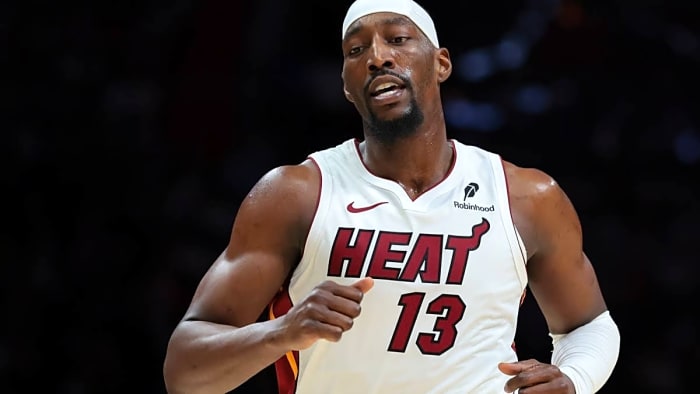
No team reinvented itself more than Miami.
For years, the Heat relied on spacing, ball movement, and timely three-point shooting. Now? Everything starts with Giannis Antetokounmpo attacking the paint alongside Bam Adebayo.
That's a massive philosophical shift. Fantasy managers should expect more rebounds, more interior scoring and more trips to the foul line. On the flip side, Miami's role players probably won't offer the same three-point volume we've become accustomed to over the years.
I'm especially interested to see who emerges as the biggest beneficiary around the two stars. Someone is going to feast on open looks and easier scoring opportunities.
Toronto Raptors

Toronto suddenly looks like a nightmare to play against.
Adding Kawhi Leonard to a roster that already features Scottie Barnes and Collin Murray-Boyles gives the Raptors one of the NBA's most versatile defensive groups.
That's good news for fantasy managers who build around defensive categories.
Steals and blocks should be plentiful throughout the rotation, not just from Kawhi himself. Toronto also figures to play a more physical brand of basketball than it did a year ago.
If you're targeting category leagues, don't overlook this roster.
Los Angeles Clippers

This isn't the Clippers we've watched for the past several seasons.
Gone is the isolation-heavy offense built around Kawhi Leonard and James Harden. In comes a younger core led by Darius Garland and Brandon Ingram, two players who naturally move the ball and keep an offense flowing.
That should create more assists across the roster and, ideally, better offensive efficiency.
Sometimes role players benefit the most from this type of transition. More ball movement usually means easier shots for everyone.
That's why I'd be looking beyond the obvious names here.
Minnesota Timberwolves

Minnesota has gone from defense-first to downright explosive.
Anthony Edwards was already one of the league's most dynamic scorers. Adding LaMelo Ball injects another playmaker who loves to push the pace and create offense early in possessions.
The Timberwolves should score more. They should also produce more assists.
The big question is whether they can maintain the defensive identity that made them so successful. Rudy Gobert and Jaden McDaniels still give them an outstanding foundation, but fantasy managers should expect the offense to become a much larger part of the story.
Milwaukee Bucks

This may be the hardest team in the league to evaluate.
For years, fantasy basketball in Milwaukee started and ended with Giannis Antetokounmpo. Not anymore.
Now the Bucks figure to spread production across several players, with Tyler Herro taking on a much larger offensive role and others seeing increased opportunities simply because so many possessions have opened up.
That doesn't necessarily create another fantasy superstar.
It does create several intriguing mid-round options who should touch the ball far more than they did previously. Sometimes that's exactly where fantasy value comes from.
Make Sure You See The Entire Picture
Fantasy basketball isn't just about who's wearing which uniform. It's about how those uniforms play together.
A faster offense creates more possessions. A defensive-minded roster produces more steals and blocks. A team built around one superstar offers different opportunities than one that spreads the ball across five players.
That's where these identity changes come into play.
If you're evaluating guys without considering the systems they'll play in, you're only seeing half the picture. And in fantasy basketball, those little edges often make the biggest difference on draft day.
Questions About Teams With Completely Different Fantasy Identities, Answered
Which NBA teams have a completely different fantasy basketball identity this season?
Miami, Toronto, the Los Angeles Clippers, Minnesota, and Milwaukee stand out as teams with significantly different fantasy basketball identities. Each has undergone roster changes that alter its statistical profile, affecting categories such as rebounding, assists, steals, blocks, scoring distribution, or pace in ways fantasy managers should consider before drafting.
How does the Giannis Antetokounmpo trade change Miami's fantasy basketball category profile?
Miami shifts from a spacing- and three-point-oriented approach to one centered on interior scoring and physical play. Fantasy managers should expect increases in rebounds, paint scoring, and free-throw opportunities, while role players may provide less reliable three-point production than in previous seasons.
Does the Kawhi Leonard addition make Toronto a good target for defensive fantasy categories?
Yes. Pairing Kawhi Leonard with Scottie Barnes and Collin Murray-Boyles gives Toronto one of the league's most versatile defensive groups. That combination should boost steals and blocks throughout the rotation, making the Raptors especially appealing for managers emphasizing defensive categories.
How does losing Giannis Antetokounmpo change Milwaukee's fantasy basketball outlook?
Milwaukee moves away from a roster built around one dominant fantasy producer toward a more balanced offensive approach. Tyler Herro is expected to assume a larger scoring role, while additional opportunities should be distributed among several teammates, creating multiple intriguing mid-round fantasy options.
More must-reads:
- LeBron James shares possible tease about next team, hints at timeline for decision
- Unreal Red Sox run continues with comeback win over Rays
- The 'NBA blocks champions' quiz
Breaking News
Trending News




Customize Your Newsletter
 +
+




Get the latest news and rumors, customized to your favorite sports and teams. Emailed daily. Always free!
PRIVACY POLICY COOKIE POLICY CONTACT US
ABOUT YARDBARKER TERMS OF SERVICE


By using this site, you agree to our Terms of Service and Privacy Policy.
This site is for entertainment purposes only.
There is no gambling offered on this site.
Gambling Problem? Call 1-800-Gambler.
