
-

-


Follow Us
-

 On Facebook
 On Flipboard

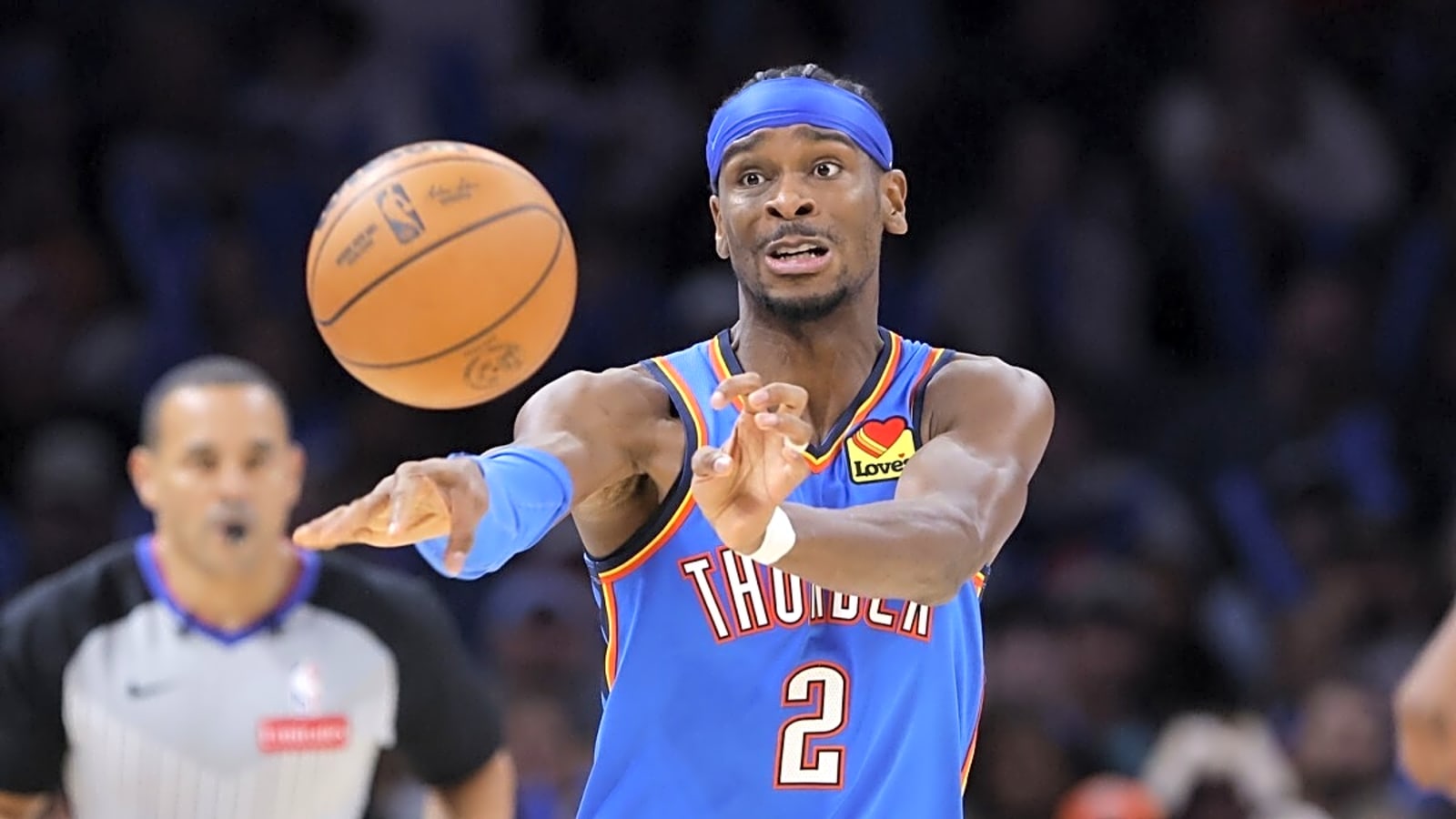
Pick ’Em fantasy basketball offers a fast, flexible way to play without drafting full rosters or managing season-long lineups. Instead, you make focused predictions on player stats, matchups, or game outcomes. This 2025-26 guide explains how the format works, why it appeals to beginners, and how to build a winning Pick ’Em strategy.
What Is Pick ’Em Fantasy Basketball & Why It Works
Definition and Basics
The Pick 'Em format takes the traditional fantasy sports model, and simplifies it into a streamlined prediction game. This format doesn't need you to build and manage a full roster of players for an entire season. Instead, what you need to do is to focus on making specific, isolated predictions, or "picks," regarding a selection of upcoming games or player performances.
These picks could either be you picking a star player to exceed a set points total, or a specific team achieving a victory margin, or even a head-to-head performance matchup between two athletes.
The exciting nature of this structure has made it popular across various Daily Fantasy Sports (DFS) platforms, as well as other gaming sites. Fans can now show how knowledgable they are, on a day-by-day basis without the long-term investment of traditional leagues. The main idea is to predict likely outcomes with high accuracy rather than bringing together a perfectly balanced squad over many weeks. This format is very accessible, especially for fans who want quick action, and instant results.
Why It Appeals for 2025-26
- Less roster management: This format takes off the burden of full drafting, trades, or weekly resets off your shoulders.
- Flexibility and lower time-commitment: It is perfect for beginners or casual fans who want to engage without them having to deal with the full-season pressure.
- Opportunity for high leverage: The stakes are targeted and such, it becomes easier to identify mispriced picks or favorable matchups.
How It Differs From Traditional Fantasy
When playing traditional formats like Roto (Rotisserie) or head-to-head leagues, you need to understand player values across all the various categories. You will also need to be well informed on multi-round drafts, injury tracking, and ongoing roster adjustments throughout the season.
The Pick 'Em format radically minimizes this scope. The format has you focusing on making precise decisions on a small handful of outcomes. This simplification drastically lowers the barrier to entry for newcomers. You do not need to be an expert on the entire league to play. You just need to know the specific players or games that are going to be played on a given day. It also makes analysis easier, with the games easier to play and less strategically overwhelming.
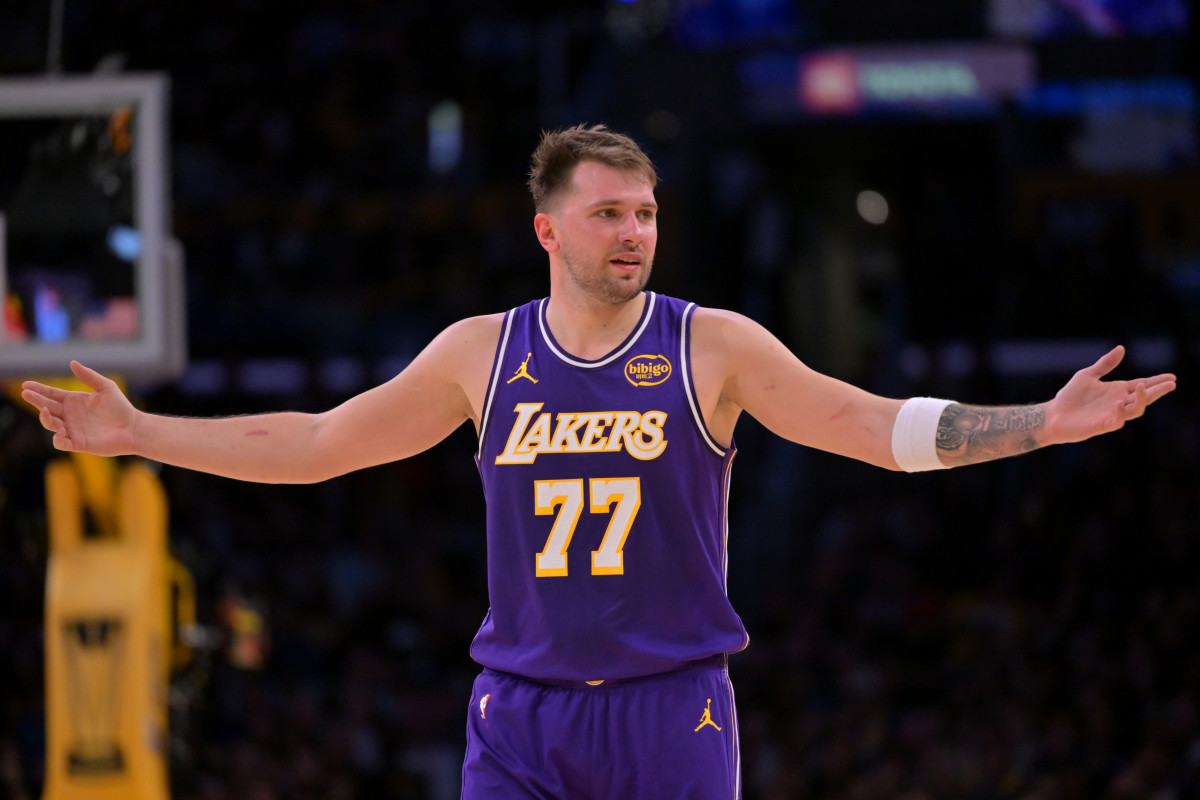
Key Strategy Pillars for Pick ’Em in 2025-26
Opportunity & Role
Even though you’re picking one outcome, the underlying driver often is how much opportunity a player has. For example: a player getting starter minutes, high usage rate, favorable role (offensive focal point) is more likely to hit a “20+ points” pick. If the role changes (injury, rotation shift), his pick value might change.
Matchups & Context
Matchups matter. In one pick you might choose “Player Y over Player Z” or “Team A to cover vs Team B”. You’ll want:
Teams playing fast pace → more possessions → more stats.
Opponents with weak defense or high-pace style.
Player facing favorable usage due to injured teammate or upcoming favorable schedule.
Value & Odds
To succeed in this format, you would need to identify those predictions where the odds presented undervalue the likely outcome. If the data available to you suggests that a player will easily surpass their set line, that is a solid opportunity for you right there. If you want to maximize your returns, look for these edges in the market instead of picking the most popular options.
Risk Management
Because each pick often stands alone, variance can be high. You’ll want to manage:
How many picks you make per slate (one or many?).
The size of your bet or entry (if paid contest).
Avoiding over-confidence: a favorable matchup doesn’t guarantee the outcome.
Workflow & Tracking
If you want to improve, then you have to develop a routine. Begin by reviewing available predictions early, keep an eye for late breaking news and lineup changes before the games start, and then lock in your selections.
After the slate ends, take time to see how well you performed. Analyze which predictions worked and those that failed, and why. This learning cycle of review and adjustment would help you improve your strategy, as well as your accuracy in future contests.

Beginner’s Workflow for Pick ’Em Fantasy Basketball
Pre-Slate (Morning/Afternoon)
Review available picks: Which players or outcomes are being offered? (e.g., “Player A to get 10+ rebounds”, “Team X to win”, etc.)
Check the underlying opportunity: Player’s minutes, recent usage trend, role changes, opponent context.
Identify value: Are you getting more upside than what the pick suggests?
Pick your target(s) but don’t lock in yet — leave room for news.
Lock-In / Pre-Game
As tip-off approaches, recheck for injury/starting lineup news. If your player is sitting or rested, adjust.
Finalize your pick(s).
Post-Slate Review
Track: Did the pick succeed? Why or why not? Minutes reduced? Matchup tougher than expected?
Adjust your model: If you missed because of role change you didn’t see, start tracking that earlier.
Over time, build a log of types of picks that yield value vs. those that don’t.
Common Beginner Mistakes & How to Avoid Them
Picking on Name or Hype
Star power can be a trap. Top athletes often have inflated statistical targets that are difficult to reach during blowouts or when playing through minor injuries. Instead of following the headlines, verify their current health status and projected minutes. You can only get true value when you analyze the role they are to play in the game plan, rather than relying on their overall reputation.
Ignoring Format Rules
Every platform has their different rules, and missing small details can lead to frustration. Some sites might cancel a pick if a player starts but leaves early, while others might count different statistical categories for the same athlete. Always know the specific scoring rules and lock times before committing.
Not Checking for Lineup/Rest News
These are not the 90's. In the modern NBA, late-scratch decisions and load management are frequent. Selecting a player who ends up sitting on the bench immediately ruins your entry’s potential. To stay protected, monitor reliable social media feeds or injury reports up until the very moment the contest locks.
Over-bets / Too Many Picks
Quantity hardly equals quality in fantasy predictions. If you are new to the game, it is normal to want to participate in every game, but it leads to more harm than good. Doing so would make you lose focus, and this is why it is way more effective to pick two or three high-confidence outcomes than to make a lot of random guesses.
Lack of Review
If you don’t review outcomes you’ll never improve. Make a habit of documenting your entries to know the patterns you are prone to. This allows you to spot your biases and improve your selection process for the next slate.
People Also Ask
What is Pick ’Em fantasy basketball?
Pick ’Em fantasy basketball is a format where you predict specific player or game outcomes instead of managing a full roster.
Is Pick ’Em fantasy basketball good for beginners?
Yes. It requires less time, no drafting, and focuses on single-game decisions.
How do you win Pick ’Em fantasy basketball?
Focus on player opportunity, matchup context, and finding value in the odds.
What is the biggest mistake beginners make in Pick ’Em?
Picking based on star name alone instead of minutes, role, and matchup.
More must-reads:
- Unlucky bounce: Sam Merrill's missed three dooms Cavaliers in ECF Game 1 collapse against Knicks
- New Mavericks boss Masai Ujiri puts stamp on team by firing Jason Kidd
- The 'NBA steals-per-game leaders' quiz
Breaking News
Trending News



Customize Your Newsletter
 +
+




Get the latest news and rumors, customized to your favorite sports and teams. Emailed daily. Always free!
PRIVACY POLICY COOKIE POLICY CONTACT US
ABOUT YARDBARKER TERMS OF SERVICE


By using this site, you agree to our Terms of Service and Privacy Policy.
This site is for entertainment purposes only.
There is no gambling offered on this site.
Gambling Problem? Call 1-800-Gambler.
