
-

-


Follow Us
-

 On Facebook
 On Flipboard

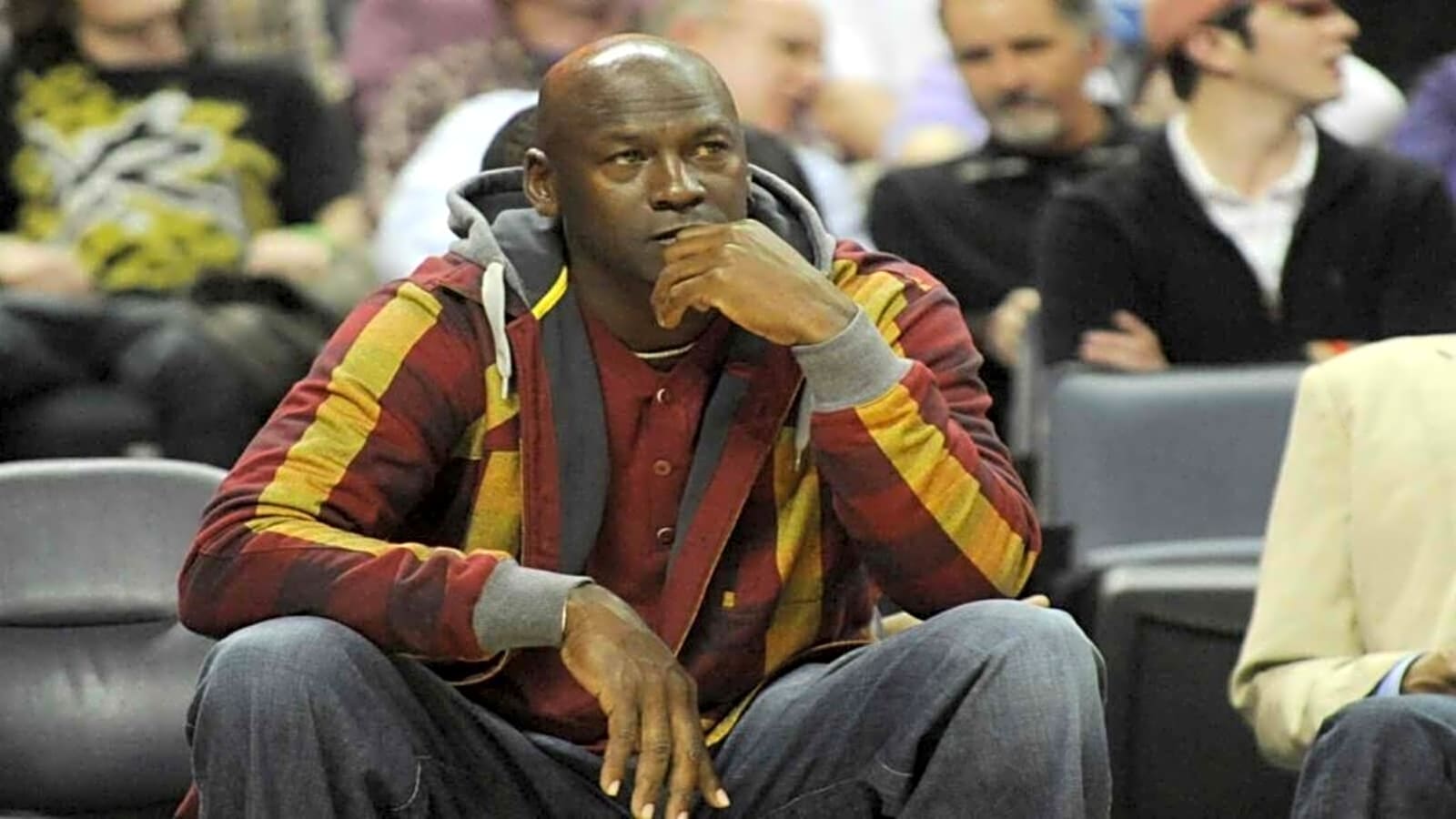
Michael Jordan was already a global star in 1989, but he was also starting to feel the weight of his fame. He noticed how people treated him because of his status on the court. It made him think about things like race and money in a way most fans never saw.
He reached his fifth NBA season in 1989 after winning both the MVP and Defensive Player of the Year awards. He gave an interview to David Breskin for GQ, which carried the title “Michael Jordan, In His Own Orbit,” while he maintained his position as the top player in the league.
The 2023 Basketball Network article brought back this interview, offering a rare look at Jordan’s private views on social hierarchy.
“As far as being on a pedestal, it’s a compliment, yet it’s somewhat painful to me that one person can be viewed so high above other people,” Jordan said, per GQ.
During the conversation, Jordan spoke about how people perceived him regarding race. He felt like he was entering “new ground” because fans often saw him as a person first rather than just an athlete.
Jordan mentioned a young fan named Richie Weaver, a paperboy who spent his hard-earned money just to be near the basketball star at a golf event. He didn’t understand why people treated him like a god while others struggled to survive.
Jordan mentioned that if he went to a restaurant, he would likely get his meal for free just because he was famous.
Meanwhile, a person with no money would have to wash dishes just to get a bite to eat. It frustrated him that he was the one who could easily afford the meal, yet he was the one getting it for free.
For a long time, people thought Jordan didn’t care about these issues because he didn’t speak out much. But looking back at these early words shows that he was thinking about the gap between the rich and the poor.
How Michael Jordan’s Perspective Shaped the Debate Around Athlete Activism
Later in his career, Jordan faced a lot of criticism for staying out of politics. The most famous example was when he declined to endorse Harvey Gantt, a Democrat running against Jesse Helms for a Senate seat in North Carolina.
This led to the famous “Republicans buy sneakers too” line. Years later, in The Last Dance documentary, Jordan clarified that he said it as a joke on a bus with teammates.
MJ chose a different path from that of athletes like Muhammad Ali. He believed his job was to be the best basketball player possible and to inspire people through his performance.
However, Jordan’s approach changed as he got older. In 2020, following the demise of George Floyd, he released a statement. He said he was “deeply saddened, truly pained and plain angry.”
The Jordan Brand pledged $100 million over ten years to help organizations fight for racial equality and better education.
His legacy isn’t just about six rings but about a man who understood his influence and eventually used his success to make a difference in the world.
Do you think Michael Jordan’s quiet approach was more effective than modern activism?
More must-reads:
- 13-year NBA veteran Jason Collins dies at 47
- Victor Wembanyama's triumphant return downs Timberwolves in Game 5
- The 'Active NBA double-double leaders' quiz
Breaking News
Trending News





Customize Your Newsletter
 +
+




Get the latest news and rumors, customized to your favorite sports and teams. Emailed daily. Always free!
PRIVACY POLICY COOKIE POLICY CONTACT US
ABOUT YARDBARKER TERMS OF SERVICE


By using this site, you agree to our Terms of Service and Privacy Policy.
This site is for entertainment purposes only.
There is no gambling offered on this site.
Gambling Problem? Call 1-800-Gambler.
