
-

-


Follow Us
-

 On Facebook
 On Flipboard
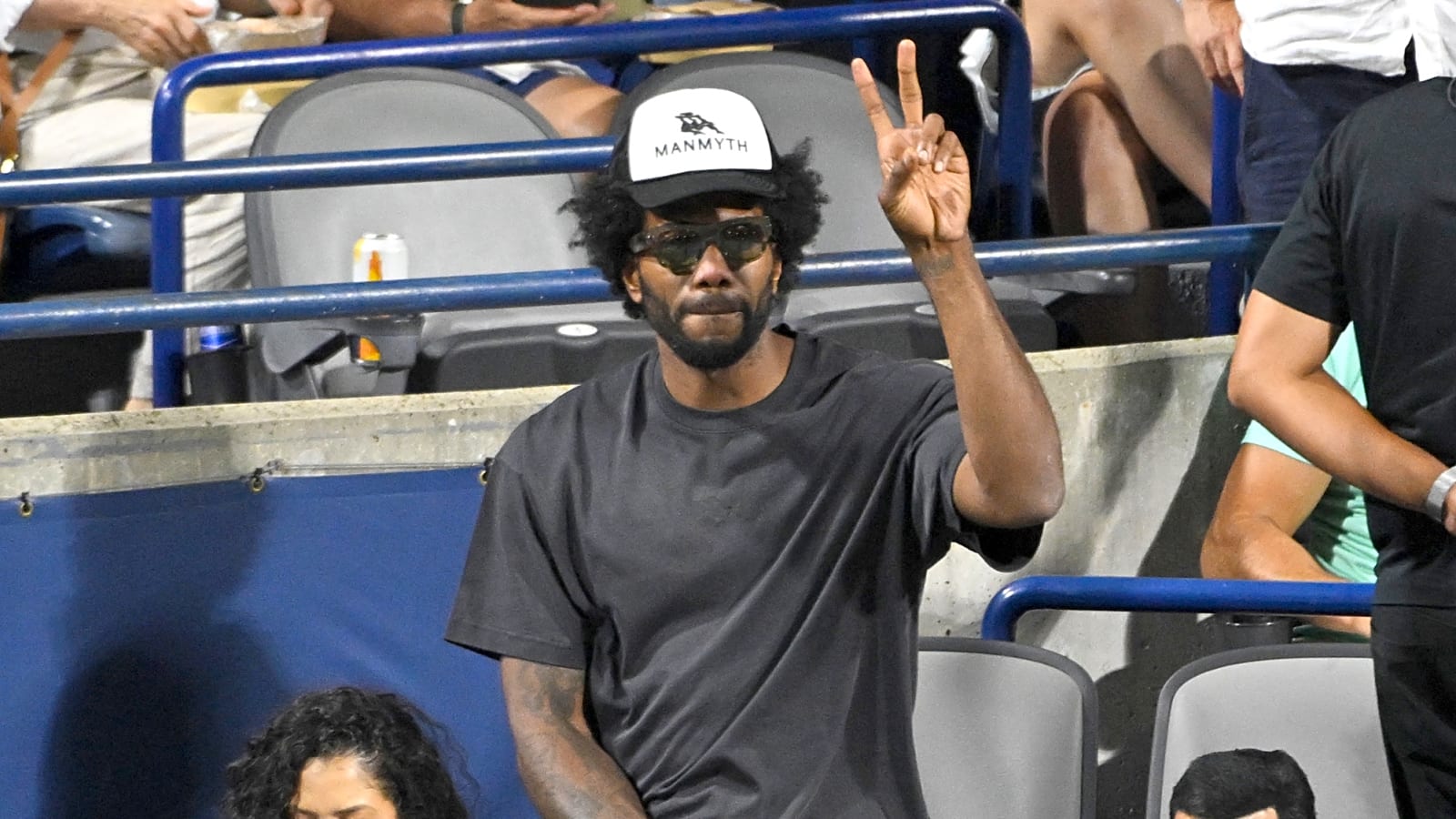
The NBA’s press release announcing the penalties assessed to the Clippers and Kawhi Leonard for violating the league’s salary cap circumvention rules outlined the investigators’ findings in broad strokes, but the full 36-page report from Wachtell, Lipton, Rosen & Katz provides a more in-depth – and more interesting – explanation of why the league came down so hard on the team.
According to the Wachtell report, while the Clippers didn’t comply with requests from then-business manager Dennis Robertson to facilitate off-court income when Leonard signed with the team in 2019, Robertson resumed pressuring the team within “months,” seeking the Clippers’ help to secure roughly $10MM in additional annual income for the star forward. There’s no evidence that the club asked Robertson to stop making those “improper” requests or that they reported them to the NBA.
In April 2020, when Robertson complained to Clippers management that those off-court endorsement deals weren’t materializing, team owner Steve Ballmer told Robertson that Ballmer and the Clippers were “collective workers to try to help (Leonard) achieve his financial goals,” according to notes kept by president of basketball operations Lawrence Frank. Robertson, who allegedly griped that president of business operations Gillian Zucker was making introductions for “bulls–t deals,” sought a three-to-six month plan from the Clippers for introductions to companies that could offer more lucrative opportunities, per Frank’s notes.
Subsequently, during a span of six days in June 2020, Zucker sent a series of email “introductions” connecting Robertson with three companies who were in the process of exploring business deals with the Clippers: Boingo Wireless, Daktronics, and Lockton (an insurance company).
While Zucker allegedly attempted to frame those emails as introductions being made at the request of the companies, investigators found that claim dubious, since there was no evidence supporting it and the idea that each of those three companies separately sought introductions with Leonard within a matter of days while the NBA season was suspended due to COVID-19 wasn’t considered credible.
By the end of August 2020, Leonard had endorsement deals in place with all three companies, and he had received payments from each of them by September of that year, according to Wachtell’s report, which stated that he had earned $18MM from the three companies by August 2021.
Wachtell’s investigators laid out several reasons why the deals were “highly unusual,” including the fact that they were made during the COVID-19 pandemic when athlete endorsement deals had slowed down. Leonard was required to do little to no actual endorsement work, plus all three companies has never agreed to an endorsement deal of “remotely the same financial magnitude” with any other athlete.
So why did those companies enter into agreements with Leonard? Investigators found that Boingo, Daktronics, and Lockton each reached deals to do business with the Clippers within “weeks” of Zucker’s email introductions in June. Either before or on the same day as Leonard’s endorsement deals were finalized, “each company entered into a multi-million dollar consulting agreement” with the Clippers, per Wachtell.
Investigators added that Daktronics – which eventually manufactured the ‘Halo Board’ scoreboard at the Clippers’ Intuit Dome, believed “failing to enter into a commercial relationship with Leonard could jeopardize its ability to win the bid for the Intuit Dome.”
If you’re curious about the other revelations from the Wachtell report but don’t have time to read the entire 36-page document, Joe Pompliano of Huddle Up has published an excellent summary of 25 key takeaways.
Here’s more on what Wednesday’s announcement from the NBA means for the Clippers:
- As John Hollinger of The Athletic details, the NBA essentially maxed out the penalties that the Collective Bargaining Agreement allows the league to impose on teams and executives as a result of salary cap circumvention. The maximum fine is $7.5MM, but because the NBA found endorsement deals with four separate companies, the league multiplied that figure by four to get to a $30MM fine for the Clippers. Additionally, the CBA doesn’t permit the league to suspend executives or team owners for longer than one year, so Zucker and Ballmer each received the longest possible ban. Finally, while the Clippers technically controlled more than five five-round picks, the NBA took away their only five unprotected selections that had no “strings attached” (such as swaps), Hollinger points out.
- What does it mean for a team owner to be suspended? Joe Vardon of The Athletic takes a closer look, writing that Ballmer won’t be permitted to attend games or practices, can’t go into the team’s offices, and isn’t allowed to influence personnel or business decisions. Ballmer also must select an interim governor while he’s suspended — alternate governor Dennis Wong looks like the most obvious candidate to fill that role, Vardon notes.
- Although Leonard said in a statement issued via his new agent Harrison Gaines and the NBPA on Wednesday that he had “no knowledge of any intent on anyone’s part to circumvent the salary cap,” Wachtell investigators said in their report that he was involved in negotiations related to his endorsement deal with Aspiration, having requested to swap the amounts of the cash and equity components included in that agreement, tweets Mike Vorkunov of The Athletic.
- Within an extended look at what the penalties mean for the Clippers, ESPN’s Brian Windhorst says general manager Trent Redden appears likely to run the team’s front office during Frank’s six-month suspension. Meanwhile, Bobby Marks notes that there’s a precedent for the Clippers to potentially regain one or more of their forfeited draft picks — after the Timberwolves were fined five first-round picks for circumventing the cap with Joe Smith back in 2000, they had two of those first-rounders returned to them by the league three years later.
More must-reads:
- Warriors have Steph Curry injury concern
- Evidence against Clippers is more damning than previously reported
- The 'Multiple 3-HR games in a season' quiz
Breaking News
Trending News


Customize Your Newsletter
 +
+




Get the latest news and rumors, customized to your favorite sports and teams. Emailed daily. Always free!
PRIVACY POLICY COOKIE POLICY CONTACT US
ABOUT YARDBARKER TERMS OF SERVICE


By using this site, you agree to our Terms of Service and Privacy Policy.
This site is for entertainment purposes only.
There is no gambling offered on this site.
Gambling Problem? Call 1-800-Gambler.
