
-

-


Follow Us
-

 On Facebook
 On Flipboard


As expected, the Denver Nuggets did not make any major changes at this year's trade deadline. The Nuggets made one move , which sent Hunter Tyson and a 2032 second-round pick to the Brooklyn Nets in exchange for a 2026 second-round pick.
On the grand scale of a wild NBA trade deadline, this move does not have many repercussions, but we can still map out the biggest winners and losers for the Nuggets now that the deadline has come and gone.
Winner: Ownership

The Nuggets traded away Tyson for one main reason: save money. By dealing Tyson to the Nets, the Nuggets saved enough money to dip below the luxury tax line. If the Nuggets stayed above that luxury line, Denver's ownership would have been forced to pay the repeater tax.
If an NBA team spends over the luxury tax line four times in five years, it must pay the repeater tax. After being over that mark in each of the last three seasons, the Nuggets have to stay below the line this season and the next. Trading away Tyson saved the Kroenke ownership group from paying that tax this year, but they will have to do the same next season to truly save some money.
Loser: Hunter Tyson

Tyson had a good gig in Denver, as the Nuggets signed him to a four-year, $7.6 million contract before he even touched an NBA court. After making just 90 appearances through three seasons, while collecting a pretty penny, Tyson was shipped away so the Nuggets could save some money.
The bad news for Tyson? He might never get a standard NBA contract again. Shortly after the trade, the Nets opted to waive Tyson.
After not showing much during his Nuggets tenure, it would be surprising to see Tyson land on another NBA roster at this point, making him a "loser" of this trade deadline deal.
Winner: Spencer Jones
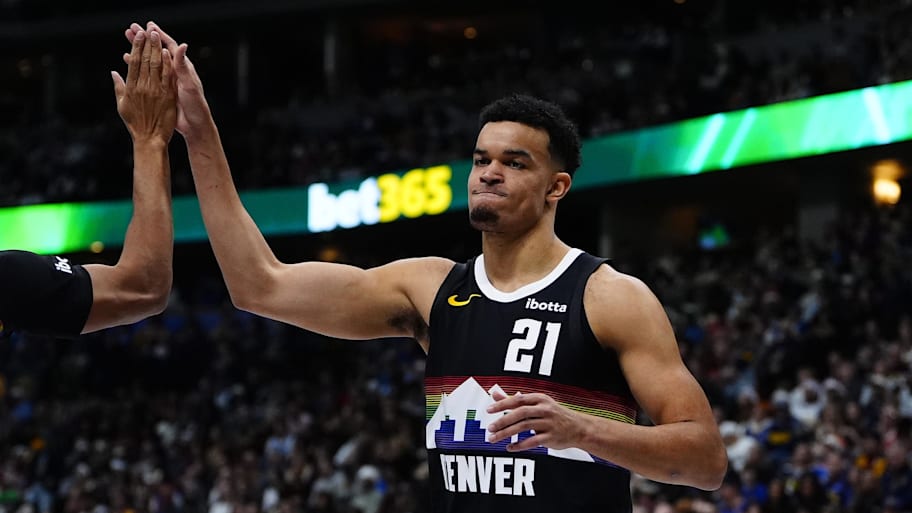
While Tyson might never sign a standard contract again, Spencer Jones is signing his first. The Nuggets are converting Jones to a standard deal after spending the last two seasons on a two-way contract.
This is a well-deserved move for Jones, as he has been a legitimate difference-maker for the Nuggets, even starting 34 games for the team as they were plagued with injuries. Jones has proven to be a high-level defender and reliable three-point threat, making it easy to say he could find minutes in their playoff rotation as well.
As a starter, Jones has averaged 7.5 points, 3.9 rebounds, and one steal per game, shooting 50% from the field and 40.9% from three-point range. The 24-year-old will likely be in Denver for years to come, as every championship team needs defensive-minded and hustle players to lean on.
Loser: Nuggets in potential Thunder rematch
It is easy to say that the Nuggets and Oklahoma City Thunder will meet again in this year's playoffs in a rematch of their second-round duel last postseason. However, the Thunder managed to get even better at this year's deadline.
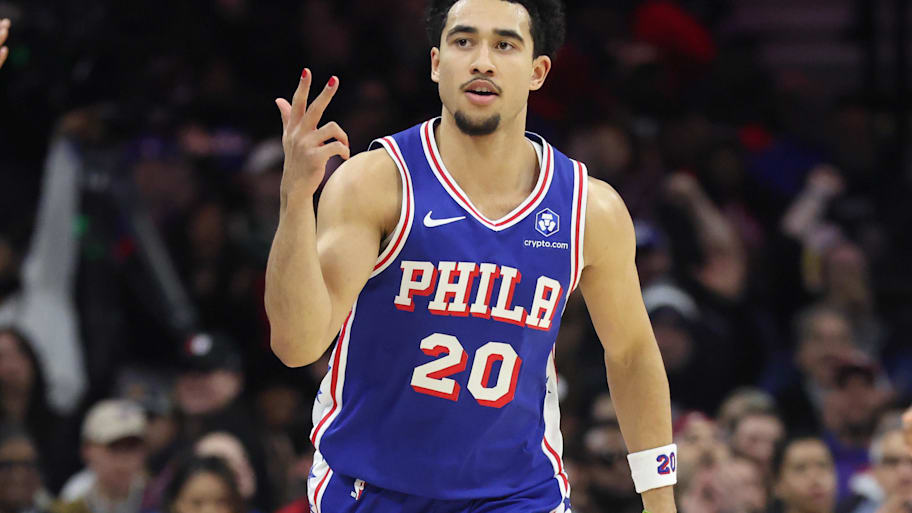
The Thunder acquired Jared McCain from the Philadelphia 76ers in exchange for draft capital. The addition of the standout 21-year-old will make their bench even better, and a backup backcourt of McCain and Cason Wallace is enough to make opposing teams worry.
The Nuggets know they are capable of taking down the Thunder in a seven-game series, but seeing them get even better at the trade deadline was far from ideal.
More must-reads:
- Stephen Curry shares thoughts on Clippers saga and punishment
- Kawhi Leonard’s reason for turning down Pistons, Timberwolves deals revealed
- The 'Active 150-yard NFL rushers' quiz
Breaking News
Trending News







Customize Your Newsletter
 +
+




Get the latest news and rumors, customized to your favorite sports and teams. Emailed daily. Always free!
PRIVACY POLICY COOKIE POLICY CONTACT US
ABOUT YARDBARKER TERMS OF SERVICE


By using this site, you agree to our Terms of Service and Privacy Policy.
This site is for entertainment purposes only.
There is no gambling offered on this site.
Gambling Problem? Call 1-800-Gambler.
