
-

-


Follow Us
-

 On Facebook
 On Flipboard
 On Twitter
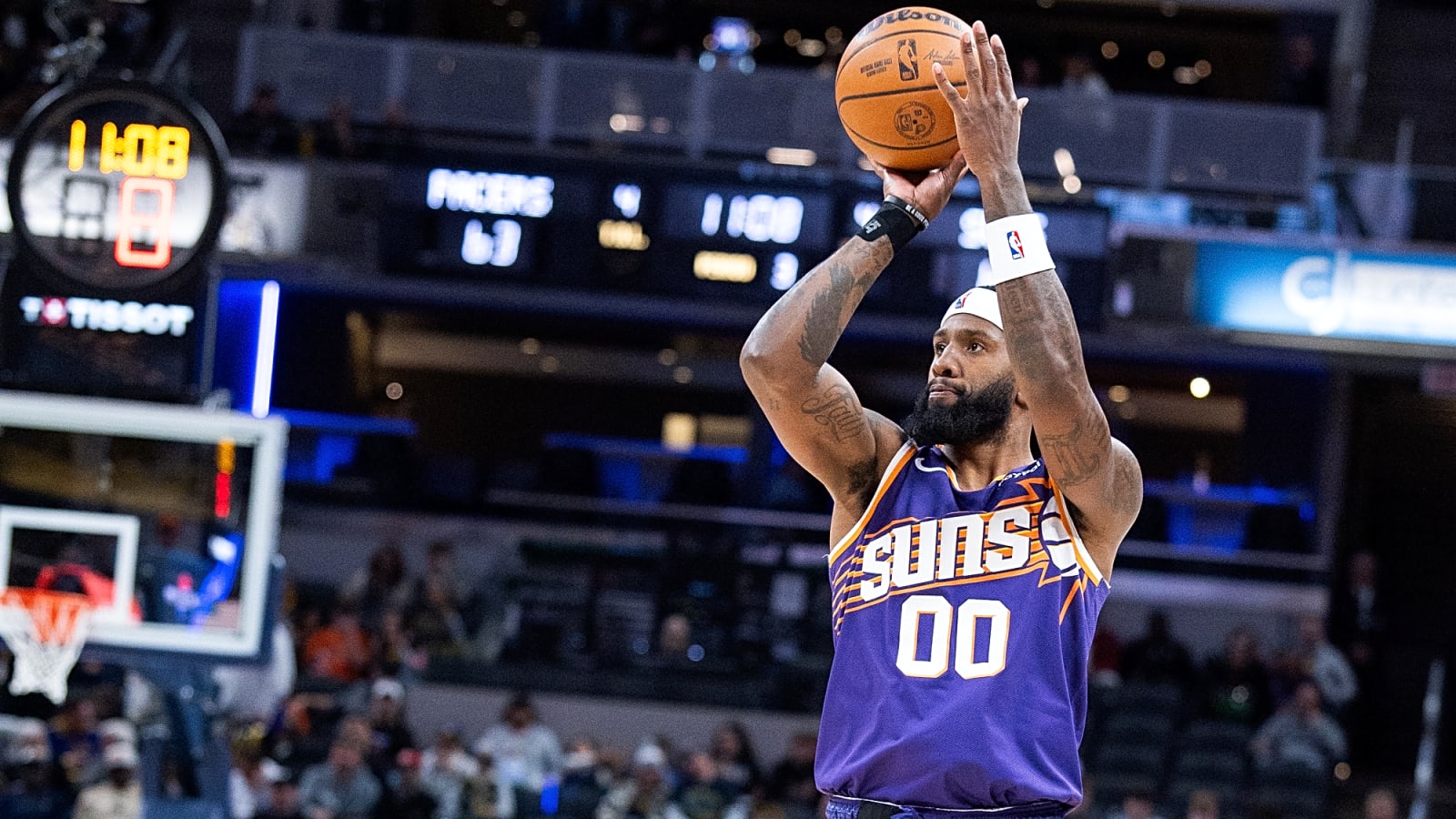
The Phoenix Suns don’t need to reinvent themselves to keep the momentum flowing, get a win streak going, and take down the Denver Nuggets. They need to rely on what has gotten them this far, which is trust in their scheme, make adjustments, and work the game through both units.
That identity built on interchangeable depth, spacing, and veteran poise has been stress-tested all season. Injuries have chipped away at continuity all season long, and recently, they have been sidelining key rotation pieces like Dillon Brooks, Grayson Allen, and Mark Williams. For a team designed to overwhelm opponents with lineup versatility, that kind of absence isn’t just inconvenient, it’s structural.
Which is why Royce O’Neale being probable isn’t a footnote. It’s a recalibration. On March 22, O’Neale’s pregame shooting routine offered a subtle but telling signal that rhythm is returning and confidence is rebuilding. For a role player, those reps matter as much mentally as physically. Phoenix needs both. His value isn’t just in box score output, it’s in connective tissue with floor spacing and defensive switches. The quiet, stabilizing minutes that prevent runs from becoming avalanches.
Against Denver, that matters. The Nuggets don’t beat themselves; they force you into precision with their two stars, Nikola Jokic and Jamal Murray. Phoenix’s margin for error shrinks without shooting depth, and O’Neale’s near-elite catch-and-shoot efficiency helps stretch that margin back open. If O’Neale suits up on Tuesday night, his veteran presence returning builds the chemistry back up internally and externally. For Suns fans, it reinforces the idea that this roster, when whole, still has answers. For the locker room, it restores optionality. Phoenix built a system to endure nights like this. The Suns getting healthy doesn’t guarantee wins, but it restores the blueprint.
More must-reads:
- Lakers' Austin Reaves out for remainder of season
- LeBron James disses two more American cities after profane rant about Memphis
- The 'NBA two's leaders by season' quiz
Breaking News
Trending News



Customize Your Newsletter
 +
+




Get the latest news and rumors, customized to your favorite sports and teams. Emailed daily. Always free!
PRIVACY POLICY COOKIE POLICY CONTACT US
ABOUT YARDBARKER TERMS OF SERVICE


By using this site, you agree to our Terms of Service and Privacy Policy.
This site is for entertainment purposes only.
There is no gambling offered on this site.
Gambling Problem? Call 1-800-Gambler.
